


What the Budget Buys
Smart sensors for succulents generally fall into three distinct tiers, each offering different levels of precision and convenience. The entry-level bracket, typically under $30, focuses on basic moisture monitoring. These devices act as a simple alert system, telling you when the soil is too dry or too wet. They are excellent for beginners who want to establish a consistent watering habit without committing to a complex setup. Expect to sacrifice automation and app integration for this lower price point.
Mid-range sensors, costing between $30 and $70, bridge the gap between passive monitoring and active care. This tier often includes Bluetooth connectivity, allowing you to check soil conditions directly from your phone. Some models in this category offer rudimentary automation, such as triggering a small drip system when moisture drops below a certain threshold. You are paying for the convenience of remote monitoring and the ability to customize watering schedules based on your specific succulent varieties.
At the premium end, above $70, you are buying a complete ecosystem. These systems often integrate with smart home hubs like Alexa or Google Home and feature advanced algorithms that adjust watering based on ambient humidity and temperature. They may include larger water reservoirs and more durable, weather-resistant housings for outdoor use. While the upfront cost is higher, these devices reduce the risk of overwatering significantly, which is the primary cause of succulent death. The tradeoff is clear: you pay more for reliability and automation, or less for manual oversight and basic data.
Models worth checking first
Choosing the right smart watering system depends on your setup and how much automation you want. The market splits into two main camps: automated drip systems that deliver precise amounts of water, and tray-based setups that flood and drain on a schedule. Both can work for succulents, but they require different approaches to prevent root rot.
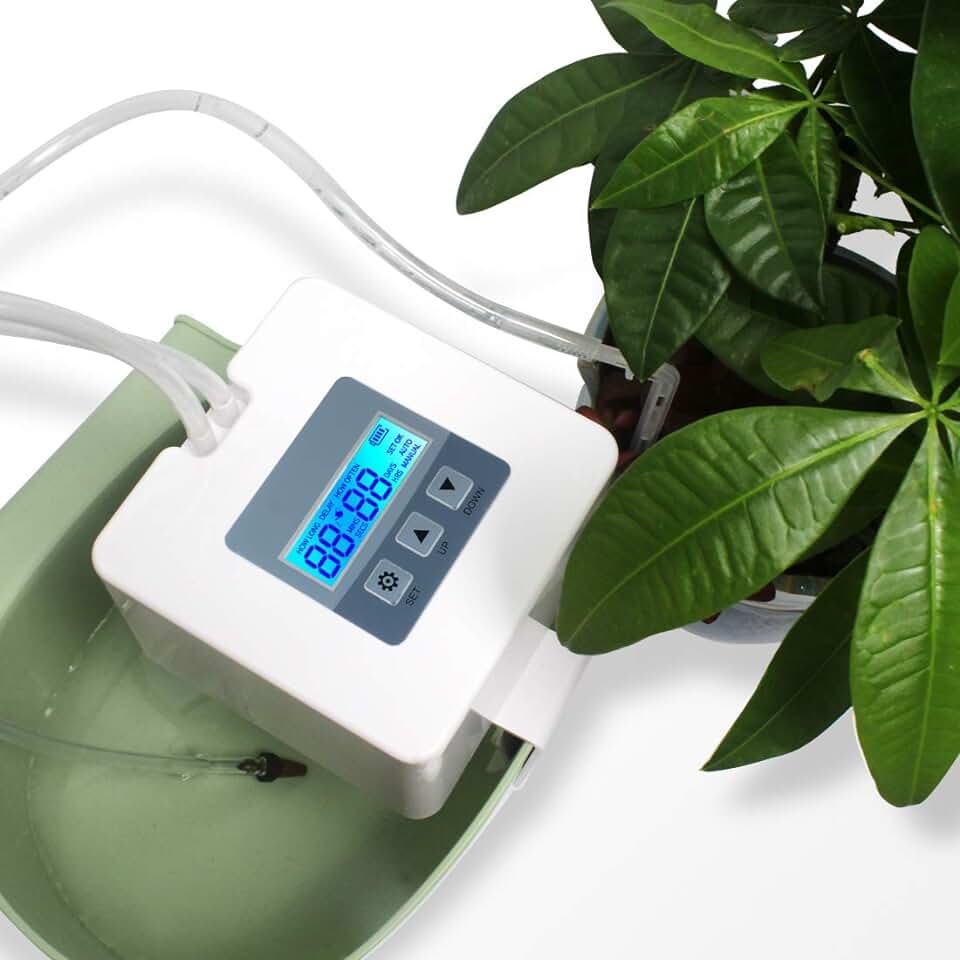
Drip irrigation systems offer the most control. They allow you to set specific intervals and volumes, mimicking the "soak and dry" method recommended by experts. This method keeps the soil moist like a wrung-out sponge, watering weekly in summer and monthly in winter. Automated timers remove the guesswork, ensuring you never forget or overwater.
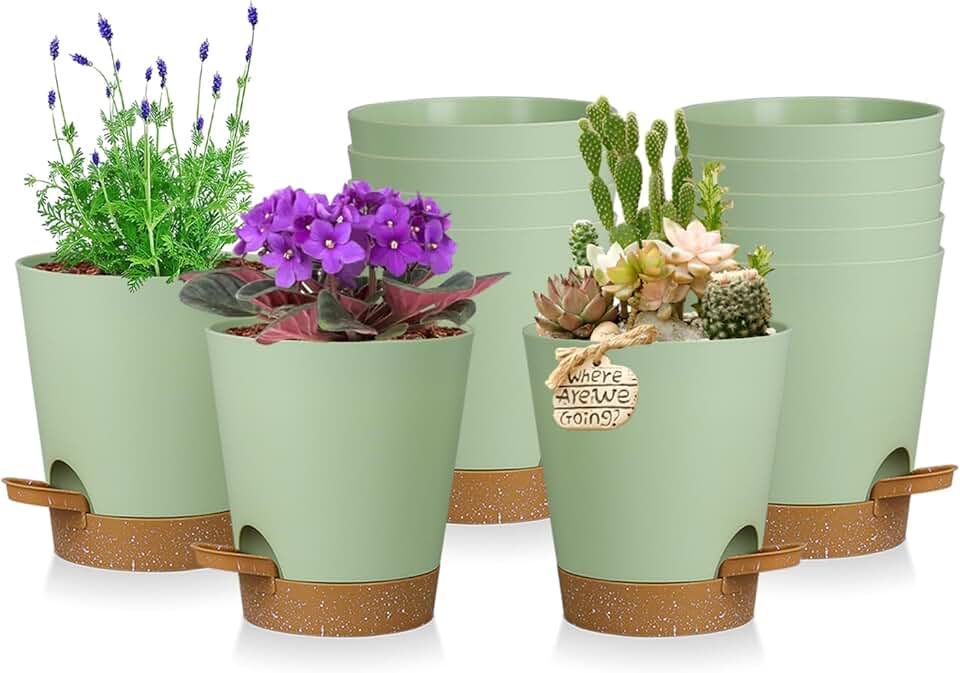
Tray systems are simpler but riskier. They flood the bottom of the pot, letting plants drink what they need before draining. While convenient, they can leave soil too wet if the timer is set incorrectly. For succulents, which hate wet feet, drip systems are generally safer because they wet the soil directly without soaking the entire pot. When comparing options, look at capacity, power source, and ease of cleaning. Some systems require frequent refilling, while others connect to a main water line. Battery-powered units offer portability but need regular maintenance. Always check if the system is compatible with your specific pot size and soil type before buying.
As an Amazon Associate, we may earn from qualifying purchases.
| System Type | Water Control | Rot Risk | Setup Difficulty |
|---|---|---|---|
| Drip Irrigation | High | Low | Medium |
| Tray/Flood | Low | High | Low |
| Manual Timer | Medium | Medium | Low |
Check Before You Buy
Smart plant sensors promise to eliminate guesswork, but the hardware itself can fail just as often as your watering schedule. Before you add a device to your cart, inspect these critical components to avoid expensive replacements or dead plants.


As an Amazon Associate, we may earn from qualifying purchases.
Ownership costs change the math
A $20 sensor feels like a bargain until you add the hidden layers of ownership. The hardware is just the entry fee. You also need to budget for the infrastructure that keeps it running, which often surprises new users.
The most common cost is the power source. While some units plug into USB, many run on batteries. If you place sensors in hard-to-reach spots, replacing four AAA batteries twice a year adds up. More importantly, a dead sensor means you lose the data, turning your "smart" system back into a guesswork exercise.
Then there is the subscription trap. Basic models offer local alerts via Bluetooth, which is free. Advanced models that send data to the cloud or integrate with broader smart home ecosystems often require a monthly fee. Before buying, check if the app charges for historical data access or additional device slots. A one-time purchase can become a recurring bill within months.
When does a cheap buy stop being cheap? When the sensor fails or the app shuts down. Proprietary hardware from obscure brands can become e-waste if the company goes under. Stick to brands with a track record of firmware support. The extra upfront cost is insurance against having to replace the entire system later.
Common questions
Smart succulent sensors promise to eliminate guesswork, but they introduce new dependencies. Before committing to an automated system, it helps to understand the tradeoffs between convenience and plant health.
Can AI sensors actually prevent overwatering?
Yes, but only if calibrated correctly. Unlike simple timers, smart sensors measure soil moisture levels directly. They compare real-time data against the specific needs of your succulent variety. If the soil is still damp, the system holds off. This prevents the "schedule-based" flooding that kills most indoor succulents.
Do these sensors work with all pot types?
Not all sensors fit every container. Some probe-style sensors require direct soil contact, which means they may not work well with decorative outer pots or hydroponic setups. Others rely on external moisture detection. Check the product specifications to ensure compatibility with your current planter style.
How often do I need to maintain the device?
Sensors are not set-and-forget. You must clean the probes every few months to remove mineral buildup from tap water. Dirty sensors give false dry readings, triggering unnecessary watering. Also, check battery levels or power connections regularly to avoid silent failures during dry spells.
Is it better than a simple self-watering pot?
For most growers, yes. Self-watering pots rely on capillary action, which can keep soil perpetually moist if the reservoir is too large. Smart sensors add a layer of intelligence by adjusting water volume based on humidity, temperature, and plant size. They adapt to seasonal changes that static pots ignore.
No comments yet. Be the first to share your thoughts!