

Spot the early signs of root rot
Overwatered succulents rarely announce their distress with a single symptom. Instead, the damage accumulates silently in the soil before becoming visible above ground. Catching these signs early is the difference between a simple trim and a full rescue operation. If you wait until the plant is completely limp, the root system may already be too compromised to recover.
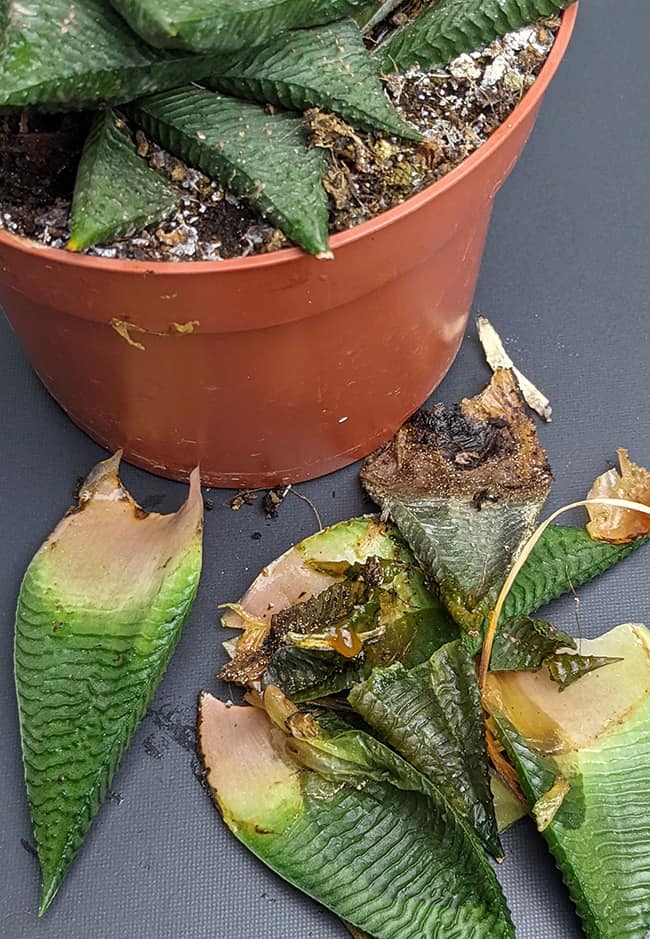
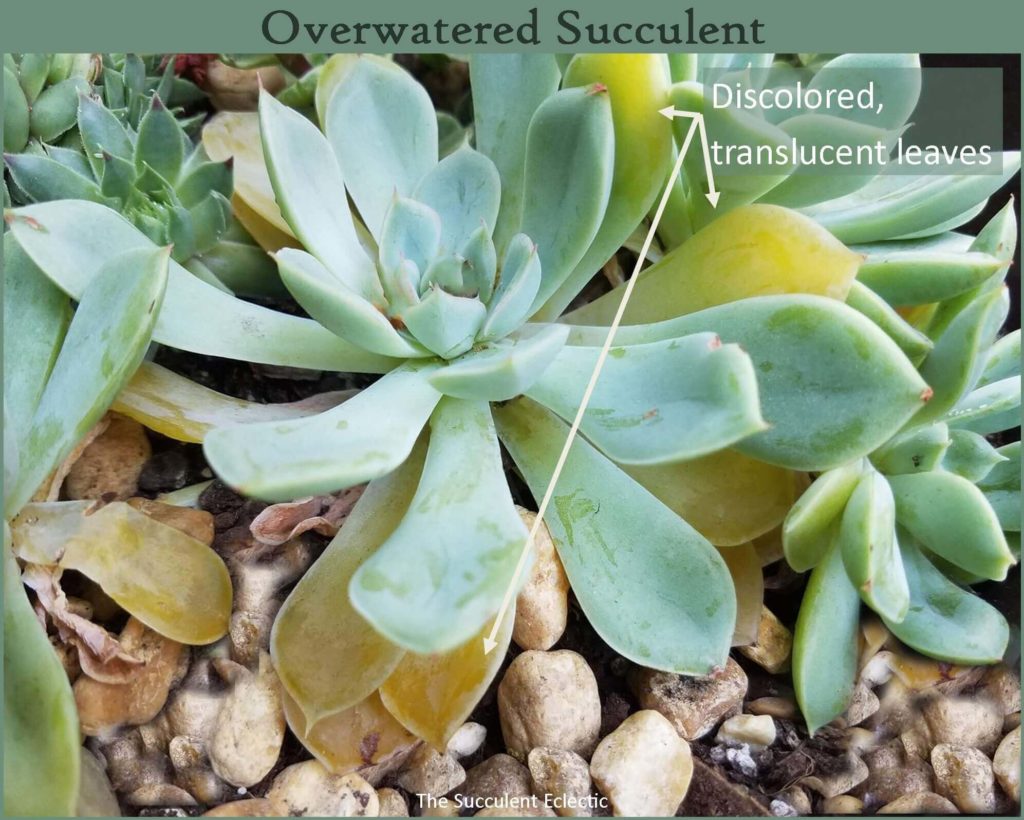
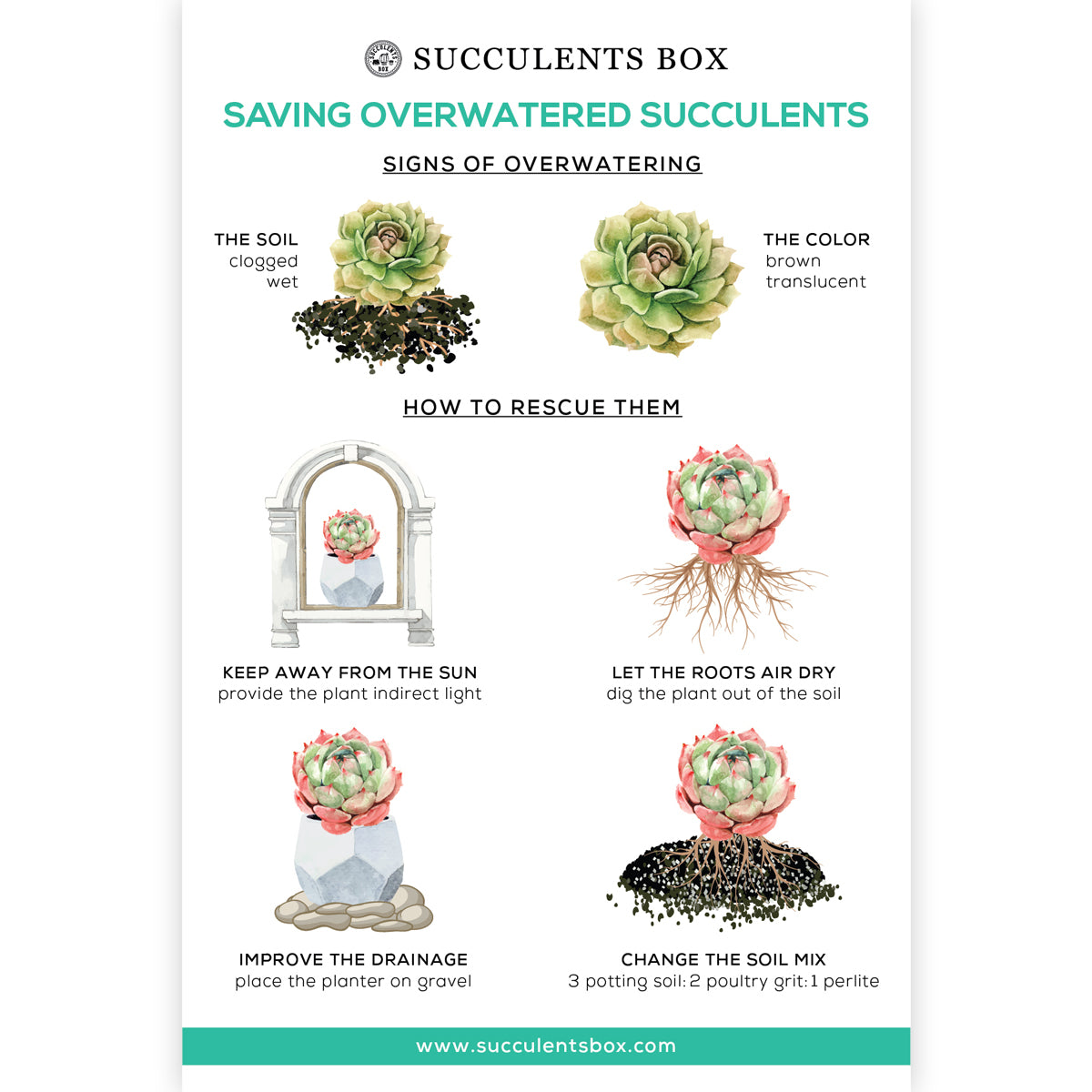
The most reliable indicator is the texture of the leaves. Healthy succulent leaves feel firm and plump, storing water efficiently. When overwatered, the cells become waterlogged and burst, turning the leaves soft, translucent, and mushy. They often start to yellow or turn a pale, sickly green before collapsing. Gently squeeze the lower leaves; if they squish under your fingers or detach with little resistance, the plant is in trouble.
Pay close attention to the stem, particularly at the base where it meets the soil. This is the first place root rot takes hold. A healthy stem is firm and green. If the base feels soft, slimy, or turns black and brown, the rot has progressed beyond the roots into the main structure. This structural decay means the plant can no longer support itself or transport nutrients effectively.
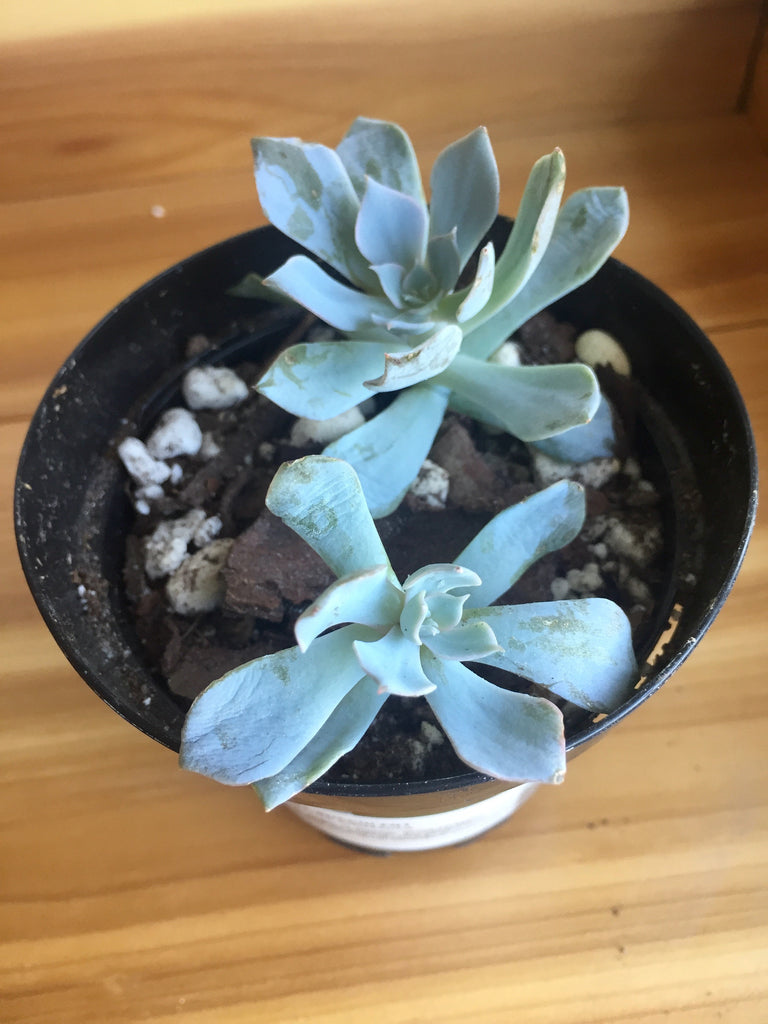
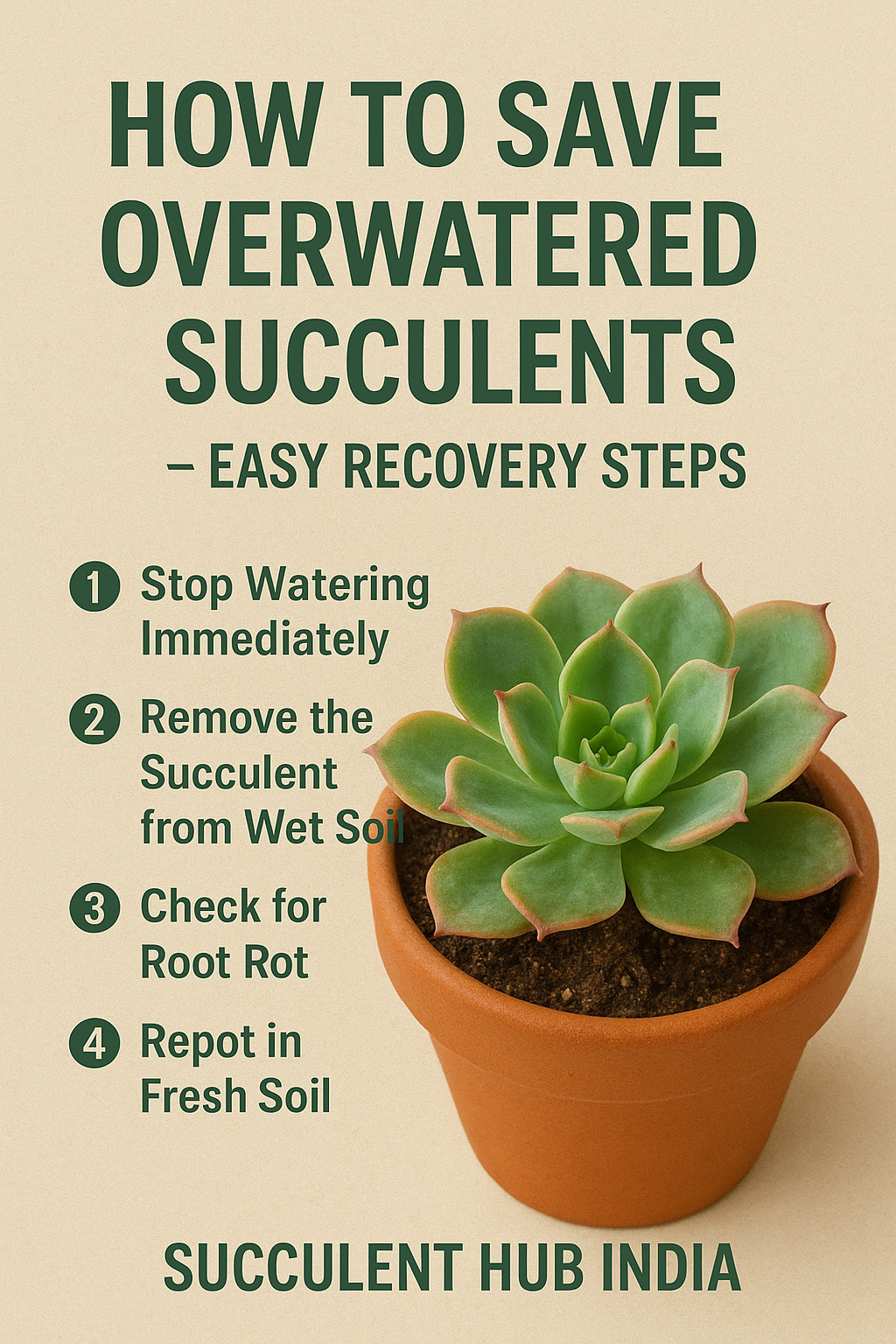
Once you confirm these symptoms, stop watering immediately. Do not assume the plant will simply dry out on its own. The rot is fungal or bacterial in nature and will continue to spread through the tissue. You must proceed to the next step: removing the plant from its pot to inspect the roots and cut away the decayed parts.
Unpot and inspect the root system
Removing your plant from its container is the only way to see what’s happening underground. Overwatering causes roots to rot from the inside out, and you can’t diagnose the damage without a clear view of the root ball. This step is critical because it determines whether your succulent can be saved or if you need to start fresh with a cutting.
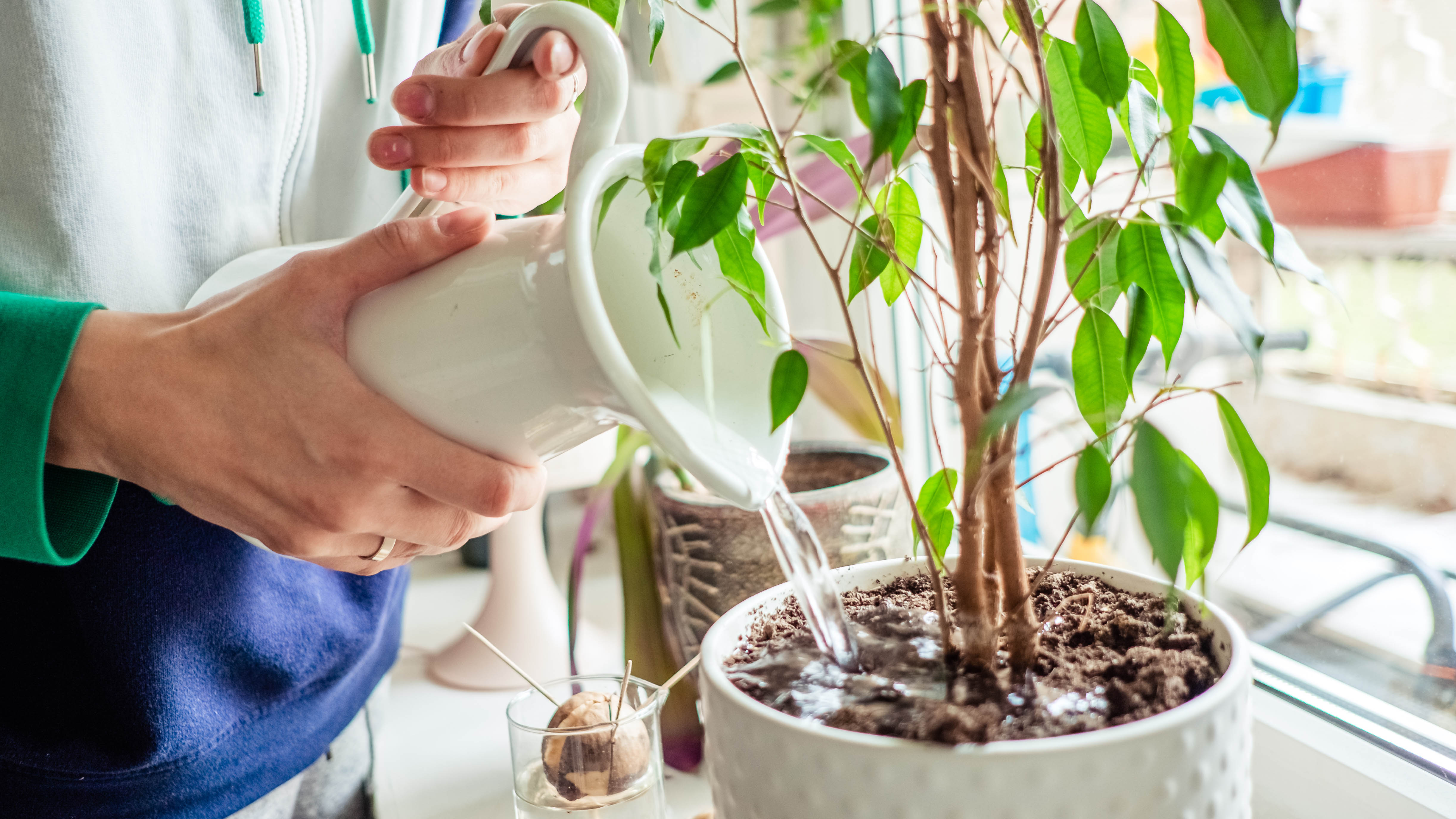
Tilt the pot sideways and support the base of the stem with your fingers. Gently tap the bottom of the pot or squeeze the sides if it’s flexible to loosen the soil. If the roots have grown through the drainage holes, use scissors to trim them away. Pull the plant out slowly; if it resists, do not yank the stem, as this can cause more damage. Place the plant on a newspaper or paper towel to catch falling soil.
Once the plant is out, gently shake away as much of the old soil as possible. You can use your fingers to loosen clumps, but be careful not to snap healthy roots. If the soil is wet and muddy, it will stick to the roots. In this case, you can rinse the roots lightly under lukewarm water to remove the mud, which helps you see the roots more clearly. If you rinse them, you must let the roots air dry for a day or two before repotting to prevent new rot.
Healthy succulent roots are firm and typically white or tan. Rotting roots are dark brown or black, mushy, and often fall off when you touch them. They may also smell foul. If most of the roots are healthy, you can trim away the few dead ones and repot immediately. If the majority of the root system is rotted, you need to cut away all the damaged tissue until you reach firm, healthy white roots. This process is similar to debriding a wound; you must remove all dead tissue to allow the plant to heal.
Using clean, sharp scissors or pruning shears, cut away any roots that are soft, discolored, or hollow. If the rot has moved up the stem, you may need to cut the stem back to healthy tissue. Make clean cuts just below the node where new roots can emerge. If the stem is severely rotted and mushy, you may need to take a cutting from the top of the plant and propagate it instead. Discard all removed rotting material to prevent spreading fungal infections.
After you’ve removed all the damaged parts, the plant needs time to heal before it goes into new soil. Place the unpot and trimmed succulent in a dry, well-ventilated area out of direct sunlight. Let it sit for two to three days to allow the cut ends to callus over. This drying period is essential because planting a fresh wound into moist soil will almost certainly cause the rot to return. Once the cuts are dry and scabbed over, your succulent is ready for repotting in fresh, well-draining soil.
Trim rot and prepare cuttings
When the damage has spread to the main stem, simply drying out the soil isn't enough. You need to surgically remove the diseased tissue to save the healthy parts of the plant. This process, often called "chopping and propping," allows you to discard the rotting base and propagate new plants from the healthy top section or leaves.
Before you begin, ensure your workspace is clean and you have a sharp, sterilized knife or scissors. Dull tools crush plant tissue, creating larger wounds that are harder to heal. Sterilize your blade with rubbing alcohol before every cut to prevent introducing new bacteria to the fresh wounds.
Start by gently removing any leaves that feel soft, translucent, or mushy. These leaves are already rotting and will spread bacteria to the rest of the plant. Pull them away from the stem; if they resist, use your sterilized knife to cut them off cleanly. Discard these leaves immediately—do not compost them.
Examine the main stem. If the lower portion is brown, black, or mushy, you must cut it off. Make your cut several inches above the visible rot, into the healthy green tissue. Even if the stem looks green on the outside, slice through it to check the interior. If you see any brown rings or discoloration, cut higher until the core is completely white or green and firm.
Once you have separated the healthy top (or "beheading"), inspect the cut surface. It should be uniform in color with no dark spots. If you find any remaining rot, trim it away. For larger cuttings, you may want to remove a few lower leaves to expose more stem, which helps with root growth later. Ensure the wound is flat and clean.
Place your healthy cuttings in a cool, dry, and shaded area. Do not plant them yet. The cut surfaces need to dry out and form a callus, which acts as a natural barrier against bacteria and rot. This process typically takes 3 to 7 days. You will know they are ready when the cut ends look dry, slightly shriveled, and sealed.
Once calloused, your cuttings are ready to be potted in fresh, well-draining soil. If you have healthy leaves that were removed earlier, you can also lay them flat on the soil surface to propagate. Keep the soil barely moist and out of direct sunlight until new roots appear. This new growth will be free of the rot that killed the original plant.
Dry and repot with fresh soil
Once you have removed the succulent from its pot and shaken off the wet mud, the plant is in a fragile state. The roots are likely damaged or rotted, and the leaves are waterlogged. You cannot simply dump it into new dirt and water it again. That is the most common mistake people make when trying to save an overwatered succulent.
Instead, you must let the plant heal itself before it ever touches new soil. This process is called callusing.
The callusing period
Place the bare-root succulent on a mesh screen, a paper towel, or a dry plate in a shady, well-ventilated spot. Avoid direct sunlight, which can scorch the stressed leaves. Leave it there for two to three days.
During this time, the cut ends of the roots and any leaf wounds will dry out and form a thin, protective layer of tissue. This "callus" seals the plant from the soil, preventing bacteria and fungi from entering through the open wounds. If you repot while the roots are still wet or raw, the new soil will likely rot them immediately, killing the plant.
Choosing the right soil
While the plant is callusing, prepare a fresh potting mix. Standard houseplant soil holds too much water and is the primary reason succulents overwater in the first place. You need a mix that drains instantly.
A reliable recipe is a 1:1 ratio of standard potting soil and a gritty amendment like pumice, perlite, or coarse sand. This creates a structure where water flows through quickly rather than sitting around the roots. Some gardeners also use specialized cactus mixes, but check the label to ensure it doesn't contain high amounts of peat moss, which retains moisture.
Repotting
Once the roots look dry and shriveled (which is normal after callusing), gently place the succulent into a pot with drainage holes. Fill in around the roots with your new gritty mix. Do not water the plant immediately. Wait another week or two until you see new growth or the leaves firm up, indicating the roots are healthy and active again.
Watering schedule for recovery
Once the roots have calloused and the soil is bone dry, you can begin the slow process of rehydration. The goal is to encourage new root growth without triggering rot again. Wait until the soil is completely dry. Check this by sticking your finger two inches into the pot or using a moisture meter. If there is any dampness, wait another day. For most rescued succulents, this initial waiting period lasts 7 to 10 days after repotting.
When you do water, use the soak-and-dry method. Water thoroughly until it runs out of the drainage holes, then let the soil dry out completely again. Do not mist the leaves or keep the soil perpetually damp. This cycle mimics natural rainfall and encourages deep root development.
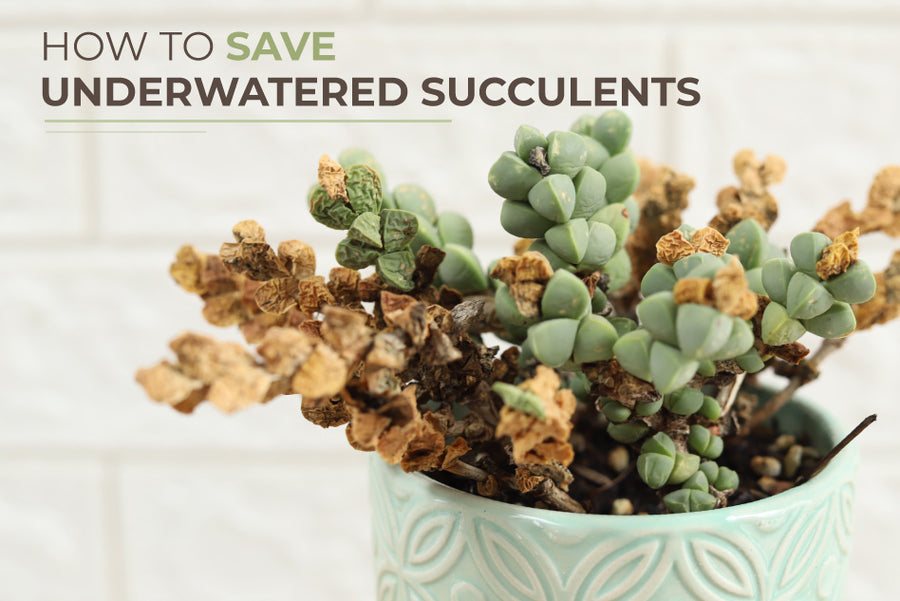
Look for firm, plump leaves or tiny new rosettes at the center. This signals that roots are actively growing. If leaves remain shriveled after three weeks, check for rot. If they stay firm but dry, increase water frequency slightly.
Watch for new growth signs
Success looks like firm, perky leaves and a steady return of color. After repotting your overwatered succulent into fresh, well-draining soil, give it two to three weeks of rest. During this time, the plant focuses on healing roots rather than producing new tissue. You should see the leaves slowly plump up, indicating the roots are finally taking up water again.
Once the plant stabilizes, look for tiny new leaves emerging from the stem or rosette center. This new growth is the definitive proof that your rescue effort worked. When you spot these fresh shoots, you can gently resume a normal watering schedule, checking the soil moisture before each drink.
No comments yet. Be the first to share your thoughts!