
Why drainage matters for healthy succulents
Use this section to make the Best Succulent Care Essentials decision easier to compare in real life, not just on paper. Start with the reader's actual constraint, then separate must-have requirements from details that are merely nice to have. A practical choice should survive normal use, maintenance, timing, and budget. If a recommendation only works in an ideal situation, call that out plainly and give the reader a fallback path.
The simplest way to use this section is to write down the must-have criteria first, then compare each option against those criteria before weighing nice-to-have features.
Best succulent soil mixes for fast drainage
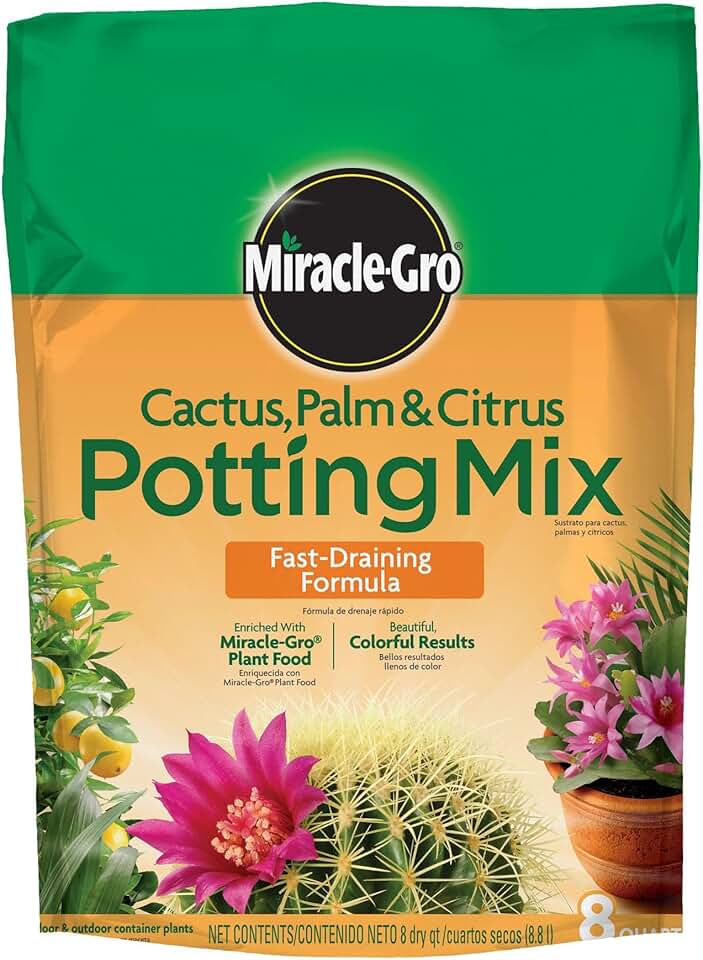
Succulent care starts with the dirt. Standard potting soil holds too much moisture, creating a swamp that leads to root rot. You need a gritty, fast-draining mix that mimics the arid environments these plants evolved in. When you water, the excess should flow right through the pot, leaving the roots damp but not soaked.
Think of soil as the plant's foundation. If the foundation is soft and wet, the structure collapses. A good succulent mix keeps the roots airy and dry between waterings, which is the single most effective way to prevent the yellowing and mushy leaves associated with overwatering.
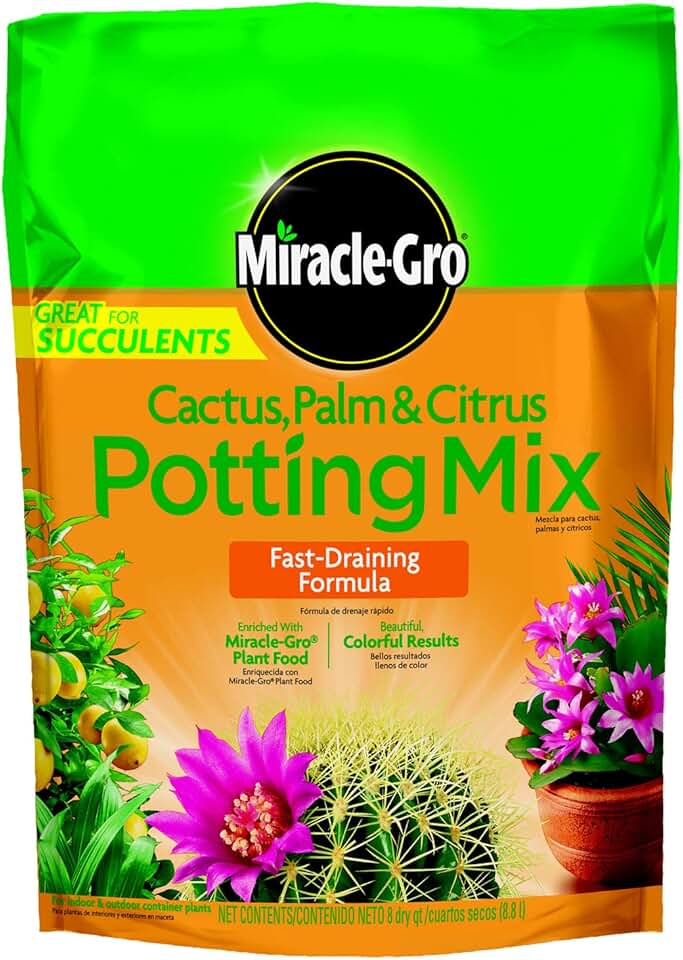
Here are reliable soil mixes that deliver the drainage your succulents need to thrive.
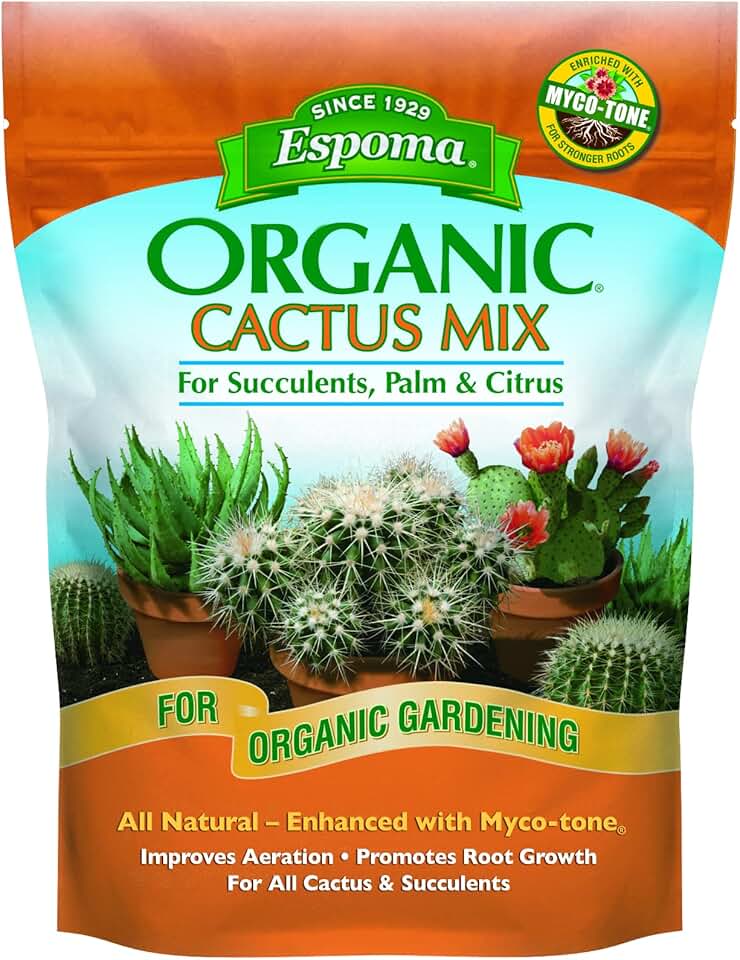
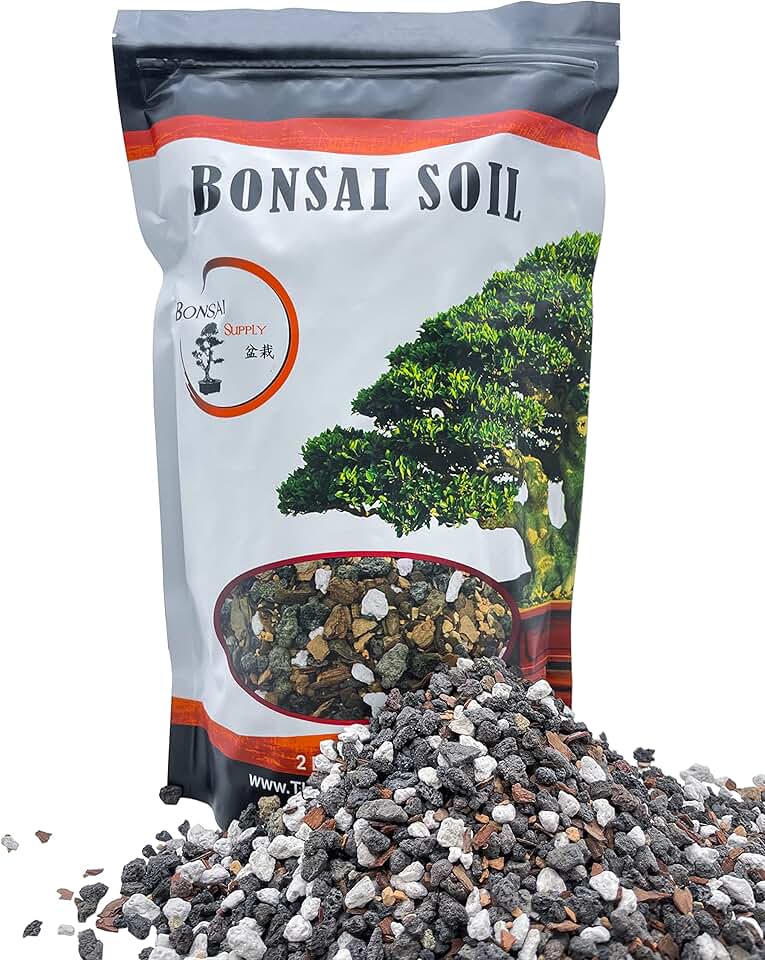
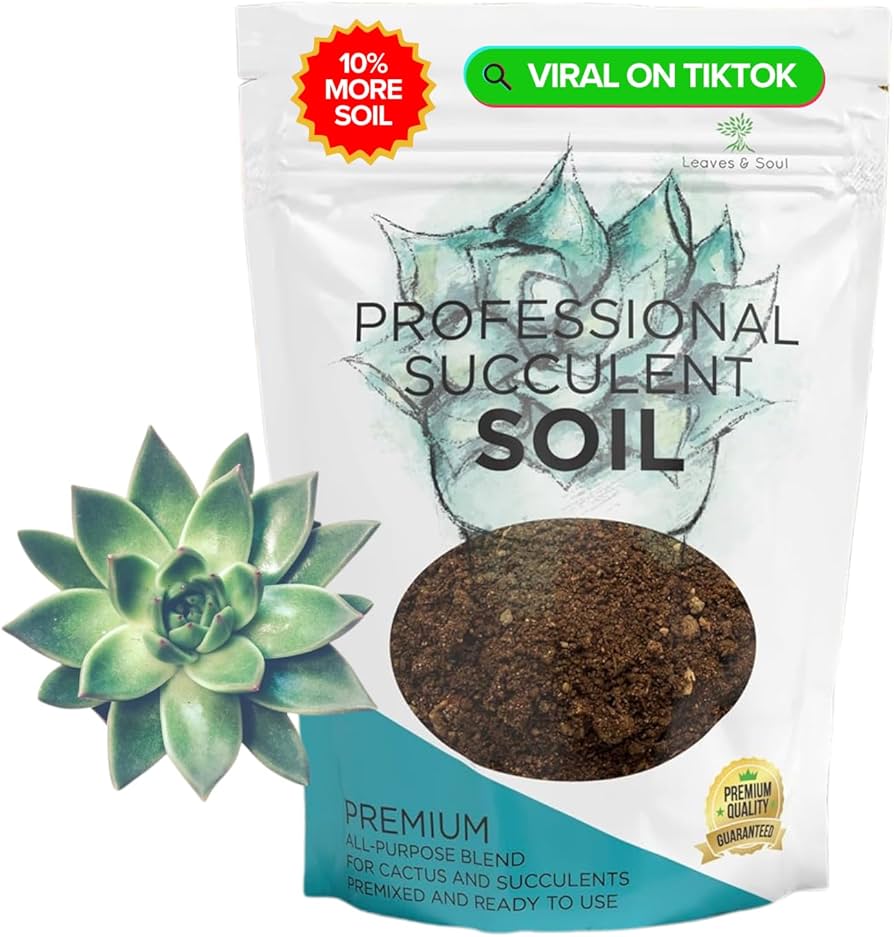


As an Amazon Associate, we may earn from qualifying purchases.
Choosing the right pot material and size
The container you pick for your succulents is just as important as the soil. A good pot protects the roots from rot while giving the plant room to grow. The material determines how fast the soil dries, and the size determines how much water the roots hold.
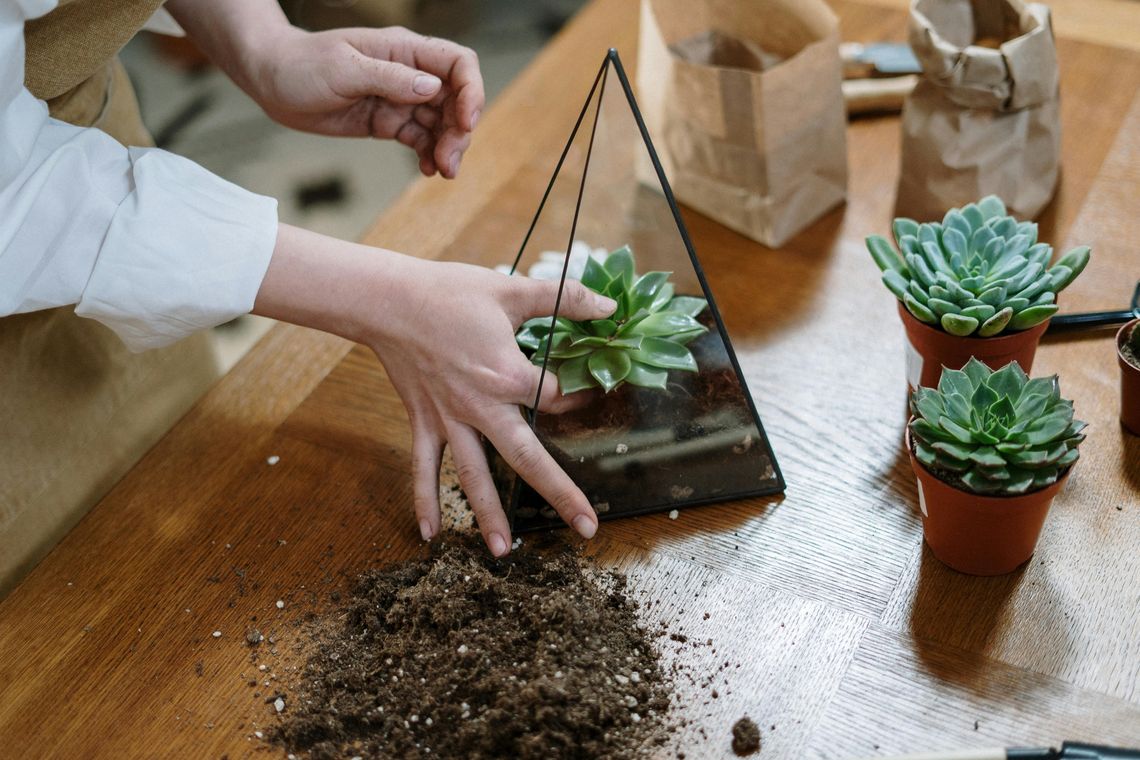
Material matters for drainage
Un-glazed terracotta is the gold standard for succulent care because the porous clay allows air to reach the roots and pulls excess moisture out of the soil. This helps prevent the most common succulent care mistake: overwatering. Ceramic pots are heavier and hold moisture longer, which can be good for dry climates but risky in humid homes. Plastic pots are lightweight and retain the most water, making them ideal for beginners who are still learning to judge when to water.
| Material | Breathability | Weight | Best For | Moisture Retention |
|---|---|---|---|---|
| Un-glazed Terracotta | High | Heavy | Most indoor succulents | Low |
| Glazed Ceramic | Low | Very Heavy | Decorative displays | Medium |
| Plastic | None | Light | Beginners & hanging | High |
Sizing: Potting up vs. staying small
When selecting the size, remember that succulents prefer to be slightly root-bound. A pot that is too large holds too much soil, which stays wet for days and encourages root rot. When you repot, move the plant into a container only one to two inches wider than the previous one. This ensures the soil dries out at a healthy pace. If you are grouping multiple small succulents in one large bowl, use a shallow layer of gravel or stones at the bottom to improve drainage and prevent the center soil from becoming a swamp.
Watering tools for precise hydration
Overwatering is the fastest way to kill a succulent, turning healthy leaves into mush. The problem isn’t usually how much water you give, but how hard it is to control the flow. When you pour from a standard cup, the water splashes onto the leaves or pools unevenly, leading to rot or dry pockets in the soil. You need tools that let you deliver water exactly where it belongs: at the soil line.
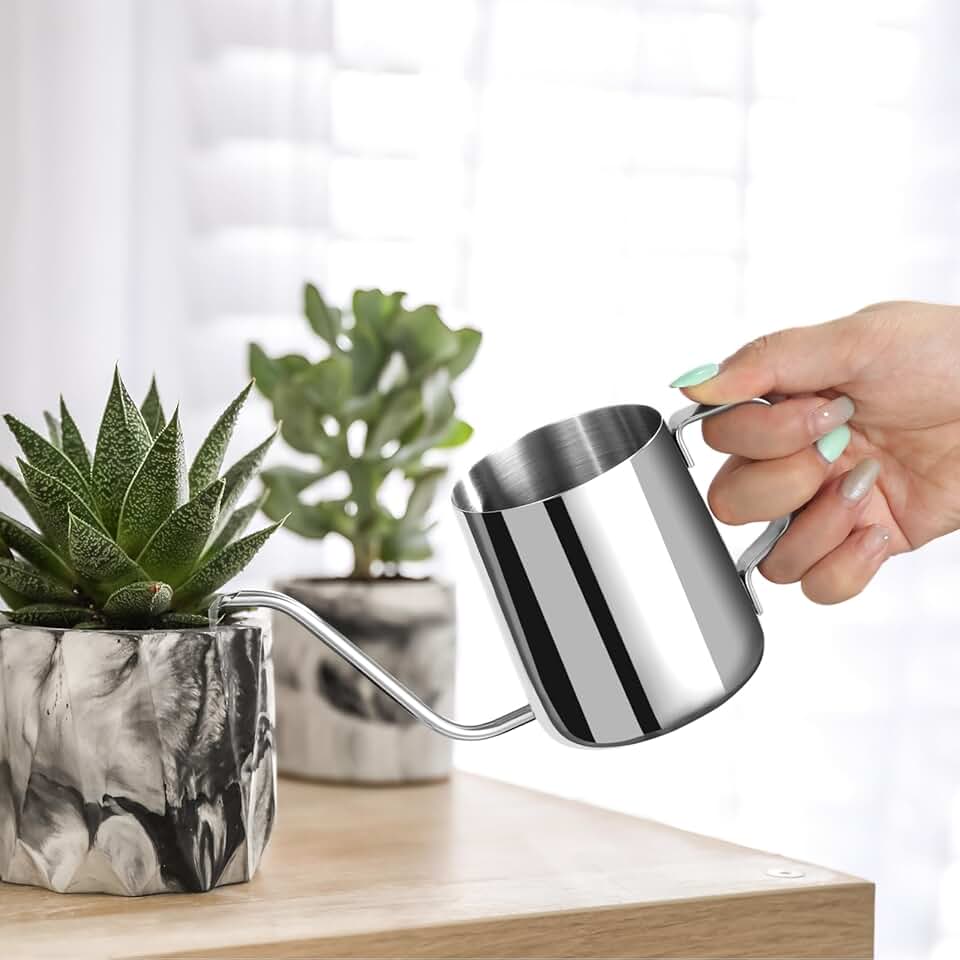
A gooseneck kettle is the single most effective tool for this. Its long, thin spout gives you surgical control, allowing you to trace the rim of the pot or target the soil directly without wetting the foliage. This precision mimics a gentle rain rather than a flood, ensuring the roots absorb what they need while the rest of the plant stays dry. It turns watering from a guesswork chore into a measured ritual.
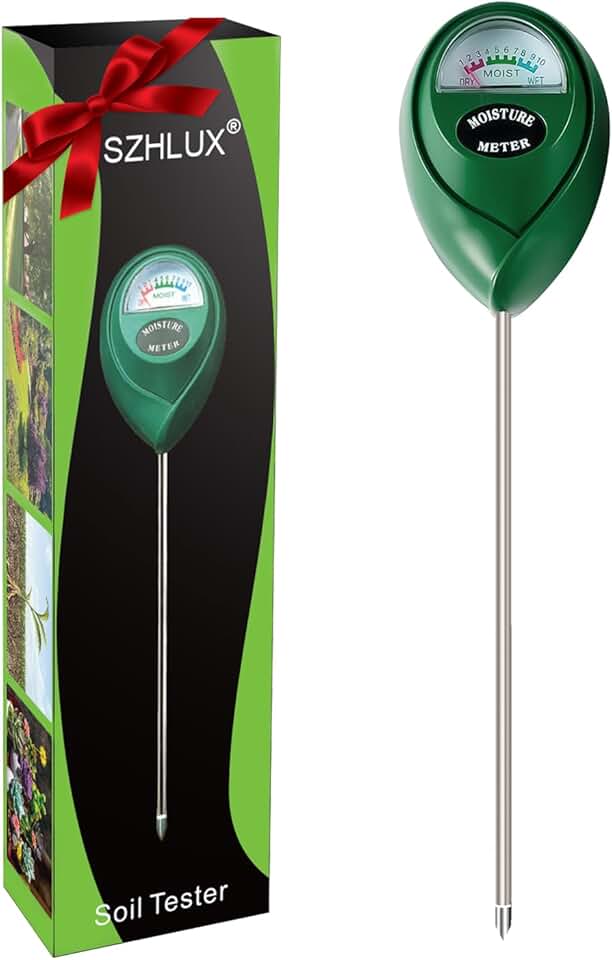
For those who struggle to remember when to water, a soil moisture meter removes the guesswork entirely. Instead of sticking your finger in the dirt or relying on a calendar, you insert the probe to get a direct reading of the soil’s dampness. This is especially helpful for beginners who might be tempted to water on a schedule. If the meter says the soil is still moist, you wait. If it reads dry, you water. It acts as a safety net against the most common succulent care mistake.


As an Amazon Associate, we may earn from qualifying purchases.
Callouts like this one are useful for highlighting specific features, but the right tool makes the difference between a thriving collection and a pile of brown leaves. Start with a gooseneck kettle for the actual watering, and keep a moisture meter nearby to check in between sessions. This combination ensures your succulents get just enough water to survive, without the risk of drowning them.
Place indoor succulents where they get bright, indirect light
Succulents thrive in bright, indirect light. This means a spot where sunlight fills the room but doesn’t hit the leaves directly. A south-facing window is ideal, but keep the plants a few feet away from the glass. In winter, cold glass can chill roots, so moving them slightly inward protects them from drafts and temperature drops.
If you notice the leaves stretching or turning pale, the plant is reaching for more light. This condition, called etiolation, means the succulent needs to move closer to the source. Conversely, direct midday sun through a south-facing window can scorch the leaves, leaving brown, crispy patches. If you see these signs, pull the plant back or use a sheer curtain to diffuse the intensity.
Seasonal changes require adjusting your setup. In spring and summer, the sun is stronger, so you may need to pull plants back or rotate them weekly to ensure even growth. In fall and winter, light levels drop, so moving them to the brightest window available helps maintain their shape and color.
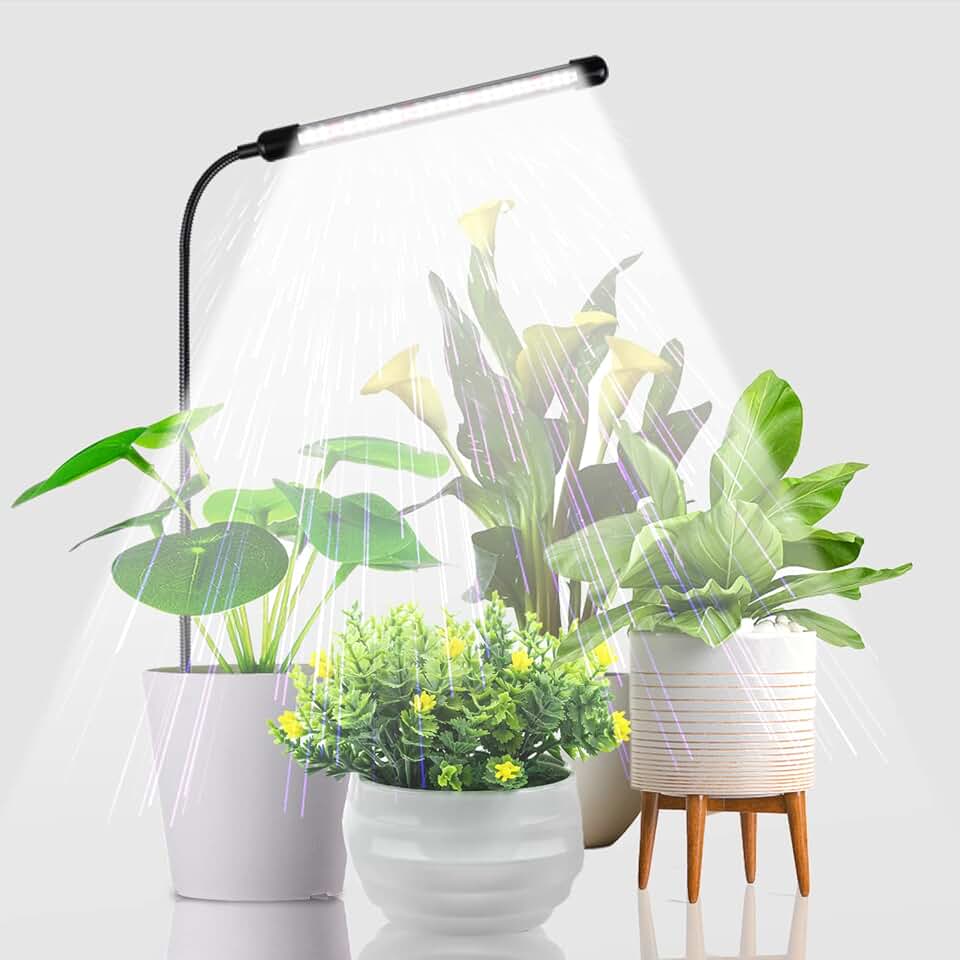
For those wanting to optimize their setup, consider these tools that help monitor and adjust light conditions:


As an Amazon Associate, we may earn from qualifying purchases.
Common succulent care mistakes to avoid
Most succulent loss stems from three preventable errors: overwatering, using dense soil, and placing plants in low light. Overwatering is the primary culprit. When soil stays wet, roots rot and leaves turn mushy. Instead of watering on a schedule, check the soil depth. If the top inch is dry, wait another few days before watering again.
Soil composition matters just as much as water. Standard potting mixes retain too much moisture for succulents. You need a gritty, fast-draining blend. Products like the Espoma Organic Cactus and Succulent Potting Mix are formulated with pumice and perlite to ensure water flows through quickly, preventing root rot.
Light exposure is the third common pitfall. Succulents need bright, direct sunlight to maintain compact growth and vibrant color. Without enough light, they stretch out and become weak. Place them in a south-facing window or use a grow light if natural light is scarce.
To help you maintain a healthy routine, here is a quick checklist for weekly succulent health checks:
-
Soil dryness: Check if the top inch of soil is completely dry before watering.
-
Leaf firmness: Leaves should feel turgid and firm, not soft or wrinkled.
-
Light exposure: Ensure the plant receives at least 6 hours of direct sunlight daily.
-
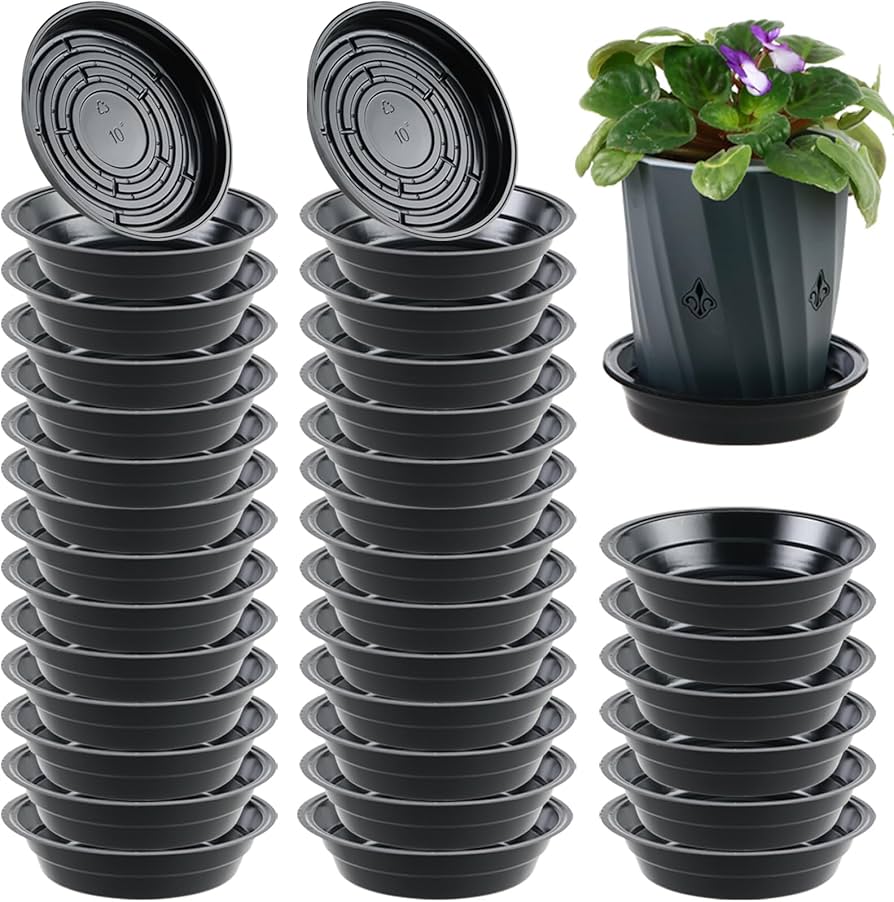
Drainage check: Verify that water flows freely out of the pot's drainage holes.
If you are looking to upgrade your setup, consider these tools and supplies:

As an Amazon Associate, we may earn from qualifying purchases.
Frequently asked questions about succulent care
How do you keep potted succulents alive?
The most effective succulent care strategy relies on mimicking their native desert environment. Water infrequently—only when the soil is completely dry—and ensure your container has drainage holes to prevent root rot. Place them in direct sunlight, such as a south-facing window, and keep them in a warm room away from cold drafts. Avoid sealed glass jars, which trap humidity and suffocate the roots.
What are common succulent care mistakes?
Overwatering is the number one killer of potted succulents. Signs include yellowing, soft, or mushy leaves that drop off easily. If the soil stays damp for days, you risk fungal growth and mold. Another frequent error is using standard potting mix, which retains too much moisture. Always switch to a gritty, fast-draining soil blend designed specifically for cacti and succulents.
Can succulents survive without soil?
Yes, but they require specific setups. Succulents can grow in hydroponic systems, pebbles, or glass marbles, provided their roots have access to water and nutrients without sitting in stagnant liquid. For beginners, however, soil is the most forgiving medium. If you choose a soil-less method, monitor the water levels closely, as evaporation rates differ significantly from traditional pots.
What is the best soil for succulents?
You need a mix that drains quickly and doesn't compact over time. Standard houseplant soil holds too much water and will suffocate succulent roots. Look for a blend containing perlite, pumice, or coarse sand. A commercial cactus mix is a good starting point, but adding extra perlite improves drainage further. Proper soil is the foundation of healthy succulent care, preventing the most common issues like root rot.

As an Amazon Associate, we may earn from qualifying purchases.
No comments yet. Be the first to share your thoughts!