

The problem with peat
For years, the standard succulent soil has relied heavily on peat moss. It holds water well, which succulents appreciate, but its harvest is incredibly damaging to bog ecosystems. These environments are crucial carbon sinks and biodiversity hotspots, and their destruction contributes significantly to climate change. We’re seeing a growing awareness of this issue, and a push for more responsible gardening practices.
Peat bogs take centuries to form, and we're digging them up faster than they can recover. Moving away from peat is a practical step toward keeping those ecosystems intact while still growing healthy plants at home.
You can build a better mix using local, recycled materials that don't require a trip to a big-box store. These recipes focus on zero-waste components that keep succulents happy without the environmental baggage.
What succulents actually need
Succulents need a soil mix that prioritizes three key things: drainage, aeration, and water retention. Excellent drainage prevents root rot, a common killer of succulents. Aeration allows roots to breathe, and water retention provides the necessary moisture without leading to soggy conditions. Finding the right balance is essential, and it’s where a DIY approach really shines.
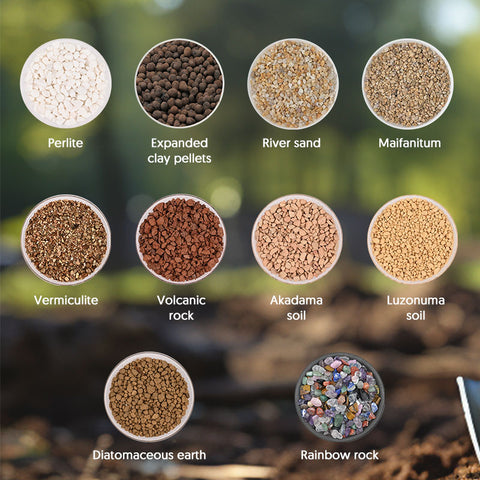
Perlite is the white, popcorn-like stuff in most bags, but it's mined and energy-intensive to produce. Pumice or expanded clay pebbles (LECA) do the same job with less impact. If you can find a local pumice source, you're also cutting out the carbon cost of shipping heavy rocks across the country.
Grit is crucial for drainage. Horticultural grit, decomposed granite, or even crushed lava rock are all good choices. The size of the grit matters – generally, a mix of particle sizes works best. Organic matter, while a smaller component in succulent soil, provides some nutrients and helps with water retention. Coconut coir is often suggested as a peat alternative, but it can be high in salts, so thorough rinsing is essential.
I've found that a blend of inorganic and organic components offers the best of both worlds. Too much organic matter and you risk compaction and root rot. Too little, and your succulents might struggle to get the nutrients they need. It’s about finding the sweet spot for your specific plants and environment.
- Drainage: Stops water from sitting around the roots and causing rot.
- Aeration: Allows roots to breathe and access oxygen.
- Water Retention: Provides necessary moisture without overwatering.
Zero-Waste Sourcing: Where to Find Your Mix Components
Sourcing materials responsibly is key to creating a truly eco-friendly succulent soil mix. Repurposing materials is a fantastic starting point. Crushed brick or terracotta pots can be used as a grit substitute. Pumice is often a byproduct of landscaping projects and can sometimes be obtained for free or at a low cost. Just ensure it hasn't been treated with any chemicals.
Local sourcing can significantly reduce your carbon footprint. Sand from a riverbed can be an option, but it’s essential to check local regulations and ensure you’re not disrupting the ecosystem. Removing sand from waterways is often illegal and can have damaging consequences. Many quarries or stone suppliers will sell decomposed granite or other suitable materials.
Composting is another valuable tool. While succulents don’t require heavy feeding, a small amount of well-rotted compost can provide beneficial nutrients. Worm castings are an excellent organic amendment. The cost of ingredients varies, but prioritizing repurposed and locally sourced materials can keep expenses down. A bag of perlite might be $20, while salvaged materials could be free.
Five recipes for custom mixes
Here are five recipes to get you started, keeping in mind that these are guidelines. Adjust based on your specific plants and climate. All percentages are by volume.
Fast-Draining Mix for Haworthias (25% organic, 75% inorganic): 15% Coconut Coir (rinsed), 30% Horticultural Grit, 30% Pumice, 10% Lava Rock. Haworthias prefer a drier environment, so this mix prioritizes drainage. The lava rock adds extra aeration.
Moisture-Retaining Mix for Sedums (40% organic, 60% inorganic): 20% Coconut Coir (rinsed), 10% Worm Castings, 30% Horticultural Grit, 30% Pumice. Sedums can tolerate more moisture than some other succulents, so this mix includes a higher proportion of organic matter.
Outdoor Mix for Hardy Succulents (30% organic, 70% inorganic): 15% Compost, 35% Horticultural Grit, 30% Pumice. Hardy succulents like Sempervivums need a mix that can withstand rainfall and temperature fluctuations. This mix provides excellent drainage and aeration.
General Purpose Mix (35% organic, 65% inorganic): 20% Coconut Coir (rinsed), 15% Worm Castings, 30% Horticultural Grit, 30% Perlite (or Pumice). This is a good starting point for many succulent varieties.
Mix for Lithops (20% organic, 80% inorganic): 10% Coconut Coir (rinsed), 40% Horticultural Grit, 40% Pumice. Lithops require extremely well-draining soil to prevent rot. This mix is heavily weighted towards inorganic components.
- Haworthias: 15% Coconut Coir, 30% Grit, 30% Pumice, 10% Lava Rock
- Sedums: 20% Coconut Coir, 10% Worm Castings, 30% Grit, 30% Pumice
- Hardy Succulents: 15% Compost, 35% Grit, 30% Pumice
- General Purpose: 20% Coconut Coir, 15% Worm Castings, 30% Grit, 30% Perlite
- Lithops: 10% Coconut Coir, 40% Grit, 40% Pumice
DIY Eco-Friendly Succulent Soil Mix Comparison
| Mix Name | Haworthia Suitability | Sedum Suitability | Outdoor Suitability | Drainage Rating (1-5) | Water Retention Rating (1-5) |
|---|---|---|---|---|---|
| Coarse Sand & Compost Mix | Yes | Yes | Limited | 4 | 3 |
| Pine Bark & Coconut Coir | Yes | Yes | Yes | 4 | 4 |
| Grit, Perlite & Leaf Mold | Yes | Yes | Yes | 5 | 2 |
| Worm Castings & Pumice Blend | Yes | No | Limited | 3 | 5 |
| Recycled Brick & Horticultural Sand | No | Yes | Yes | 5 | 3 |
| Coco Coir, Compost & Lava Rock | Yes | Yes | Yes | 4 | 4 |
Illustrative comparison based on the article research brief. Verify current pricing, limits, and product details in the official docs before relying on it.
Troubleshooting: Adjusting Your Mix for Success
If your mix isn’t draining well enough, add more grit or pumice. A good test is the 'squeeze test': squeeze a handful of the moistened mix. It should crumble easily and not form a solid clump. If it stays clumped, you need more inorganic material. Conversely, if your mix is drying out too quickly, increase the proportion of organic matter, but be cautious not to overdo it.
Root rot is a common problem caused by overly wet soil. Symptoms include mushy, discolored roots. Adjusting your soil mix is the first step in preventing it, but proper watering habits are also crucial. A "watering test" can help: water the plant and observe how quickly the water drains through the pot. If it takes a long time, your mix needs improvement.
I've seen many people struggle with finding the right balance. It takes experimentation. Don’t be afraid to adjust your recipe based on your observations. Keep a record of what you’ve done, so you can learn from your successes and failures. Remember, succulents are adaptable, but they thrive when their needs are met.
Beyond the Mix: Pots and Repotting Sustainably
The pot you choose is just as important as the soil mix. Terracotta pots are a sustainable option, as they are made from natural materials and allow for good aeration. Recycled plastic pots are another good choice, but ensure they have adequate drainage holes. Biodegradable pots, made from materials like coconut coir or rice hulls, are a relatively new option, but they break down over time.
Drainage holes are non-negotiable. Without them, water will accumulate at the bottom of the pot, leading to root rot. When repotting, gently remove the succulent from its old pot, being careful not to damage the roots. Remove as much of the old soil as possible, and then place the succulent in its new pot with your DIY mix.
Composting old soil is a great way to reduce waste. However, be cautious about using it directly in your succulent mix, as it may contain pathogens or pests. Instead, use it as an amendment in other garden beds. Repotting is best done during the growing season (spring or summer).
- Gently remove the succulent from its old pot.
- Remove as much of the old soil as possible.
- Place the succulent in a new pot with your DIY mix.
Long-Term Soil Health: Feeding and Refreshing
Even the best DIY succulent soil mix will benefit from occasional amendments. Worm castings and compost tea are excellent organic options for providing nutrients. Apply these sparingly, as succulents are not heavy feeders. Top dressing with a thin layer of worm castings can also help improve soil health.
Over time, the organic matter in your mix will break down, and the drainage may become compromised. It’s a good idea to refresh the mix every 1-2 years. This involves gently removing the succulent from its pot, removing some of the old soil, and adding fresh ingredients. This helps maintain proper drainage and aeration.
Avoid allowing fertilizer salts to build up in the soil. This can damage the roots. Leeching the soil by thoroughly watering it several times can help remove excess salts. Maintaining a healthy soil ecosystem is an ongoing process, but the benefits for your succulents are well worth the effort.
No comments yet. Be the first to share your thoughts!