

Succulent soil basics
Regular potting soil kills succulents. It holds too much water. These plants are from arid places where soil drains fast, and standard bags don't mimic that. It is a matter of survival for the plant.
The key issues are drainage and aeration. Succulent roots need air to breathe, and soggy soil suffocates them. Organic matter in typical potting soil, while beneficial for some plants, compacts and retains too much moisture for succulents. This leads to the biggest threat: root rot. Once root rot sets in, it's often difficult, if not impossible, to save the plant.
Healthy succulent soil isn’t just about avoiding root rot, though. It’s about providing the optimal environment for strong root development and overall plant health. A well-draining mix allows for efficient nutrient uptake and supports robust growth. Ignoring soil composition is the most common mistake new succulent owners make—and a costly one.
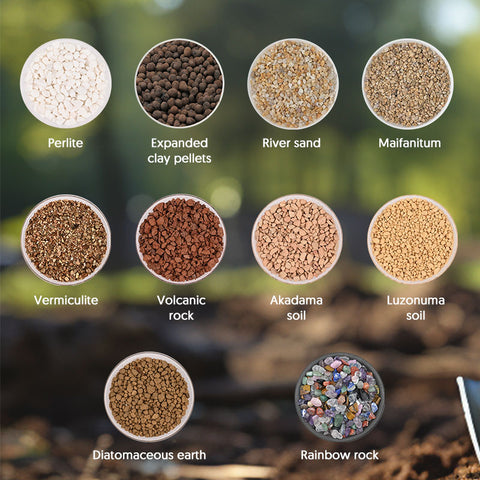
The core ingredients
Succulent soil is a mix of inorganic, organic, and mineral parts. The ratio of these parts matters more than the specific brands you buy. You need a balance that fits your specific home environment.
Inorganic materials – things like pumice, perlite, and lava rock – are the backbone of good drainage and aeration. Pumice is my personal favorite; it’s lightweight, holds some moisture without becoming soggy, and doesn’t float to the surface like perlite can. Perlite, while effective for drainage, can be dusty and doesn’t offer much in the way of structural support. Lava rock provides excellent drainage and adds weight to the mix, which can be helpful for top-heavy plants.
Organic matter, such as coco coir, compost, or bark, provides some nutrients and helps retain a small amount of moisture. However, it’s important to use it sparingly. Too much organic matter leads to compaction and poor drainage. Coco coir is a good option because it breaks down slower than peat moss, but even it needs to be balanced with plenty of inorganic material. Compost should be fully broken down and used in very small quantities.
Finally, mineral components like horticultural sand and grit (crushed granite or similar) add weight and further improve drainage. Avoid using play sand, as it’s often too fine and can compact. Grit provides excellent drainage and structure, and it’s especially beneficial for succulents that prefer a very gritty mix. Each component has its place, but finding the right balance is key.
Three DIY recipes to try
Creating your own succulent soil mix allows for complete customization and can be surprisingly cost-effective. Here are three recipes to get you started, tailored for different types of succulents. Remember, these are starting points; adjust the ratios based on your local climate and watering habits. A drier climate will likely require a slightly more moisture-retentive mix.
Beginner Mix: This is a forgiving mix, ideal for those new to succulent care. Combine 1 part potting mix (a good quality, peat-based mix is fine here), 1 part pumice, and 1 part horticultural sand. This provides a good balance of drainage and moisture retention. It's a solid all-arounder that works well for many common succulents.
All-Rounder Mix: For most succulents, this mix provides excellent drainage and aeration. Combine 2 parts pumice, 1 part coco coir, and 1 part horticultural grit. This mix is well-suited for echeverias, sedums, and haworthias. It’s a bit faster-draining than the beginner mix, making it less prone to overwatering issues.
Fast-Draining Mix: Ideal for cacti and succulents prone to rot, like aeoniums. Combine 3 parts pumice, 1 part horticultural grit, and a small amount of coco coir (about ¼ part). This mix prioritizes drainage above all else. It’s essential for areas with high humidity or for those who tend to overwater.
Sourcing quality ingredients is paramount. Look for pumice and perlite that are free of dust and debris. Horticultural sand should be coarse and angular, not fine and rounded. And always ensure your coco coir is thoroughly rinsed to remove any residual salts. Don't skimp on quality – your succulents will thank you.
Comparing store-bought brands
Pre-mixed soils are convenient, but quality is hit or miss. Many commercial bags have too much organic matter, which ruins drainage. Read the label before buying.
Look for mixes that prioritize inorganic materials. The ingredient list should feature pumice, perlite, or lava rock as primary components. Avoid mixes with a high percentage of peat moss, compost, or other organic matter. Drainage claims on the packaging are a good sign, but always double-check the ingredient list to confirm.
Brands like Miracle-Gro Cactus, Palm & Citrus Potting Mix (while widely available) often contain too much peat moss and aren't ideal for long-term succulent health. Espoma Cactus Mix is a slightly better option, with a higher proportion of perlite, but still benefits from amendment with additional pumice or grit. Mountain Crest Gardens offers several pre-mixed options specifically formulated for succulents, and generally provide a solid, well-draining base, though they are typically more expensive.
Price points for pre-mixed soils range from around $10 for a small 8-quart bag of Miracle-Gro to $25-$30 for a larger, higher-quality bag from Mountain Crest Gardens. Keep in mind that you may need to supplement these mixes with additional drainage materials, adding to the overall cost.
Featured Products
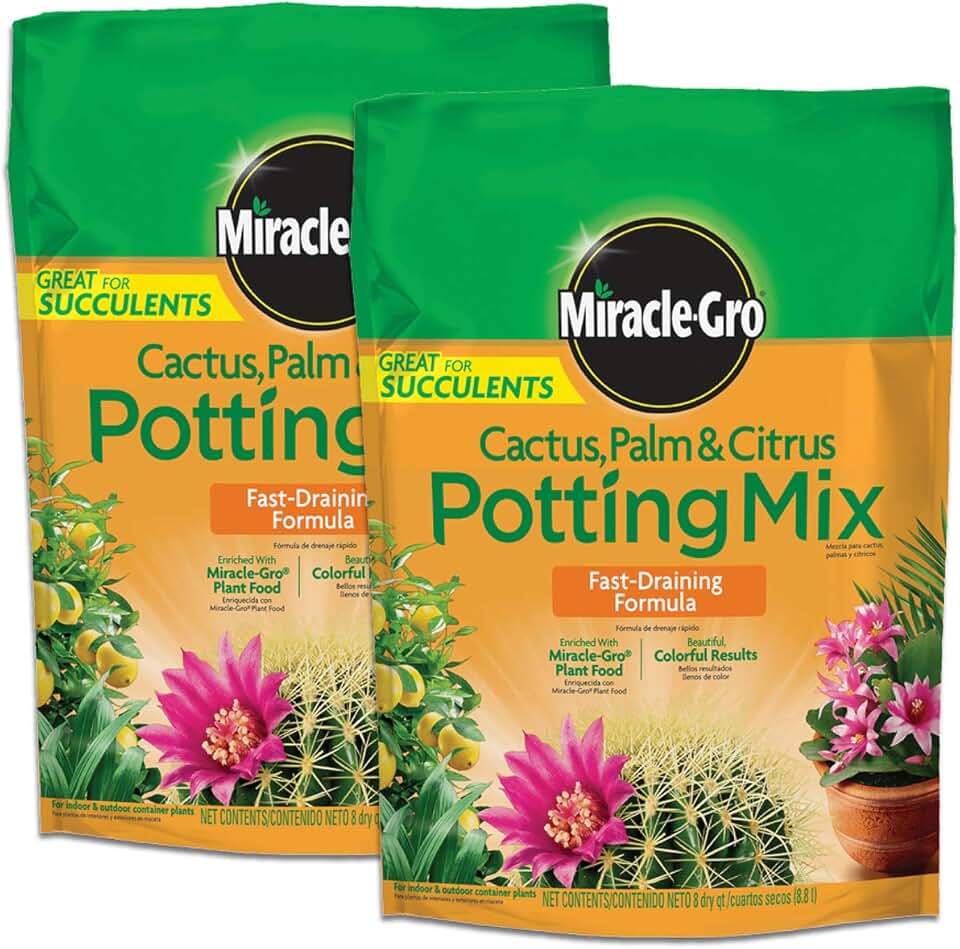
Specifically formulated for cacti, palms, and citrus plants · Suitable for both indoor and outdoor potted plants · Provides good drainage for succulents
This highly-rated succulent soil mix offers excellent drainage and aeration, crucial for preventing root rot and promoting healthy growth in your succulent plants, providing a convenient alternative to DIY recipes.

100% organic formulation · Designed for succulents and cacti · Provides premium nutrition for indoor and outdoor plants
This highly-rated succulent soil mix offers excellent drainage and aeration, crucial for preventing root rot and promoting healthy growth in your succulent plants, providing a convenient alternative to DIY recipes.
100% organic formulation · Designed for succulents and cacti · Provides premium nutrition for indoor and outdoor plants
This highly-rated succulent soil mix offers excellent drainage and aeration, crucial for preventing root rot and promoting healthy growth in your succulent plants, providing a convenient alternative to DIY recipes.
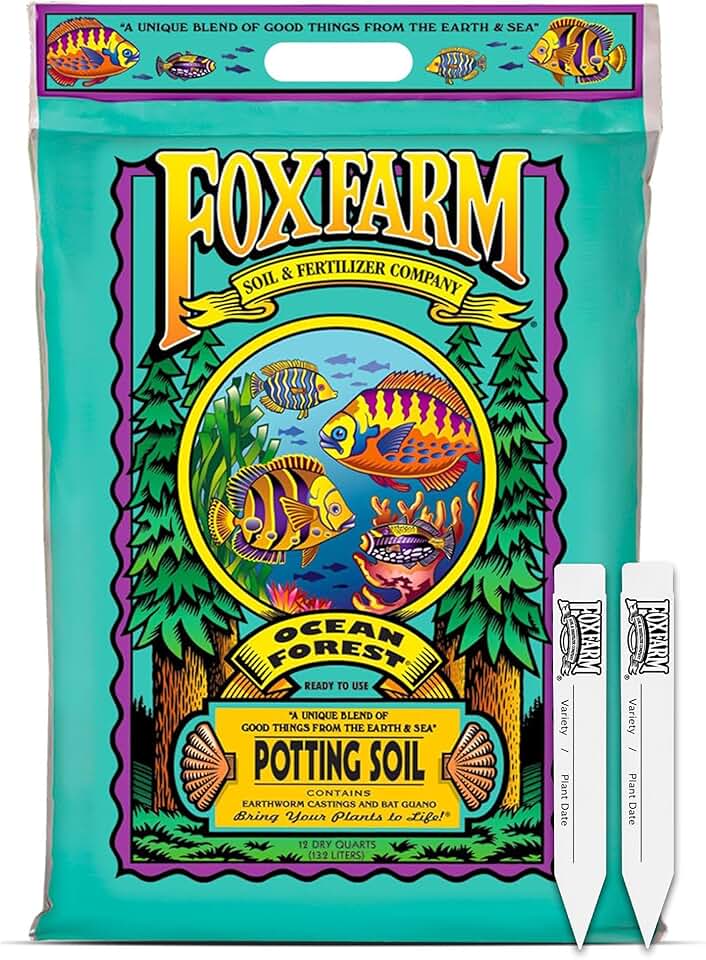
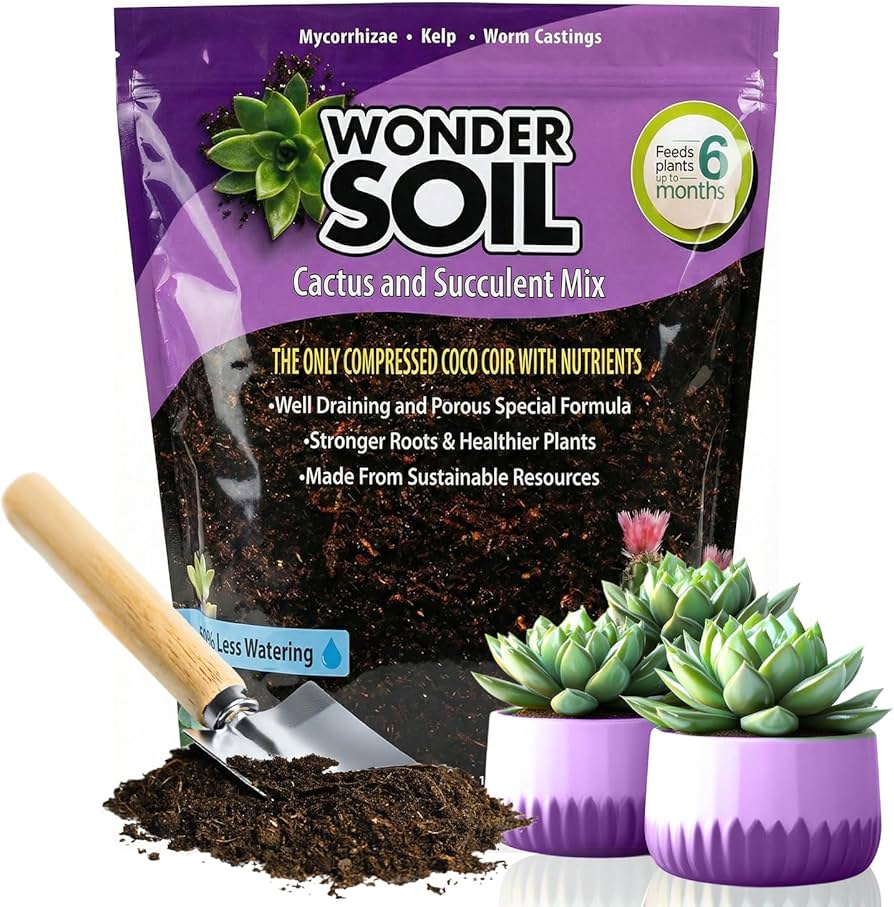
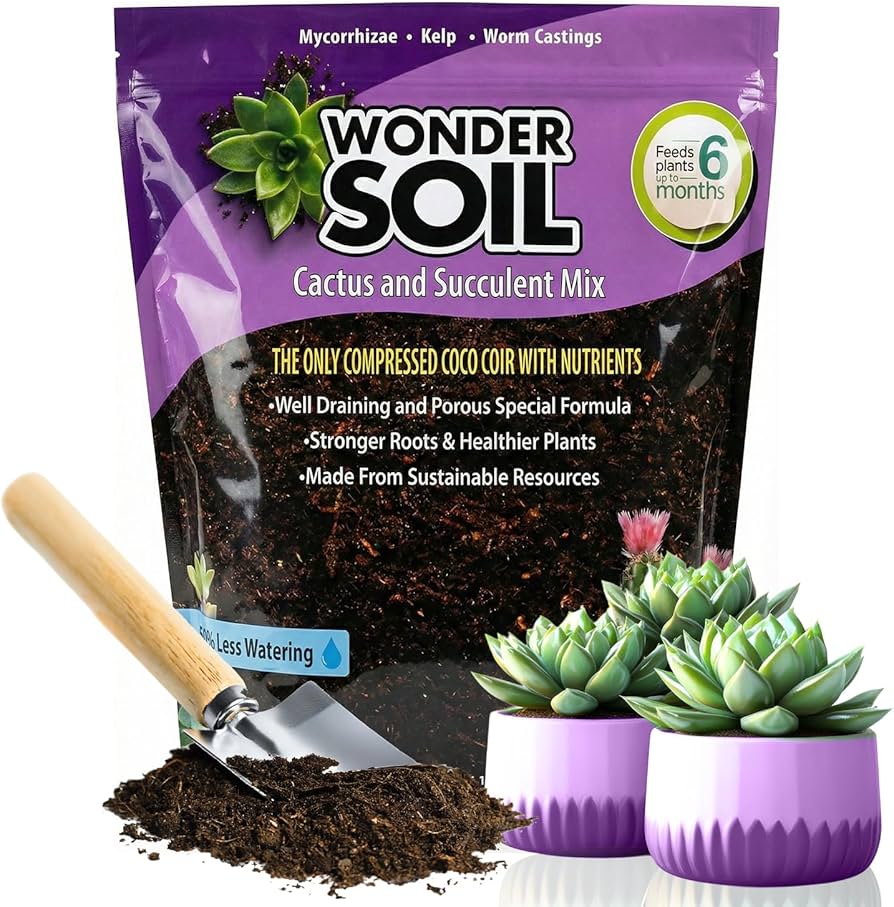
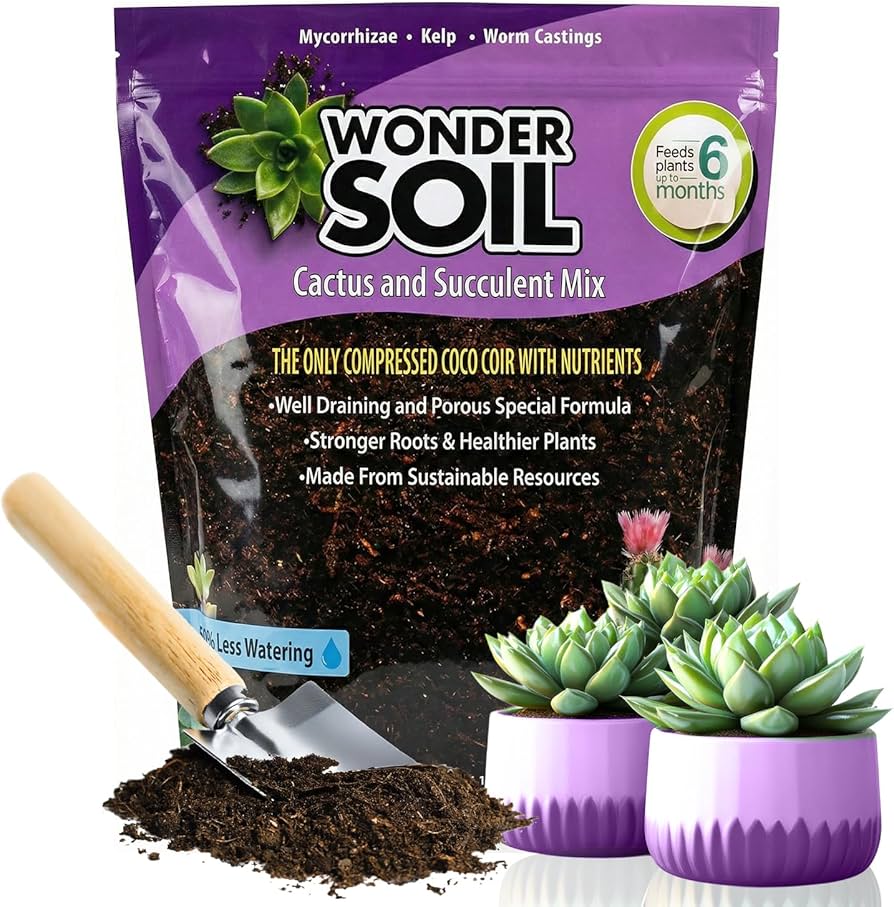
Light and aerated texture · Contains fish meal, crab meal, and earthworm castings · Ideal for seedlings and plant starts
This highly-rated succulent soil mix offers excellent drainage and aeration, crucial for preventing root rot and promoting healthy growth in your succulent plants, providing a convenient alternative to DIY recipes.
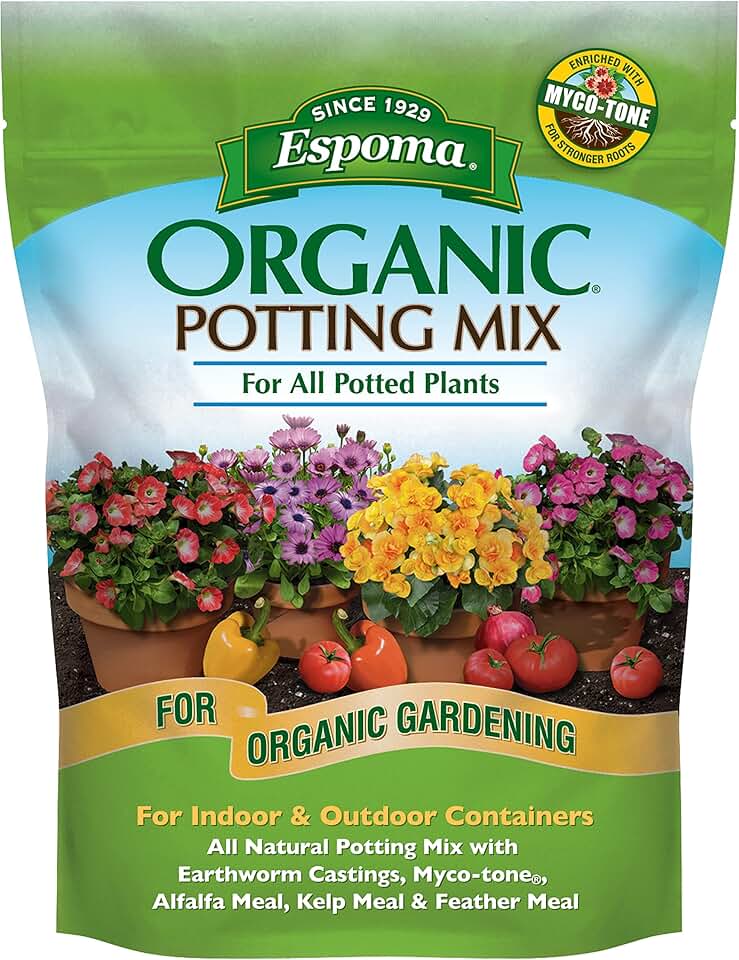
Organic potting mix · Suitable for all indoor and outdoor containers · Designed for herbs and vegetables, also suitable for succulents
This highly-rated succulent soil mix offers excellent drainage and aeration, crucial for preventing root rot and promoting healthy growth in your succulent plants, providing a convenient alternative to DIY recipes.
As an Amazon Associate I earn from qualifying purchases. Prices may vary.
Cost breakdown
Determining whether DIY or store-bought is more economical depends on the volume of soil you need and the initial investment in ingredients. For a single succulent or a small collection, a pre-mixed bag might be the most convenient option. However, for larger collections or frequent repotting, DIY is typically more cost-effective.
The initial investment for DIY includes purchasing pumice, perlite, coco coir, horticultural grit, and potentially horticultural sand. A large bag of pumice (100 quarts) can cost around $40-$60, while a similar-sized bag of perlite is typically $20-$30. Coco coir bricks are relatively inexpensive, around $15-$20 for several bricks. Grit can be the most expensive component, ranging from $30-$50 for a 50-pound bag.
Shipping costs can significantly impact the overall price, especially for heavier materials like pumice and grit. Local garden centers may offer these materials at a lower cost than online retailers, but availability can vary. Over time, the cost per gallon of DIY mix will be significantly lower than purchasing pre-mixed soil. A rough estimate suggests DIY can be 30-50% cheaper for larger volumes.
Soil for specific species
While the general guidelines above apply to most succulents, some species have unique soil requirements. Epiphytic succulents, like Rhipsalis, are often grown mounted on wood or in baskets and need an extremely airy mix. A blend of orchid bark, perlite, and a small amount of coco coir is ideal.
Lithops, the 'living stones', require a particularly gritty mix that mimics their native rocky habitat. A blend of 60% grit, 20% pumice, and 20% coco coir provides excellent drainage and aeration. These exceptions highlight the importance of researching the specific needs of your succulents. Taking the time to tailor the soil to each plant will significantly improve its health and vigor.
No comments yet. Be the first to share your thoughts!