

Succulents: A Visual Guide
Succulents appeal to plant lovers because they’re easy to care for and have fascinating shapes. They store water in their leaves, stems, and roots, letting them survive dry climates and giving them their plump, unusual look.
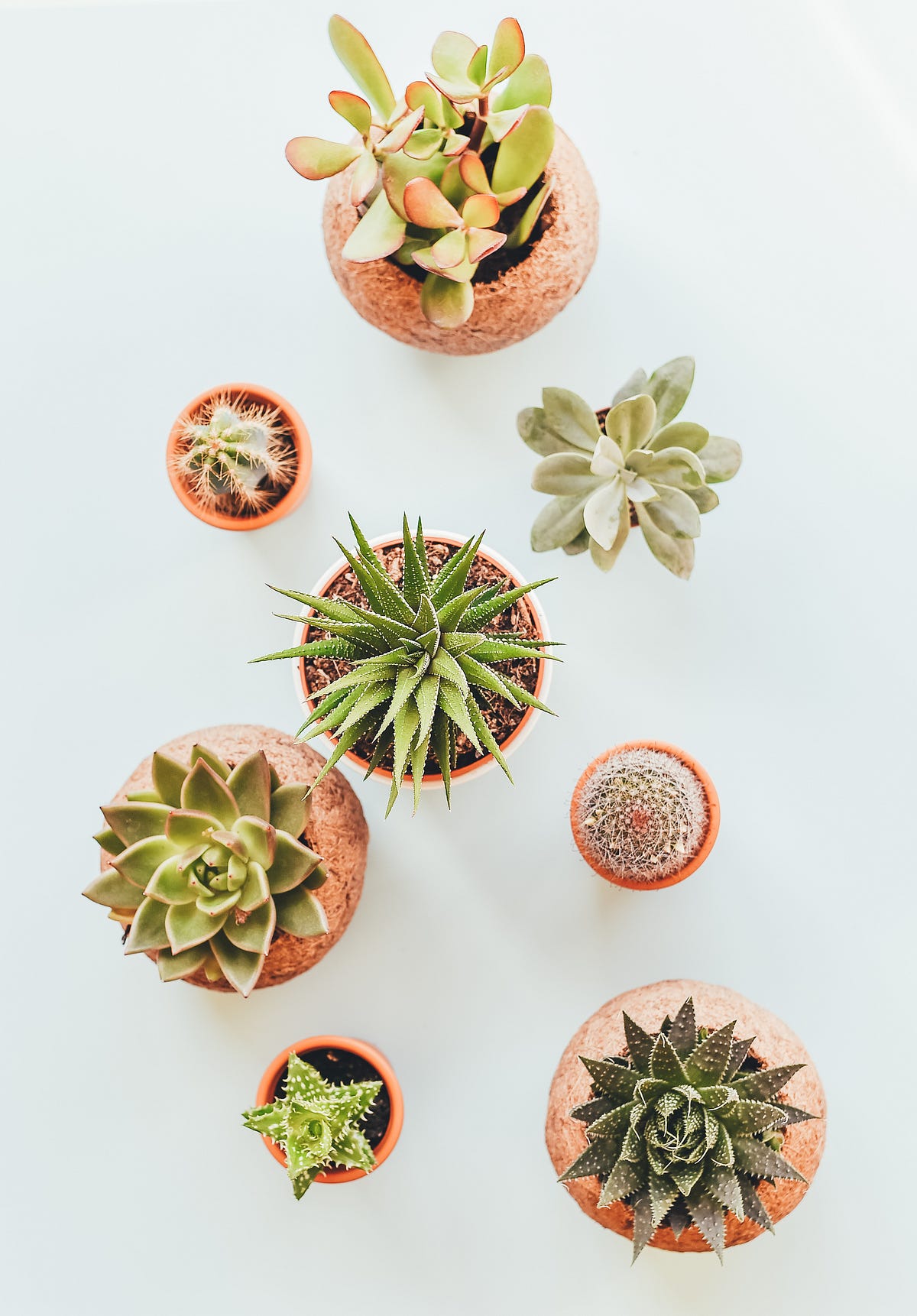
What does 'succulent' actually look like? It's a broader category than many realize, going beyond just the stereotypical aloe or cactus. Succulents come in a wide array of shapes, sizes, and colors. Some grow in tight rosettes, others trail, and some stand upright like miniature trees. Textures range from smooth and waxy to fuzzy and spiny.
Consider an Echeveria, its leaves forming a geometric spiral. Picture a Sedum, cascading over a pot's edge. Or a Haworthia, with translucent "windows" that let light filter through. These forms help in identifying succulents.
First, recognize the broad strokes – the overall form and texture. Don't focus on specific names yet. Appreciate the diversity within the succulent world. The more you look, the more you'll notice.
Echeveria: Rosette Royalty
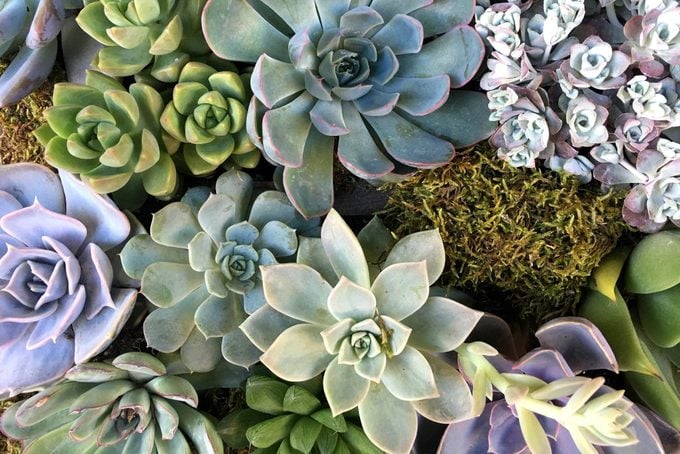
Many new succulent owners start with an Echeveria. They are recognizable and beloved. The classic Echeveria form is a rosette – a circular arrangement of leaves from a central point. This shape is pleasing, and the variations within the genus are many.
Colors vary widely. "Perle von Nürnberg’ has powdery blue-purple leaves. ‘Lola’ offers pinks and greens. ‘Black Prince" has almost black, sculpted leaves. More sun generally means more intense colors.
Leaf texture varies. Some Echeverias have smooth, waxy leaves; others have a fine, white bloom that looks frosted. This bloom acts as a natural sunscreen. Don't wash it off; it benefits the plant.
Echeverias are generally easy to care for but prone to overwatering. Root rot is common, so use well-draining soil and let it dry out completely between waterings. Avoid getting water on the leaves, as this can also lead to rot. A little neglect is often better than too much attention.
Sedum: Stonecrop Versatility
The Sedum genus, or stonecrop, is diverse. Unlike many succulents that prefer a contained form, Sedums are adaptable and sprawling. You'll find trailing varieties for hanging baskets, upright forms for gardens, and low-growing groundcovers.
"Autumn Joy’ is an upright Sedum known for its pink flowers that deepen to rusty red in fall. ‘Burrito’ (Sedum morganianum) is a trailing variety with plump, sausage-shaped leaves. ‘Angelina" has bright, golden-yellow foliage.
Sedums generally require less water than Echeverias. They tolerate drought well and prefer leaner soil. This makes them a good choice for those who tend to underwater. They still need well-draining soil to prevent root rot.
Their adaptability works well in landscaping. Sedums are used in rock gardens, thriving in rocky, well-drained conditions. They also make excellent ground cover, suppressing weeds and adding texture.
Haworthia: Zebra Plant Charm
Haworthias differ from other succulents discussed. They have unique translucent "windows" on their leaves. These windows let light penetrate the inner tissues for photosynthesis, an adaptation to their native South African habitat.
Haworthia attenuata, commonly known as the Zebra Plant, is perhaps the most recognizable Haworthia. It features dark green leaves adorned with raised, white stripes resembling zebra markings. Haworthia cooperi, on the other hand, has more rounded leaves and a more subtle pattern.
Unlike many succulents, Haworthias prefer lower light conditions. Direct sunlight can scorch their leaves, so they’re best suited for a bright, indirect light location. This makes them a good choice for indoor growing. They're a great option if you don't have a particularly sunny space.
Haworthias are also slow growers. Don’t expect rapid growth or dramatic changes. This slower pace means they require less frequent repotting and are generally quite low-maintenance. Patience is key with these charming little plants.
Aloe: Medicinal & Architectural
The Aloe genus is famous for its medicinal properties, particularly Aloe vera. For centuries, the gel inside Aloe vera leaves has been used to soothe burns, heal wounds, and moisturize skin. It’s a staple in many households for its first-aid benefits.
Beyond Aloe vera, there are many other visually striking Aloes. Aloe aristata, for example, features spiky leaves with delicate white markings. These plants have a strong architectural presence, adding a sculptural element to any space.
Aloes generally prefer bright, indirect light and well-draining soil. They’re relatively drought-tolerant, but they do appreciate regular watering during the growing season. Be careful not to overwater, as this can lead to root rot.
If you’re harvesting Aloe vera gel, be sure to use a clean, sharp knife to cut a leaf from the base of the plant. Allow the yellow sap (aloin) to drain out before using the gel, as aloin can be irritating to the skin.
Crassula: Jade Plants & Beyond
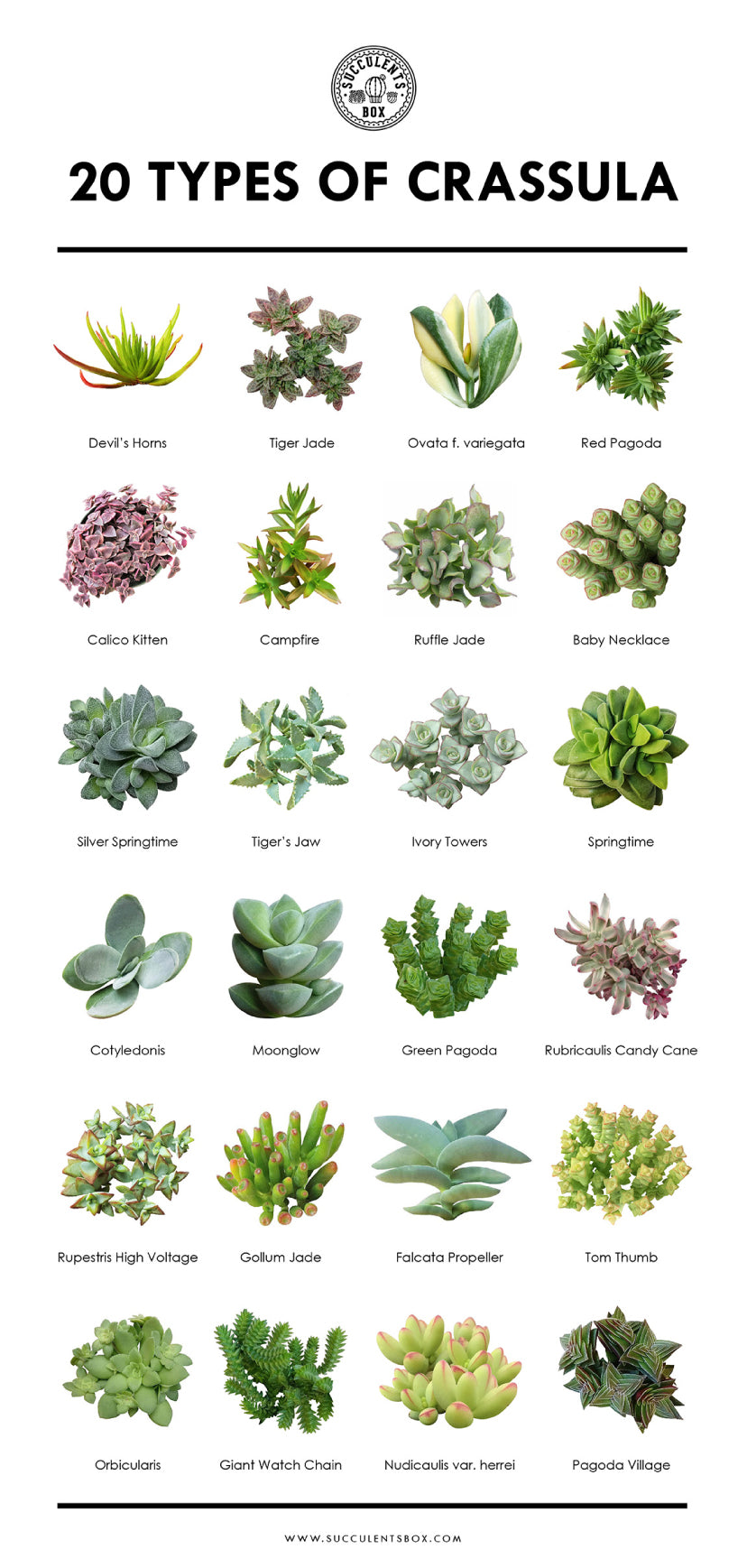
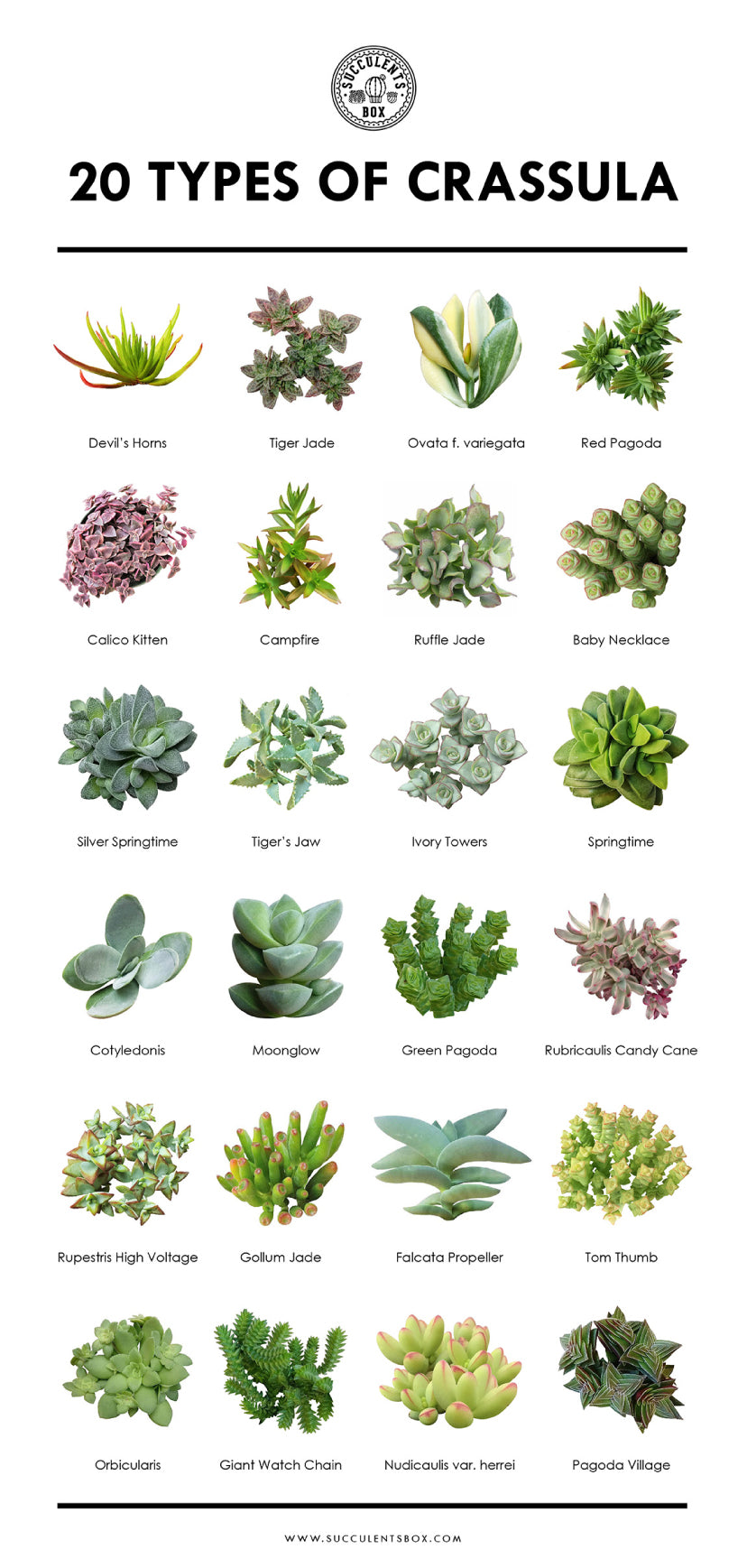
Crassula is a large genus that includes the ever-popular Jade Plant (Crassula ovata). Jade Plants are often given as gifts, symbolizing good luck and prosperity. Their thick, glossy leaves and tree-like form make them a classic choice.
There are several different varieties of Jade Plants, ranging in color from deep green to variegated with white or yellow. Some varieties are more compact, while others can grow into substantial shrubs. The shape of the leaves can also vary, from rounded to pointed.
Beyond the Jade Plant, Crassula also includes other interesting varieties like Crassula perforata, commonly known as the String of Buttons. This plant features leaves that are fused together, creating a unique, button-like appearance.
Jade Plants are relatively easy to care for, but they can be prone to leaf drop if they’re overwatered or stressed. They prefer bright, indirect light and well-draining soil. A little bit of fertilizer during the growing season can help them thrive.
Crassula Corner: Test Your Jade Plant & String of Buttons Knowledge
So, you've read our guide to 15 popular succulents and are ready to put your identification skills to the test? This quiz will focus on the *Crassula* genus, specifically popular varieties like Jade Plants and *Crassula perforata* (String of Buttons). Get ready to identify these beauties!
Graptopetalum & Graptoveria: Hybrids & Hues
Graptopetalum and Graptoveria are closely related genera, with a bit of a twist. Graptoverias are actually hybrids created by crossing plants from the Graptopetalum and Echeveria genera. This hybridization results in some truly stunning and unique succulents.
One of the most striking characteristics of both Graptopetalum and Graptoveria is their beautiful pastel colors. You’ll often find shades of pink, lavender, and peach, especially when the plants are exposed to bright light. These colors can shift and change depending on the growing conditions.
Graptopetalum paraguayense, commonly known as the Ghost Plant, is a popular variety. It features pale, silvery-gray leaves that create a ghostly appearance. Graptoveria "Fred Ives" is another favorite, with its striking combination of pink, purple, and green hues.
These hybrids generally require similar care to Echeverias – bright, indirect light, well-draining soil, and infrequent watering. They’re relatively easy to propagate from leaf cuttings, making them a rewarding choice for plant enthusiasts.
Less Common, But Worth Knowing
While Echeverias and Sedums are popular for good reason, the succulent world extends far beyond these familiar faces. Exploring some of the less common varieties can be incredibly rewarding. These plants often offer unique textures, shapes, and care requirements.
Senecio rowleyanus, commonly known as String of Pearls, is a trailing succulent with bead-like leaves that resemble a string of pearls. It requires bright, indirect light and well-draining soil, and it’s prone to root rot if overwatered. It's a real showstopper when given the right conditions.
Rhipsalis, also known as Mistletoe Cactus, is an epiphytic cactus that grows in trees in its native habitat. It features long, trailing stems covered in small, green segments. It prefers bright, indirect light and regular watering, making it a bit different from other succulents.
Lithops, often called Living Stones, are fascinating succulents that resemble small pebbles. They’re native to South Africa and have adapted to survive in harsh, arid conditions. They require very little water and prefer bright, indirect light. They can be tricky to grow, but incredibly rewarding.
Haworthiopsis attenuata is a small, slow-growing succulent with translucent leaves. It prefers bright, indirect light and well-draining soil. It’s a great choice for beginners, as it’s relatively easy to care for.
Finally, consider Euphorbia obesa, a spherical succulent with ribbed stems. It prefers bright, indirect light and well-draining soil. Be careful when handling it, as the sap can be irritating to the skin.
Comparison of Less Common Succulent Varieties (2026)
| Succulent Variety | Light Requirements | Water Needs | Care Difficulty | Unique Visual Features |
|---|---|---|---|---|
| Sedum morganianum (Burro's Tail) | Bright, Indirect | Low | Medium | Trailing stems with plump, blue-green leaves resembling a donkey's tail. |
| Crassula ovata 'Gollum' (Gollum Jade) | Bright, Indirect | Low | Simple | Distorted, finger-like leaves with a reddish tinge, resembling the character Gollum. |
| Haworthia cooperi (Window Haworthia) | Bright, Indirect | Low | Simple | Translucent 'windows' on leaves allowing light penetration for photosynthesis. |
| Senecio rowleyanus (String of Pearls) | Bright, Indirect | Low | Medium | Trailing stems with spherical, pearl-like leaves. |
| Echeveria 'Lola' | Full Sun to Partial Shade | Medium | Medium | Rosette-shaped with powdery, lavender-pink leaves. |
| Graptopetalum paraguayense (Ghost Plant) | Full Sun to Partial Shade | Low | Simple | Pale, greyish-white rosette leaves that appear almost translucent. |
| Aloe polyphylla (Spiral Aloe) | Bright, Indirect | Medium | Complex | Unique spiral arrangement of leaves in a rosette form. |
Illustrative comparison based on the article research brief. Verify current pricing, limits, and product details in the official docs before relying on it.
No comments yet. Be the first to share your thoughts!