

Early signs of overwatering
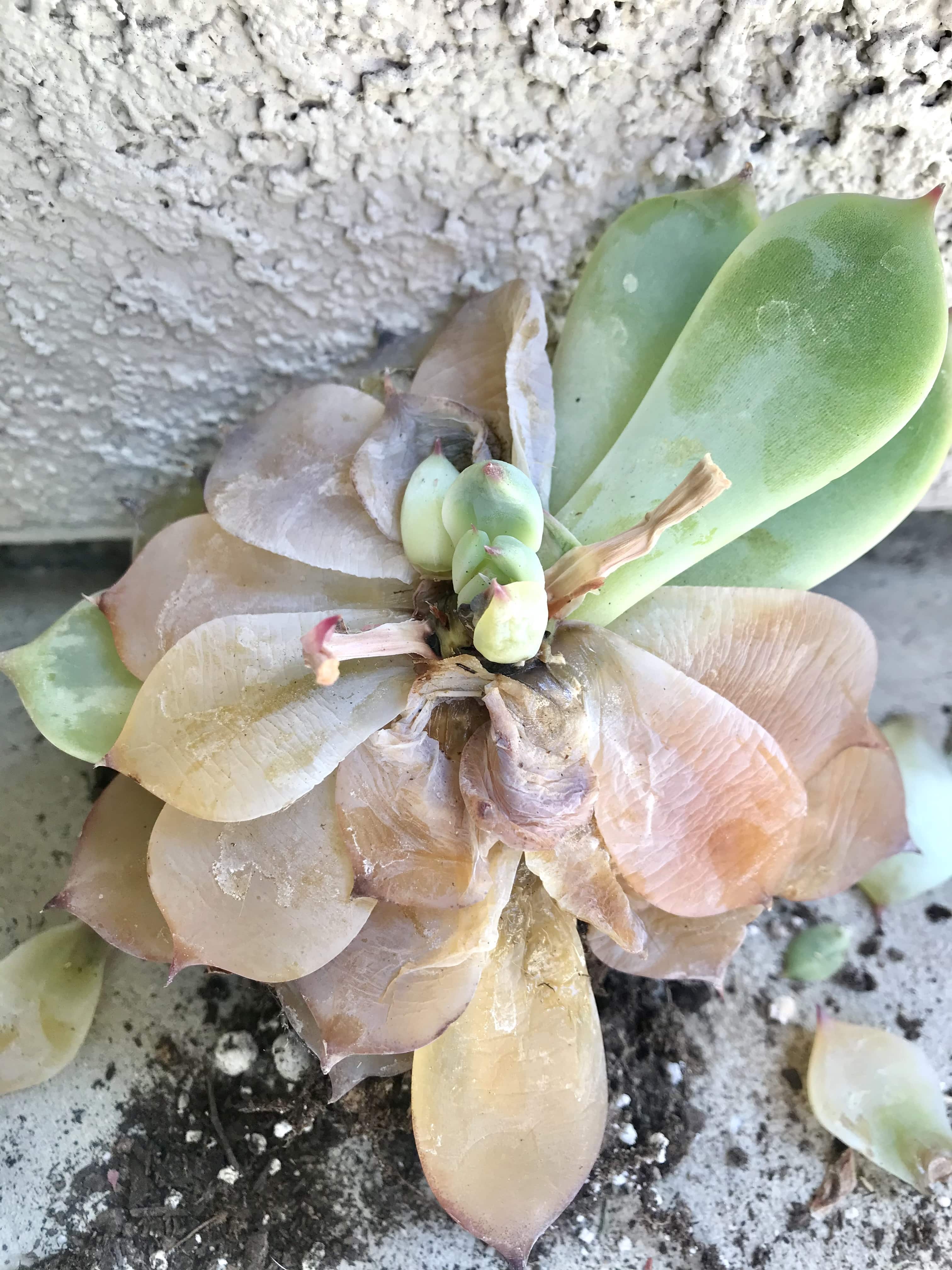
Overwatering kills more succulents than drought does. It’s easy to mistake a wilting leaf for a thirsty one, but adding more water to a struggling plant usually finishes it off. Watch for leaves that look translucent or glassy. If they lose their matte finish and start looking like wet grapes, stop watering immediately.
A key indicator is leaf softness. Healthy succulent leaves are firm and plump. Overwatered leaves will feel squishy or mushy to the touch, especially near the base of the plant. This isn't the same as a slightly wrinkled leaf from thirst. Also, pay attention to the stem; a normally firm stem will become soft and pliable if the plant is consistently sitting in wet soil.
Different succulents display these signs differently. Thicker-leaved varieties like Echeverias might show early signs as a slight yellowing and softening, while thin-leaved succulents like Sedums can quickly turn black and mushy. Knowing what your plant normally looks like is the best way to spot these changes. Don’t wait for leaves to fall off – that's a sign the problem is already advanced.
How roots suffocate
Succulent roots need to breathe. In the wild, they live in grit and sand that dries out in hours. When they sit in heavy, wet soil, the roots suffocate. Without air, the tissue breaks down and starts to rot.
This decay is what we call root rot. It’s usually caused by fungal or bacterial pathogens that flourish in wet conditions. These pathogens attack the weakened roots, spreading the rot upwards into the stem and eventually killing the entire plant. Root rot isn't always visible immediately; it often starts beneath the soil surface.
Succulents have some natural defenses against these pathogens, but they can be overwhelmed by prolonged exposure to soggy conditions. The plant essentially "drowns’ even though it"s not submerged in water. The lack of oxygen prevents the roots from absorbing water and nutrients, leading to further decline and the visible symptoms we discussed earlier.
Immediate recovery steps
If you suspect overwatering, act quickly. The first step is to remove the succulent from its pot. Gently ease the plant out, being careful not to damage the roots further. Inspect the root system thoroughly. Healthy roots are firm and light in color – usually white or tan. Rotten roots are dark, mushy, and may have a foul odor.
Using sterilized pruning shears or a sharp knife, carefully prune away all the rotten roots. Don't hesitate to be aggressive; leaving even a small amount of rot can lead to its return. Sterilize your tools with rubbing alcohol between cuts to prevent spreading the infection to healthy tissue. It’s better to remove too much than to leave any rot behind.
If the stem is also showing signs of rot, you may need to take a healthy cutting from the plant. Allow the cut end to callous over for a few days before planting it in fresh soil. Sometimes, you have to sacrifice parts of the plant to save the rest. This can be heartbreaking, but it’s often the only way to prevent total loss. Remember, a small, healthy cutting can often be propagated into a new plant.
Finally, consider a fungicide treatment. While not always necessary, a systemic fungicide can help prevent the spread of any remaining pathogens. Follow the instructions on the product label carefully. I've had good results with products containing propiconazole, but there are other options available.
- Pull the plant out of the pot to check the damage.
- Inspect the roots for rot
- Prune away all rotten roots with sterilized tools
- If necessary, take a healthy cutting and allow it to callous
- Consider a fungicide treatment
The right soil mix
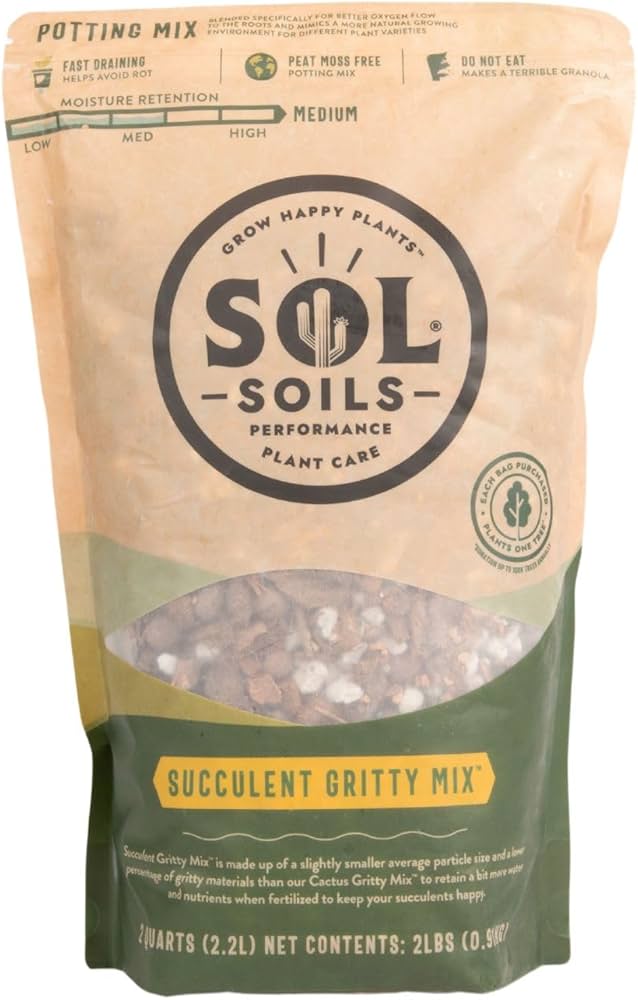
The most important thing you can do to prevent overwatering is to use a well-draining soil mix. Regular potting soil retains too much moisture and will quickly lead to root rot. A good succulent mix should contain a combination of mineral components like sand, perlite, and pumice.
I recommend a mix that’s roughly one-third potting soil, one-third coarse sand, and one-third perlite or pumice. Pumice tends to hold a little more water than perlite, so adjust the ratio accordingly based on your climate and watering habits. Avoid using fine sand, as it can compact and hinder drainage.
Pot material also matters. Terracotta pots are porous and allow for better airflow, which helps the soil dry out more quickly. Plastic pots retain more moisture, so they require more careful watering. Always ensure your pot has drainage holes. Don’t fall for the trend of pots without drainage; they’re a recipe for disaster. And be wary of 'cactus mix' – many commercially available mixes still contain too much organic matter.
Potting Mix Component Comparison for Succulent Drainage & Health
| Component | Drainage | Aeration | Water Retention | Cost |
|---|---|---|---|---|
| Sand (Coarse) | Good | Good | Poor | Lower |
| Perlite | Very Good | Very Good | Poor | Moderate |
| Pumice | Good | Good | Okay | Moderate to Higher |
| Coco Coir | Okay | Okay | Better for water retention | Moderate |
| Vermiculite | Poor | Okay | High | Moderate |
| Gravel/Rock | Very Good | Good | Very Poor | Moderate to Higher |
| Bark Fines | Good | Good | Okay | Moderate |
Qualitative comparison based on the article research brief. Confirm current product details in the official docs before making implementation choices.
Drying Out & Aftercare: Patience is Key
After repotting, resist the urge to water your succulent immediately. The roots need time to heal and recover. Place the plant in a warm, dry location with bright, indirect light. Avoid direct sunlight, which can stress the plant further. Ideal temperatures are between 65-80°F (18-27°C).
Slowly reintroduce water after a week or two, but only when the soil is completely dry. Check the soil moisture by sticking your finger a couple of inches into the mix. If it feels even slightly damp, wait a few more days. When you do water, soak the soil thoroughly and then allow it to drain completely.
Keep an eye out for potential complications like fungal infections. If you notice any white, powdery growth on the leaves or stem, treat it with a fungicide. Recovery can take weeks or even months, so be patient and consistent with your care. Don’t give up hope too soon.
Preventing Future Disasters: Watering Schedules
The "soak and dry" method is the gold standard for succulent watering. This means watering thoroughly until water drains from the bottom of the pot, and then allowing the soil to completely dry out before watering again. Avoid frequent, shallow watering, as this encourages shallow root growth and increases the risk of root rot.
Watering frequency will vary depending on the season, climate, and type of succulent. During the growing season (spring and summer), you may need to water more frequently than in the dormant season (fall and winter). Hot, dry climates will require more frequent watering than cool, humid climates.
Adjust your watering schedule based on your environment. If you live in a humid area, you’ll need to water less often than if you live in a dry area. Pay attention to the signals your plants are sending you – wilting leaves, softening leaves, or changes in color can all indicate that it’s time to water or to hold back.
- Use the 'soak and dry' method
- Adjust frequency based on season and climate
- Pay attention to plant signals
When to Give Up: Recognizing Unrecoverable Damage
Sometimes, despite your best efforts, a succulent is too far gone to save. If the root rot is extensive, the stem is completely rotted, or the leaves are irreversibly damaged, it may be time to accept that the plant isn’t going to recover. Don't feel discouraged; even experienced succulent growers lose plants sometimes.
As a last-ditch effort, you can try propagating healthy leaves or cuttings from the plant. Even if the main plant is beyond saving, you may be able to salvage some parts and start new ones. However, don't invest too much time and effort into a plant that is clearly declining. It’s better to focus your energy on healthy specimens.


No comments yet. Be the first to share your thoughts!