

succulents in 2026: a changing climate
Succulent care is changing. Five years ago, you could rely on a steady rhythm, but 2026 is bringing warmer winters and erratic rain that throws off traditional growth cycles. If you're still using your 2020 watering schedule, your plants are likely struggling. We have to adjust to the weather we actually have, not the weather we used to expect.
These changes aren't uniform. The Southwest US is experiencing prolonged drought, while the Pacific Northwest is seeing more frequent heavy rainfall events. Even areas with traditionally moderate climates are noticing hotter peaks and milder winters. This means a one-size-fits-all watering schedule simply won’t cut it. A calendar-based approach, tailored to your specific microclimate, is becoming essential.
I've found that paying closer attention to the actual conditions – soil moisture, temperature fluctuations, and humidity levels – is far more valuable than sticking rigidly to a set schedule. Succulents are adaptable, but they need us to respond to their needs in a changing environment. This guide will focus on providing a month-by-month framework, but remember to always observe your plants closely.
The good news is that succulents, by their nature, are well-equipped to handle periods of drought. However, these increasingly erratic weather patterns mean we need to be proactive in protecting them from both underwatering and overwatering. Understanding their seasonal cycles and adjusting our care accordingly is the key to keeping them healthy.

january and february: dormancy and minimal water
January and February are typically months of dormancy for many succulent species. This is a natural resting period where growth slows significantly, and the plant conserves energy. Recognizing the signs of dormancy is the first step – you’ll notice slower growth, leaves may become slightly less vibrant, and some plants might even change color, often developing reddish or purple hues.
During these months, drastically reduce watering. In many cases, you can almost completely withhold water, especially for plants kept in cool, dark locations. The goal is to keep the soil dry, mimicking the natural conditions they would experience in their native habitats. Overwatering during dormancy is a surefire way to cause root rot.
However, be mindful of etiolation. If your succulents aren’t receiving enough light during dormancy, they may start to stretch and become leggy as they reach for any available illumination. Supplemental lighting can be helpful in these situations. Keep an eye out for pests as well. It’s a good time to do a final check before dormancy truly sets in.
For those in colder climates, protecting succulents from frost is paramount. Bring potted plants indoors or provide adequate covering for those planted in the ground. Even a brief frost can damage sensitive species. Remember, dormancy isn’t a death sentence, but a period of rest that sets the stage for vigorous growth in the spring.
March & April: Awakening and Gradual Increase
As March arrives, and especially into April, succulents begin to awaken from their dormancy. This transition requires a gradual increase in watering. Don’t jump straight back to your summer watering schedule; it’s a recipe for root rot. Start by lightly moistening the soil, allowing it to dry out completely before watering again.
Monitoring soil moisture is crucial during this period. A simple finger test – sticking your finger about an inch into the soil – is a surprisingly effective method. If it feels dry, it’s time to water. If it’s still damp, hold off. The type of pot also matters; terracotta pots dry out faster than plastic ones.
Around mid-April, you can begin to introduce a diluted fertilizer. I prefer a balanced fertilizer, such as a 10-10-10 formula, diluted to half strength. Avoid over-fertilizing, as this can burn the roots. This is also an excellent time to consider repotting, especially if your succulent has outgrown its current container. Fresh soil provides essential nutrients for the upcoming growing season.
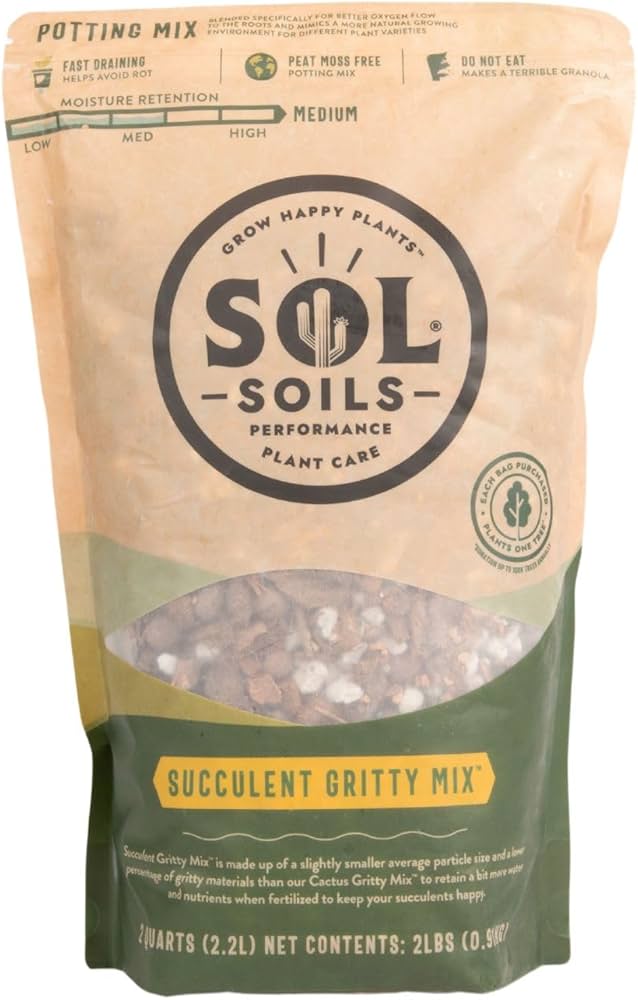
Repotting allows you to inspect the roots for any signs of rot or damage. Choose a well-draining potting mix specifically formulated for succulents and cacti. Remember, healthy roots are the foundation of a thriving plant. As the days lengthen and temperatures rise, continue to gradually increase watering frequency, always paying attention to your plant’s individual needs.
- Check soil moisture before each watering.
- Use diluted fertilizer (10-10-10 at half strength).
- Consider repotting into fresh, well-draining soil.
- Monitor for signs of new growth.
may through july: peak growth and heat
May, June, and July represent the peak growing season for most succulents. Watering needs will be at their highest during these months, but that doesn’t mean you should water indiscriminately. The frequency will depend on your climate, the type of succulent, and the pot material.
Succulents in terracotta pots will generally require more frequent watering than those in plastic pots, as terracotta is porous and allows for faster evaporation. In hot, dry climates, you may need to water several times a week, while in more temperate climates, once a week may suffice. Always adjust based on soil moisture and plant appearance.
Heat stress is a major concern during these months. Signs of heat stress include sunburn (white or brown patches on leaves), wilting, and leaf drop. To mitigate heat stress, provide shade during the hottest part of the day, especially for succulents that aren’t accustomed to full sun. Increased ventilation can also help.
Intense afternoon sun will scorch leaves in hours. Use a 40% shade cloth or move pots behind taller plants during the 2:00 PM peak. If you use a greenhouse, keep the air moving with fans; stagnant heat is a killer. Watch for wilting—it's the first sign the roots are cooking.
August & September: Transitioning to Fall
As August transitions into September, it’s time to begin preparing your succulents for fall and the eventual return to dormancy. Start by gradually reducing watering frequency. The days are getting shorter, and temperatures are cooling down, so your succulents won’t need as much water.
Some succulent species may experience a second flush of growth in early fall, especially if the weather remains warm. Don’t be alarmed; this is a natural phenomenon. Continue to monitor soil moisture and water as needed, but be mindful of the changing seasons.
Preparing for shorter days and cooler nights is crucial. Ensure your succulents are receiving adequate light, either through natural sunlight or supplemental lighting. Reduce fertilizer application, as the plant is slowing down its growth rate.
Not every plant hits the brakes at the same time. A Haworthia might wake up just as an Echeveria slows down. Check the center of the rosette; if new leaves stop appearing, cut the water back immediately.
- Reduce watering frequency.
- Monitor for a potential second growth flush.
- Ensure adequate light.
- Reduce fertilizer application.
Succulent Stress Diagnosis
| Sign | Possible Cause | Action |
|---|---|---|
| Sunburn | Excessive direct sunlight, especially during peak hours. | Move to a location with filtered light or provide shade during the hottest part of the day. Monitor for worsening damage. |
| Wilting | Underwatering, root rot (from overwatering), or transplant shock. | Check soil moisture. If dry, water thoroughly. If soggy, investigate for root rot and address accordingly. If recently transplanted, provide consistent, gentle care. |
| Soft/Mushy Leaves | Overwatering leading to rot, or fungal infection. | Reduce watering frequency. Improve air circulation. Remove affected leaves. Consider a fungicide if the problem persists. |
| Etiolation (stretched growth, pale color) | Insufficient light. | Move the succulent to a brighter location. Supplemental grow lights can be used if natural light is limited. |
| Pest Infestation (mealybugs, aphids, scale) | Presence of visible pests on leaves or stems. | Isolate the affected plant. Manually remove pests where possible. Treat with insecticidal soap or neem oil, following product instructions carefully. |
| Brown, Crispy Leaves | Underwatering or low humidity. | Increase watering frequency slightly, but avoid overwatering. Consider grouping succulents together to increase humidity or using a pebble tray. |
| Leaf Drop | Natural shedding of older leaves, overwatering, underwatering, or sudden environmental changes. | Assess watering habits and environmental conditions. Ensure consistent care and avoid drastic changes. |
Illustrative comparison based on the article research brief. Verify current pricing, limits, and product details in the official docs before relying on it.
October & November: Preparing for Winter
October and November are all about preparing your succulents for winter dormancy. If you live in a region with cold winters, now is the time to bring outdoor succulents indoors or provide adequate protection from frost. Even hardy succulents can benefit from some protection during prolonged cold snaps.
Adjust watering for indoor succulents. They will require significantly less water during the winter months due to reduced light and evaporation. Overwatering is a common problem during this time, so err on the side of dryness. Pest control is also important before bringing plants indoors. Inspect your succulents carefully for any signs of pests and treat them accordingly.
Acclimating succulents to indoor conditions can take time. Gradually transition them from outdoor to indoor light levels to avoid shock. Start by placing them in a bright, indirect location and slowly move them to their final indoor spot. Monitor for any signs of stress, such as leaf drop or discoloration.
Remember that different succulents have different cold tolerance levels. Research the specific needs of your plants and provide the appropriate level of protection. A well-prepared succulent will be much more likely to thrive throughout the winter months.
December: Deep Dormancy and Minimal Intervention
December marks the period of deep dormancy for many succulents. During this time, minimal watering is essential. Continue to withhold water almost completely, only providing a tiny amount if the leaves begin to shrivel significantly. Overwatering during deep dormancy is extremely dangerous.
Check for any signs of rot or pests. While growth is minimal, these issues can still arise. Promptly address any problems you find. This is not a time for major interventions, but a quick removal of a rotting leaf can prevent the spread of infection.
Do not fertilize during dormancy. The plant is not actively growing and cannot utilize the nutrients. Fertilizing can actually harm the plant during this period. Simply allow your succulents to rest and conserve energy for the spring.
Troubleshooting Common Seasonal Issues
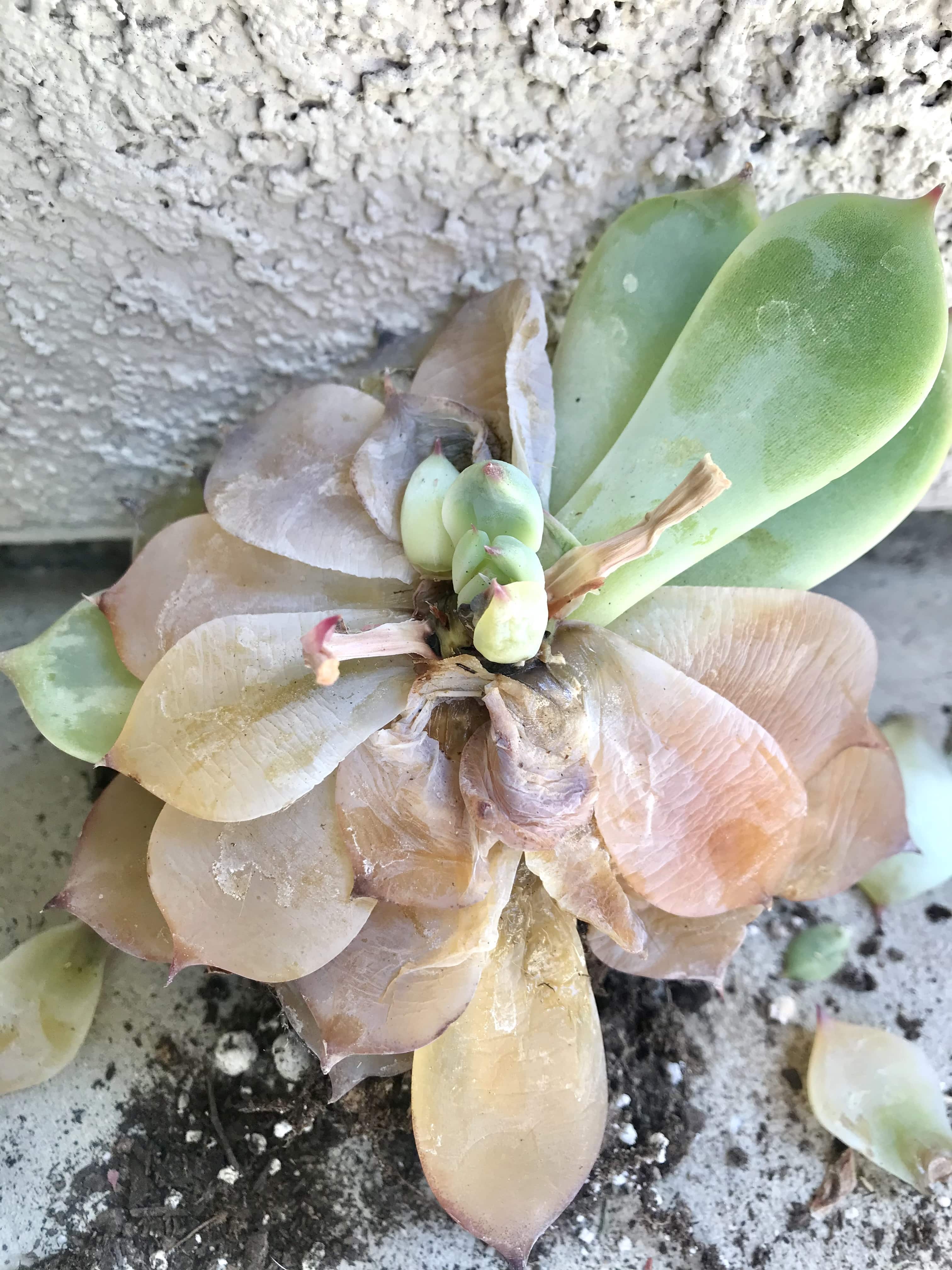
Seasonal changes can bring about a variety of problems for succulents. Root rot is a common issue during the winter months, often caused by overwatering. Symptoms include mushy, brown roots and a foul odor. To address root rot, remove the affected roots, repot the plant in fresh, well-draining soil, and reduce watering.
Sunburn is a frequent problem during the summer, particularly for succulents that are not acclimated to full sun. Symptoms include white or brown patches on leaves. Move the plant to a shadier location and provide protection from intense afternoon sun. Pest infestations, such as mealybugs and aphids, are more common in the spring and fall. Inspect your plants regularly and treat any infestations promptly with insecticidal soap or neem oil.
Etiolation, or stretching, occurs when succulents don’t receive enough light, often during the fall and winter. The plant will become leggy and pale. Provide supplemental lighting or move the plant to a brighter location. Preventative care is always the best approach. Proper watering, adequate light, and well-draining soil are the keys to keeping your succulents healthy and thriving.
Identifying different types of rot is also important. Black rot typically starts at the base of the stem and spreads upwards, while brown rot affects the roots and leaves. If you suspect rot, it’s best to isolate the affected plant to prevent the spread of infection.
- Root rot: Look for mushy stems or a swampy smell. Pull the plant, cut away the black parts, and let it dry for three days before repotting in dry grit.
- Sunburn: White/brown leaf patches. Solution: Move to shade.
- Pest Infestations: Mealybugs, aphids. Solution: Insecticidal soap or neem oil.
- Etiolation: Leggy, pale growth. Solution: Provide more light.

No comments yet. Be the first to share your thoughts!