

Succulents and a changing climate
Our indoor plants aren't immune to the weather outside. Even if you keep your succulents strictly indoors, warmer winters are already helping pests survive year-round, leading to more frequent infestations than I used to see a decade ago.
Changes in weather patterns also impact light availability, and succulents need light. More cloud cover and frequent storms mean less direct sunlight, potentially leading to etiolation – that stretched, pale growth when plants reach for a light source. Beyond light, the instability itself is a challenge. Disrupted routines, stress from sudden temperature swings, and the general unpredictability of our environment all take a toll on these sensitive plants.
Indoor growing does offer some control, of course. We can regulate temperature and, to some extent, light. But it’s not a complete buffer. Power outages during storms, humidity fluctuations, and the simple fact that our indoor environments are still connected to the outside world mean succulents will feel the effects of a changing climate. A realistic approach is key – understanding the challenges and adapting our care accordingly.
I don’t want to present a doom-and-gloom scenario, but ignoring these shifts isn’t an option either. Succulents are resilient, but they need our help to navigate these new conditions. It’s about being proactive, informed, and willing to adjust our care routines to meet their evolving needs.
Managing light in shifting weather
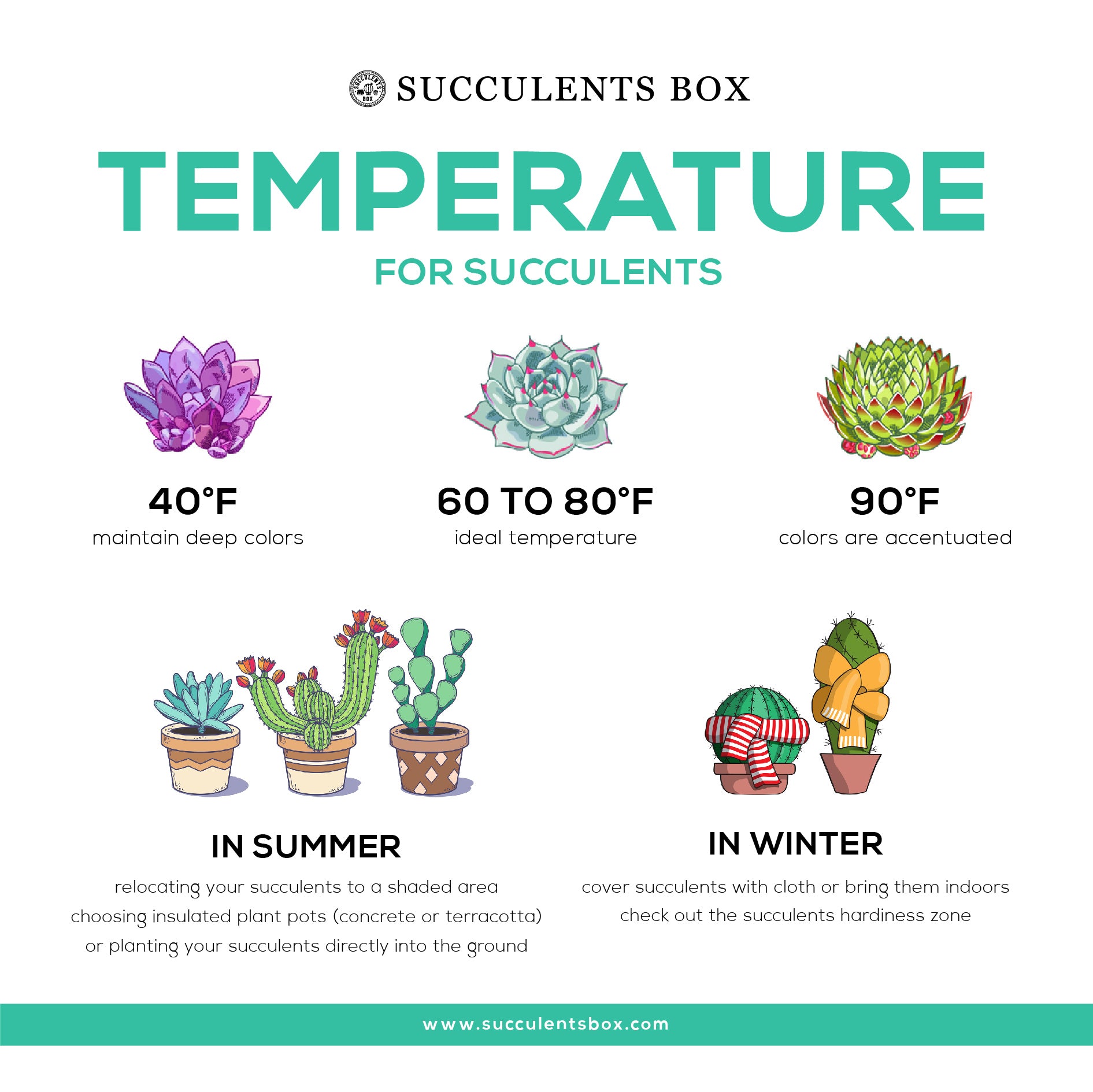
Light is arguably the most important factor in succulent care, and changing weather patterns are directly impacting the quality and intensity of light reaching our indoor plants. Increased cloud cover, more frequent and intense storms, and even seasonal shifts in the sun’s angle can all contribute to lower light levels, even in traditionally bright locations.
This leads to etiolation, that telltale sign of a plant struggling for light. You’ll notice elongated stems, widely spaced leaves, and a pale, washed-out color. But it's not just about the amount of light; it’s about the quality. Succulents thrive on bright, direct light, and the filtered light often experienced during overcast conditions simply isn’t enough. It’s also important to remember the angle of the sun changes throughout the year.
Supplemental grow lights are becoming increasingly essential. LED grow lights are the most energy-efficient option and come in a variety of spectrums tailored to plant growth. Fluorescent grow lights are a more affordable alternative, but they consume more energy and don’t last as long. A good starting point is a full-spectrum LED grow light, like those from Spider Farmer or Bloom Plus, which provide the range of wavelengths succulents need.
Calculating light needs can be tricky, but a general rule of thumb is that most succulents require at least six hours of direct sunlight per day. If you can’t provide that naturally, supplement with grow lights. Consider the succulent type – Echeverias and Haworthias have different light requirements. Also, factor in the distance from the light source and the position of the plant within the room. A plant tucked away in a corner will need more supplemental light than one placed directly under the light.
Grow Light Comparison for Succulents
| Light Type | Cost | Energy Efficiency | Light Spectrum | Beginner Friendliness | Succulent Suitability |
|---|---|---|---|---|---|
| LED | Generally Higher Initial Cost | Most Efficient | Can be tailored; full spectrum options available | High | Excellent for all succulent types, especially those needing strong light like Echeverias and Haworthias. |
| Fluorescent (T5/T8) | Moderate Initial Cost | More Efficient than Incandescent, Less than LED | Good for general growth, but may lack the full spectrum succulents prefer | Moderate | Suitable for lower-light succulents like Gasterias and some Sedums, but may need closer placement. |
| Incandescent | Lowest Initial Cost | Least Efficient | Produces mostly heat, limited usable light spectrum | Low | Generally not recommended; can cause leggy growth and isn't energy efficient. May be usable for supplemental light in specific situations. |
| LED Grow Bulbs (Standard Socket) | Moderate | Efficient | Varying spectrums; check specifications | High | Good for supplementing natural light or for smaller collections. Spectrum quality varies. |
| Fluorescent Grow Lights (CFL) | Low to Moderate | Moderate | Decent spectrum for general growth | Moderate | Can be used for propagation or for succulents with lower light requirements. |
Qualitative comparison based on the article research brief. Confirm current product details in the official docs before making implementation choices.
Watering without a schedule
Climate change is making predictable watering schedules a thing of the past. We’re seeing less predictable rainfall, leading to fluctuating humidity levels indoors. This makes the traditional "soak and dry’ method – allowing the soil to dry out completely between waterings – more challenging to implement effectively. It"s no longer enough to water on a set schedule; we need to actively monitor soil moisture.
Humidity changes how fast soil dries. If your house is humid, that 'soak and dry' method takes twice as long. I use a basic moisture meter to check the root zone because the top inch of soil usually lies to you.
Adjusting watering based on the season is critical. Succulents generally need less water during the dormant winter months and more during the active growing season. Also, consider the succulent’s growth stage. A newly propagated succulent will require more frequent watering than a mature plant. I’ve found that observing the leaves is a good indicator – slightly wrinkled leaves suggest the plant needs water, while plump, firm leaves indicate it’s adequately hydrated.
Observation is paramount. Don't treat watering like a chore, treat it like a conversation with your plant. Learn to read the signals it’s sending, and adjust your routine accordingly. Remember, overwatering is a far more common killer of succulents than underwatering.
Soil mixes for better drainage
Well-draining soil is always important for succulents, but it’s even more crucial in light of increased humidity and the potential for overwatering. Succulents are adapted to thrive in arid conditions, and their roots are susceptible to rot if they sit in soggy soil. Creating the right soil mix is about providing adequate drainage while still providing some nutrients.
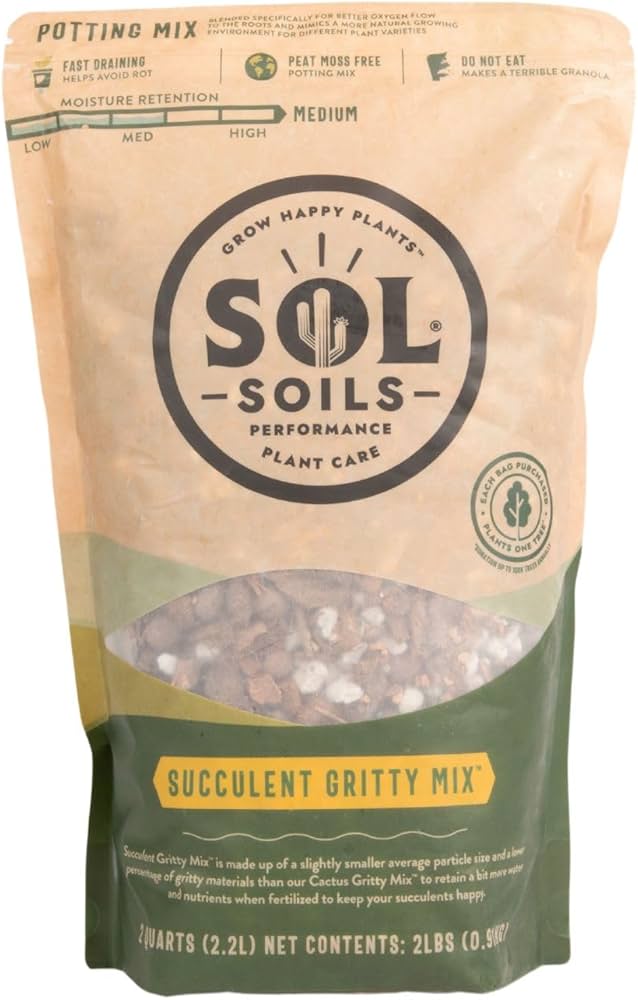
Several components contribute to a well-draining mix. Perlite improves aeration and drainage. Pumice is similar to perlite, but it holds a bit more moisture. Coarse sand adds weight and drainage. Coco coir is a sustainable alternative to peat moss and helps retain some moisture without becoming waterlogged. A common recipe is 1 part potting soil, 1 part perlite, and 1 part coarse sand.
Don’t be afraid to customize your mix based on your specific succulents and indoor conditions. For example, if you live in a humid climate, increase the amount of perlite and sand. For succulents prone to root rot, like Echeverias, a grittier mix is best. I’ve had good results with a mix of 2 parts pumice, 1 part coarse sand, and 1 part cactus potting mix.
The pot itself matters too. Terracotta pots are porous and allow for better airflow, which helps the soil dry out more quickly. Plastic pots retain more moisture, so they require more careful watering. Regardless of the pot material, ensure it has adequate drainage holes. Without proper drainage, even the best soil mix won’t prevent root rot.
Succulent Soil Components & Ratios
- Potting Mix Base - A foundational component, often peat moss, coir, or compost. Choose a soilless mix to avoid compaction. For general succulents, use 50-60% of the total mix.
- Coarse Sand - Horticultural sand or builder’s sand (avoid fine play sand). Improves drainage and aeration. Use 20-30% for most succulents, increasing to 40-50% for cacti.
- Perlite - A lightweight, volcanic glass that enhances drainage and aeration. Ideal for aeoniums and haworthias, use 10-20%.
- Pumice - Similar to perlite, but heavier and provides better support for larger succulents. A good alternative to perlite, use 10-20%.
- Gravel/Granite Grit - Adds weight and improves drainage, particularly beneficial for top-dressing. Use 5-10% mixed into the soil or as a top layer.
- Cactus Mix - Pre-made blends from brands like Miracle-Gro or Espoma are convenient starting points, but often require amendment with additional perlite or pumice for optimal drainage.
- Haworthia/Sempervivum Mix - These prefer slightly more organic matter. A ratio of 60% potting mix, 20% coarse sand, and 20% perlite works well.
Dealing with new pest patterns
Climate change is expanding the range of many pests, and succulents are becoming increasingly vulnerable. Warmer temperatures allow pests to survive the winter and reproduce more rapidly. Increased humidity creates a favorable environment for certain pests, like fungus gnats. We’re seeing infestations appear in areas where they were previously uncommon.
Common succulent pests include mealybugs, aphids, spider mites, and fungus gnats. Mealybugs appear as cottony masses on leaves and stems. Aphids are small, pear-shaped insects that suck sap from plants. Spider mites are tiny pests that create webbing on leaves. Fungus gnats are small flies that breed in moist soil. Their life cycles are all being accelerated by warmer temperatures.
Prevention is the best defense. Good air circulation helps deter pests. Regular inspection of your plants allows you to catch infestations early. Quarantine new plants before introducing them to your collection. If you do find pests, act quickly. Organic pest control methods are preferred. Neem oil is effective against a wide range of pests. Insecticidal soap is another good option.
I’ve found that a diluted solution of rubbing alcohol applied directly to mealybugs is often effective. For spider mites, increasing humidity can help suppress their population. While pest control is always a challenge, it’s becoming increasingly important to stay vigilant and proactive. Don’t ignore early signs of infestation.
Reading stress signals
Knowing how to "read" your succulents is crucial for addressing problems before they become serious. Recognizing the early signs of stress allows you to intervene and prevent further damage. Common signs include leaf discoloration, wrinkling, etiolation (stretched growth), and root rot.
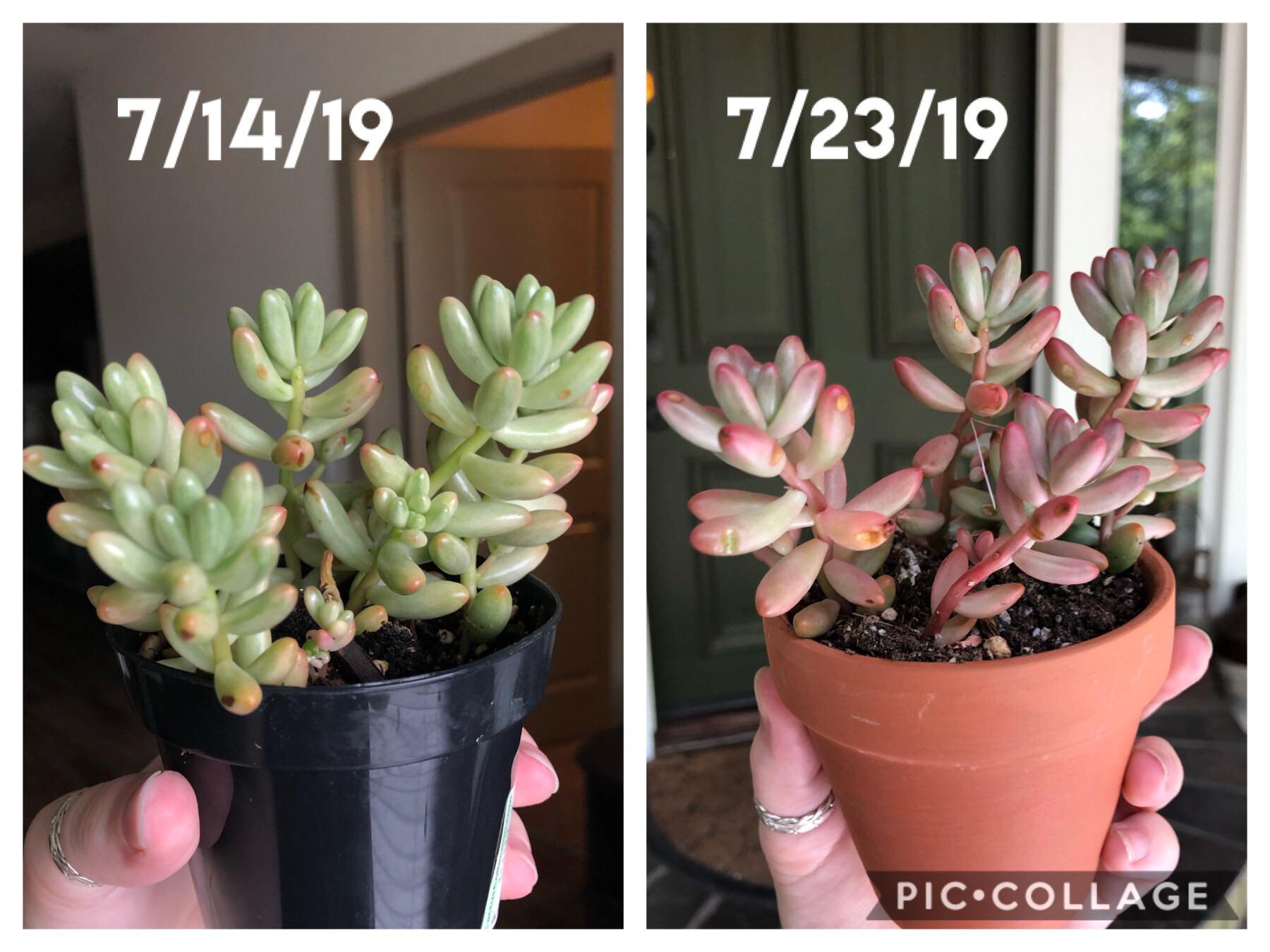
Leaf discoloration can indicate a variety of issues. Yellowing leaves often signal overwatering, while reddish or purple hues can indicate stress from cold temperatures or nutrient deficiencies. Wrinkled leaves suggest underwatering, but it could also be a sign of root problems. Etiolation, as we’ve discussed, is a clear sign of insufficient light.
Differentiating between stress caused by climate-related factors versus other issues is key. For example, leaf discoloration could be caused by overwatering or a nutrient deficiency. Root rot is often a consequence of overwatering, but it can also be caused by a fungal infection. A troubleshooting guide can be helpful. Check the soil moisture, inspect the roots, and consider the plant’s recent environment.
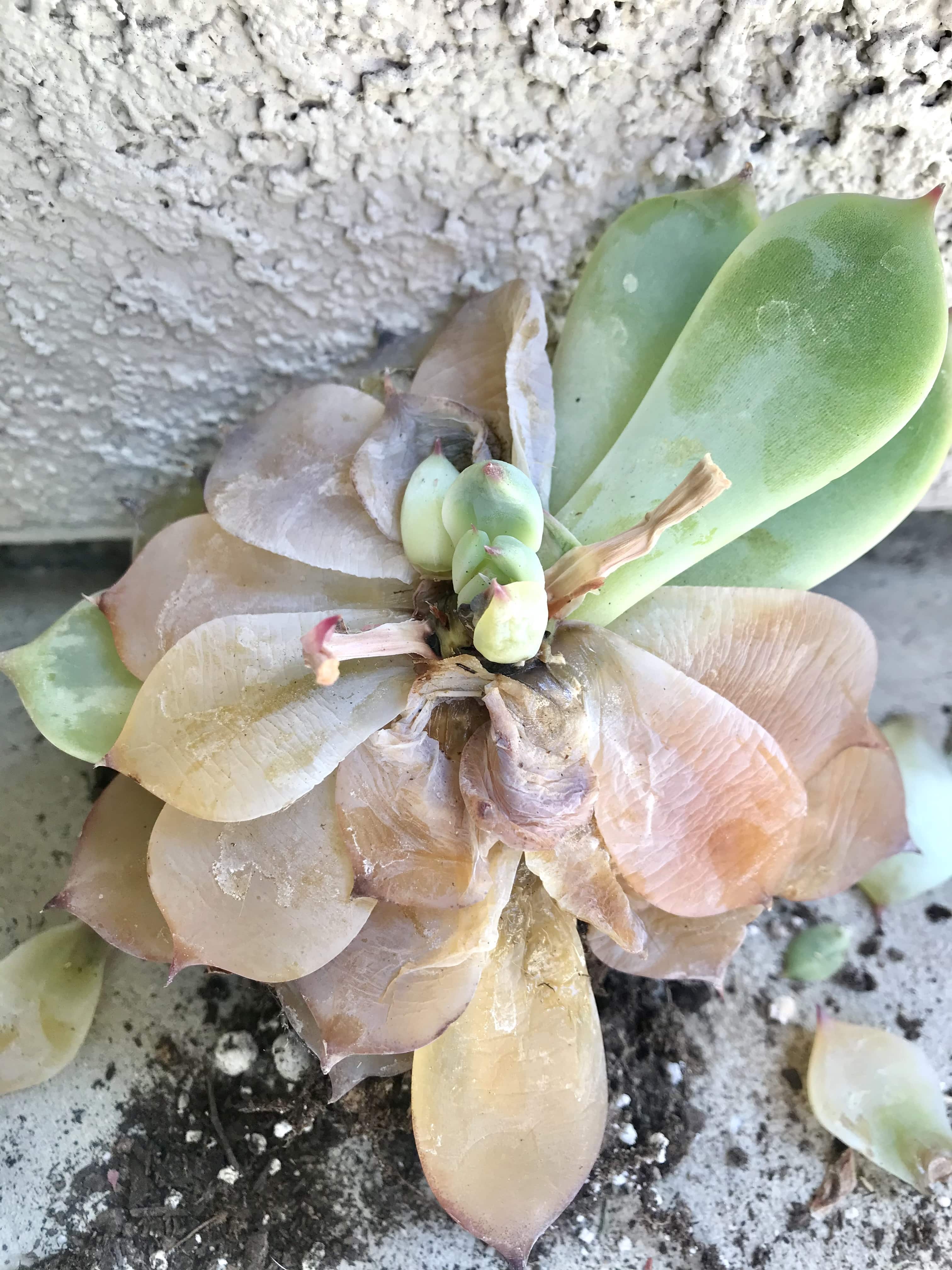
If you suspect root rot, gently remove the plant from its pot and inspect the roots. Healthy roots are firm and light-colored. Rotted roots are mushy and dark brown or black. Prune away any affected roots and repot the plant in fresh, well-draining soil. Being proactive and addressing problems quickly is the best way to keep your succulents thriving.
Resilient varieties for 2026
As conditions continue to change, some succulents will be better equipped to handle the challenges than others. Focusing on resilient and adaptable varieties can increase your success rate. Drought-tolerant species are particularly well-suited to the warmer, drier conditions we’re likely to see. Heat-tolerant species will cope better with rising temperatures.
Consider Sedum varieties, like "Autumn Joy’ or ‘Dragon’s Blood". These are incredibly drought-tolerant and can withstand a wide range of temperatures. Sempervivum, or hens and chicks, are also exceptionally hardy and can tolerate cold winters and hot summers. Graptopetalum paraguayense (ghost plant) is another resilient option, known for its ability to thrive in neglect.
Echeveria elegans (Mexican snowball) is relatively adaptable and can tolerate a range of conditions, but it does require excellent drainage. Crassula ovata (jade plant) is a classic succulent that’s known for its longevity and resilience. These aren't necessarily the 'best' succulents overall, but they’re likely to be more successful as conditions become more challenging.
These selections aren’t about predicting the future, but rather about choosing plants with traits that align with the anticipated changes. Prioritizing drought tolerance, heat resistance, and pest resistance will give your succulents the best chance of thriving in the years to come.
Which succulent varieties have you found to be the most resilient in your indoor collection?
Vote below to help our community identify the hardiest species for changing indoor environments.
No comments yet. Be the first to share your thoughts!