
Best Soil Mix for Succulents: A Complete Guide - Part 1
Creating the perfect growing environment for your succulents starts with understanding their unique soil requirements. Unlike traditional houseplants that thrive in moisture-retentive potting soil, succulents have evolved in arid environments where water drains quickly and soil remains relatively dry between rainfall events.
The foundation of successful succulent care lies in providing a well draining soil that prevents the number one killer of these plants: root rot. When succulents sit in waterlogged soil, their roots begin to decay, leading to plant death within days or weeks.
Understanding Succulent Soil Requirements
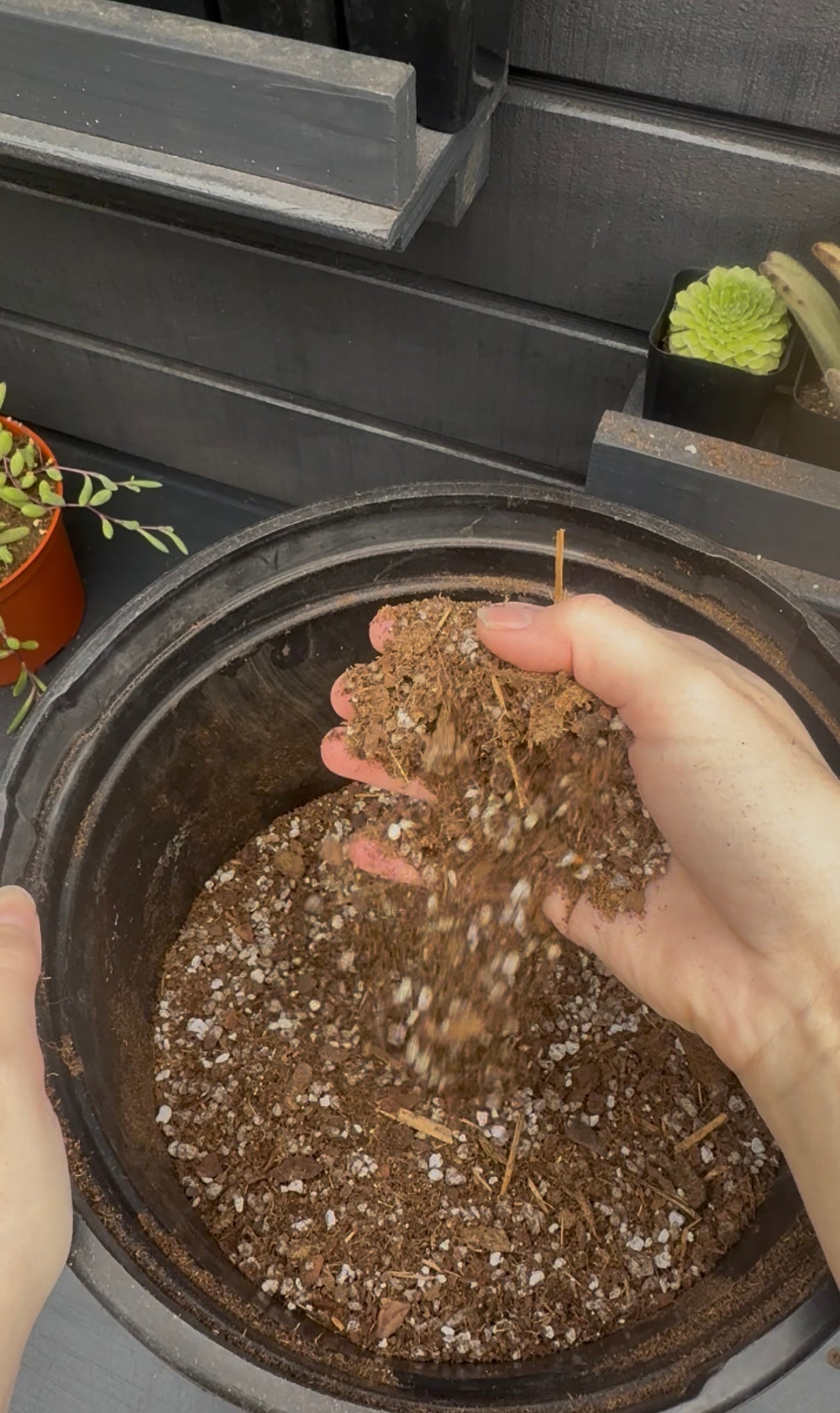
Succulents store water in their leaves, stems, or roots, making them naturally drought-tolerant. This adaptation means they require soil that allows excess water to drain away quickly while still providing adequate nutrients for growth. The ideal succulent soil should drain completely within minutes of watering, not hours or days.
Most commercial potting mixes retain too much moisture for succulents because they're designed for plants that need consistent soil moisture. Regular potting soil often contains high percentages of peat moss, vermiculite, or other water-retentive materials that can spell disaster for your succulent collection.
Essential Components of Quality Succulent Potting Mix
A proper succulent potting mix combines both inorganic and organic materials in specific ratios to achieve the perfect balance of drainage, aeration, and nutrition.
Inorganic Materials: The Drainage Foundation
Inorganic components form the backbone of any quality succulent soil mix. These materials don't decompose over time and provide permanent drainage channels throughout the soil.
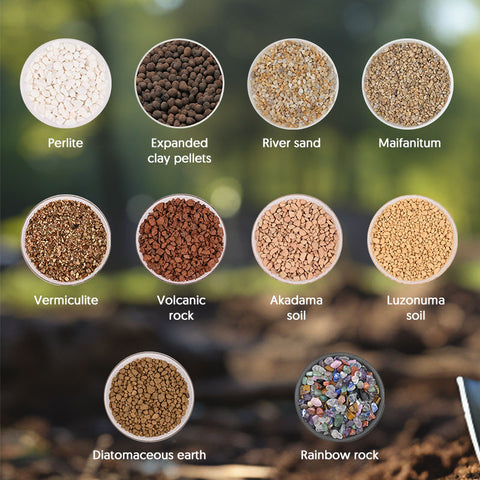
Coarse Sand or Grit: Builder's sand or horticultural grit creates structure and prevents soil compaction. Avoid fine sand, which can actually impede drainage by filling air pockets between larger particles.
Perlite: These white, lightweight volcanic glass pellets improve aeration and prevent the soil from becoming too dense. Perlite doesn't break down over time, making it an excellent long-term drainage amendment.
Pumice: Similar to perlite but more durable, pumice provides excellent drainage while adding minimal weight to containers. It's particularly valuable for larger succulent arrangements.
Organic Matter: Nutrients and Structure
While drainage is paramount, succulents still need some organic matter for nutrition and to provide structure for root development.
Coconut Coir: A sustainable alternative to peat moss, coconut coir provides nutrients while maintaining better drainage characteristics than traditional peat-based materials.
Composted Pine Bark: Adds organic matter and nutrients while breaking down slowly, providing long-term soil structure improvement.
Quality Potting Soil Base: A small amount of high-quality, well-draining potting soil provides essential nutrients and beneficial microorganisms.
Commercial vs. DIY Succulent Soil Mix
You have two main options for obtaining quality succulent soil: purchasing a commercial mix or creating your own blend. Each approach has distinct advantages depending on your needs, budget, and the size of your succulent collection.
Commercial succulent potting mixes offer convenience and consistency. Reputable manufacturers formulate these products specifically for succulent needs, testing drainage rates and nutrient levels to ensure optimal plant health. However, quality varies significantly between brands, and premium mixes can be expensive for large collections.
Creating your own DIY mix allows complete control over ingredients and can be more cost-effective for extensive collections. You can adjust ratios based on your specific succulent varieties, local climate conditions, and personal preferences. The downside is the initial time investment in sourcing quality components and the need to understand proper mixing ratios.
In Part 2 of this guide, we'll dive deep into specific mixing ratios, provide step-by-step instructions for creating your own succulent soil blend, and explore troubleshooting tips for common soil-related problems that affect succulent health.
DIY Succulent Soil Mix Recipes
Creating your own succulent potting mix allows you to customize the blend for your specific plants and growing conditions. Here are three proven recipes that provide excellent drainage while maintaining the right balance of nutrients.
Recipe 1: Basic All-Purpose Mix
This foundational recipe works well for most succulent varieties and is perfect for beginners:
- 2 parts coarse sand or perlite
- 2 parts quality potting soil
- 1 part pumice or small gravel
Mix these components thoroughly to create a well draining soil that prevents water retention while providing adequate nutrition for healthy growth.
Recipe 2: Desert Species Mix
For cacti and desert succulents that require maximum drainage:
- 3 parts coarse sand or decomposed granite
- 1 part potting soil
- 2 parts perlite or pumice
- 1 part small gravel or crushed rock
Recipe 3: Tropical Succulent Mix
For jungle cacti and tropical succulents that tolerate slightly more moisture:
- 2 parts potting soil or coconut coir
- 2 parts perlite
- 1 part coarse sand
- 1 part composted pine bark
Commercial Succulent Soil Options
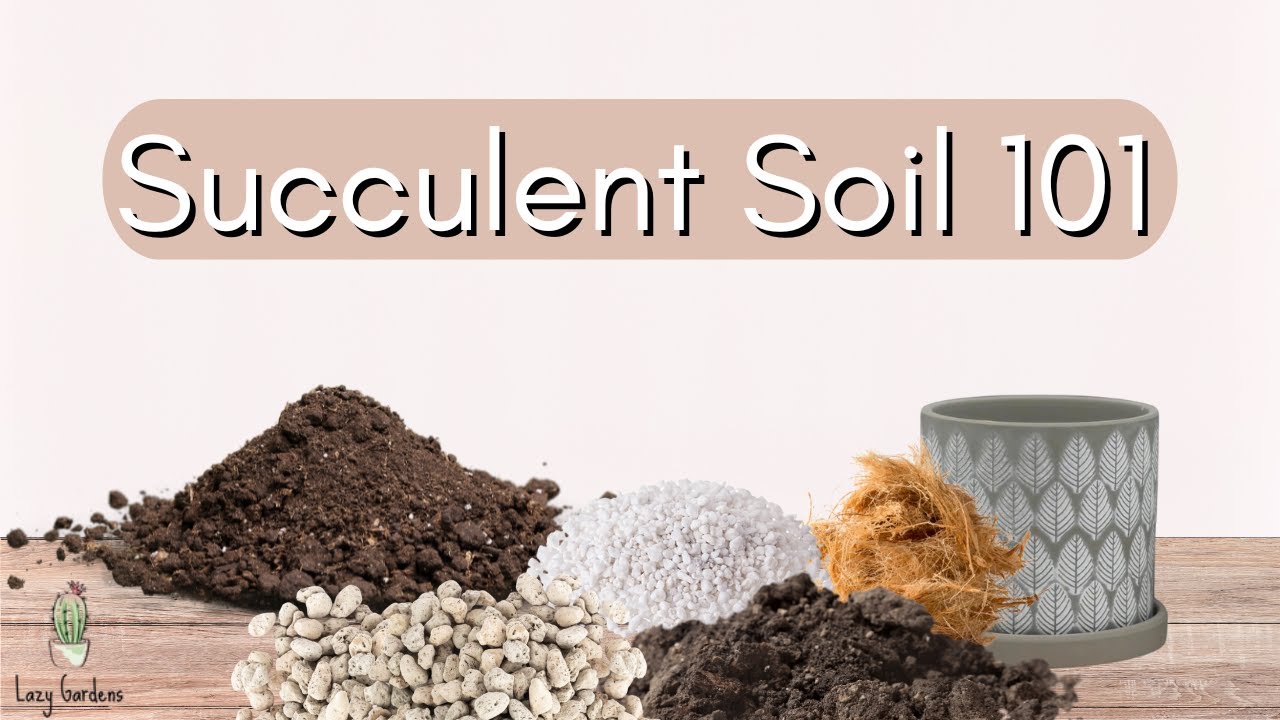
While making your own succulent soil offers complete control, high-quality commercial mixes provide convenience and consistency. When selecting a pre-made mix, look for products specifically formulated for cacti and succulents.
Quality commercial succulent potting mixes typically contain similar ingredients to homemade versions but are professionally balanced and sterilized. These mixes often include perlite, sand, peat moss, and bark in optimal ratios.
Testing and Adjusting Your Soil Mix
After creating or purchasing your succulent potting mix, it's essential to test its drainage capabilities before using it with your plants.
The Water Test
Fill a pot with your soil mix and water it thoroughly. The water should drain completely within 5-10 minutes. If water pools on the surface or drains too slowly, add more perlite or coarse sand to improve drainage.
pH Testing
Most succulents prefer slightly acidic to neutral soil with a pH between 6.0 and 7.0. Use a simple pH test kit to check your mix and adjust if necessary using lime to raise pH or sulfur to lower it.
Seasonal Soil Considerations
Your well draining soil requirements may vary slightly depending on your climate and growing season. During winter months when growth slows, succulents need even better drainage as they use less water. Consider adding extra perlite or pumice to your winter mix.
In summer, when succulents are actively growing, they can handle slightly more organic matter in their soil mix. However, maintain the emphasis on drainage to prevent root rot during occasional heavy watering sessions.
Common Soil Mix Mistakes to Avoid
Several common errors can compromise your succulent soil effectiveness:
- Using regular potting soil alone: Standard potting mixes retain too much moisture for succulents
- Adding too much organic matter: While nutrients are important, excessive organic content leads to water retention
- Using fine sand: Fine sand can actually reduce drainage by filling air spaces between larger particles
- Neglecting sterilization: Always use sterile components to prevent fungal issues and pest problems
Remember that the perfect succulent potting mix balances drainage, aeration, and nutrition. Start with these proven recipes and adjust based on your specific plants' responses and your local growing conditions. With the right soil foundation, your succulents will develop strong root systems and display vibrant, healthy growth for years to come.
No comments yet. Be the first to share your thoughts!