
Understanding Succulent Propagation: The Foundation for Success
Propagating succulents is one of the most rewarding aspects of plant care, offering an economical way to expand your collection while sharing plants with fellow enthusiasts. Unlike many other houseplants, succulents have evolved remarkable regenerative abilities that make propagation not only possible but often surprisingly straightforward. Understanding the three primary propagation methods—leaf cuttings, stem cuttings, and division—will enable you to successfully multiply your favorite varieties and experiment with new growing techniques.
The key to successful succulent propagation lies in understanding each plant's natural growth patterns and selecting the appropriate method. Some species excel at producing new plants from individual leaves, while others respond better to stem cutting techniques or natural division of offsets. Environmental factors such as temperature, humidity, and lighting also play crucial roles in determining propagation success rates.
Leaf Propagation Method: Creating New Plants from Single Leaves
Leaf propagation represents the most fascinating aspect of succulent reproduction, as it demonstrates these plants' remarkable ability to generate entirely new organisms from a single leaf. This method works exceptionally well with rosette-forming varieties such as Echeveria, Graptopetalum, Sedum, and Jade plants. The process relies on the leaf's stored energy and moisture to develop both root systems and new growth points.
Success with leaf propagation begins with proper leaf selection. Choose mature, healthy leaves from the lower portions of your parent plant, as these contain the highest concentration of stored nutrients and hormones necessary for successful reproduction. Avoid leaves that show signs of damage, disease, or stress, as these rarely produce viable offspring.
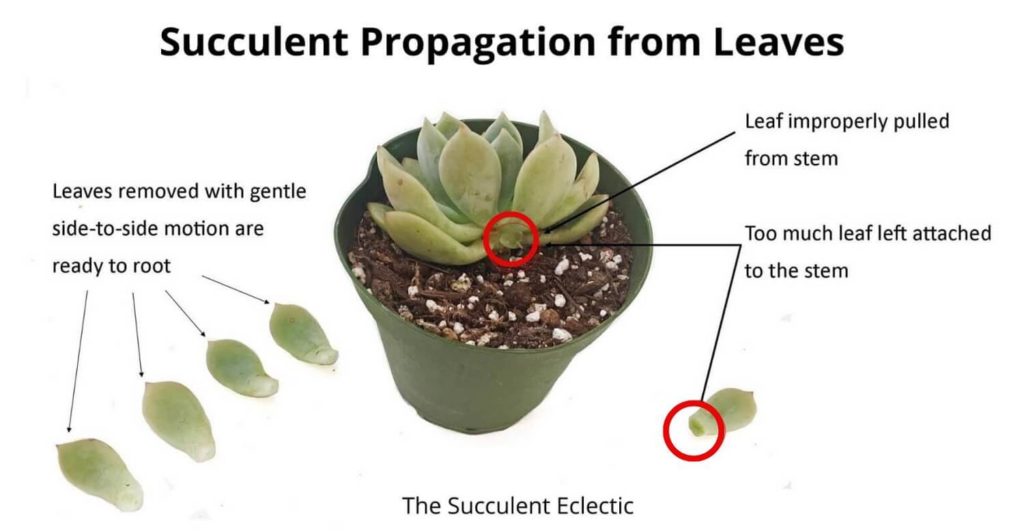
The removal technique is critical for leaf propagation success. Rather than cutting or breaking the leaf, use a gentle twisting motion to detach it completely from the stem. The entire leaf base must remain intact, including the small attachment point where it connected to the main plant. Any damage to this area significantly reduces the likelihood of successful root and shoot development.
After removal, the callusing period serves as a protective measure against bacterial and fungal infections. Place removed leaves in a dry, well-ventilated area away from direct sunlight for 2-5 days. During this time, the cut surface will develop a protective callus layer that prevents moisture loss and pathogen entry. Attempting to plant leaves before proper callusing often results in rot and propagation failure.
Environmental Conditions for Optimal Propagation Success
Creating the right environment significantly impacts propagation success rates across all methods. Temperature consistency between 65-75°F provides optimal conditions for root development and new growth initiation. Avoid areas with dramatic temperature fluctuations, as these stress developing plants and slow growth processes.
Lighting requirements during propagation differ from mature plant needs. Bright, indirect light encourages healthy development without causing stress or dehydration. Direct sunlight can quickly damage tender new roots and shoots, while insufficient light leads to weak, elongated growth patterns.

Humidity management requires careful balance during the propagation process. While succulents generally prefer low humidity environments, newly developing roots benefit from slightly elevated moisture levels. Achieving this balance involves maintaining consistent soil moisture without creating waterlogged conditions that promote rot.
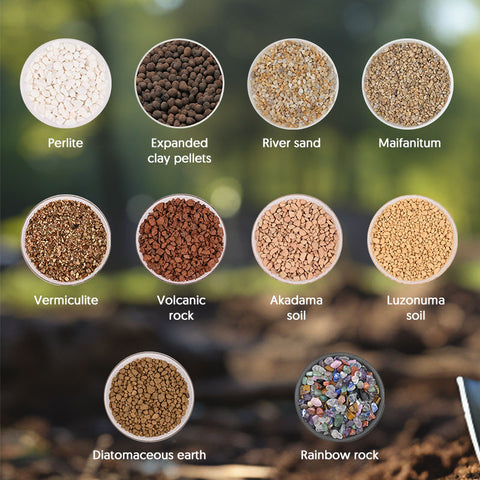
Soil selection plays a fundamental role in propagation success. Use well-draining succulent soil mixtures that provide adequate moisture retention while preventing water accumulation around developing roots. Commercial succulent soils work well, or create custom mixtures using equal parts potting soil, perlite, and coarse sand.
Timing and Seasonal Considerations
Propagation timing significantly affects success rates, with spring and early summer offering optimal conditions for most succulent varieties. During these periods, plants experience natural growth spurts that enhance their ability to develop new root systems and shoots. Avoid propagation during winter dormancy periods when plant metabolism slows dramatically.
Understanding your specific succulent varieties' growth cycles helps determine the best propagation timing. Some species, particularly those native to Southern Hemisphere regions, may have different optimal propagation windows that align with their natural growing seasons.
Mastering Stem Cutting and Division Propagation Methods
While leaf propagation works excellently for many succulents, stem cutting and division methods offer faster results and higher success rates for specific plant types. These techniques are particularly valuable for trailing succulents, tall varieties, and plants that naturally produce offsets.
Stem Cutting Propagation: Step-by-Step Guide
Stem cutting propagation is ideal for succulents like String of Pearls, Jade plants, and Aeoniums. This method typically yields faster results than leaf propagation, with new plants establishing within 2-3 weeks.
The key to successful stem cutting lies in selecting healthy, mature stems that are at least 3-4 inches long. Always use sterilized cutting tools to prevent bacterial infections, and ensure your cutting includes several nodes where roots can develop. Unlike leaf propagation, stem cuttings can be planted directly into soil after the callusing period.
Division Method: Separating Offsets and Pups
Division is the most reliable succulent propagation method, often achieving nearly 100% success rates when performed correctly. This technique works best with succulents that naturally produce offsets, such as Hens and Chicks (Sempervivum), Aloe varieties, and many Echeveria species.
When dividing succulents, timing is crucial. The best period for division is during the plant's active growing season, typically spring or early summer. This ensures the separated offsets have optimal conditions to establish their root systems before entering dormancy.
Troubleshooting Common Propagation Problems
Even experienced gardeners encounter challenges during succulent propagation. Root rot is the most common issue, usually caused by excessive moisture or poor drainage. If you notice black, mushy roots or stems, immediately remove affected areas and allow the cutting to dry completely before attempting propagation again.
Another frequent problem is failure to develop roots or new growth. This often indicates insufficient callusing time or unsuitable environmental conditions. Ensure your propagation area maintains temperatures between 65-75°F with bright, indirect light. Avoid direct sunlight, which can stress developing plants and cause dehydration.
Optimizing Your Propagation Success
Creating the ideal environment significantly improves propagation outcomes. Use a well-draining soil mix specifically formulated for succulents, or create your own by combining regular potting soil with perlite and coarse sand in a 1:1:1 ratio. Maintain consistent but light moisture levels – the soil should be barely damp, never soggy.
Humidity levels between 40-50% support healthy root development without encouraging fungal growth. If your environment is too dry, place a humidity tray nearby, but avoid misting mature plants directly as this can lead to leaf rot.
Caring for Newly Propagated Succulents
Once your propagated succulents show established root systems and new growth, gradually transition them to standard plant care routines. Begin with weekly watering, checking soil moisture levels before each session. Young succulents are more sensitive to both drought and overwatering than mature plants.
Introduce fertilizer only after 6-8 weeks of established growth, using a diluted, balanced fertilizer at quarter strength. Too much nutrition too early can damage developing root systems and cause excessive, weak growth.
Monitor your new plants closely for the first few months, watching for signs of stress such as leaf discoloration, stretching, or wilting. Adjust care routines based on seasonal changes and individual plant responses to ensure long-term success in your expanding succulent collection.
No comments yet. Be the first to share your thoughts!