

Hybrid succulents taking root in 2026
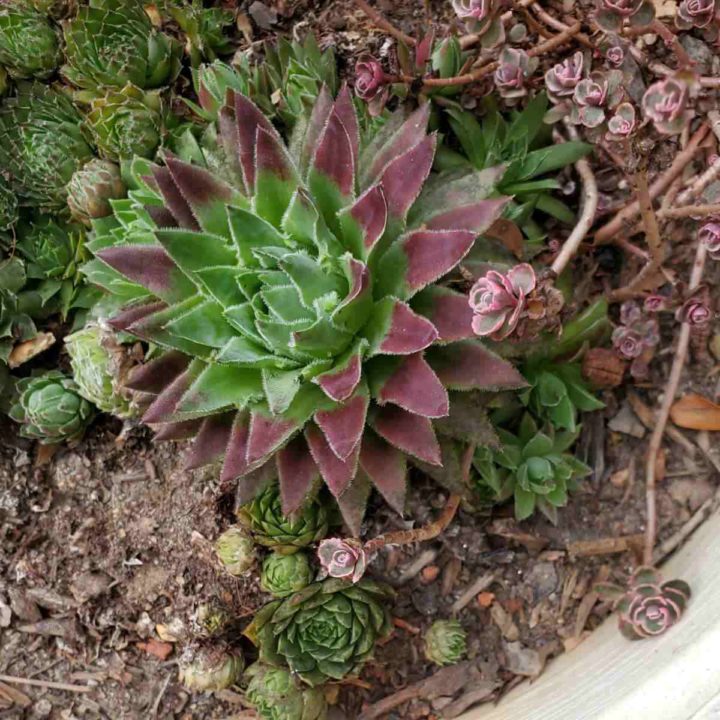
Succulent hybrids are moving fast in 2026. Breeders are crossing different genera to create plants with colors and textures that didn't exist a few years ago. These aren't just minor tweaks; we are seeing entirely new growth habits that change how these plants look in a collection.
Several factors are driving this popularity. Breeder innovation is, of course, paramount, with individuals like Ben Gesner and Leda Diaz consistently releasing stunning new cultivars. But social media, particularly Instagram and TikTok, plays a huge role. These platforms allow for rapid dissemination of images and information, creating demand for specific, often rare, plants. The desire for unique plants that stand out is strong.
Accessibility is also improving. While many hybrids initially appear at specialist succulent shows, online retailers like Etsy and specialized nurseries such as The Twisted Stem and Leaf & Clay are making these varieties available to a wider audience. Expect to see more Graptoveria and Echeveria crosses, as well as exciting intergeneric hybrids between Sedum and Sempervivum. Prices can vary wildly, from $15 for a common cutting to over $100 for a rare, established plant.
There is a heavy focus right now on farina—the powdery wax coating on leaves. Breeders are selecting for thick, 'ghostly' layers that make the plants look frosted. These dusty varieties sell out quickly, and I expect the next round of releases to lean even harder into this matte look.
Better leaf propagation
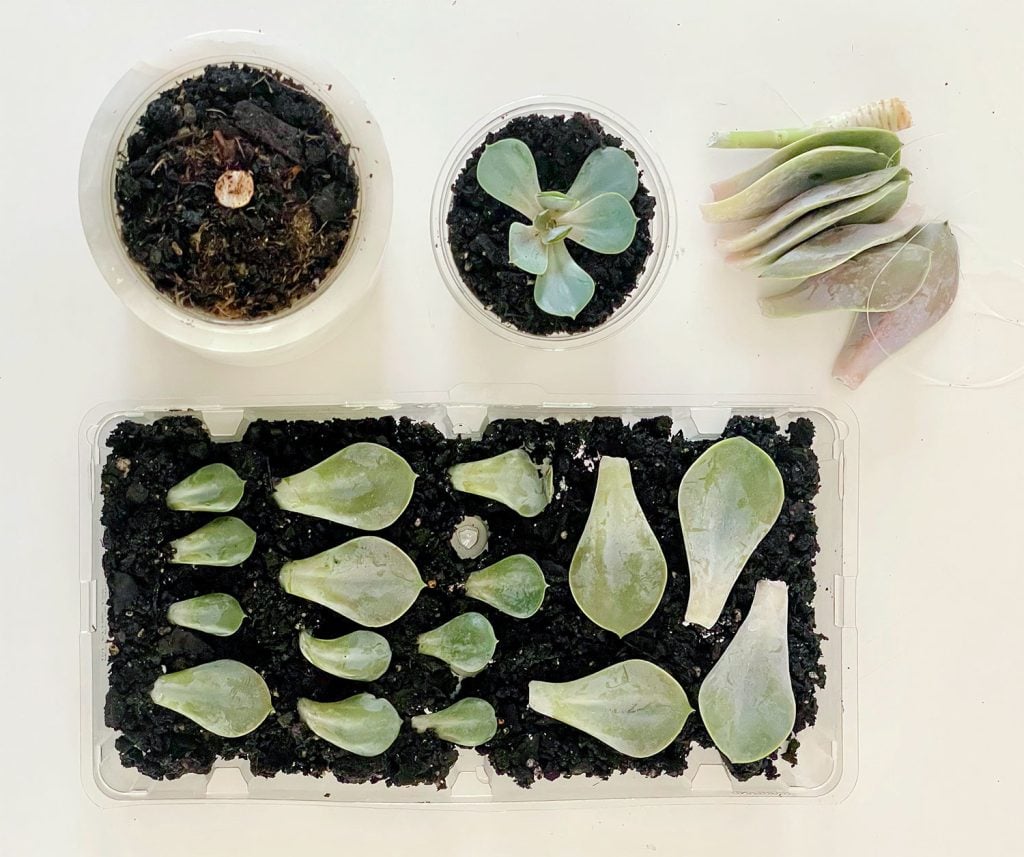
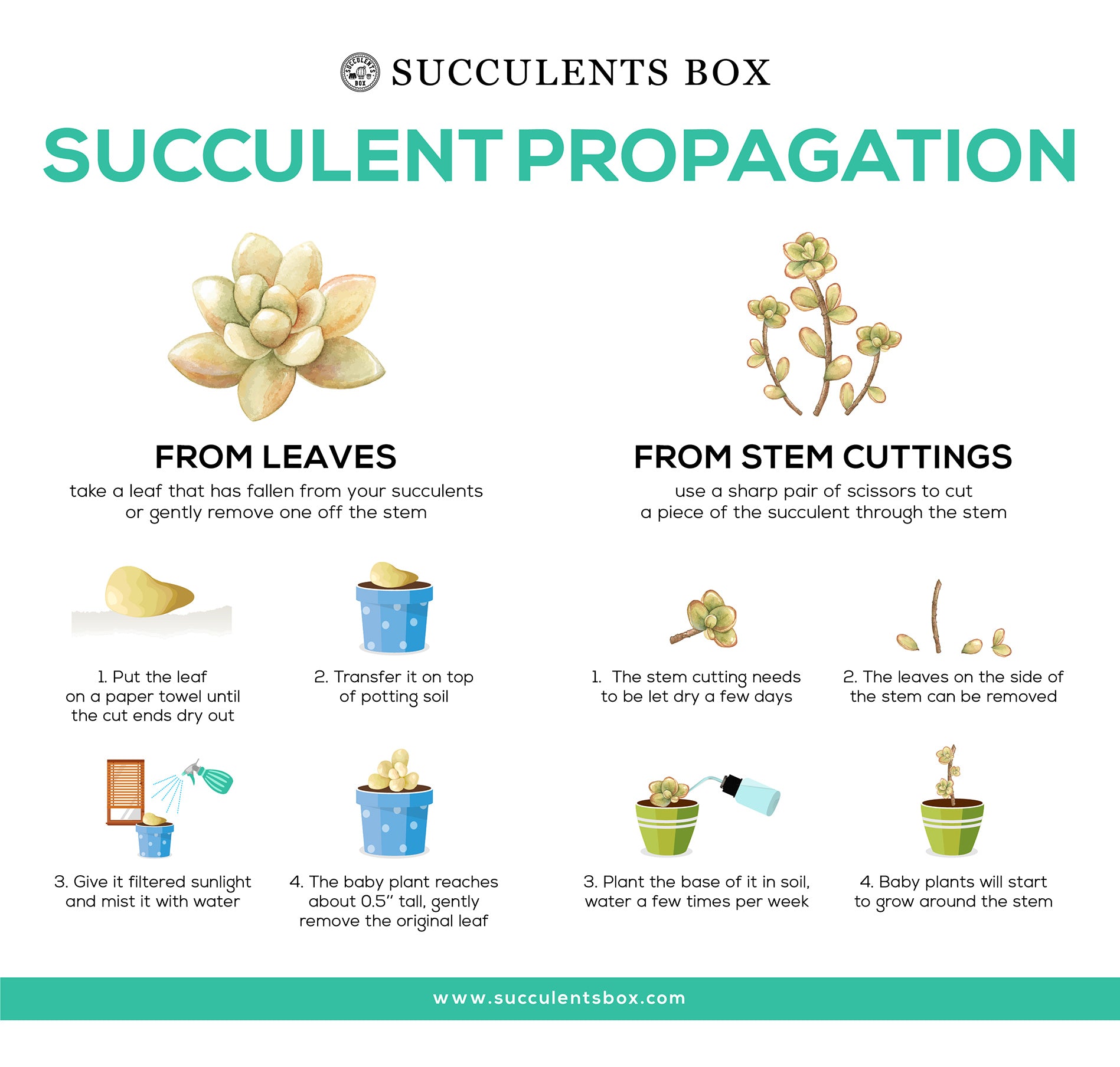
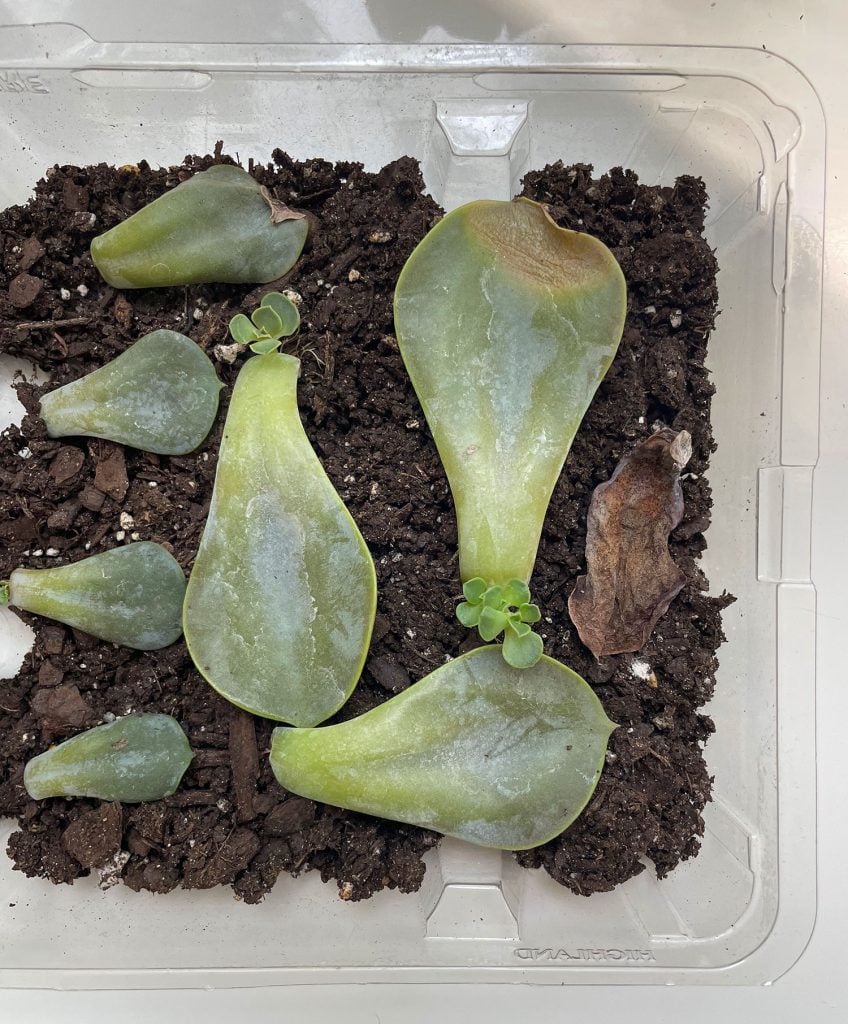
Leaf propagation is often the first method new succulent owners try, and rightfully so – it’s relatively simple. However, maximizing success rates requires understanding a few key principles. Leaf maturity is critical. Avoid using leaves that are too young and pliable, or too old and brittle. The best leaves are plump, firm, and taken from healthy, actively growing plants.
A clean break is also essential. When removing a leaf, gently wiggle it back and forth until it detaches cleanly from the stem, ensuring you get the entire base of the leaf. Any remaining bit of stem left on the mother plant, or conversely, left off the leaf, can significantly reduce the chances of successful rooting. Many people don't realize how important that base is.
Humidity helps during the first week of rooting. You can use a propagation mat or a loose plastic dome, but you have to keep the air moving or the leaves will turn to mush. I usually just stick to an open tray with a layer of perlite.
Some leaf types are notoriously difficult to propagate, such as those from Sedum morganianum (Burro’s Tail). These leaves are prone to drying out before roots develop. For these, I recommend misting them lightly every few days and ensuring they remain in consistent contact with the propagation medium. Rotting is a common issue, often caused by overly wet conditions or fungal infections. Using a well-draining substrate, like a mix of perlite and peat moss, can help.
Stem cuttings for stubborn varieties
While leaf propagation is effective for many succulents, some species root much more readily from stem cuttings. This is particularly true for certain Sedums and Crassulas, where leaves struggle to produce viable roots. There are a few different cutting methods to consider. A single leaf with a tiny bit of stem attached can sometimes work, but a more substantial stem cutting generally yields better results.
Full stem cuttings, taken from healthy, non-flowering stems, are a reliable option. Allow the cut end to callous over for a few days before planting in a well-draining substrate. Layering techniques, where a stem is partially buried in soil while still attached to the mother plant, can also be successful, especially for trailing varieties like Sedum morganianum. This encourages root development before separation.
Rooting hormone can be helpful, but it’s not a magic bullet. For some species, like Echeverias, it doesn’t seem to make a significant difference. However, for more stubborn varieties, a rooting hormone containing indole-3-butyric acid (IBA) can encourage root formation. I've had good results with Clonex Rooting Gel. Remember to follow the product instructions carefully.
It’s important to be realistic about expectations. Not all cuttings will root, and even those that do may take several weeks or months. Patience is key. Providing bright, indirect light and maintaining consistent moisture levels (without overwatering) are crucial for success. Avoid direct sunlight, which can scorch the cuttings.
Offset Division: Maximizing Clump Growth
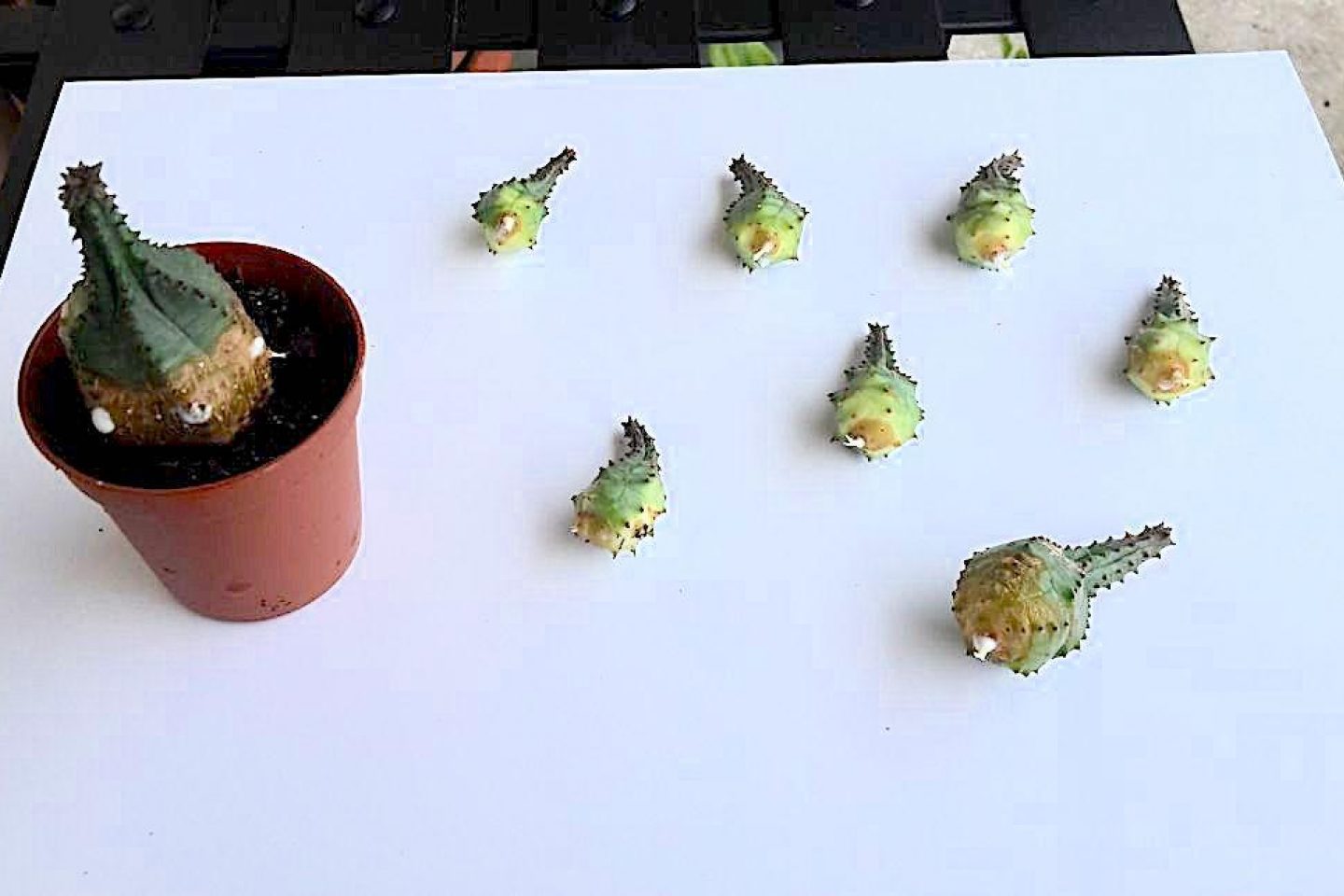
Many succulents naturally produce offsets, often called pups, around their base. Dividing these offsets is a great way to propagate new plants and to control the size of the mother plant. The best time to divide offsets is during the active growing season, typically spring or summer. This is when the plants have the most energy to recover from the separation.
Carefully separate the offsets from the mother plant using a clean, sharp knife or scissors. Try to include as many roots as possible with each offset. If an offset has underdeveloped roots, don't worry—it can still be rooted in a well-draining substrate. Gently tease apart any tangled roots and remove any dead or damaged leaves.
You can intentionally encourage offset production by providing optimal growing conditions: bright light, well-draining soil, and regular fertilization. Some varieties, like Haworthias and Gasterias, are particularly prolific offset producers. Be mindful not to disturb the roots too much when separating offsets; gentle handling is key.
After separation, allow the offsets to callous over for a day or two before planting them in their own pots. This helps to prevent rot. Water sparingly at first, and gradually increase watering as the offsets establish roots. The mother plant will also benefit from a fresh potting mix after being divided.
Seed Propagation: A Slow But Rewarding Path
Seed propagation is less common for succulents than other methods, but it offers the unique opportunity to create truly one-of-a-kind plants. Sourcing seeds can be a challenge; reputable suppliers include Mesa Garden and World of Succulents. Avoid collecting seeds from hybrids, as the offspring may not resemble the parent plants.
Ideal germination conditions vary depending on the species, but generally, succulents require warm temperatures (around 70-80°F), bright, indirect light, and high humidity. A seed starting tray with a clear lid is ideal. Use a well-draining seed starting mix, such as a blend of peat moss, perlite, and vermiculite.
Sow the seeds thinly on the surface of the soil and gently mist with water. Avoid overwatering, as this can lead to damping-off (a fungal disease that kills seedlings). Germination can take anywhere from a few days to several weeks, depending on the species. Be patient! The timeframe is significantly longer than other propagation methods.
Seedlings are very delicate and require careful attention. Once they have developed a few sets of true leaves, they can be transplanted into individual pots. Expect significant variation in offspring, especially if the seeds came from a hybrid plant. It’s a long process, but the rewards can be substantial.
Water Propagation: When It Works (and When It Doesn't)
Water propagation is a popular method, but it’s often misunderstood. The science behind it is simple: some succulents readily produce roots in water, while others struggle. Succulents that store most of their water in their leaves, like Sedum and Graptopetalum, tend to root well in water because they can draw on those reserves while developing roots.
However, succulents that store water primarily in their stems or roots, like many Echeverias, don't fare as well. They may produce roots in water, but these roots are often weak and brittle, and the plant struggles to transition to soil. This is because the roots developed in water are adapted to a high-oxygen environment, while soil is relatively oxygen-poor.
Varieties best suited for water propagation include Crassula ovata (Jade Plant), Sedum rubrotinctum (Jelly Bean Plant), and Graptopetalum paraguayense (Ghost Plant). When transitioning water-rooted cuttings to soil, it’s crucial to gradually acclimate them to the drier conditions. Start by adding a small amount of soil to the water, then gradually increase the soil-to-water ratio over several days.
I've tried both ways, and water propagation works best as a head start. Once you see roots, move the plant to soil immediately. If you leave it in water too long, the roots become too brittle to survive the transplant.
Fixing common propagation mistakes
Propagation isn’t always successful, and encountering problems is part of the learning process. Rot is one of the most common issues, often caused by overwatering or poor ventilation. To prevent rot, use a well-draining substrate, avoid misting the leaves excessively, and ensure adequate airflow. Removing any rotting leaves promptly is also essential.
Lack of roots is another frequent problem. This can be caused by several factors, including insufficient light, low humidity, or using leaves that are too old or damaged. Try providing brighter, indirect light, increasing humidity, and using fresh, healthy leaves. Applying a rooting hormone can also help. Stunted growth can indicate a nutrient deficiency. A very dilute fertilizer solution can sometimes help, but be careful not to overfertilize.
Maintaining sterile tools is paramount to prevent fungal infections. Always disinfect your knives, scissors, and other tools with rubbing alcohol before use. If you suspect a fungal infection, treat the affected leaves with a fungicide specifically formulated for succulents. Early detection is key.
Finally, remember that patience is crucial. Succulent propagation can be slow, and it may take weeks or months to see results. Don't give up too soon! Adjusting your techniques based on the specific needs of the species you're propagating will significantly increase your success rate.
Popular Hybrid Succulents of 2026: Propagation & Care Comparison
| Hybrid Name | Parentage (if known) | Propagation Difficulty | Light Requirements | Water Needs | Notable Characteristics |
|---|---|---|---|---|---|
| 'Sunset Blush' Echeveria | Echeveria 'Perle von Nürnberg' x Unknown | Medium | Bright, indirect light | Moderate, allow soil to dry completely | Rosette form with striking pink and orange hues; color intensifies with stress. |
| 'Coral Glow' Graptopetalum | Graptopetalum paraguayense x Graptopetalum hybrid | Easy | Full sun to partial shade | Low, very drought tolerant | Powdery blue-grey leaves that blush coral in cooler temperatures; fast growing. |
| 'Moonglow' Sedeveria | Sedum morganianum (Burro’s Tail) x Echeveria | Medium | Bright, indirect light | Moderate, allow soil to dry between waterings | Trailing stems with plump, pale blue-green leaves. More compact growth than Burro's Tail. |
| 'Purple Haze' Sedum | Sedum adolphii 'Jelly Bean' x Sedum morganianum | Easy | Full sun for best color | Low to Moderate, drought tolerant | Trailing succulent with plump, cylindrical leaves exhibiting shades of purple and grey. Very heat tolerant. |
| 'Starfire' Graptoveria | Graptopetalum paraguayense x Echeveria agavoides | Easy | Full sun to partial shade | Low, allow soil to dry completely | Rosette-shaped with pointed leaves exhibiting a range of colors from grey-purple to pink-orange depending on light exposure. |
| 'Ruby Slippers' Echeveria | Echeveria pulidonis x Echeveria 'Lola' | Medium | Bright, indirect light | Moderate, allow soil to dry completely | Small, compact rosettes with deep ruby-red coloration, especially when stressed. |
| 'Azure Waves' Sedum | Sedum sieboldii x Unknown | Medium | Full Sun to Partial Shade | Moderate, Allow soil to dry out between watering | Unique, wave-like leaf structure with a bluish-green hue; exhibits a trailing habit. |
Qualitative comparison based on the article research brief. Confirm current product details in the official docs before making implementation choices.
No comments yet. Be the first to share your thoughts!