

Repurposing kitchen waste
Succulent propagation is rewarding, but traditional methods rely on plastic pots and peat-based soils that pile up in landfills. It is easy to cut that waste by using what is already in your kitchen. These techniques turn scraps into functional tools for growing new plants.
The beauty of these methods isn’t just about reducing landfill contributions, though that’s a fantastic benefit. It's about cost savings too – no need to buy a ton of plastic pots! More than that, it presents a fun challenge. It forces you to think creatively and connect with the natural cycle of growth in a more tangible way. Even small shifts in our routines can add up to a significant difference.
Don't expect commercially perfect results. A little imperfection is part of the charm when you're being resourceful. Using these methods changes how you look at plant care, focusing on what you have rather than what you can buy.
The eggshell advantage
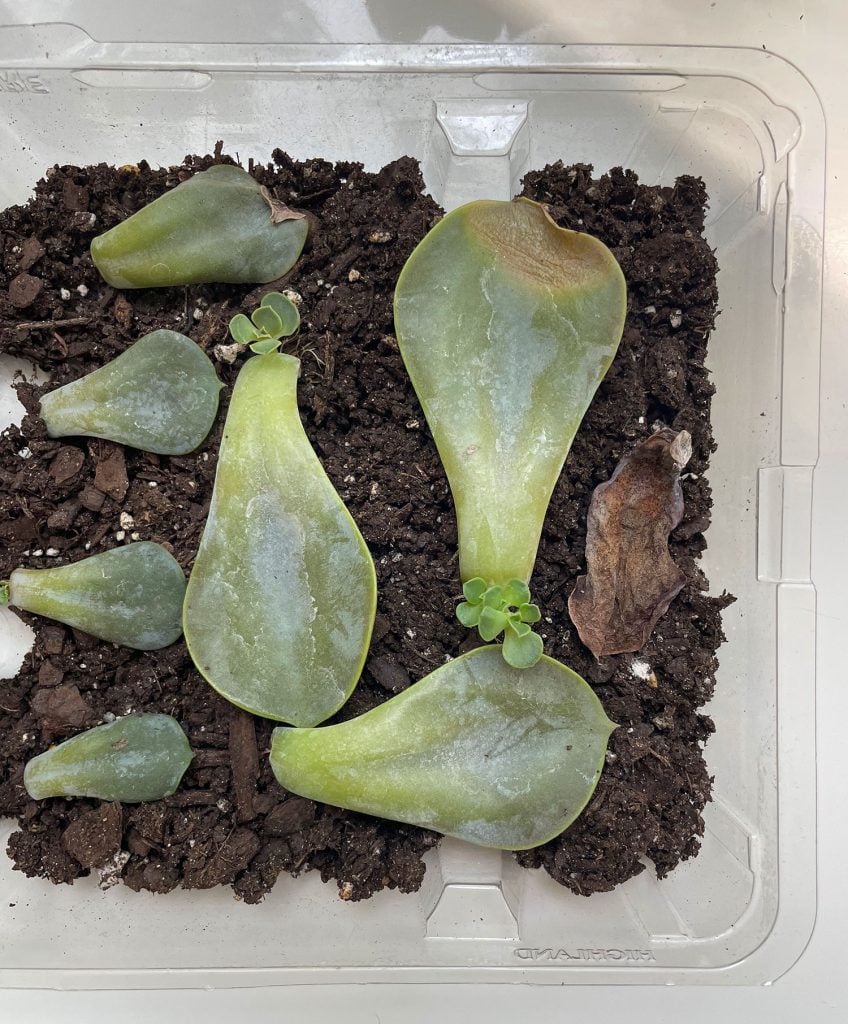
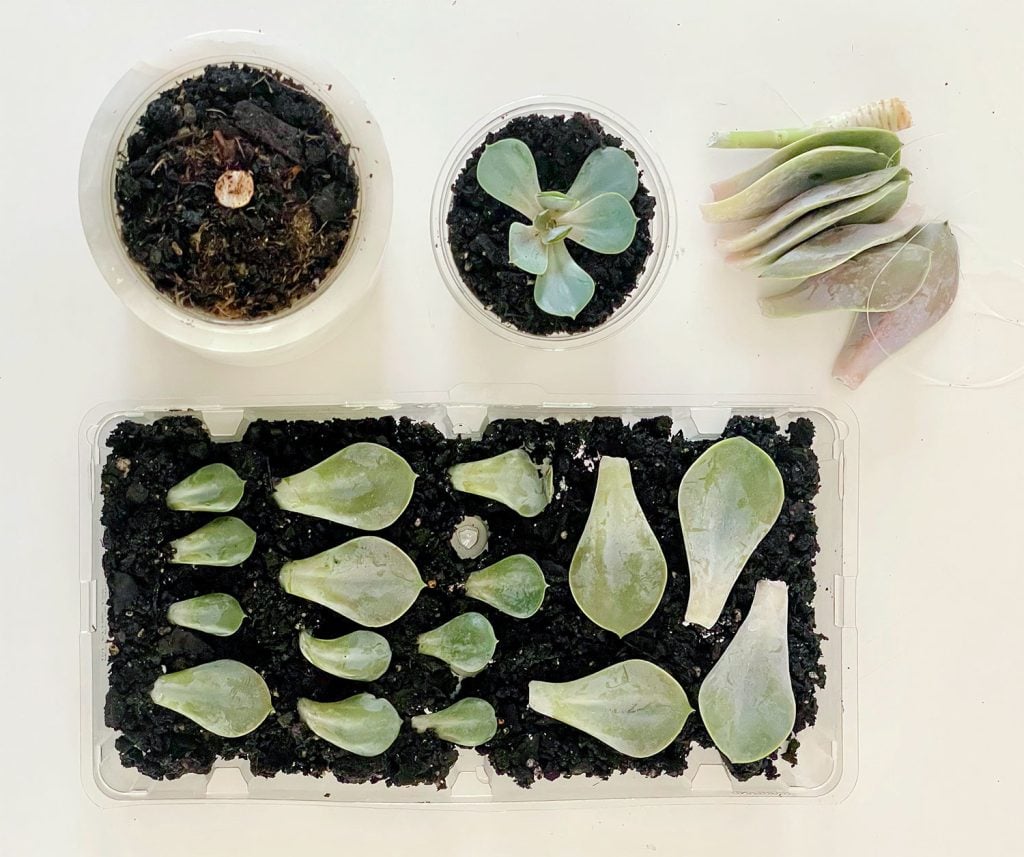
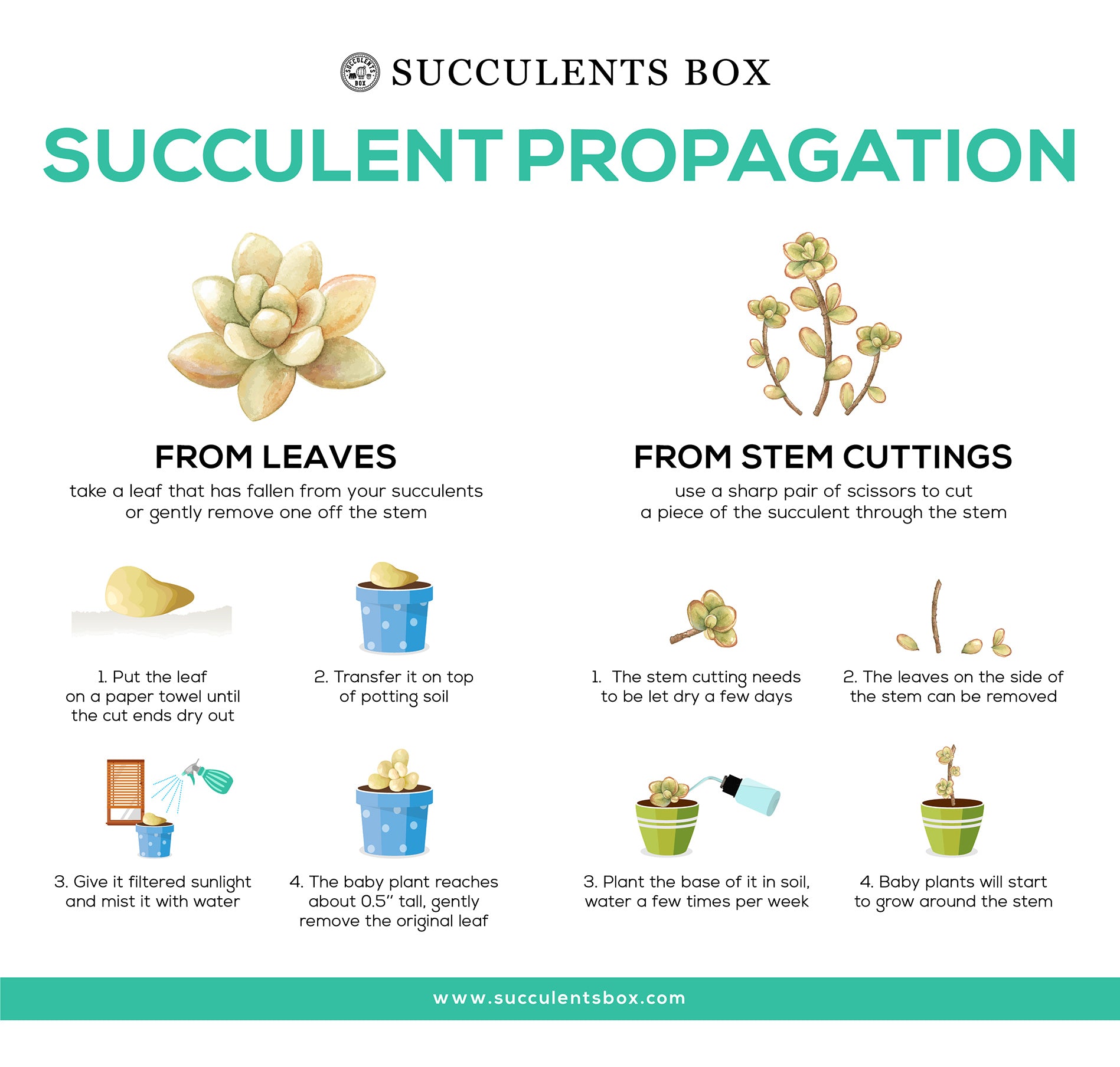
Leaf propagation is a classic technique that fits a zero-waste approach. Gently snap a healthy leaf from the mother plant, ensuring a clean break at the base. Let the leaf callous for a few days to prevent rot. If you skip the drying phase, the leaf will likely turn to mush once it hits the soil.
Instead of using plastic seedling trays, consider eggshells as mini-pots. Thoroughly rinse the eggshells and carefully crack them open, creating a small opening for drainage. The calcium carbonate in eggshells is actually beneficial for root development, as noted by researchers at UC Marin Master Gardeners (ucanr.edu). Fill the shell with a suitable propagation medium – a mix of coco coir and vermiculite works well, avoiding traditional peat-based soil.
Moisture is key, but overwatering is a common pitfall. Keep the medium lightly moist, not soggy. Eggshells can crack easily, so handle them with care. Drainage holes are essential; if a shell doesn't have a natural opening, gently create one. Providing a humid environment, like covering the eggshells with a plastic dome (reused, of course!), can also help encourage root growth. Be patient – it can take several weeks for roots to appear.
Citrus peel for stem cuttings
Stem cuttings are another effective propagation method, especially for succulents that don’t readily propagate from leaves like Echeverias or Graptopetalums. Take a cutting from a healthy stem, ensuring it has at least a couple of nodes where leaves were previously attached. As with leaf propagation, allow the cut end to callous over for several days.
Here’s where citrus peels come in. Halved orange, grapefruit, or lemon peels make excellent biodegradable pots for smaller stem cuttings. The natural oils in citrus peels possess antifungal properties, which can help protect the cutting from rot. Make sure to poke a few drainage holes in the bottom of the peel to prevent waterlogging.
This method works best with cuttings that aren’t overly large, as the peel needs to provide adequate support. While I haven’t seen specific research comparing the rooting success in different citrus peels, I suspect the thickness and oil content might vary and affect the results. Monitor the cuttings closely and provide bright, indirect light.
Plastic-free water rooting
Water propagation is a popular and visually appealing method, allowing you to observe root development. However, it often involves small plastic containers. Let's ditch the plastic. Instead, consider using recycled glass jars, small glass bottles, or even thoroughly cleaned plastic clamshell packaging from berries or salads – giving it a second life.
Place the succulent cutting in the water, ensuring that at least one node is submerged. Change the water every few days to prevent algae growth and provide fresh oxygen. Once the roots are a centimeter or two long, carefully transplant the cutting into a soil-less mix. Remember, water propagation isn’t always successful; some succulents struggle to transition to soil.
Avoid shocking the cutting during the transition. Acclimate it to the soil mix by keeping the humidity high for a few days. Succulents grown in water often have weaker stems than those started in soil, so they may need extra support early on.
Avocado and banana peel boosters
For a truly unconventional approach, try using avocado halves or banana peels as temporary propagation vessels. Scoop out the fruit and create a few drainage holes in the bottom. The peels provide some nutrients to the developing roots, but they won’t last forever.
Banana peels, in particular, are rich in potassium, which is beneficial for plant growth. However, these peels decompose relatively quickly, so they’re best suited for short-term propagation. I’m not sure how well avocado halves hold up over extended periods, but they offer a biodegradable option for getting cuttings started.
These methods are more experimental and may not be as reliable as eggshells or citrus peels, but they’re a fantastic way to embrace the zero-waste ethos and see what works for you.
Sustainable soil-less mixes
Traditional succulent soil often contains peat moss, which is harvested from ecologically sensitive bogs. Let’s create a more sustainable alternative. Coconut coir is an excellent substitute for peat moss – it’s a renewable resource made from coconut husks. You can find it readily available in compressed bricks at most garden centers.
To further reduce waste, incorporate compost from your kitchen scraps. Fruit and vegetable peels, coffee grounds, and crushed eggshells can all be added to your compost pile. Once fully decomposed, this compost provides valuable nutrients for your succulents. A simple soil-less mix recipe could be 2 parts coconut coir, 1 part compost, and 1 part perlite or vermiculite for drainage.
Proper drainage is absolutely crucial for succulent health. A well-draining mix prevents root rot, a common issue with these plants. Avoid using garden soil, as it tends to retain too much moisture. Experiment with different ratios to find what works best for your climate and succulent varieties.
Soil-less Mix Component Comparison for Succulent Propagation
| Component | Drainage | Nutrient Content | Environmental Impact | Cost |
|---|---|---|---|---|
| Coconut Coir | Good | Low to Medium | Sustainable (byproduct of coconut processing), requires transport | Moderate |
| Compost (Well-Rotted) | Moderate | High | Excellent for reducing waste, potential for weed seeds | Low to Moderate (depending on source) |
| Perlite | Excellent | Very Low | Mined resource, lightweight for transport | Moderate |
| Vermiculite | Good | Low | Mined resource, can retain excess moisture | Moderate |
| Coarse Sand (Horticultural) | Excellent | Very Low | Mined resource, heavy for transport | Low to Moderate (depending on type and location) |
| Rice Hulls | Good | Low | Agricultural byproduct, lightweight | Low to Moderate (availability varies) |
| Shredded Cardboard (Unprinted) | Moderate | Very Low | Excellent for recycling, breaks down over time | Very Low |
Qualitative comparison based on the article research brief. Confirm current product details in the official docs before making implementation choices.
Fixing common issues
Zero-waste propagation isn’t without its challenges. Root rot is a frequent problem, often caused by overwatering or poor drainage. If you notice mushy, brown roots, reduce watering and ensure the propagation medium is well-draining. You might need to repot the cutting into a fresh mix.
Mold can also develop, especially in humid environments. Improve air circulation by providing more space between cuttings or using a small fan. A diluted solution of cinnamon water (cinnamon has antifungal properties) can help combat mold growth. Lack of root development can be frustrating. Ensure the cutting is calloused properly and receiving enough light.
Not every attempt succeeds. Sometimes a cutting just won't root regardless of the method. If one fails, try another with a different scrap material. Propagation is a skill that gets better the more you do it.
No comments yet. Be the first to share your thoughts!