

The rise of succulent walls
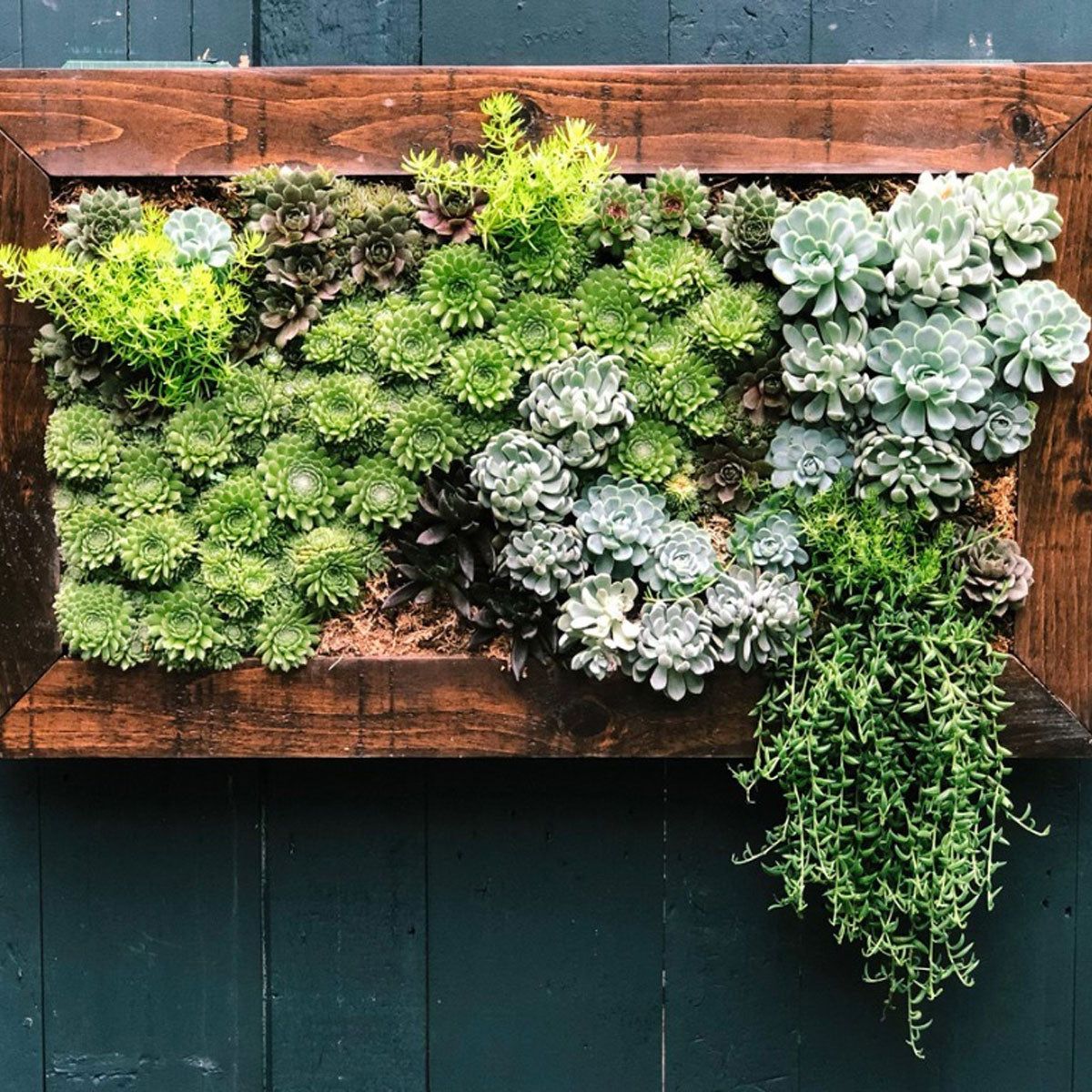
Vertical succulent gardens aren't new, but they're everywhere now. It makes sense—they look great and don't take up floor space, which is a big deal if you're living in a cramped apartment. I've found they're the easiest way to get some green into a room without tripping over pots.
Beyond aesthetics, these gardens offer some surprising benefits. Succulents are known for their air-purifying qualities, contributing to a healthier indoor environment. Studies have shown that interacting with plants can reduce stress and boost mood, making a succulent wall a welcome addition to homes and offices. It’s a much more engaging wall than paint, really.
Initially, creating a living wall felt like a project for seasoned gardeners. But now, with more accessible materials and simplified techniques, anyone can bring this concept to life. We’re seeing a move away from overly complex systems toward more modular and DIY-friendly options. This accessibility is driving the current surge in interest. It's not just a trend; it’s a shift in how people think about integrating nature into their living spaces.
How to propagate for vertical systems
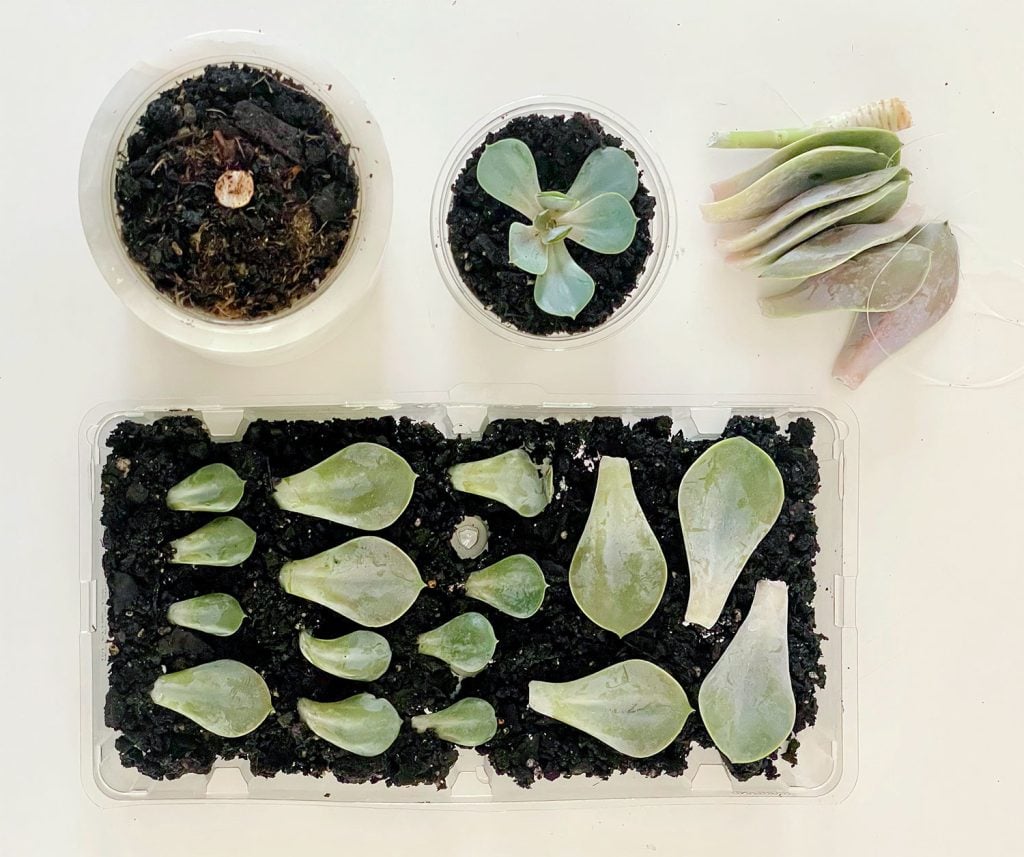
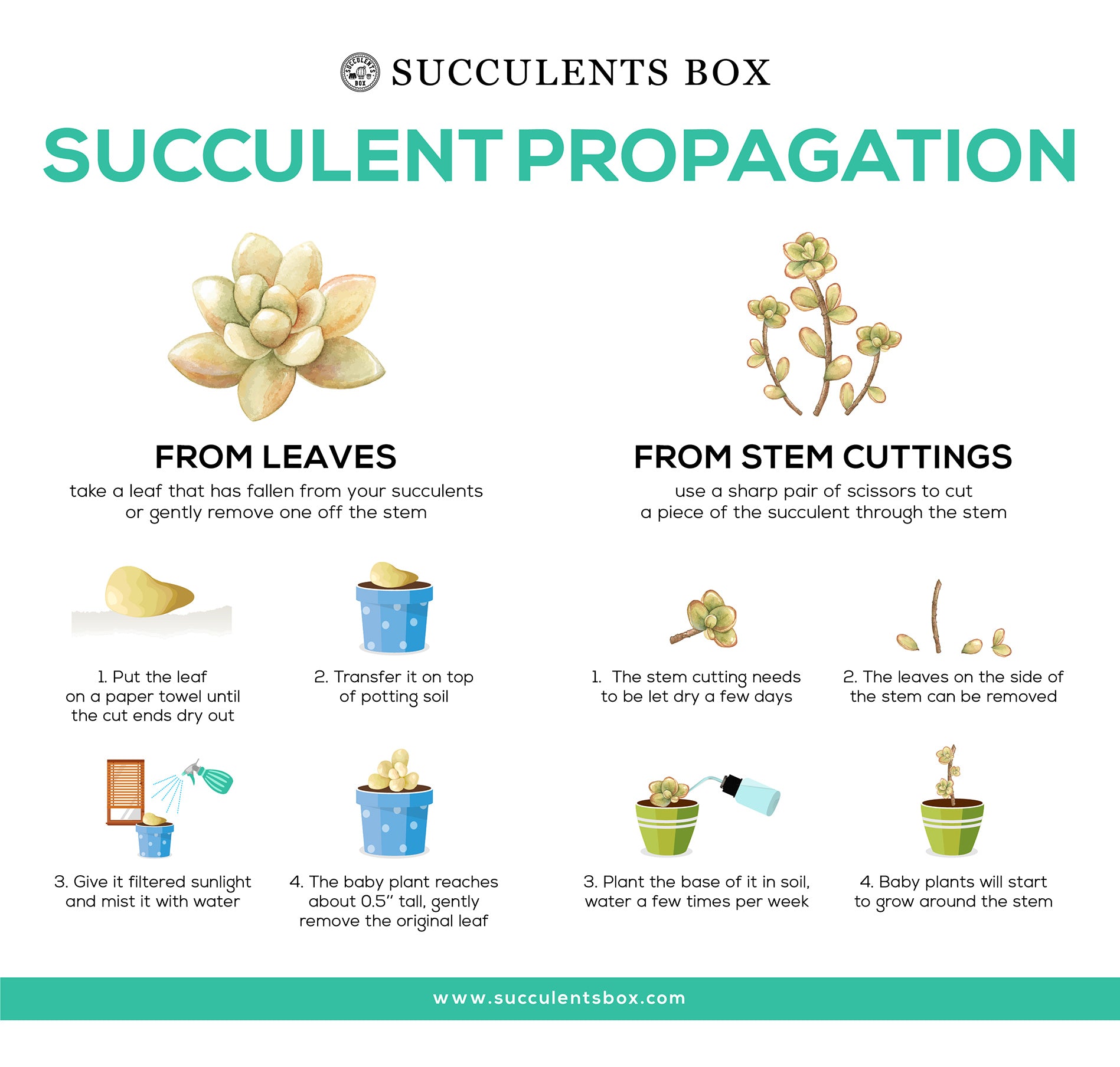
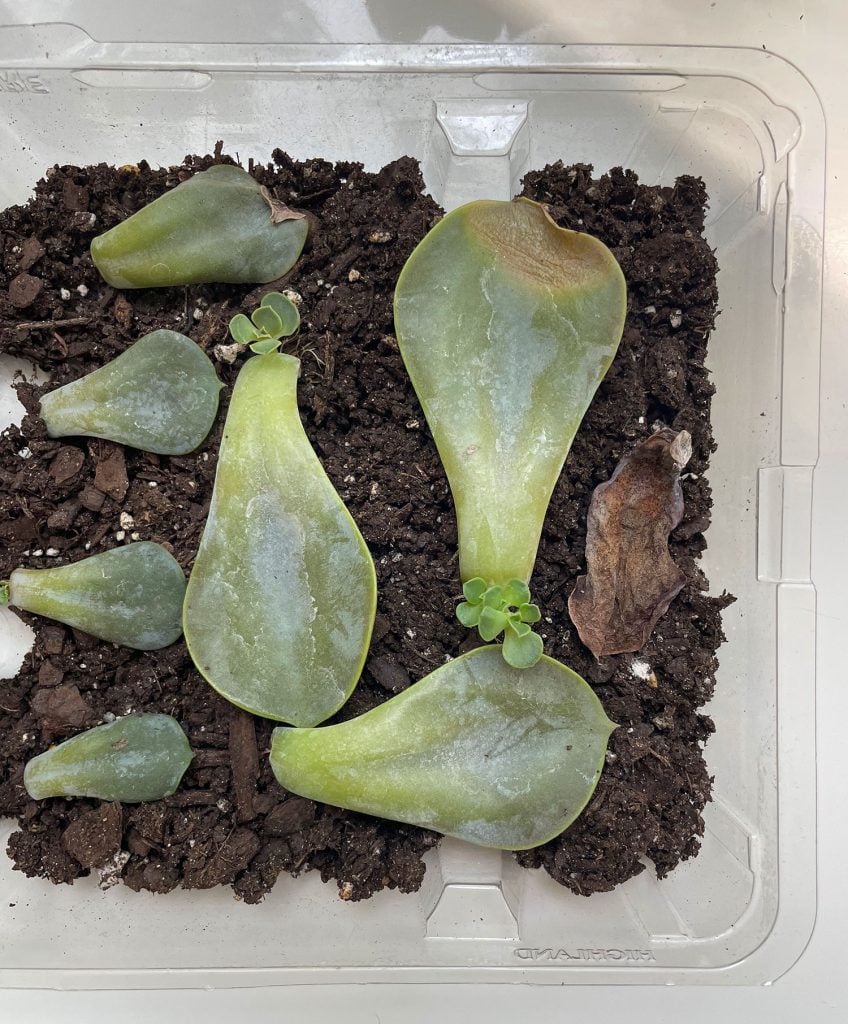
The foundation of any successful vertical succulent garden is, of course, the succulents themselves. And the most cost-effective way to build a substantial display is through propagation. There are several methods, each with its own advantages and disadvantages. Leaf propagation is probably the most well-known, and certainly the easiest for many beginners. Simply allow a leaf to callous over for a few days, then lay it on top of well-draining soil. New roots and a tiny plant will emerge over time.
Stem cuttings are another reliable method, particularly for succulents that produce longer stems like Sedum or Echeveria. Allow the cut end to callous, then plant it directly into the soil. Offsets, or "pups", are small plantlets that grow from the base of the mother plant. These can be carefully separated and planted individually. They have a head start, so they tend to establish more quickly. The UC Marin Master Gardeners at ucanr.edu have excellent resources on proper techniques for all of these.
Seed starting is possible, but it’s significantly slower and less predictable than other methods. It's best suited for those who want to experiment with less common varieties or hybrids. Leaf propagation typically takes several weeks to months, while stem cuttings and offsets can root within a few weeks. Seeds, on the other hand, can take months or even years to reach a substantial size. Success rates also vary. Leaves have a lower success rate than offsets, and some succulent varieties are notoriously difficult to propagate from cuttings.
Keep in mind that not every succulent works the same way. Graptopetalum and Echeveria are usually easy to grow from leaves. If you try that with Haworthia or Aloe, you'll probably fail; those are better off with stem cuttings or pups.
Picking a vertical structure
Once you have your propagated succulents, you need a structure to support them. The options are surprisingly diverse, ranging from simple DIY projects to sophisticated, commercially available systems. Pocket planters are a popular choice, offering a relatively inexpensive and easy way to create a vertical display. These are typically made of felt or fabric and are hung on a wall.
Pallet gardens are another budget-friendly option, but require more preparation. You'll need to line the pallet with landscape fabric to create pockets for the soil. Repurposed materials like old shelves or shoe organizers can also be transformed into unique vertical gardens. However, these options may not be as durable or aesthetically polished as purpose-built systems.
Commercially available systems, while more expensive, often offer superior drainage, ease of installation, and a more refined look. These systems typically consist of a frame with integrated planting modules. They can be modular, allowing you to customize the size and shape of your garden. The cost can range from around $50 for a small pocket planter to several hundred dollars for a larger, more elaborate system.
Consider the weight of the structure when fully planted. Succulents aren’t heavy, but wet soil adds significant weight. Ensure your wall can support the load. Also, think about watering. Systems with integrated irrigation can simplify maintenance, but may require a water source nearby.
Vertical Garden Structure Comparison
| Structure Type | Cost | Installation Difficulty | Watering Ease | Aesthetic Flexibility | Weight Capacity |
|---|---|---|---|---|---|
| Pocket Planters | Low to Medium | Low | Medium | Medium | Low to Medium |
| Pallet Gardens | Low | Medium to High | Medium | Medium | Medium |
| Repurposed Shelves | Low to Medium | Medium | Medium | High | Medium to High |
| Commercial Systems | Medium to High | Low to Medium | High | Medium | High |
Illustrative comparison based on the article research brief. Verify current pricing, limits, and product details in the official docs before relying on it.
Soil and water requirements
Successful vertical succulent gardens hinge on two critical factors: soil and watering. In a traditional pot, excess water can drain freely. In a vertical system, drainage is often more restricted, making it crucial to use a well-draining soil mix. Standard potting soil retains too much moisture and can lead to root rot. A good mix will consist of a base of cactus or succulent potting mix, amended with perlite and coarse sand.
I recommend a ratio of 1 part potting mix, 1 part perlite, and 1 part coarse sand. This provides excellent drainage while still retaining enough moisture to support growth. Avoid using soil that contains peat moss, as it can become compacted and inhibit drainage. The risk of root rot is significantly higher in vertical systems due to the potential for water to pool at the base of the plants.
Watering is equally important. Allow the soil to dry out completely between waterings. The frequency will depend on the climate, the type of succulents, and the material of the vertical structure. Check the soil moisture by sticking your finger into the soil. If it feels dry, it's time to water. Avoid overhead watering, which can lead to fungal diseases. Instead, water directly at the base of the plants.
Uneven drying can be a problem in some vertical systems, particularly those with thicker pockets of soil. To mitigate this, rotate the garden periodically to ensure all plants receive equal exposure to air and sunlight. Consider using a moisture meter to monitor soil moisture levels in different areas of the garden.
The best varieties for walls
Not all succulents are created equal when it comes to vertical gardening. Some varieties are better suited to this type of environment than others. Trailing succulents, such as Sedum morganianum (Burro’s Tail) and Senecio rowleyanus (String of Pearls), are excellent choices, as their cascading growth habit creates a beautiful, flowing effect. They look fantastic spilling over the edges of pocket planters.
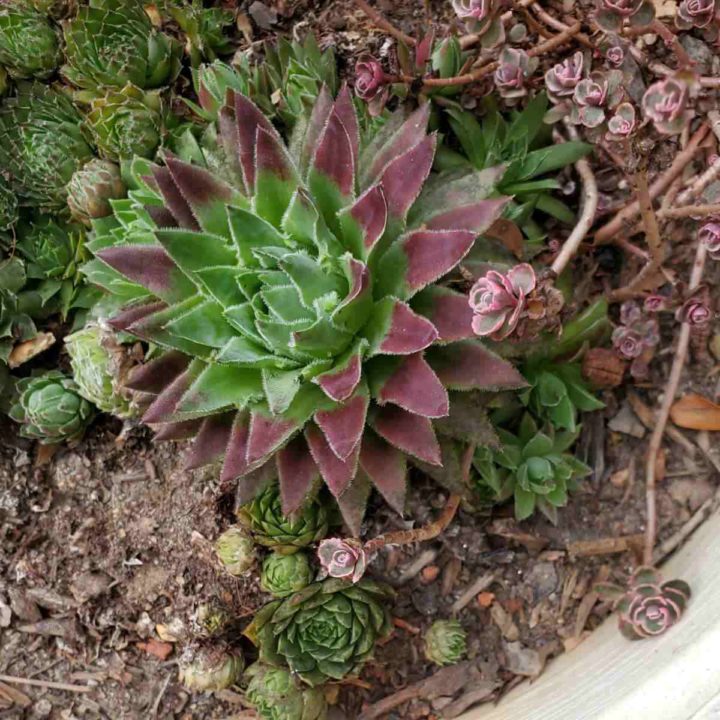
Rosette-forming succulents, like Echeveria and Sempervivum (Hens and Chicks), add structure and visual interest. Echeveria lilacina offers stunning purple hues, while Sempervivum tectorum is incredibly hardy. Upright succulents, such as Haworthia and Aloe, can provide vertical accents, but may require more frequent pruning to maintain their shape. Aloe aristata is a particularly good choice, as it’s relatively small and easy to propagate.
If your room is dark, go with Haworthia attenuata or Gasteria. They don't need much sun. I like mixing colors to keep it from looking boring—Graptosedum 'Bronze' has a nice copper look, and the Jelly Bean Plant turns red if you give it enough light.
Easy-to-propagate varieties like Sedum and Graptopetalum are ideal for expanding your garden quickly and replacing any plants that may not thrive.
- Trailing types like Burro’s Tail and String of Pearls work well for edges.
- Rosette-forming: Echeveria, Sempervivum tectorum (Hens and Chicks)
- Upright: Haworthia, Aloe aristata
- Low-light: Haworthia attenuata, Gasteria
Succulents for Vertical Gardens
- Sedum morganianum (Burro's Tail) - This trailing succulent features plump, blue-green leaves. Light: Bright indirect. Water: Allow soil to dry completely between waterings. Growth Habit: Trailing, cascading.
- Echeveria 'Perle von Nürnberg' - A popular Echeveria with beautiful, powdery purple-pink leaves. Light: Full sun to partial shade. Water: Moderate, allow soil to dry out. Growth Habit: Rosette forming, can spread slowly.
- Sempervivum tectorum (Hens and Chicks) - Extremely hardy and adaptable, producing many offsets ('chicks'). Light: Full sun. Water: Drought tolerant, water sparingly. Growth Habit: Rosette forming, offsets readily.
- Graptopetalum paraguayense (Ghost Plant) - Known for its pale, ghostly appearance and ease of propagation. Light: Full sun to partial shade. Water: Infrequent, allow soil to dry completely. Growth Habit: Rosette forming, trailing when mature.
- Crassula perforata (String of Buttons) - Unique stacked leaves create a visually interesting texture. Light: Bright indirect light. Water: Allow soil to dry out between waterings. Growth Habit: Trailing, can become quite long.
- Rhipsalis baccifera (Mistletoe Cactus) - A unique cactus with long, trailing stems. Light: Partial shade. Water: Regular during growing season, less in winter. Growth Habit: Epiphytic, trailing/hanging.
Keeping the garden alive
Even the most carefully planned vertical succulent garden will require some maintenance. Leggy growth, or etiolation, is a common problem, particularly in areas with insufficient light. This occurs when the plants stretch towards the light source, resulting in long, spindly stems. Provide more light or consider moving the garden to a brighter location.
Pests, such as mealybugs and aphids, can occasionally infest succulent gardens. Inspect your plants regularly and treat any infestations promptly with insecticidal soap or neem oil. Root rot is another potential issue, caused by overwatering or poor drainage. If you suspect root rot, remove the affected plants and allow the roots to dry out before replanting in fresh, well-draining soil.
Uneven growth can occur if some plants receive more light or water than others. Rotate the garden periodically and adjust your watering schedule as needed. Regular pruning is essential to maintain the shape and size of the garden. Remove any dead or damaged leaves and stems. Fertilize your succulents sparingly during the growing season (spring and summer) with a balanced succulent fertilizer.
Nutrient deficiencies can manifest as yellowing leaves or stunted growth. Address these by applying a diluted fertilizer solution. Remember, succulents are slow-growing plants, so don’t over-fertilize. A little goes a long way.
No comments yet. Be the first to share your thoughts!