

Succulents and indoor air
Cooking, cleaning, and even breathing release pollutants into our homes. While we often assume indoor air is safe, these everyday activities build up toxins that affect how we feel. Houseplants are a common suggestion for clearing the air, though their actual impact is often debated.
The idea gained significant traction after the 1989 NASA Clean Air Study, which investigated how houseplants could remove volatile organic compounds (VOCs) from sealed chambers. While the study was groundbreaking, it's important to understand its limitations. The conditions in those sealed chambers were far different than in a typical home, meaning the effect of a few plants in a well-ventilated space is likely more modest.
Plants still interact with their environment, and succulents are particularly useful because they don't require much attention. These 15 species are the most practical choices for a home office or bedroom in 2026.
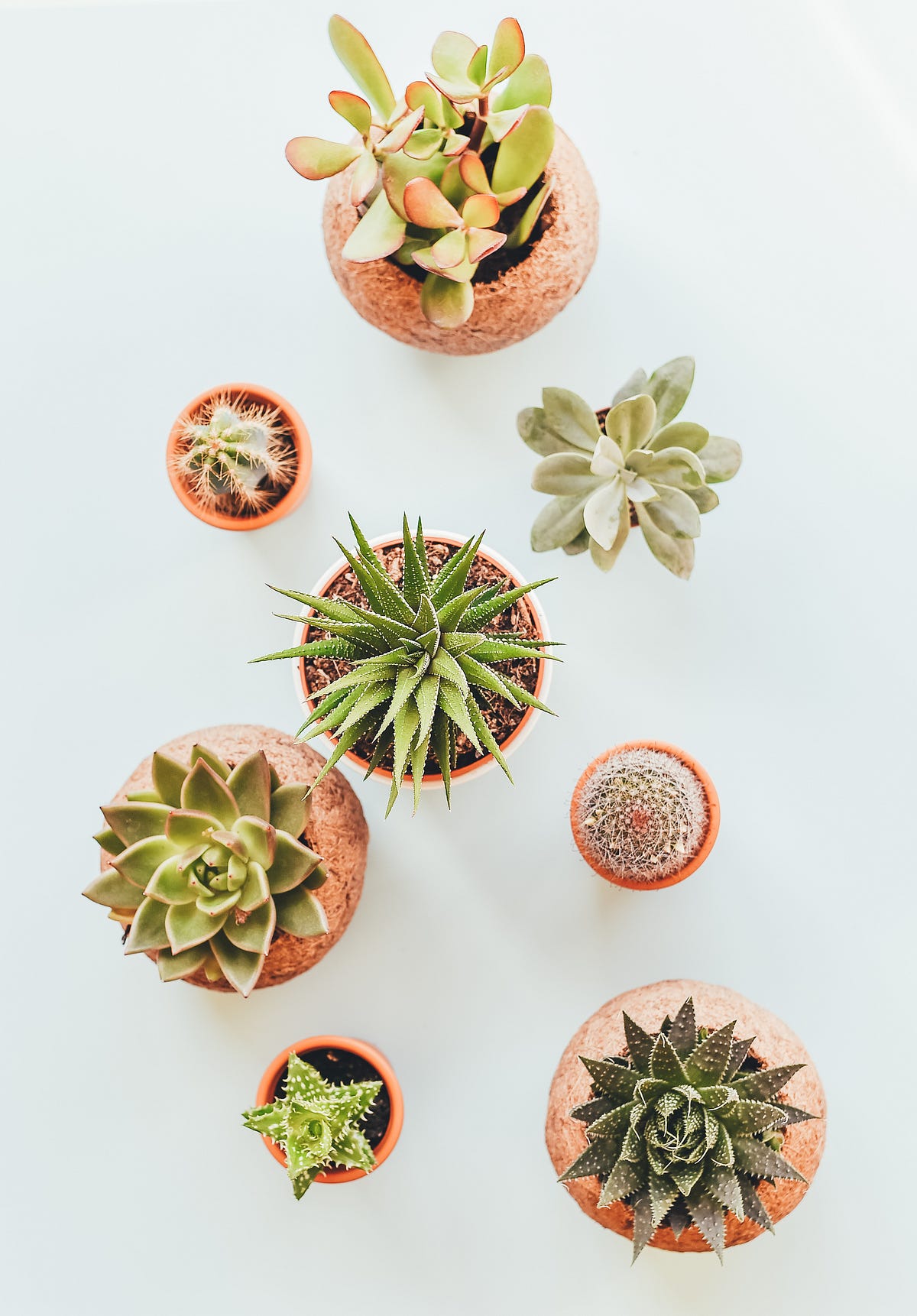
How they actually clean the air
Plants purify air through several mechanisms. The most well-known is the absorption of VOCs – chemicals emitted from common household items like paints, furniture, and cleaning products. Formaldehyde, benzene, and xylene are just a few examples of VOCs plants can help remove. Plants also contribute to cleaner air by increasing humidity through transpiration, which can alleviate dry skin and respiratory issues.
While research specifically on succulent air purification is less extensive than for other houseplants, their metabolic processes still contribute to these benefits. Succulents, like all plants, take in carbon dioxide and release oxygen during photosynthesis. Iowa State University Extension notes that succulents are efficient at converting CO2, which contributes to the overall improvement of air quality.
Succulents filter compounds like formaldehyde from building materials and benzene from detergents. The actual filtration rate depends on the plant's size and how much light it gets. Think of them as a small part of your ventilation strategy rather than a total cure for stale air.
Top 15 Air-Purifying Succulents
Choosing the right succulents for air purification and indoor success requires considering both their air-cleaning abilities and their care requirements. Here are 15 species that stand out, balancing these factors. Keep in mind that air purification levels will vary, and these plants are most effective when combined with good ventilation and other air-cleaning practices.
1. Snake Plant (Sansevieria trifasciata): Perhaps the most well-known for air purification, the Snake Plant is incredibly tolerant of neglect. It prefers bright, indirect light and infrequent watering. It's effective at removing formaldehyde, xylene, and benzene. Toxic to pets.
2. Spider Plant (Chlorophytum comosum): Often mistaken for a succulent, the Spider Plant shares similar care needs – bright, indirect light and well-draining soil. It’s excellent at removing formaldehyde and xylene. Non-toxic to pets.
3. Aloe Vera (Aloe barbadensis miller): Beyond its medicinal properties, Aloe Vera filters formaldehyde and benzene. It needs bright, direct sunlight and well-draining soil. Allow the soil to dry completely between waterings. Toxic to pets.
4. Haworthia (Haworthiopsis attenuata): A smaller, slower-growing succulent that’s perfect for desktops. Haworthia prefers bright, indirect light and infrequent watering. It contributes to air purification by absorbing small amounts of VOCs. Non-toxic to pets.
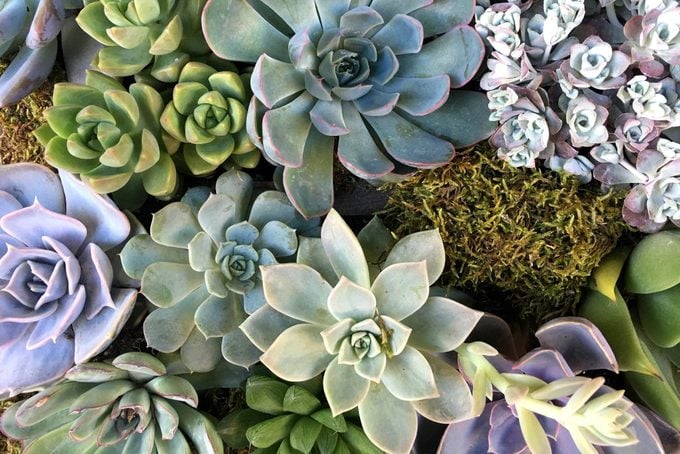
5. Echeveria: This genus boasts a huge variety of colors and shapes. Echeverias need bright, direct sunlight and well-draining soil. They’re relatively efficient at absorbing CO2. Most are non-toxic, but it’s best to check specific varieties.
6. Sedum (Stonecrop): Many Sedum varieties are suitable for indoors, especially those with trailing habits. They require bright light and well-draining soil. Sedums contribute to air purification by releasing oxygen. Non-toxic to pets.
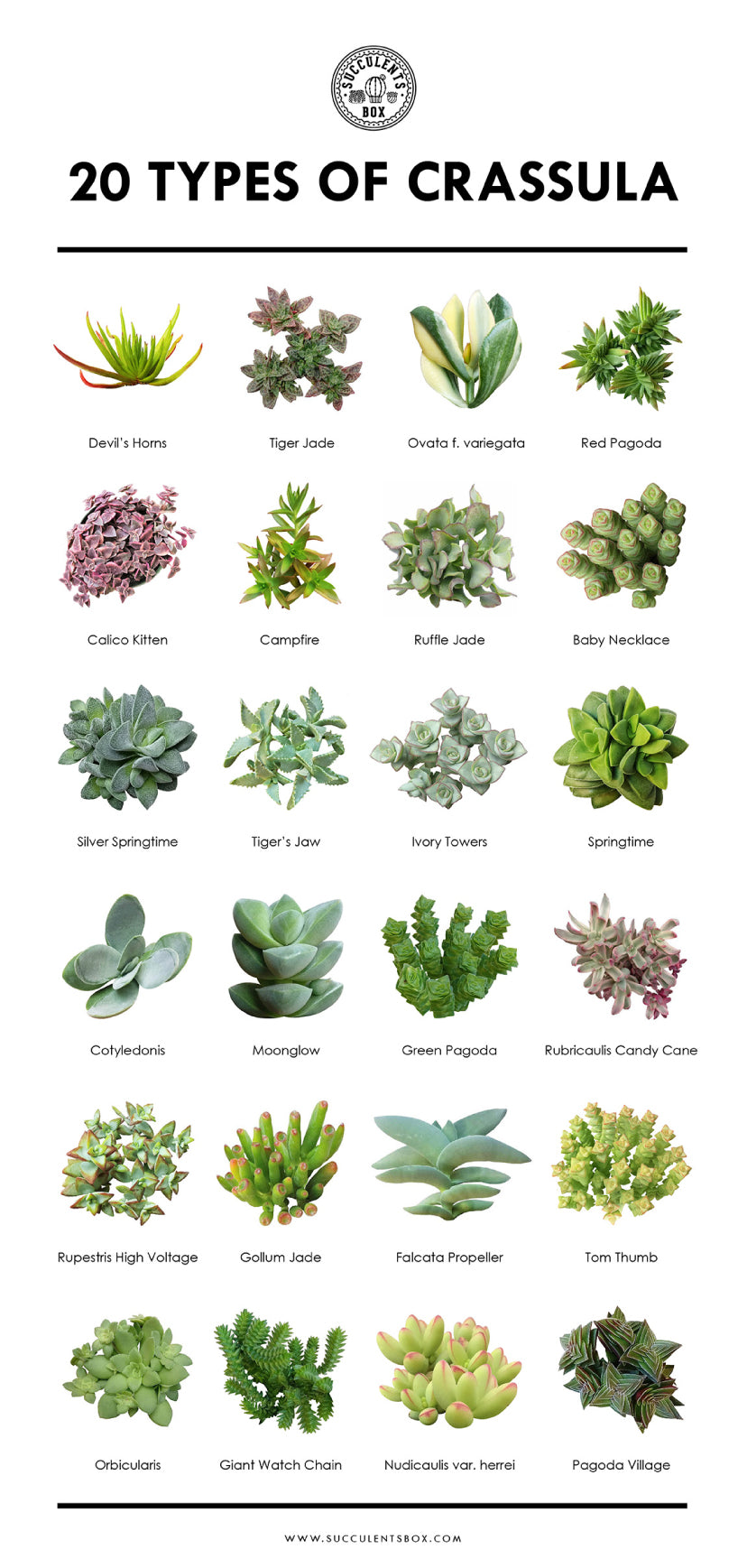
7. Crassula ovata (Jade Plant): A classic succulent known for its longevity. Jade Plants prefer bright, indirect light and infrequent watering. They release oxygen and absorb some VOCs. Mildly toxic to pets.
8. Kalanchoe blossfeldiana (Flaming Katy): Offers beautiful, long-lasting blooms. Kalanchoes need bright light and well-draining soil. They purify air and add a pop of color. Toxic to pets.
9. Graptopetalum paraguayense (Ghost Plant): Known for its pale, powdery leaves. Ghost Plants need bright, indirect light and well-draining soil. They contribute to air purification by absorbing CO2. Non-toxic to pets.
10. Sempervivum (Hens and Chicks): These hardy succulents produce offsets (chicks) around the mother plant (hen). They need bright, direct sunlight and well-draining soil. They contribute to air purification by releasing oxygen. Non-toxic to pets.
11. Rhipsalis (Mistletoe Cactus): An epiphytic cactus with trailing stems. Rhipsalis prefers bright, indirect light and slightly more moisture than other succulents. It contributes to air purification by absorbing VOCs. Non-toxic to pets.
12. Schlumbergera (Christmas Cactus): A popular holiday plant that blooms in winter. Christmas Cactus needs bright, indirect light and well-draining soil. It purifies air and adds festive cheer. Non-toxic to pets.
13. Euphorbia milii (Crown of Thorns): A thorny succulent with vibrant flowers. Crown of Thorns needs bright, direct sunlight and well-draining soil. Toxic to pets and humans.
14. Sedeveria "Jet Rebel’: A hybrid succulent with striking blue-grey leaves. It requires bright light and well-draining soil. It"s efficient at absorbing CO2. Non-toxic to pets.
15. Gasteria (Ox Tongue): A unique succulent with tongue-shaped leaves. Gasteria prefers bright, indirect light and well-draining soil. It contributes to air purification by releasing oxygen. Non-toxic to pets.
Featured Products
![HOME GROWN Succulent & Cactus Seed Kit for Planting – [Enthusiasts Favorites] Premium Cactus & Succulent Starter Kit: 4 Planters, Drip Trays, Markers, Seeds Mix, Soil - DIY Gift Kits](https://m.media-amazon.com/images/I/81X326d6diL._AC_UL960_QL65_.jpg)
Complete seed starting kit · Includes seeds, soil, planters, and accessories · Suitable for beginners and enthusiasts
This kit provides a hands-on approach to growing air-purifying plants, offering a fun and educational experience.

Excellent air purifier · Low maintenance and drought-tolerant · Striking, modern appearance
Snake plants are renowned for their ability to filter indoor air pollutants, making them a practical and stylish addition to any room.

Effective air purification · Easy to care for · Produces 'spiderettes' for propagation
Spider plants are highly effective at cleaning the air and are exceptionally easy to care for, making them ideal for busy households.

Highly tolerant of low light and infrequent watering · Contributes to improved indoor air quality · Comes in a decorative pot
The ZZ plant is a remarkably hardy and attractive option for air purification, requiring minimal attention to thrive.
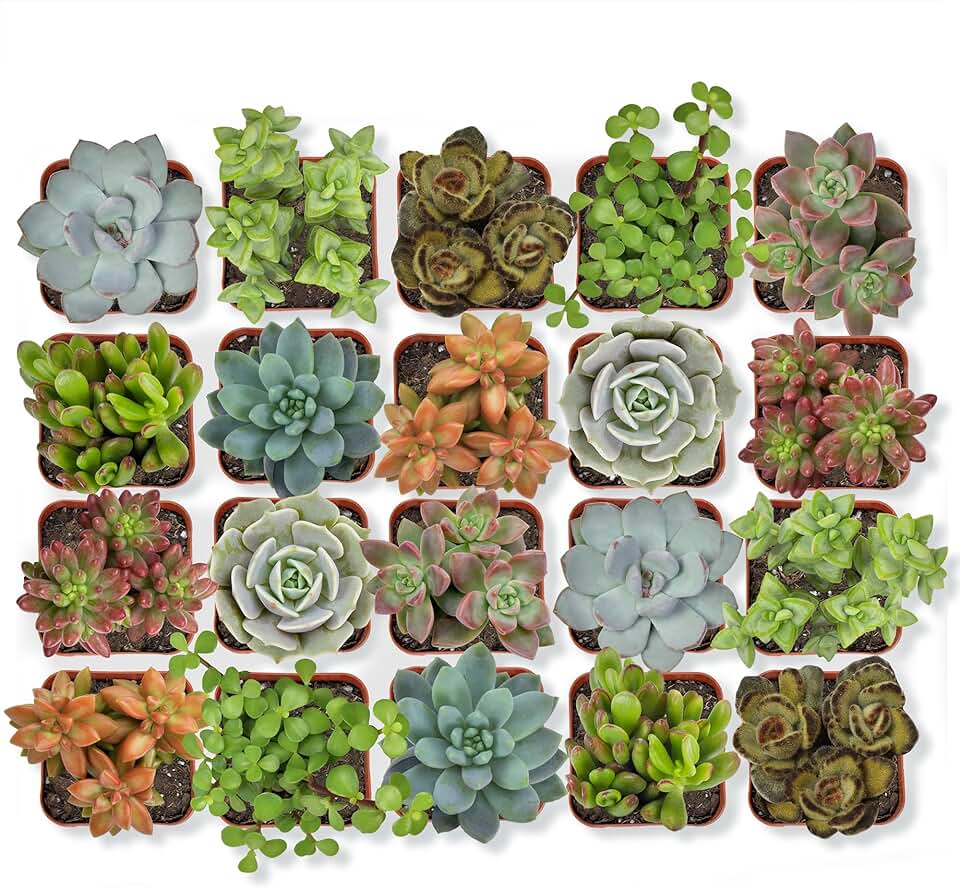
Assortment of 20 live succulents · Includes soil mix · Ideal for arrangements and decor
This bulk pack offers a cost-effective way to introduce a variety of air-purifying succulents, allowing for extensive decorating possibilities.
As an Amazon Associate I earn from qualifying purchases. Prices may vary.
Keeping them alive indoors
Successful indoor succulent care hinges on replicating their native, arid environments as closely as possible. Providing the right light, water, and soil is crucial. South-facing windows are ideal, offering the brightest light, but east or west-facing windows can also work, especially with supplemental grow lights during darker months.
Watering is where many people struggle. Succulents prefer the "soak and dry" method. Water thoroughly until water drains from the bottom, then allow the soil to dry completely before watering again. Overwatering is a common killer. The Washington State University extension recommends checking the soil moisture with your finger – if it feels even slightly damp, wait before watering.
Soil is equally important. Use a well-draining cactus or succulent mix. Regular potting soil retains too much moisture and can lead to root rot. Choose pots with drainage holes to allow excess water to escape. Terra cotta pots are a good choice as they are porous and allow for better air circulation around the roots.
Succulents & Humidity
Most succulents prefer drier air, mirroring the arid climates they originate from. However, indoor heating and cooling systems can create very dry conditions, especially during winter. While succulents are tolerant of dryness, extremely low humidity can sometimes cause leaf tips to brown.
If you notice this, you can increase humidity slightly by placing the plant on a pebble tray filled with water (making sure the pot isn’t sitting in the water) or by grouping plants together. Avoid misting, as this can lead to fungal diseases. Haworthia and Gasteria are generally more tolerant of slightly higher humidity levels than other succulents.
Standout Species: Haworthia & Echeveria
Within the world of succulents, Haworthia and Echeveria are particularly popular choices for beginners, and for good reason. Both genera offer a wide variety of shapes, colors, and textures, making them visually appealing additions to any indoor space. They are also relatively easy to care for, making them ideal for those new to succulent gardening.
Haworthia, often called Zebra Plants due to the striped patterns on their leaves, are slow-growing and prefer bright, indirect light. They tolerate lower light conditions better than many other succulents, making them suitable for north-facing windows. Varieties like Haworthiopsis attenuata and Haworthia cooperi are particularly striking.
Echeveria, on the other hand, thrives in bright, direct sunlight. These rosette-forming succulents come in a stunning array of colors, from pale greens and blues to deep purples and reds. Popular varieties include Echeveria elegans (Mexican Snowball) and Echeveria "Perle von Nürnberg". Proper light is essential for maintaining their vibrant colors and compact form.
Troubleshooting Common Issues
Even with the best care, you might encounter some common problems with your indoor succulents. Identifying the issue quickly is key to getting them back on track. Here’s a quick checklist to help:
Yellowing Leaves: This can indicate overwatering, underwatering, or nutrient deficiency. Check the soil moisture and adjust your watering schedule accordingly. Consider fertilizing during the growing season.
Leggy Growth (Etiolation): This happens when succulents don't receive enough light. Move the plant to a brighter location or supplement with a grow light.
Pests (Mealybugs, Aphids): These pests can infest succulents, causing damage to their leaves and stems. Treat infestations with insecticidal soap or neem oil.
Root Rot: Caused by overwatering, root rot is often fatal. If you suspect root rot, remove the plant from its pot, trim away any rotten roots, and repot in fresh, well-draining soil.
- Yellowing Leaves: Check soil moisture, adjust watering, consider fertilizing.
- Leggy Growth (Etiolation): Move to brighter location or use a grow light.
- Pests (Mealybugs, Aphids): Treat with insecticidal soap or neem oil.
- Root Rot: Remove plant, trim rotten roots, repot in fresh soil.
No comments yet. Be the first to share your thoughts!