

The environmental cost of peat and perlite
Most store-bought succulent mixes rely on peat moss and perlite. Peat harvesting strips wetlands and releases carbon, while perlite requires high-heat mining. We need better alternatives for the base of our pots.
The good news is that creating a sustainable succulent soil mix isn’t just good for the planet; it’s good for your plants and your wallet. DIY mixes allow for greater control over ingredients, tailoring the blend to your specific succulents’ needs and local climate. You can often source materials for free or at a very low cost, reducing the overall expense of succulent care. Plus, there’s a certain satisfaction in knowing you’re minimizing your environmental impact.
A homemade mix often drains better than a bag of Miracle-Gro. You get to control the grit and the nutrients without the environmental baggage of industrial processing.
What makes a good mix
Succulents thrive in well-draining soil. This isn't just a preference; it's essential for preventing root rot, a common killer of these drought-tolerant plants. A good succulent soil mix needs to balance three key properties: drainage, aeration, and water retention. Drainage ensures excess water flows away quickly, aeration provides oxygen to the roots, and water retention holds enough moisture for the plant to access between waterings.
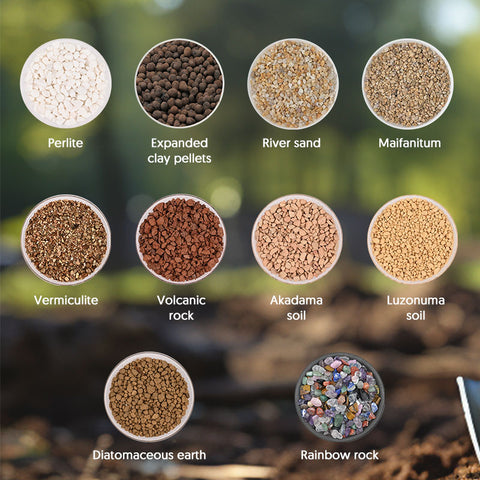
Inorganic materials form the backbone of most succulent mixes. Pumice and lava rock are excellent choices, providing superb drainage and aeration. Grit, like decomposed granite or chicken grit, adds weight and further improves drainage. Organic materials, such as compost or coco coir, contribute to water retention and provide some nutrients. However, organic matter should be used sparingly – succulents don’t need a lot of it.
Standard potting soil is generally unsuitable for succulents. It retains too much water, leading to soggy conditions and root rot. It’s also often too rich in organic matter, encouraging fungal growth. Think of succulent soil as a gritty, porous medium, not a fluffy, nutrient-rich blend. The goal is to mimic their natural, rocky environments.
Recycled & Reclaimed: Materials You Already Have
The beauty of sustainable succulent soil is that you likely already have many of the ingredients lying around. Crushed brick or terra cotta pots are fantastic for adding drainage and a slightly alkaline pH boost – just ensure they are thoroughly crushed and sifted to remove sharp edges. Old landscaping projects often leave behind decomposed granite, which can be repurposed directly into your mix.
You can use charcoal from spent BBQ briquettes if they are pure wood. Avoid anything with lighter fluid or 'match-light' chemicals. Charcoal keeps the soil airy and soaks up impurities. I also use crushed eggshells for a calcium boost; just bake them at 200°F for 15 minutes first to kill bacteria.
Pine bark fines, a byproduct of bark processing, can be used but source them responsibly. Avoid bark from treated wood or areas with known pesticide use. Always sift any reclaimed materials to remove large particles and debris. Safety is paramount, so wear a mask when crushing brick or handling charcoal dust. While it seems counterintuitive, even clean, crushed glass can be a component, adding drainage and a unique texture.
Six recipes for 2026
Here are six recipes to get you started, ranging in complexity and cost. Ratios are given by volume (e.g., 1 part pumice, 1 part coco coir). Remember to adjust based on your specific climate and succulent types. More humid environments will benefit from a grittier mix.
Basic Recycled Grit Mix: 2 parts crushed brick/terra cotta, 1 part decomposed granite, 1 part horticultural charcoal. This is a simple, cost-effective mix ideal for many succulents. It’s particularly good for plants that prefer drier conditions.
Coco Coir & Charcoal Blend: 1 part coco coir, 2 parts pumice, 1 part horticultural charcoal, 1/2 part crushed eggshells. Coco coir adds a bit more water retention, making this suitable for succulents that appreciate slightly more moisture.
Decomposed Granite Special: 3 parts decomposed granite, 1 part lava rock, 1/2 part pine bark fines. This mix is excellent for cacti and other desert succulents, offering exceptional drainage and aeration.
Eggshell Boost Mix: 2 parts pumice, 1 part coco coir, 1/2 part crushed eggshells, 1/2 part horticultural charcoal. The extra calcium from the eggshells can promote healthy growth, especially for succulents prone to calcium deficiencies.
Bark-Heavy for Desert Cacti: 2 parts pine bark fines, 2 parts decomposed granite, 1 part lava rock. This mix is specifically formulated for cacti that thrive in very well-draining, slightly acidic conditions. All-Recycled Emergency Mix: Equal parts crushed brick, decomposed granite, and horticultural charcoal. A quick fix when other materials are unavailable.
Fixing common soil problems
Even with careful planning, your succulent soil mix might not always perform as expected. Soil compaction is a common issue, often caused by using too much fine material. Add more inorganic matter like pumice or lava rock to improve aeration. Poor drainage can lead to root rot, so amend the mix with more grit or charcoal.
If you notice yellowing leaves or stunted growth, your plant may be experiencing nutrient deficiencies. While succulents don't require heavy fertilization, a small amount of compost or worm castings can provide a boost. Adjusting pH levels can also be necessary. If your soil is too acidic, add crushed eggshells or lime (use sparingly).
Diagnosing the problem often comes down to observing your plant and examining the soil. Soggy soil and mushy roots indicate poor drainage. Dry, compacted soil suggests a lack of aeration. Yellowing leaves can be a sign of nutrient deficiencies or pH imbalances. Don't be afraid to experiment and adjust your mix until you find the perfect balance for your succulents.
Better potting habits
Sustainable succulent care extends beyond the soil itself. Consider your pot choices carefully. Terracotta pots are a classic choice, offering excellent drainage and breathability. Recycled plastic pots are a good alternative, but ensure they have adequate drainage holes. Upcycled containers – old cans, teacups, even boots – can add a unique touch to your garden.
Always include a drainage layer at the bottom of your pots. Use recycled gravel, broken pottery shards, or even small pieces of brick. This helps prevent waterlogging and promotes healthy root growth. Avoid using plastic liners, as they trap moisture and hinder drainage.
Responsible watering techniques are crucial. Water deeply but infrequently, allowing the soil to dry out completely between waterings. Avoid overhead watering, which can lead to fungal diseases. By combining a sustainable soil mix with mindful potting and watering practices, you can create a thriving succulent garden that’s both beautiful and environmentally responsible.
- Use terracotta or unglazed ceramic to let the roots breathe.
- Ensure adequate drainage holes.
- Add a drainage layer of recycled materials.
- Avoid plastic liners.
- Water deeply but infrequently.
No comments yet. Be the first to share your thoughts!