

Succulents and the rise of smart care
Succulents have exploded in popularity, and for good reason – they’re relatively low-maintenance and offer incredible variety. But even experienced plant lovers face challenges. Overwatering is a common killer, and knowing when to adjust light exposure or address potential pest problems can be tricky. That's where technology comes in.
For a long time, 'plant care' meant following general rules of thumb. Now, though, we're seeing a shift towards a more data-driven approach. It's not about replacing the gardener, but equipping them with better information. We’re moving beyond simple timers and into a world of sensors and analysis.
The idea of fully robotic succulent care feels distant, honestly. The real advancements in the next few years won’t be robots, but sophisticated tools that help us provide better care. By 2026, I expect to see a significant increase in the accessibility and accuracy of these tools, making succulent care even more rewarding.
Smart systems help save water and cut down on pesticides. I've seen them make a real difference for people who usually struggle to keep a simple Echeveria alive.
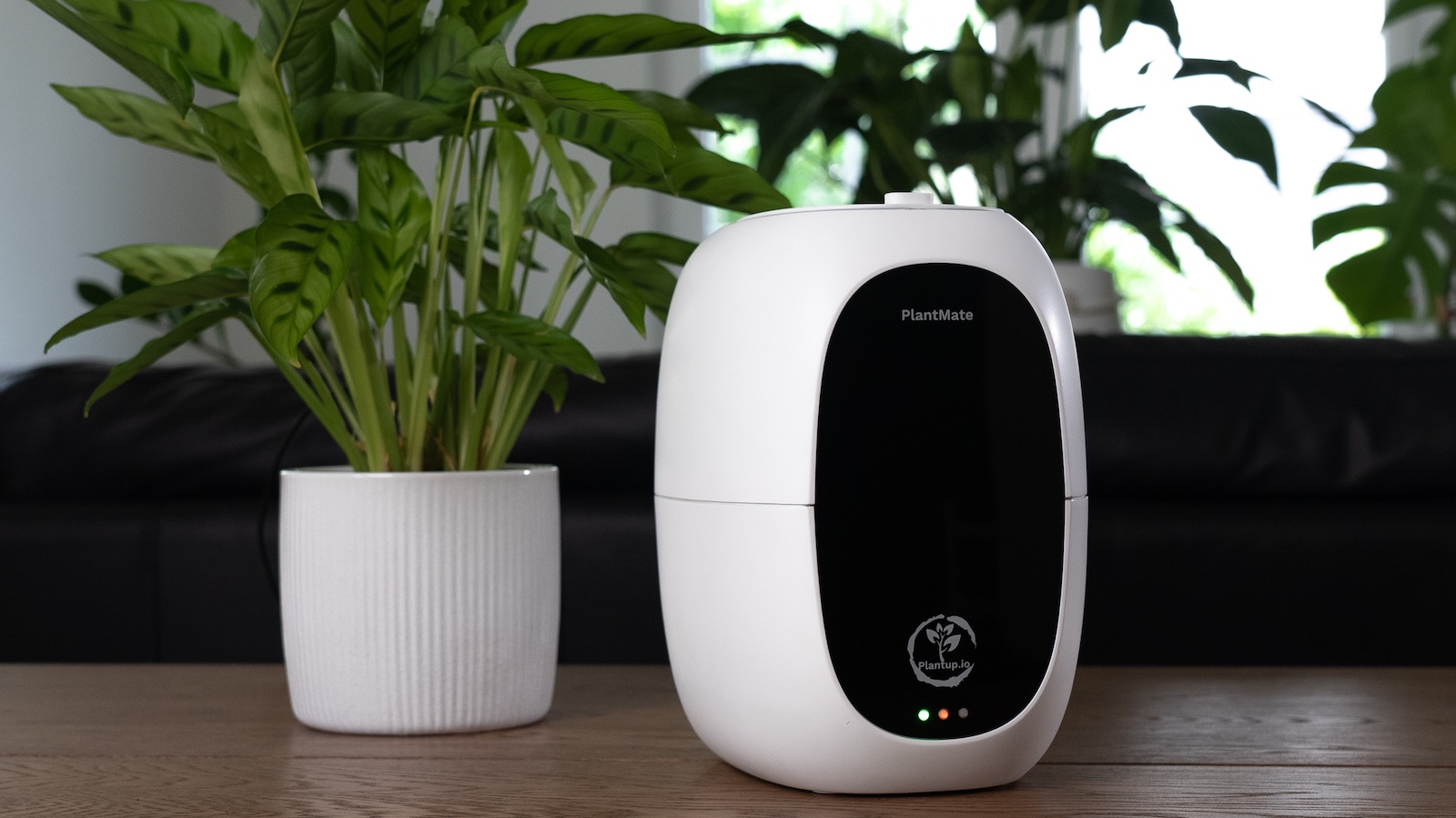
Smart watering beyond timers
Automated watering isn't new. For years, simple timers have been the go-to solution for consistent moisture. These are readily available at most garden centers and hardware stores, often costing between $20 and $50. However, a timer treats all plants the same, regardless of their specific needs, pot size, or even the current weather.
The next step up is soil moisture sensors. These devices measure the water content in the soil and can trigger watering when levels drop below a certain threshold. These typically run from $30 to $100 per sensor, and can be a big improvement over timers, but they still lack nuance. A single sensor provides a localized reading – it doesn't account for variations within the pot.
Where AI enters the picture is in data analysis. Modern smart watering systems integrate data from soil moisture sensors with other factors like plant species (a Sedum needs less water than an Echeveria), pot size, local weather forecasts, and even the plant’s growth stage. The system learns and adjusts the watering schedule accordingly. Koubachi, for example, was an early player in this space, though its current availability is limited.
Current systems aren't perfect. Calibration can be tricky, and sensors can sometimes provide inaccurate readings. By 2026, I anticipate more sophisticated sensors that are less prone to error and algorithms that can better account for environmental factors. There’s also potential for systems that use image analysis – assessing leaf turgor to determine water needs – though that technology is still developing.
We'll likely see better integration with local weather data as well. Imagine a system that automatically reduces watering if rain is forecast, or increases it during a heatwave. This level of responsiveness is what separates true 'smart' watering from simply automated watering.
- Timers provide basic automation and are inexpensive, but they lack the precision needed for sensitive species.
- Soil moisture sensors offer more accuracy than timers but don't account for humidity or light levels.
- AI-powered systems combine multiple data points to create a specific watering schedule for each plant.
Monitoring plant health
Watering is just one piece of the puzzle. A healthy succulent needs the right amount of light, appropriate temperature and humidity, and protection from pests and diseases. Monitoring these factors can be challenging, but new technologies are making it easier.
Beyond soil moisture, sensors can now measure light intensity, temperature, and humidity. These sensors provide valuable data about the plant’s environment. Some systems, like the Parrot Flower Power (though its long-term viability is uncertain), attempted to combine these sensors into a single device. However, the accuracy and reliability of these early devices were sometimes questionable.
AI plays a role in analyzing this data to detect early signs of stress. For example, a sudden drop in light intensity coupled with a rise in temperature could indicate the plant is being moved to a less-than-ideal location. Similarly, changes in humidity could signal a potential fungal issue. This early detection is key to preventing serious problems.
Image recognition is another promising area. By analyzing photos of the plant, AI can potentially identify signs of disease, pest infestations, or nutrient deficiencies. However, I’m not sure how reliable this is yet – accurately diagnosing plant problems from photos is a complex task. Leaf color analysis, which attempts to determine nutrient levels based on leaf hue, is another avenue of research.
The challenge with many of these technologies is data interpretation. It's not enough to simply collect data; you need to understand what it means and how to respond. That’s where AI algorithms can really shine.
Current systems in 2024
The market is small, but you can find a few reliable options. Most focus on soil moisture and basic automation. Prices shift quickly, so check current listings before buying.
Koubachi, while having faced some distribution challenges, offered a sensor that monitored light, temperature, humidity, and soil moisture. It used an algorithm to provide personalized care recommendations, but its ongoing support is a concern for some users. Pricing in the past was around $100-$150.
Parrot Flower Power was another early entrant, but its availability is limited and support is questionable. It measured similar environmental factors as Koubachi and offered a mobile app for monitoring and control. It retailed for approximately $60-$80.
More recently, we’ve seen a rise in DIY-focused solutions and integration with broader smart home platforms. Companies like Xiaomi offer soil moisture sensors that can be integrated with their smart home ecosystem. These sensors generally cost between $20 and $40.
There are also numerous smaller companies developing specialized sensors and software for plant care. A search on platforms like Amazon or Etsy will reveal a wide range of options, but it’s important to carefully research the product and read reviews before making a purchase. DIY options utilizing Raspberry Pi or Arduino, while requiring more technical expertise, offer a highly customizable and cost-effective alternative.
AI-Assisted Succulent Care Systems - 2026 Comparison
| System Name | Watering Automation | Health Monitoring | Data Analysis | Ease of Use | Price Range |
|---|---|---|---|---|---|
| Bloomscape Plant Pal | Automated, scheduled watering based on plant type and environmental conditions. | Basic moisture level sensing; visual assessment reminders. | Simple trend tracking of moisture levels. | Very Easy - app-guided setup and maintenance. | Medium |
| Click & Grow Smart Garden 3 | Automated watering via reservoir; light cycle control. | Limited - primarily focuses on optimal growth conditions rather than disease detection. | Basic growth progress tracking; limited customization. | Easy - pre-seeded pods simplify planting. | Medium |
| Parrot Pot | Automated watering, soil moisture, temperature, and light intensity monitoring. | Soil moisture, temperature, and light intensity data. | Basic data logging and alerts; integration with other smart home devices. | Moderate - requires initial calibration and app connectivity. | High |
| PlantLink | Automated watering with customizable schedules and sensor-based adjustments. | Moisture, light, temperature, and fertilizer level sensing. | Data visualization and recommendations for optimal care; potential for predictive alerts. | Moderate - requires some technical understanding for advanced features. | Medium to High |
| Xiaomi Flower Care | Automated watering based on soil moisture and plant database. | Soil moisture, light, temperature, and humidity sensing. | Data logging and basic recommendations via mobile app. | Easy - user-friendly interface and setup. | Low to Medium |
| Veritable SMART Garden | Automated watering and LED grow light system. | Limited - focuses on providing optimal growth conditions. | Simple growth tracking and reminders. | Very Easy - pre-seeded pods and automated system. | Medium |
Illustrative comparison based on the article research brief. Verify current pricing, limits, and product details in the official docs before relying on it.
Building your own smart garden
For the tech-savvy succulent enthusiast, building your own smart care system is a viable option. The core of such a system would be a microcontroller like a Raspberry Pi or Arduino. A Raspberry Pi, costing around $40-$75, offers more processing power and networking capabilities, while an Arduino, typically around $20-$30, is simpler and more energy-efficient.
You’ll also need sensors – soil moisture sensors, light sensors, temperature and humidity sensors – which can be purchased individually for $10-$30 each. Connecting these sensors to the microcontroller requires some basic wiring and programming knowledge.
The software side involves writing code to read data from the sensors, analyze it, and control actuators like water pumps or LED grow lights. There are numerous online resources and tutorials available to help with this process. Python is a popular language for Raspberry Pi projects, while C++ is commonly used with Arduino.
The biggest challenge with a DIY approach is the time and effort required. It’s not a plug-and-play solution. However, the benefits – customization, cost savings, and a deeper understanding of your plants’ needs – can be significant. This is a great way to learn about electronics and programming while simultaneously improving your succulent care routine.
Basic Soil Moisture Monitoring Script
Smart watering systems start with reliable soil moisture monitoring. Here's a foundational Python script that demonstrates the core concepts of reading soil moisture data and determining watering needs for succulents. This example provides a framework that can be adapted to work with various moisture sensor types.
import time

# Initialize variables for sensor reading
# Note: This is a conceptual example - actual sensor libraries may vary
sensor_pin = 18  # GPIO pin number for soil moisture sensor
reading_interval = 3600  # Check moisture every hour (3600 seconds)

def read_soil_moisture():
    """
    Read soil moisture level from sensor
    Returns a value between 0-100 (0 = dry, 100 = wet)
    """
    # Placeholder for actual sensor reading logic
    # In practice, this would interface with your specific sensor hardware
    raw_value = 512  # Example raw sensor reading

    # Convert raw reading to percentage (0-100%)
    # Calibration values would need to be determined for your specific sensor
    dry_threshold = 1023  # Sensor reading when soil is completely dry
    wet_threshold = 300   # Sensor reading when soil is saturated

    # Calculate moisture percentage
    moisture_percent = ((dry_threshold - raw_value) / (dry_threshold - wet_threshold)) * 100

    # Ensure value stays within 0-100 range
    moisture_percent = max(0, min(100, moisture_percent))

    return round(moisture_percent, 1)

def check_watering_needed(moisture_level):
    """
    Determine if succulent needs watering based on moisture level
    Succulents prefer to dry out between waterings
    """
    # Most succulents should be watered when soil moisture drops below 20-30%
    dry_threshold = 25

    if moisture_level < dry_threshold:
        return True, f"Soil is {moisture_level}% - watering recommended"
    else:
        return False, f"Soil is {moisture_level}% - no watering needed"

# Main monitoring loop
while True:
    try:
        # Read current soil moisture level
        current_moisture = read_soil_moisture()

        # Check if watering is needed
        needs_water, message = check_watering_needed(current_moisture)

        # Log the reading with timestamp
        timestamp = time.strftime("%Y-%m-%d %H:%M:%S")
        print(f"[{timestamp}] {message}")

        # Optional: Store data for trend analysis
        # This could be expanded to log to a file or database

        # Wait before next reading
        time.sleep(reading_interval)

    except KeyboardInterrupt:
        print("Monitoring stopped by user")
        break
    except Exception as e:
        print(f"Error reading sensor: {e}")
        time.sleep(60)  # Wait 1 minute before retrying
This script provides the foundation for automated succulent care monitoring. The moisture thresholds can be adjusted based on your specific succulent varieties and environmental conditions. For production use, you would need to integrate with actual sensor hardware libraries and potentially add features like data logging, remote notifications, or integration with automated watering systems. Remember that succulents prefer to dry out completely between waterings, so err on the side of underwatering rather than overwatering.
Predicting plant needs in 2026
Looking ahead to 2026, I anticipate several key advancements in AI-assisted succulent care. Sensor technology will become more accurate, reliable, and affordable. We’ll likely see sensors that can measure more parameters, such as nutrient levels in the soil or even the plant’s internal hydration levels.
Data analysis algorithms will become more sophisticated, leveraging machine learning to identify subtle patterns and predict potential problems before they arise. These systems will move beyond simply reacting to current conditions and start proactively addressing future needs.
Integration with other smart home devices will become more seamless. Imagine a system that automatically adjusts the grow lights based on the weather forecast, or that sends you a notification if the humidity levels are conducive to fungal growth. Voice control will also become more prevalent.
Perhaps the most exciting possibility is personalized care recommendations based on a plant’s unique genetic makeup. As our understanding of plant genetics improves, we may be able to tailor care regimens to the specific needs of each individual succulent. This is still a long way off, but it's a tantalizing prospect.
I also expect to see a rise in cloud-based platforms that aggregate data from multiple sensors and provide comprehensive plant health reports. These platforms could also facilitate knowledge sharing among succulent growers, creating a collaborative learning environment.
Troubleshooting and common pitfalls
AI-assisted succulent care systems aren’t foolproof. Like any technology, they can experience problems. Sensor calibration is a common issue. Sensors can drift over time, providing inaccurate readings. Regular calibration, following the manufacturer’s instructions, is essential.
Data interpretation errors can also occur. The system might misinterpret data or provide incorrect recommendations. It’s important to use your own judgment and not blindly follow the system’s advice. Always observe your plants for visual cues of stress or disease.
Software glitches are another potential problem. Bugs in the software can cause the system to malfunction or provide incorrect data. Keeping the software up-to-date is crucial. Network connectivity issues can also disrupt the system’s operation.
Finally, remember that these systems are tools, not replacements for good plant care practices. Proper potting mix, adequate drainage, and appropriate light exposure are still essential. Don’t rely solely on the technology to keep your succulents healthy.
If you encounter problems, consult the manufacturer’s documentation or online forums for assistance. Many online communities are dedicated to smart gardening and can provide valuable support.
Which feature would you most like to see in a future AI-assisted succulent care system?
As smart plant care technology continues to evolve, we want to know what matters most to you. Whether you are a beginner or a seasoned succulent collector, your input helps us understand what the community values most in these emerging tools. Vote below!


No comments yet. Be the first to share your thoughts!