

The plastic hiding in your potting mix
Succulent lovers usually focus on drainage and light, but microplastics are a growing mess in the hobby. Most of us assume a bag of potting mix is just dirt. It isn't. These tiny plastic shards aren't usually added on purpose; they sneak in as contaminants during industrial processing.
Microplastics are defined as plastic particles less than 5 millimeters in diameter. They originate from the breakdown of larger plastic debris, but also from sources like microbeads in personal care products and, crucially for us, agricultural amendments. In succulent soil, the biggest culprits are coco coir, perlite, and even some composts. These materials can become contaminated during processing, packaging, or transportation.
This isn't just about the ocean. Utrecht University researchers found in 2023 that microplastics can stress plants out, messing with how they take up nutrients. Roots actually suck these particles up. I'm not sure how much damage this does long-term, but keeping plastic out of your pots is a smart move for the plant's health.
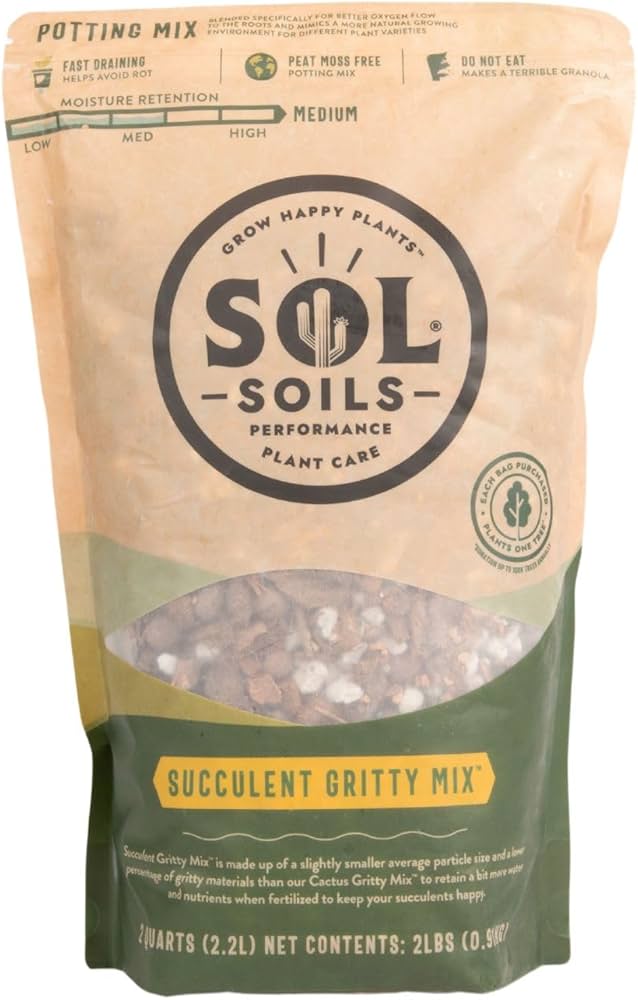
Where the contamination starts
Understanding where microplastics hide in succulent soil starts with knowing your ingredients. Coco coir is a significant concern. It’s a byproduct of coconut processing, and the husks are often handled in facilities that also process plastics. This can lead to contamination. Even if the coir itself isn't plastic, the manufacturing process can introduce particles.
Perlite and vermiculite, while naturally occurring minerals, are often processed in facilities that also handle plastics, leading to potential contamination. They are frequently bagged in plastic, and the friction during packaging can contribute to microplastic shedding. It’s tricky because these materials are excellent for drainage and aeration, which succulents need, but their sourcing is a problem.
Even 'organic' amendments like compost aren’t immune. Compost can be contaminated if the source material contained plastic – think plastic mulch films used in agriculture. Identifying microplastics yourself is nearly impossible without specialized equipment. Ingredient lists rarely specify the source of these materials, only the material itself. Look for vague terms like "horticultural grade’ or ‘processed coir"—these offer little clarity.
Clean soil brands to buy in 2026
Finding clean soil is a chore. A few brands are actually testing their batches now. Check their sites before you buy, as sourcing changes fast.
Mountain Crest Gardens is a standout. They prioritize peat-free mixes and are very upfront about their ingredient sourcing. Their succulent and cactus mix includes forest products, pumice, and lava rock, avoiding coco coir and perlite. Prices range from $20-$40 for a 16-quart bag. They’ve also started publishing their microplastic testing results on their website, which is a great sign of commitment.
GardenRevival (founded by Demi Demetroulos) offers a substrate mix focused on pumice and scoria. While they don’t explicitly advertise as 'microplastic-free' they focus on mineral components and avoid coco coir. A 10-quart bag of their mix costs around $35. Their approach is based on research and community feedback, emphasizing drainage and aeration.
Bokashi Organics offers a 'Succulent & Cactus Blend' that uses composted forest products, rice hulls, and pumice. They focus on sustainable practices and avoid peat, perlite, and vermiculite. A 1.5-quart bag costs around $15. They’re a smaller company, but their commitment to organic and plastic-free materials is notable.
Espoma Organic Succulent & Cactus Potting Mix is a more readily available option at many garden centers. While not entirely free of all potential contaminants, they’ve significantly reduced their reliance on coco coir and prioritize composted bark and sand. A 4-quart bag is typically around $12. It’s a good starting point for those seeking a more accessible alternative.
Happy Frog Potting Soil has a succulent and cactus blend that is peat-free and also avoids perlite and vermiculite. It uses forest products, pumice, and sand. A 1-cubic-foot bag costs around $25. It’s a solid choice, but always double-check the ingredient list upon purchase, as formulations can change.
Microplastic-Free Succulent Soil Brands: A Comparison (2026)
| Brand Name | Key Ingredients | Sourcing Transparency | Price Range (per cubic foot) | Peat-Free? | Microplastic Testing | Overall Rating (1-5 stars) |
|---|---|---|---|---|---|---|
| Mountain Crest Gardens | Pumice, coarse sand, compost, bark fines | High | Approximately $30 - $50 | Yes | Unknown | 4.5 stars |
| Espoma Organic Cactus Mix | Sand, peat moss, perlite, limestone | Medium | Approximately $20 - $35 | No | Unknown | 4 stars |
| Black Gold Cactus Mix | Peat moss, perlite, sand, composted forest products | Medium | Approximately $25 - $40 | No | Unknown | 3.5 stars |
| Burt's Bees Organic Cactus & Succulent Potting Mix | Coconut coir, peat moss, perlite, compost | Medium | Approximately $20 - $30 | Partially (uses coir) | Unknown | 4 stars |
| FoxFarm Ocean Forest | Seaweed, fish emulsion, compost, peat moss | Low | Approximately $30 - $45 | No | Unknown | 3 stars |
| Happy Frog Potting Soil | Peat moss, perlite, vermiculite, bat guano | Medium | Approximately $25 - $35 | No | Unknown | 3.5 stars |
Illustrative comparison based on the article research brief. Verify current pricing, limits, and product details in the official docs before relying on it.
How to mix your own plastic-free soil
The most reliable way to ensure a microplastic-free succulent soil is to make your own. It takes a bit of effort, but you have complete control over the ingredients. Here are a few recipes to get you started. Remember, sourcing quality ingredients is crucial.
General Succulent Mix: 1 part potting soil (organic, compost-based), 1 part pumice, 1 part coarse horticultural sand. This is a good all-around mix for most succulents. The potting soil provides nutrients, while pumice and sand ensure excellent drainage. Ensure your potting soil is verified plastic-free.
Cactus Mix: 1 part potting soil, 2 parts pumice, 1 part coarse horticultural sand, a handful of chicken grit. Cacti need even better drainage than most succulents. The chicken grit adds weight and helps prevent the pot from tipping.
Epiphytic Succulent Mix: 1 part orchid bark, 1 part pumice, 1 part horticultural sand, a small amount of coco coir (if you can find a reliably tested source). Epiphytic succulents (like some Rhipsalis species) need a very airy mix that retains some moisture. Be cautious with coco coir; if you’re concerned, omit it and increase the orchid bark.
You can find high-quality organic potting soil at local nurseries or online retailers like Burpee or Johnny’s Selected Seeds. Pumice and horticultural sand are available at garden centers and online. Chicken grit can be found at feed stores. Always inspect ingredients for any visible plastic fragments before mixing.
Better alternatives to perlite and coir
Replacing perlite and coco coir is the biggest hurdle in creating a microplastic-free mix. Thankfully, viable alternatives exist. Pumice is an excellent substitute for perlite. It’s a lightweight, volcanic rock that provides excellent drainage and aeration. It's more expensive than perlite, but it's a sustainable and plastic-free option.
Horticultural sand (coarse sand) can also improve drainage. Avoid fine beach sand, as it compacts easily. Chicken grit is another surprisingly effective option. It’s made from crushed granite and provides excellent drainage and weight to the mix. It's readily available and inexpensive.
Rice hulls are a lightweight, organic alternative to perlite. They improve drainage and aeration, but they decompose over time, so you may need to amend the soil more frequently. Finding a reliable source of rice hulls can be a challenge. The biggest concern with alternatives is often cost and availability. Pumice, in particular, can be heavy to ship, increasing the overall price.
Can you actually test for plastic at home?
Unfortunately, testing for microplastics at home is extremely difficult. Visual inspection is unreliable, as microplastics are, by definition, microscopic. There are DIY methods circulating online involving sieving and staining, but their accuracy is questionable.
Professional lab testing is available, but it can be expensive—ranging from $50 to $200 per sample. Companies like Microbe Detectors and ALS Environmental offer microplastic analysis services. It’s important to choose a reputable lab with validated testing methods.
Don't waste money on home test kits. They don't work. Your best bet is to buy raw minerals or mix your own soil from scratch so you know exactly what's in the bucket.
Pots and watering
Microplastic pollution isn’t limited to soil. Pot materials also play a role. Plastic pots can shed microplastics over time, especially when exposed to sunlight and heat. Opt for terracotta or other natural materials like ceramic or wood. These materials are more sustainable and don't contribute to plastic pollution.
Watering habits matter too. Excessive watering can lead to runoff, carrying microplastics (from the soil or pot) into the environment. Water deeply but infrequently, allowing the soil to dry out between waterings. This minimizes runoff and promotes healthy root growth. Consider collecting runoff in a tray to prevent it from entering waterways.
No comments yet. Be the first to share your thoughts!