

Spring Awakening: Succulents in 2026
There's something undeniably hopeful about spring, and that feeling extends to our indoor plants. After a period of slower growth during the winter months, succulents are ready to perk up and thrive as the days get longer and the light becomes more abundant. We’re seeing a continued interest in unique Echeveria varieties and a growing appreciation for the sculptural forms of Haworthia and Gasteria – people seem to be looking for smaller, collectible succulents these days.
Succulent care isn't about rigid rules, but about understanding the needs of these adaptable plants. While the basics remain consistent, staying informed about best practices will set you up for success. This year, let's focus on providing the conditions these plants crave to ensure a vibrant display of color and texture. We'll cover seven essential tips to keep your indoor succulents healthy and happy this spring.
This guide is about more than just keeping your plants alive; it's about helping them flourish. It's about recognizing their subtle cues and responding accordingly, building a relationship with your plants that will reward you with years of enjoyment. Let's get started.
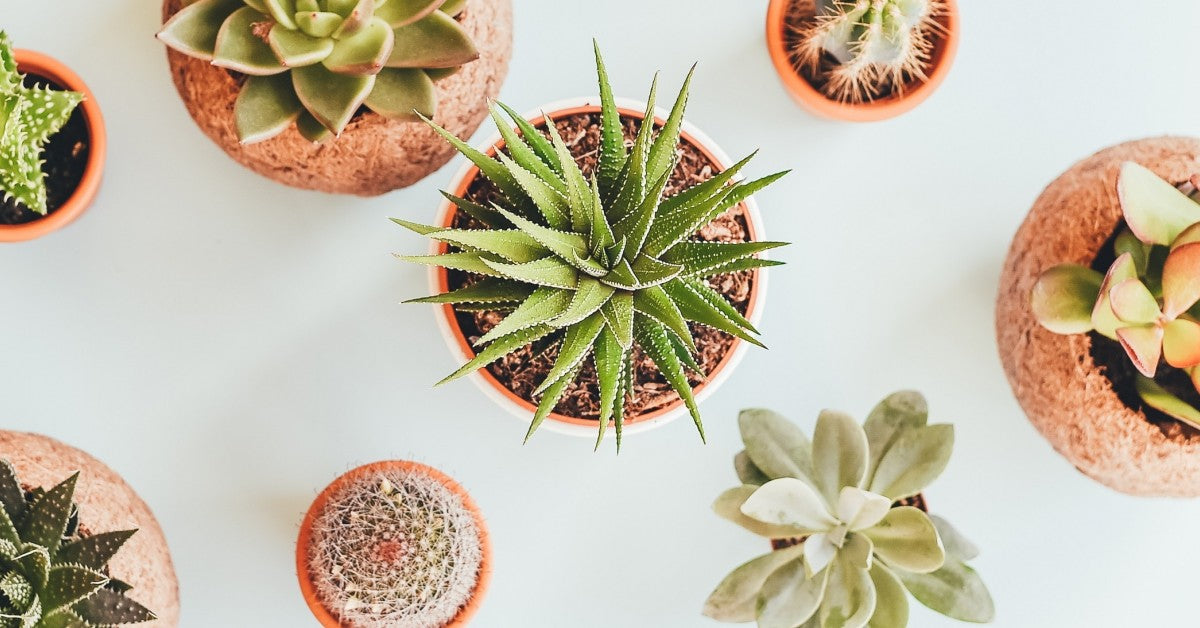
Light: The Spring Boost
Light is arguably the most important factor in succulent care, and spring offers a natural boost. As the sun's intensity increases, your succulents will be eager to soak it up. However, 'bright light' can mean different things depending on your location and the orientation of your windows. South-facing windows generally provide the most intense light, while east and west-facing windows offer moderate light, and north-facing windows provide the least.
Signs of insufficient light are easy to spot. Etiolation – when a succulent stretches and becomes leggy in search of light – is a common indicator. You might also notice pale coloration or a loss of vibrant hues. Conversely, too much direct sunlight can cause sunburn, appearing as brown or bleached patches on the leaves. I've definitely learned the hard way that acclimating succulents to brighter light gradually is key.
If you don’t have enough natural light, don’t despair! Grow lights can be a fantastic supplement. Garden Answer’s video demonstrates how effective even a simple grow light setup can be. LED grow lights are energy-efficient and don’t produce excessive heat, making them a safe and practical option for indoor succulents. A full-spectrum light is a good choice, mimicking the range of light plants need for healthy growth.
Watering: Beyond the Schedule
Forget the 'water every two weeks' rule of thumb. It's a recipe for disaster. Succulents prefer the 'soak and dry' method, meaning you should water thoroughly until water drains from the drainage holes, then allow the soil to dry out completely before watering again. This mimics their natural environment, where they experience periods of drought followed by rainfall.
Determining when your succulent actually needs water requires a bit of observation. Stick your finger about an inch into the soil – if it feels dry, it's time to water. You can also check the leaves; if they feel slightly soft or pliable (rather than firm and plump), they’re likely thirsty. In spring, as growth accelerates, you'll likely need to water more frequently than in winter, but always check the soil first.
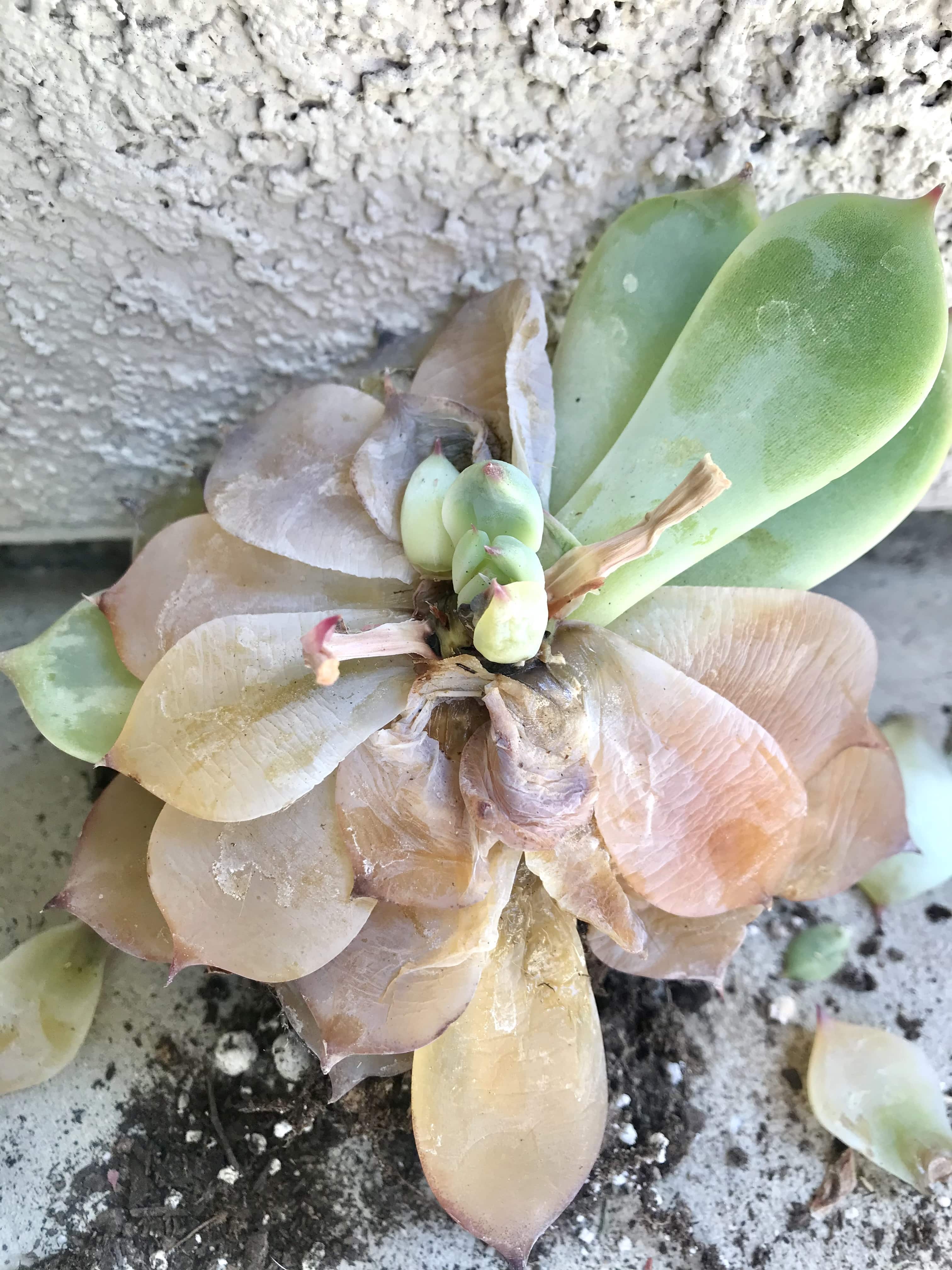
Overwatering is the most common killer of indoor succulents. It leads to root rot, a fungal disease that causes the roots to decay. Symptoms include soft, mushy leaves, a foul odor, and a general decline in health. I’ve seen so many succulents killed by well-meaning owners who simply loved them too much with water. Proper drainage is essential to prevent this, which we’ll discuss further.
Soil: The Foundation for Growth
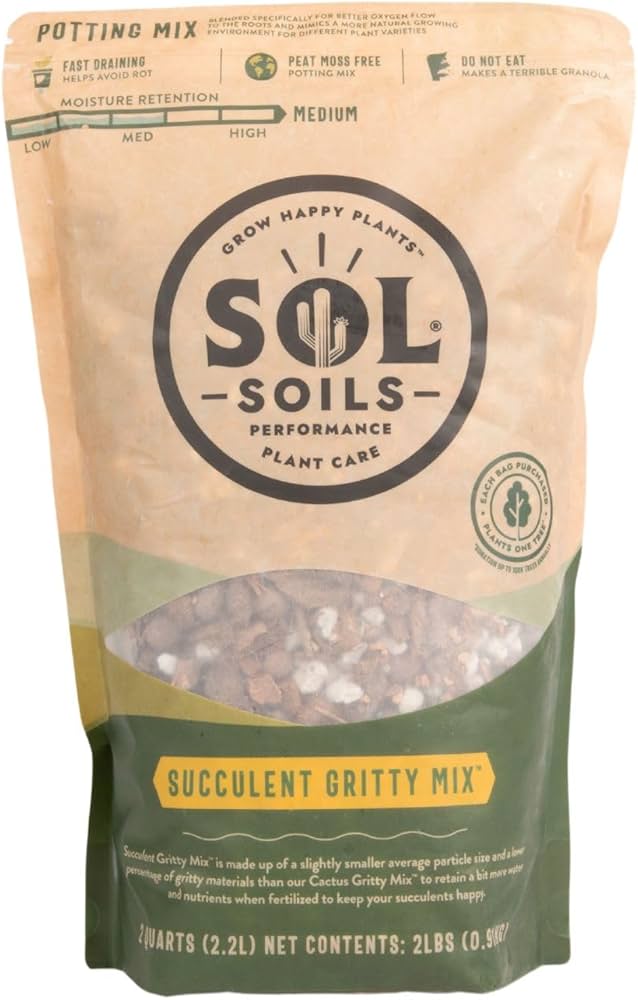
Regular potting soil is a big no-no for succulents. It retains too much moisture, suffocating the roots and creating an environment ripe for root rot. Succulents need a well-draining soil mix that allows water to flow through quickly. The ideal composition includes inorganic materials like perlite, pumice, or coarse sand, combined with a small amount of organic matter.
You have two options: create your own mix or purchase a pre-made succulent/cactus blend. Creating your own allows for customization, but it can be time-consuming. A good starting point is a 1:1:1 ratio of potting soil, perlite, and coarse sand. However, I've experimented with making my own mixes, and honestly, a good pre-made blend is often easier and just as effective.
Espoma Cactus and Succulent Mix, highlighted in the Garden Answer video, is a readily available and reliable option. It's formulated to provide excellent drainage and aeration, promoting healthy root growth. Other reputable brands include Miracle-Gro Cactus, Palm & Citrus Potting Mix, but always check the ingredients to ensure it’s not too heavy on organic matter.
Potting: Drainage is Non-Negotiable
This cannot be stressed enough: drainage holes are absolutely essential. A pot without drainage holes will inevitably lead to waterlogged soil and root rot. If you absolutely must use a decorative pot without drainage, you can use it as a cachepot – placing a smaller pot with drainage holes inside the decorative pot. However, be sure to remove the inner pot when watering and allow it to drain completely before replacing it.
The material of the pot also matters. Terracotta pots are porous, allowing for better airflow and faster drying. Plastic pots retain more moisture, which can be beneficial in drier climates, but requires more careful watering. Ceramic pots fall somewhere in between. Patch Plants' guide emphasizes the importance of considering these factors.
When choosing a pot size, select one that’s only slightly larger than the root ball. Overpotting – using a pot that’s too large – can lead to excessive moisture retention. A snug fit encourages healthy root development. Repotting is best done in the spring, when the plant is actively growing.
Potting Material Comparison for Succulents
| Drainage | Breathability | Cost | Weight | Aesthetics |
|---|---|---|---|---|
| Terracotta | Excellent - Highly porous material allows for rapid water evaporation. | Generally Moderate - Price varies with size and detail. | Higher - Can be heavy, especially for larger pots. | Classic, Natural - Offers a rustic and earthy appearance. |
| Plastic | Fair - Drainage relies on holes; can retain moisture if holes are insufficient. | Good - Allows some air exchange, but less than terracotta. | Lower - Typically the most affordable option. | Lightweight - Easy to move and handle. |
| Glazed Ceramic | Poor - Glaze prevents evaporation, increasing risk of overwatering. | Poor - Glaze seals the pot, limiting airflow. | Moderate to Higher - Often more expensive than plastic, comparable to terracotta. | Higher - Can be very heavy, especially when large. |
Qualitative comparison based on the article research brief. Confirm current product details in the official docs before making implementation choices.
Fertilizing: A Spring Refresh
Succulents benefit from a little boost during the growing season (spring and summer). Fertilizing provides essential nutrients that support healthy growth and vibrant coloration. However, it’s important to use a fertilizer specifically formulated for succulents or cacti, as regular fertilizers often contain too much nitrogen, which can lead to weak, leggy growth.
Look for a low-nitrogen, balanced liquid fertilizer. A ratio of 5-10-5 or 10-10-10 is a good starting point. Dilute the fertilizer to half or even a quarter of the recommended strength on the label to avoid over-fertilizing. Fertilize about once a month during the growing season. Espoma Liquid Fertilizer, featured in the Garden Answer video, is a reliable choice.
Avoid fertilizing during the winter months, when succulents are dormant. Over-fertilizing can cause salt buildup in the soil, damaging the roots. If you notice white crusty deposits on the soil surface, it’s a sign that you’re fertilizing too much.
Pest Patrol: Springtime Threats
Spring is when many succulent pests emerge from dormancy. Common culprits include mealybugs (small, white, cottony insects), aphids (small, pear-shaped insects that cluster on new growth), and scale (hard, shell-like insects that attach to stems and leaves). Regular inspection is the best defense against these pests.
Early detection is crucial. Check your succulents regularly for any signs of infestation. Mealybugs often hide in crevices and under leaves, while aphids tend to congregate on new growth. Scale can be more difficult to spot, but look for small, bumpy protrusions on stems and leaves. I've found that a magnifying glass can be very helpful for identifying pests.
For minor infestations, you can try removing pests manually with a cotton swab dipped in rubbing alcohol. For more severe infestations, consider using an insecticidal soap or neem oil. These are organic options that are effective against many common succulent pests. Always follow the instructions on the label carefully. Preventative measures, like good air circulation, can also help deter pests.
Troubleshooting: Common Spring Issues
Even with the best care, problems can sometimes arise. Leggy growth, where succulents stretch and become elongated, is often a sign of insufficient light. Move the plant to a brighter location or supplement with a grow light. Leaf drop can be caused by a variety of factors, including overwatering, underwatering, or sudden changes in temperature or light.
Soft, mushy leaves are a classic sign of root rot, usually caused by overwatering. If you catch it early, you may be able to save the plant by repotting it in fresh, dry soil and removing any affected roots. Discoloration, such as yellowing or browning leaves, can be caused by sunburn, nutrient deficiencies, or pest infestations.
Don’t be afraid to experiment and learn from your mistakes. Succulent care is an ongoing process. If you’re unsure about a particular issue, there are many online communities and resources available to help. Share your experiences and ask questions – the succulent community is generally very supportive and eager to share their knowledge.
No comments yet. Be the first to share your thoughts!