

Succulents for a Hotter World
Global temperatures are rising, increasing drought frequency and severity. Many regions face water scarcity, a trend expected to continue through 2026. Choosing drought-tolerant plants is a responsible gardening practice.
Succulents handle these challenges well. Their arid environment history gave them adaptations for water storage. Thick leaves, stems, and roots retain moisture, letting them survive with minimal watering. They are efficient.
This list focuses on succulents that thrive in drought. We've compiled 15 varieties for resilience and beauty, helping gardeners create sustainable gardens in a changing climate. These choices offer diversity in form and color.
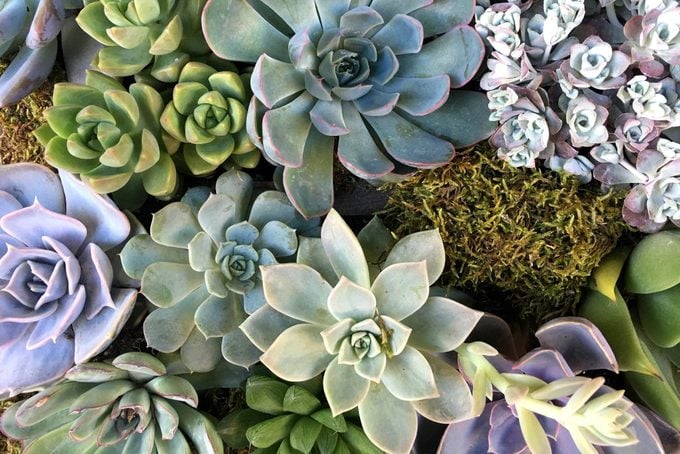
The Top 15 Drought-Resilient Succulents
Here's a look at 15 succulent varieties that excel in drought conditions. Each entry includes details on appearance, drought tolerance, light preferences, and propagation methods to help you make the best choices for your garden.
While all succulents tolerate drought, their specific needs vary. Some thrive in full sun with minimal water, while others prefer partial shade and need slightly more attention.
- Agave parryi (Parry's Agave): This striking agave forms a rosette of thick, grey-blue leaves. It's exceptionally drought-tolerant, surviving for months without water once established. Prefers full sun and well-draining soil. Propagation is typically done through offsets (pups).
- Aloe plicatilis (Folded Aloe): Known for its uniquely folded leaves, this aloe is a showstopper. It can withstand prolonged dry spells and prefers bright, indirect light. Propagate through leaf cuttings or offsets.
- Echeveria elegans (Mexican Snowball): A popular choice, this echeveria forms beautiful, symmetrical rosettes covered in a powdery coating. It needs bright light and can tolerate weeks without water. Propagation is easy via leaf cuttings.
- Graptopetalum paraguayense (Ghost Plant): This succulent boasts pale grey-purple leaves that appear almost translucent. It’s incredibly drought-tolerant and thrives in full sun. Propagate easily from leaf cuttings – they root readily.
- Haworthia attenuata (Zebra Plant): A smaller succulent, the Zebra Plant features dark green leaves adorned with white tubercles. It prefers partial shade and requires minimal watering. Propagate through offsets.
- Kalanchoe thyrsiflora (Paddle Plant): This unique succulent has paddle-shaped leaves with reddish edges. It’s remarkably drought-tolerant and prefers full sun. Propagate from leaf cuttings.
- Opuntia microdasys (Bunny Ears Cactus): Recognizable by its flat, paddle-shaped segments covered in glochids (small spines). Extremely drought-tolerant and requires full sun. Propagate from pads.
- Sedum morganianum (Burro's Tail): This trailing succulent features plump, blue-green leaves. It's drought-tolerant but benefits from occasional watering during hot spells. Prefers bright, indirect light. Propagate from stem cuttings.
- Sempervivum tectorum (Hens and Chicks): A hardy succulent that forms rosettes of leaves, with smaller "chicks’ sprouting around the ‘hen". Extremely drought-tolerant and prefers full sun. Propagate through offsets.
- Senecio rowleyanus (String of Pearls): A popular trailing succulent with bead-like leaves. It’s relatively drought-tolerant but needs protection from intense sunlight. Propagate from stem cuttings.
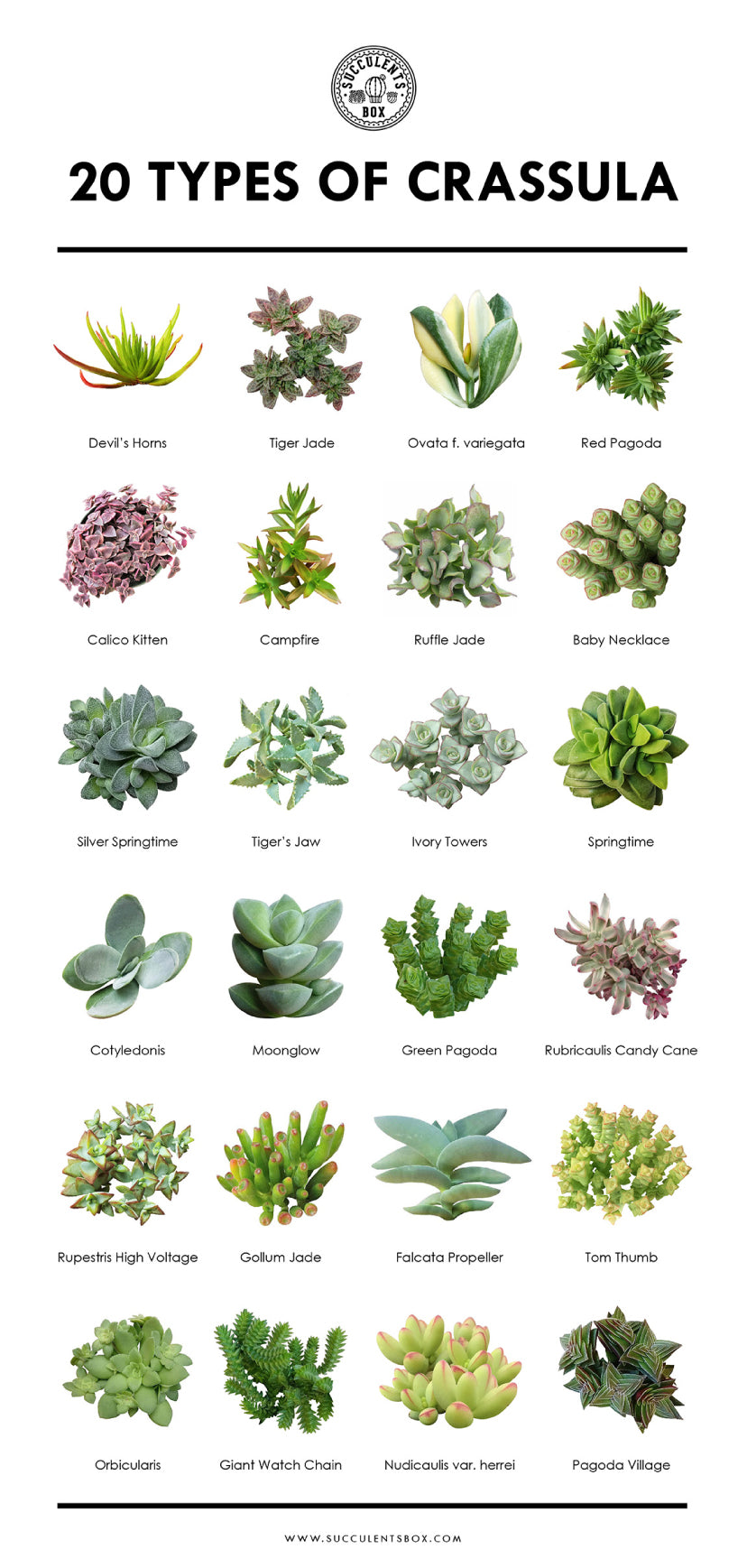
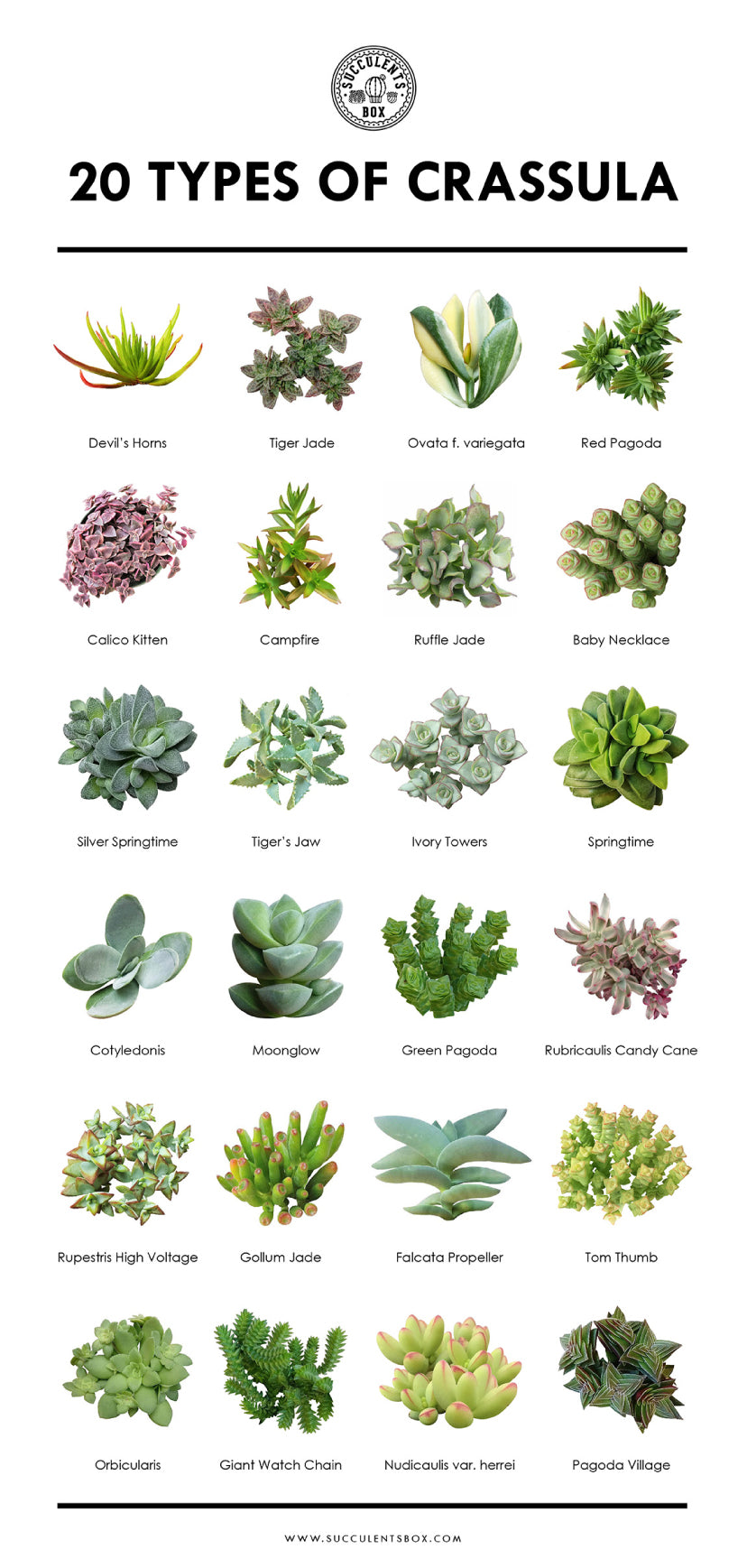
- Crassula ovata (Jade Plant): A classic succulent known for its tree-like appearance. It's drought-tolerant but appreciates occasional watering. Prefers bright, indirect light. Propagate from leaf or stem cuttings.
- Gasteria liliputana (Little Turtle): This unusual succulent has tongue-shaped leaves covered in white tubercles, resembling a turtle's shell. Prefers partial shade and infrequent watering. Propagate through leaf cuttings or offsets.
- Rhipsalis baccifera (Mistletoe Cactus): An epiphytic cactus with long, trailing stems. It's relatively drought-tolerant and prefers bright, indirect light. Propagate from stem cuttings.
- Euphorbia tirucalli (Pencil Cactus): This succulent features pencil-like stems that store water. It’s extremely drought-tolerant and prefers full sun. Propagate from stem cuttings – be careful, the sap is irritating.
- Cotyledon orbiculata (Pig's Ear): This succulent has rounded, grey-green leaves that resemble pig's ears. It's drought-tolerant and prefers full sun. Propagate from leaf cuttings.
Essential Gear for Your Drought-Resistant Succulent Garden
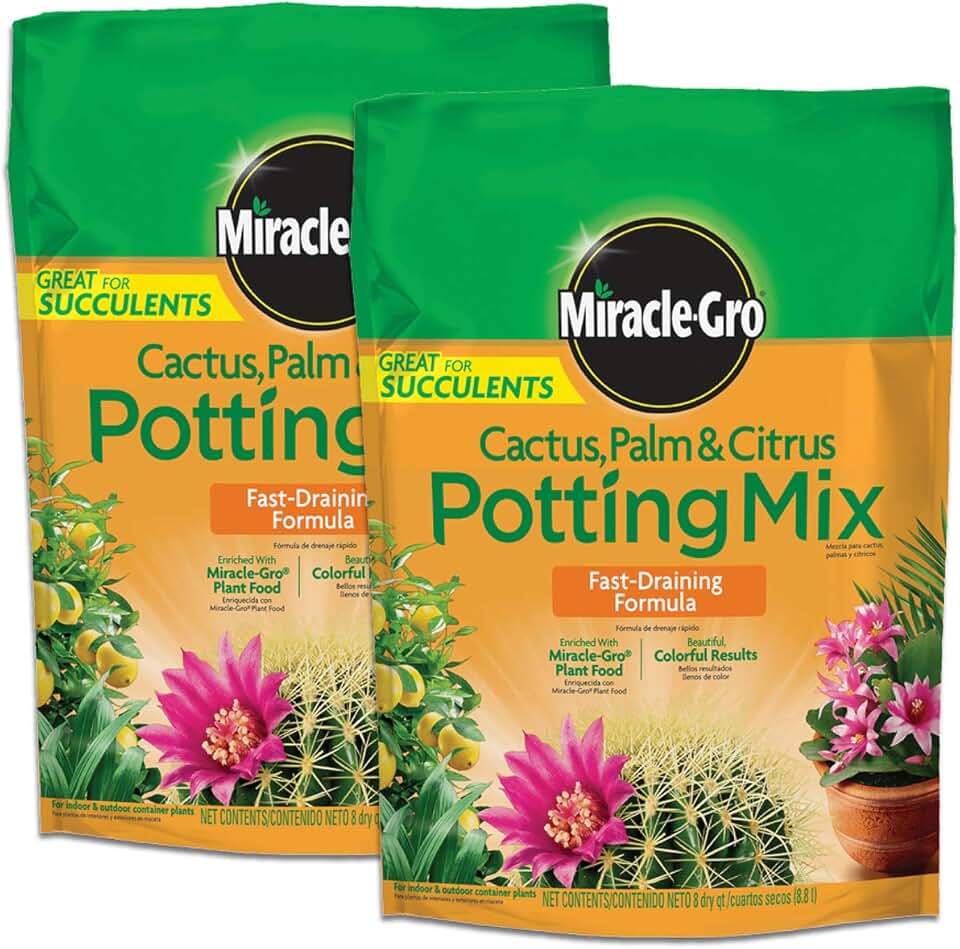
Specially formulated for cacti, palms, and citrus plants · Provides excellent drainage and aeration · Suitable for both indoor and outdoor potted plants
This potting mix ensures optimal drainage and aeration, crucial for preventing root rot in drought-resistant succulents.
![SOLIGT [Thick Plastic] 3-Set Strong Seed Starter Trays with 5" Humidity Domes for Seed Starting, Germination, Seedling Propagation & Plant Growing, Holds 144 Cells in Total](https://m.media-amazon.com/images/I/71sM72jx2IL._AC_UL960_QL65_.jpg)
Set of 3 durable seed starter trays · Includes 5-inch humidity domes for controlled environments · Each tray holds 48 cells, totaling 144 cells
These trays with humidity domes are ideal for propagating succulent cuttings and starting seeds, creating the perfect microclimate for germination.

Full spectrum LED grow light · Adjustable height and 3 color modes · 10 dimming levels and an automatic timer
This versatile grow light provides the necessary spectrum and intensity for succulents to thrive indoors, especially during darker months.

1.8-liter (0.5-gallon) capacity watering can · Features a long spout for precise watering · Suitable for indoor and outdoor use
The long spout allows for targeted watering directly at the soil base, preventing overwatering and ensuring moisture reaches the roots efficiently.

Set of small ceramic succulent pots · Includes drainage holes to prevent waterlogging · Features a flowing glaze design
These charming pots offer essential drainage for succulents, promoting healthy root growth and preventing the common issue of overwatering.
As an Amazon Associate I earn from qualifying purchases. Prices may vary.
Soil and Potting: Maximizing Water Retention
Standard potting soil causes problems for succulents. It holds too much moisture, leading to root rot. Succulents need a well-draining soil mix that allows water to flow through quickly.
An ideal mix is roughly 50-70% inorganic materials and 30-50% organic matter. Inorganic components like perlite, pumice, and horticultural grit create air pockets for drainage and aeration. Organic matter, like compost or coco coir, provides some nutrients but should be used sparingly.
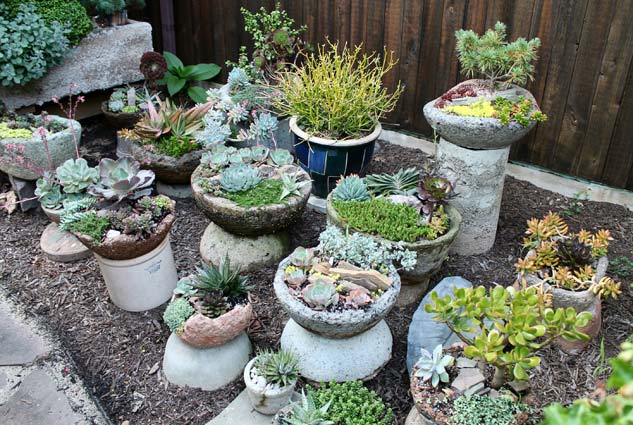
Pot selection matters. Terracotta pots are preferred over plastic because they are porous, allowing better air circulation and moisture evaporation. Always ensure your pot has drainage holes. Without them, water accumulates, creating a soggy environment. Pot size should match the plant's size – avoid excessively large pots that retain more moisture.
Pot Material Comparison for Succulents
| Material | Drainage | Water Retention | Cost | Best For |
|---|---|---|---|---|
| Terracotta | High | Low | Low to Medium | Succulents needing very dry soil, warmer climates |
| Plastic | Medium | Medium to High | Low | Beginners, indoor succulents, propagation |
| Glazed Ceramic | Low | High | Medium to High | Succulents needing consistent moisture (relatively speaking), decorative displays |
| Concrete | High | Low | Medium to High | Larger succulents, outdoor displays, arid climates |
| Wood | Medium | Medium | Medium | Rustic aesthetic, requires liner to prevent rot |
Illustrative comparison based on the article research brief. Verify current pricing, limits, and product details in the official docs before relying on it.
Watering Strategies for Dry Times
Avoid frequent, shallow watering. Succulents thrive on the 'soak and dry' method: water thoroughly until it drains from the holes, then let the soil dry completely before watering again. This encourages deep root growth and prevents root rot.
Watering needs vary by season. During the growing season (spring and summer), water perhaps every 1-2 weeks, depending on climate and the succulent. In the dormant season (fall and winter), reduce watering significantly, potentially to once a month or less.
Read your plant for signs of dehydration, like shriveled or wrinkled leaves. Check soil moisture by sticking your finger a couple of inches in. If it feels dry, water. A lighter pot also indicates drier soil. High humidity reduces watering needs.
Light Requirements: Finding the Sweet Spot
Succulents love sun, but not all tolerate intense, direct light. Most need at least six hours of bright light daily; the type of light matters. Full sun is ideal for many, but some, like Haworthias, prefer partial sun or bright, indirect light.
Move succulents gradually from shade to sun to avoid sunburn. Start with a few hours of direct sunlight daily, increasing slowly over a week or two. Sunburn shows as scorched or discolored leaves.
Etiolation, or stretching, is a common problem from insufficient light. Without enough light, succulents become leggy and pale as they reach for a source. If you see etiolation, move the plant to a brighter location or use a grow light. LED grow lights are energy-efficient and provide the necessary spectrum.
Standout Varieties: Beyond the Basics
While Echeverias and Sedums are popular, let's highlight a few less common, fascinating succulents from our list. The Haworthia attenuata (Zebra Plant) is a low-maintenance beauty. Its striking striped leaves add texture, and it thrives in partial shade, ideal for indoor growing.
Another standout is the Gasteria liliputana (Little Turtle). Its unique, tongue-shaped leaves resemble a turtle's shell. This succulent prefers bright, indirect light and requires very little water, a great choice for beginners.
Finally, the Rhipsalis baccifera (Mistletoe Cactus) offers a unique, trailing form. Unlike typical cacti, it's an epiphytic cactus, growing on other plants in nature. It prefers bright, indirect light and slightly more humidity than other succulents, a good option for bathrooms or kitchens.
Troubleshooting Common Problems
Even with good care, succulents can have problems. Pests like mealybugs and aphids are common. Mealybugs appear as white, cottony masses; aphids are small, green insects. Treat infestations with insecticidal soap or neem oil.
Root rot is a serious issue from overwatering. Symptoms include mushy, discolored leaves and a foul odor. If you suspect root rot, remove the plant from its pot, trim rotten roots, and repot in fresh, well-draining soil. Prevention is key – avoid overwatering!
undefined broken pieces. Regular inspection and prompt action are essential for maintaining healthy succulents.
What's your biggest challenge when growing succulents?
Vote below!
No comments yet. Be the first to share your thoughts!