

Succulents for a Changing Climate
Extreme weather is the new normal. Gardeners need plants that don't quit when the rain stops for months. Succulents are the obvious choice because they store water in their own tissues, but they aren't magic—you still have to keep them alive through the first season.
Succulents achieve their water-saving prowess through several adaptations. The most notable is their ability to store water in their leaves, stems, and roots. Many also utilize Crassulacean Acid Metabolism, or CAM photosynthesis, which allows them to open their stomata – tiny pores for gas exchange – at night, reducing water loss during the heat of the day. However, even these adaptations are being tested by the increasing intensity and unpredictability of our climate.
I've picked out a few varieties that handle heat better than the standard hardware store finds. These are plants that actually grow when things get harsh, rather than just sitting there dying slowly. If you pick the right species for your specific soil, they'll be around for a decade.
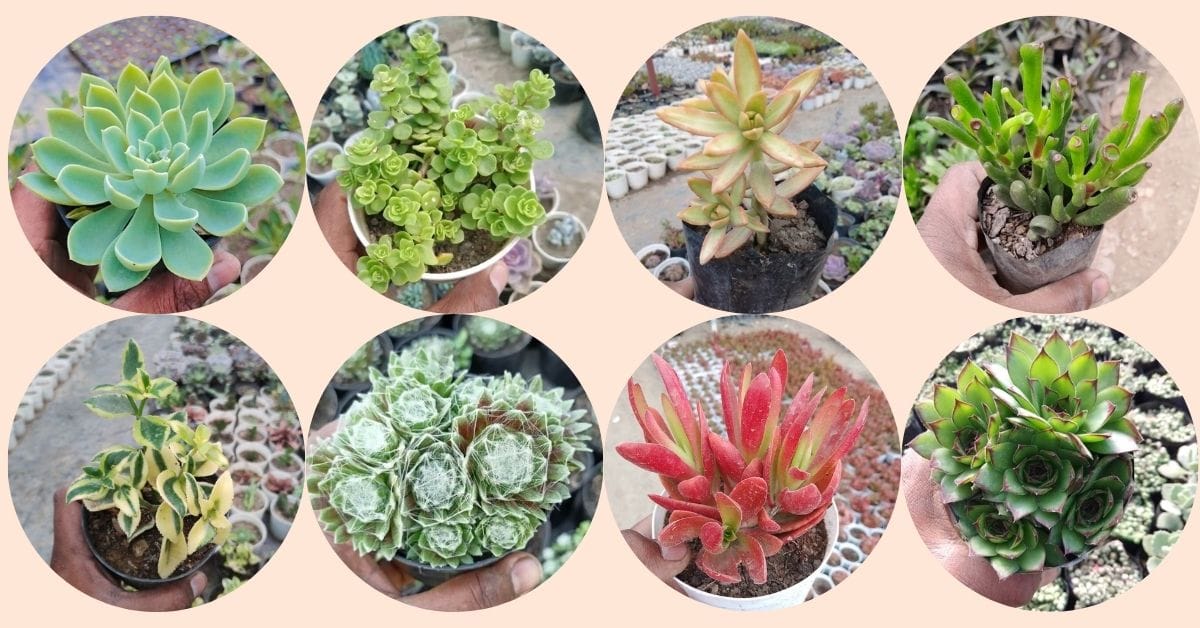
Agave for deep-rooted survival
When it comes to drought tolerance, few succulents can rival Agave. These striking plants are native to arid regions of North and Central America, and they’ve developed an impressive ability to survive extended periods without water. Their deep root systems allow them to access moisture far below the surface, and their thick, waxy leaves minimize water loss. Agave are truly built for harsh conditions.
Agave parryi, commonly known as the Artichoke Agave, is a relatively small species, typically reaching around 3-4 feet in diameter. It’s known for its beautiful rosette of blue-gray leaves and its tolerance for cold temperatures—it can handle down to around 15°F. In contrast, Agave americana, the Century Plant, is a much larger species, growing up to 6-10 feet wide and tall. It takes many years to bloom, but when it does, it sends up a massive flower stalk.
Beyond their ornamental value, Agave species have a long history of practical uses. The fibers from the leaves can be used to make rope, textiles, and paper. Agave tequilana, the blue agave, is famously used in the production of tequila. While most gardeners are focused on aesthetics, it’s fascinating to consider the versatility of these plants. They’re not just beautiful; they’re incredibly useful.
Sedum for groundcover
The Sedum genus is incredibly diverse, encompassing over 400 species of succulents. They range from low-growing groundcovers to taller, more upright forms. Generally, Sedum are remarkably adaptable, thriving in a wide range of soil types and tolerating full sun. This makes them a fantastic choice for rock gardens, green roofs, and other challenging landscapes. They are also relatively easy to propagate, making it simple to expand your collection.
For groundcover, Sedum spurium ('Dragon’s Blood') works well. The reddish-purple leaves spread fast enough to choke out weeds. If you want something taller, Sedum rubrotinctum (Jelly Bean Plant) has plump leaves that turn bright red when the sun hits them hard.
I’ve consistently been impressed by Sedum’s resilience. They can handle both scorching heat and surprisingly cold temperatures, although it’s always best to choose a variety suited to your specific climate zone. They are also fairly forgiving of neglect, making them a great option for beginner succulent gardeners.
Featured Products

Drought-tolerant perennial ground cover · Vibrant red-tinged foliage · Suitable for rock gardens, pots, and borders
These hardy Sedum varieties are chosen for their exceptional drought tolerance and ability to thrive in challenging conditions, making them ideal for gardeners seeking resilient and low-maintenance plants.

Unique jelly bean-shaped leaves · Drought-tolerant succulent · Compact growth habit
These hardy Sedum varieties are chosen for their exceptional drought tolerance and ability to thrive in challenging conditions, making them ideal for gardeners seeking resilient and low-maintenance plants.
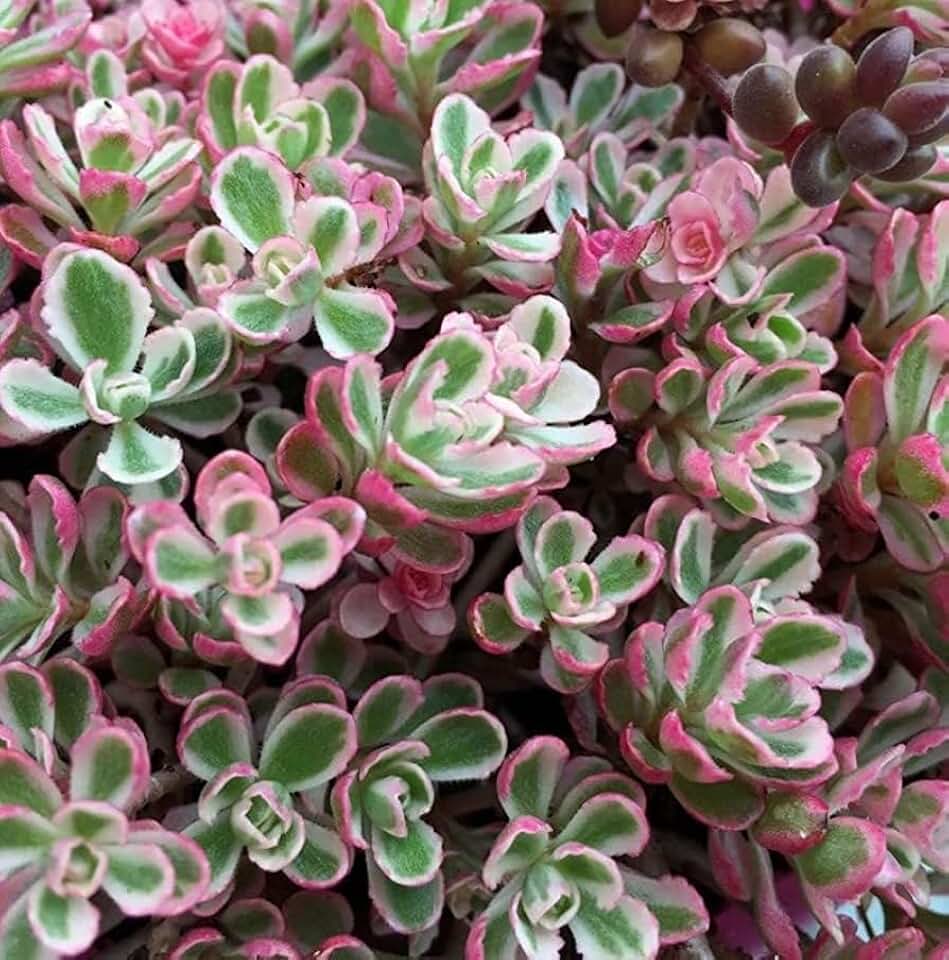
Variegated foliage with cream, green, and pink hues · Low-growing, spreading habit · Drought-tolerant and sun-loving
These hardy Sedum varieties are chosen for their exceptional drought tolerance and ability to thrive in challenging conditions, making them ideal for gardeners seeking resilient and low-maintenance plants.

Late-season blooms of rich pink flowers · Drought-tolerant and cold-hardy · Forms attractive clumps
These hardy Sedum varieties are chosen for their exceptional drought tolerance and ability to thrive in challenging conditions, making them ideal for gardeners seeking resilient and low-maintenance plants.

Low-growing, mat-forming ground cover · Drought-tolerant and hardy · Features small, star-shaped flowers
These hardy Sedum varieties are chosen for their exceptional drought tolerance and ability to thrive in challenging conditions, making them ideal for gardeners seeking resilient and low-maintenance plants.
As an Amazon Associate I earn from qualifying purchases. Prices may vary.
Echeveria rosettes
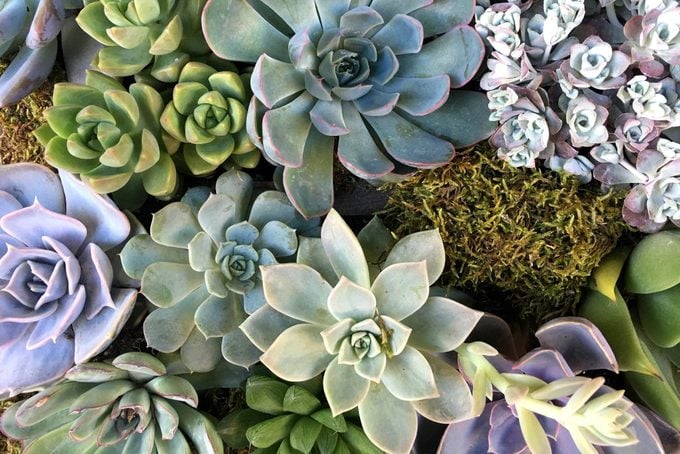
Echeverias are beloved for their stunning rosette shapes and wide range of colors. These succulents are native to semi-arid regions of Mexico and Central America, and they’ve become incredibly popular in gardens and as houseplants. While they aren’t quite as drought-tolerant as some other succulents, they still hold up well in dry conditions, provided they have well-draining soil. Good drainage is absolutely critical for Echeveria.
Echeveria elegans, often called the Mexican Snowball, is a classic choice. Its pale blue-green leaves form a perfect rosette. Echeveria 'Perle von Nürnberg' is another popular variety, known for its beautiful lavender-pink hues. However, these plants are prone to overwatering, which can lead to root rot. It’s generally better to underwater than overwater.
Echeverias are relatively easy to propagate from leaves. Simply allow a detached leaf to callous over for a few days, then place it on top of well-draining soil. With a little care, it will eventually develop roots and a new rosette. This makes them a cost-effective way to expand your succulent garden.
Haworthia: Shade-Tolerant Survivors
If you’re looking for succulents that can tolerate some shade, Haworthia is an excellent choice. Unlike many other succulents, Haworthias can thrive in less intense sunlight. This makes them well-suited for indoor growing or for gardens with partial shade. They still possess good drought tolerance, but they appreciate some protection from the harshest rays.
Haworthia attenuata, commonly known as the Zebra Plant, is easily recognizable by the white bands on its dark green leaves. Haworthia fasciata is similar in appearance. Both species are relatively small and slow-growing, making them ideal for small spaces or for adding texture to a succulent arrangement.
I often find that people underestimate how much shade some succulents can handle. Haworthia are a perfect example—they demonstrate that succulents aren’t always about full sun and scorching heat. They can be surprisingly adaptable.
Aloe for more than just burns
The Aloe genus is renowned for its medicinal properties and its ability to thrive in dry conditions. These succulents are native to Africa and the Arabian Peninsula, and they've been used for centuries to treat burns, wounds, and other skin ailments. Aloes are generally easy to grow, but they do require well-draining soil and plenty of sunlight.
Aloe vera is arguably the most well-known species. Its thick, fleshy leaves contain a gel that is widely used for its soothing and healing properties. Aloe aristata, also known as Lace Aloe, has smaller, more delicate leaves with attractive white speckles. It's also known for its medicinal benefits.
You can harvest aloe gel by carefully cutting a leaf from the plant and squeezing out the clear gel inside. This gel can be applied directly to minor burns and wounds to promote healing. Aloe is a valuable addition to any garden, both for its resilience and its practical uses.
Beyond the Basics: Lesser-Known Resilient Choices
While Agave, Sedum, Echeveria, and Aloe are popular choices, there are many other resilient succulents that deserve attention. Graptopetalum paraguayense, commonly known as the Ghost Plant, is a striking succulent with pale, powdery blue-gray leaves. It’s incredibly drought-tolerant and can spread quickly to form a groundcover.
Senecio mandraliscae, or Blue Chalk Sticks, is another standout. Its cylindrical leaves are covered in a powdery blue coating, creating a unique and eye-catching texture. It prefers well-draining soil and full sun. Delosperma cooperi, or Ice Plant, is a low-growing succulent that produces vibrant magenta flowers. It’s known for its exceptional drought tolerance and its ability to thrive in poor soil.
These lesser-known succulents offer a chance to expand your collection and explore the diversity of the succulent world. They’re not just beautiful; they’re also incredibly resilient and well-adapted to challenging conditions. I want to show readers that there is a lot more to explore than just the popular options.
Climate-Resilient Succulent Comparison
| Succulent Variety | Drought Tolerance | Sun Exposure | Soil Drainage | Cold Hardiness |
|---|---|---|---|---|
| Ghost Plant (Graptopetalum paraguayense) | High | Full Sun to Partial Shade | Critical | Zone 9-11, some reports of Zone 8 with protection |
| Blue Chalk Sticks (Glaucium maritimum) | Medium-High | Full Sun | Critical | Zone 9-10, may survive milder winters in Zone 8 with protection |
| Ice Plant (Delosperma cooperi) | Medium | Full Sun | Important | Zone 6-9 |
| Sedum morganianum (Burro's Tail) | Medium | Full Sun to Partial Shade | Important | Zone 9-11 |
| Echeveria elegans (Mexican Snowball) | Medium-High | Full Sun to Partial Shade | Critical | Zone 9-10, can tolerate brief frost |
| Aloe vera | High | Partial Shade to Full Sun (acclimate slowly) | Important | Zone 9-11, some reports of Zone 8 with protection |
| Haworthia fasciata (Zebra Plant) | Medium | Bright Indirect Light | Important | Zone 10-11, best as a houseplant in colder climates |
Qualitative comparison based on the article research brief. Confirm current product details in the official docs before making implementation choices.
Preparing for Extreme Weather
Even the most drought-tolerant succulents need some protection during extreme weather events. During heat waves, providing some afternoon shade can prevent sunburn. Using shade cloth or moving plants to a cooler location can make a big difference. During prolonged droughts, reducing watering frequency even further is essential, but monitor plants for signs of stress.
For cold snaps, moving potted succulents indoors is the best option. If plants are in the ground, covering them with frost cloth can provide some protection. Amending the soil with perlite or pumice can improve drainage and prevent root rot, which is a common problem during wet winters. Adjusting watering schedules based on the weather is also crucial.
The University of Minnesota Extension (2023) suggests checking soil moisture two inches down even for desert plants. Keeping a few yards of frost cloth in the garage is cheaper than replacing a whole garden after one bad night.
No comments yet. Be the first to share your thoughts!