

Succulent seasons in 2026
Succulents aren't 'set and forget' plants. Their needs change as the seasons do, moving through growth and dormancy. Keeping them healthy in 2026 means adjusting your routine based on the light and temperature in your home rather than sticking to a static schedule.
The core principle is responding to light and temperature. Succulents thrive when they receive ample light and warmth during their growing season. As light diminishes and temperatures drop, they enter a period of rest. Trying to force growth during dormancy, or neglecting their needs during active growth, will inevitably lead to problems. We’ve all seen succulents stretched and pale from insufficient winter light, or suffering from root rot due to overwatering in the colder months.
This guide will walk you through a month-by-month breakdown of succulent care for 2026. It’s designed to be practical, offering specific guidance for each stage of the year. The goal isn’t to overwhelm you with complex rules, but to empower you with the knowledge to provide consistent, appropriate care. Remember, observation is key. Pay attention to your plants – they’ll tell you what they need, if you know how to listen.
January and february: winter rest
January and February represent the deepest part of dormancy for most indoor succulents. Growth slows significantly, or even stops entirely. This is a natural response to reduced light levels and cooler temperatures, and it’s crucially important to respect this period of rest. The biggest mistake I see people make is continuing to water as they did during the summer months.
Watering should be drastically reduced. Allow the soil to dry out completely between waterings, and even then, water sparingly. Overwatering during dormancy is a surefire way to cause root rot. Think about mimicking the natural conditions succulents experience in their native habitats – infrequent rainfall, cool temperatures. For many, this might mean watering only once a month, or even less frequently.
Light is also critical. Even though growth is minimal, succulents still need some light. If possible, supplement natural light with a grow light. South-facing windows provide the best light, but even those may not be enough during short winter days. Signs of stress during dormancy include leaf drop, stretching towards the light source, or a generally weakened appearance. If you notice these signs, try to increase light exposure.
Keep temperatures cool, ideally between 55-65°F (13-18°C). Avoid placing succulents near heat vents or drafty windows. While most common indoor succulents can tolerate slightly warmer temperatures, cooler conditions promote a more restful dormancy.
- Water only when the soil is bone dry, likely once a month.
- Provide supplemental light if necessary.
- Maintain cool temperatures.
- Monitor for signs of stress.
March and april: the spring awakening
As March arrives, and especially by April, you’ll begin to notice signs of awakening in your succulents. New growth may start to emerge, and the plants will generally appear more vibrant. This signals the transition out of dormancy, and it’s time to gradually adjust your care routine. Don't rush it though; a sudden shift can stress the plant.
Start watering more often, but let the soil dry out first. If the top inch is dry, it's time. I use a balanced fertilizer at half strength once a month now. Plantshed recommends a mild cactus mix to kickstart the season.
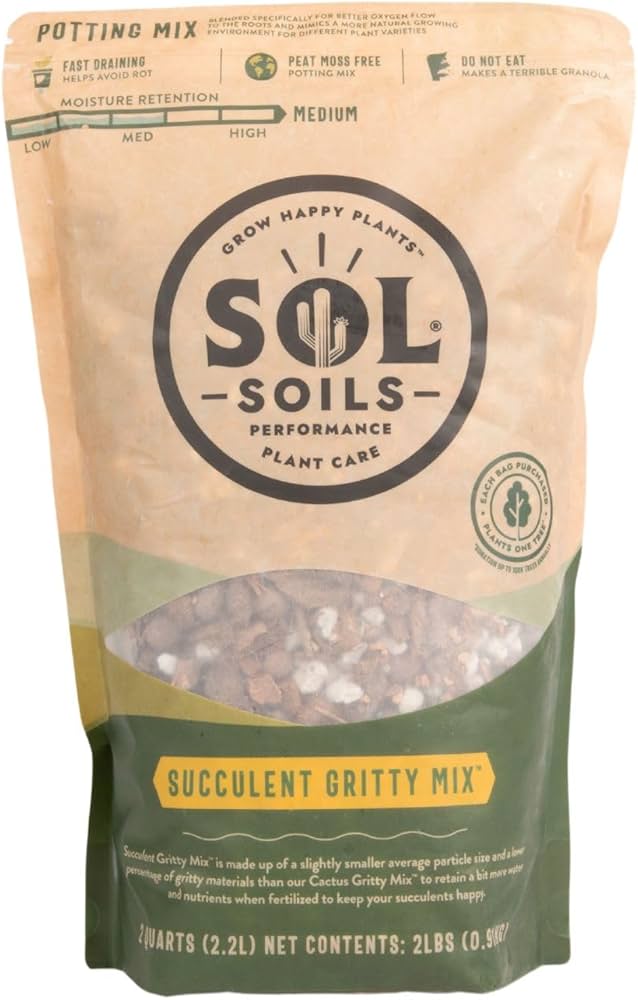
Repotting is best done in spring as growth resumes. If your succulent has outgrown its pot, or the soil is depleted, gently remove it and repot it into a well-draining succulent mix. Be careful not to damage the roots during repotting. This is also a good time to inspect the roots for any signs of rot.
Etiolation – the stretching of the plant in search of light – is a common issue after winter. If your succulents have become stretched, you can try to gradually move them to a brighter location. Sometimes, you may need to prune back the stretched portions to encourage more compact growth. However, be cautious about pruning too heavily, as this can stress the plant.
May through july: peak growth
These months represent the peak growing season for most indoor succulents. With warmer temperatures and longer days, your plants will be actively growing and thriving. This is the time to provide them with everything they need to flourish. Regular watering, adequate light, and occasional fertilization are all essential.
Watering schedules will depend on the specific type of succulent, the size of the pot, and the environmental conditions. However, a general guideline is to water thoroughly when the soil is dry to the touch, allowing excess water to drain away. Avoid letting succulents sit in standing water, as this can lead to root rot. I find checking the soil moisture every few days is the best approach.
Fertilize every 2-4 weeks with a balanced succulent fertilizer diluted to half strength. This will provide the nutrients your plants need to support healthy growth. Be mindful of potential pest issues that can arise with warmer temperatures. Mealybugs, aphids, and spider mites are common culprits. Regularly inspect your plants for signs of infestation.
This is also the prime time for propagation. Leaf and stem cuttings root readily in warmer months. Allow cuttings to callus over for a few days before planting them in well-draining succulent mix. July, in my experience, is particularly good for successful propagation. You can also divide larger succulents during repotting.
Consider providing some afternoon shade during extremely hot periods. While succulents love light, intense direct sunlight can sometimes scorch the leaves. A sheer curtain or moving the plant slightly away from the window can help prevent this.
- Water thoroughly when soil is dry.
- Fertilize every two weeks with half-strength liquid food.
- Inspect for pests regularly.
- Propagate cuttings.
- Provide afternoon shade if needed.
August & September: Slowing Down
As summer transitions into fall, growth begins to slow down. Days become shorter, and temperatures start to cool. This signals your succulents to prepare for dormancy. It’s time to gradually adjust your care routine to reflect these changes.
Begin to reduce watering frequency. Allow the soil to dry out more thoroughly between waterings. Also, gradually reduce the amount of fertilizer you’re applying. You may even stop fertilizing altogether by the end of September. Plants need less fuel as they prepare for rest.
This is a good time to prepare for fall pest control. Inspect your plants carefully for any lingering pests and treat them accordingly. Removing any dead or decaying leaves can also help prevent fungal diseases. Some succulents, like certain Echeverias, will begin to show beautiful fall colors during this time.
While the growth slowdown is noticeable, don’t drastically change your routine overnight. A gradual transition is key to avoiding stress. Continue to provide adequate light, but be aware that the intensity of sunlight is decreasing.
October & November: Fall Transition
October and November mark a significant shift towards dormancy. Growth slows considerably, and succulents begin to conserve energy for the winter months. Adjusting your care routine is crucial during this period.
Continue to reduce watering frequency. Allow the soil to dry out completely between waterings. Monitor your plants closely for signs of overwatering, such as mushy leaves. Adjust light exposure as needed, providing supplemental light if natural light is insufficient.
Increased humidity can sometimes lead to fungal diseases during this time. Ensure good air circulation around your plants. Avoid misting the leaves, as this can create a favorable environment for fungal growth. I’m always surprised by how quickly succulents can transition from active growth to dormancy.
Be mindful of temperature fluctuations. Avoid placing succulents near drafty windows or heat vents. Consistent temperatures are important for maintaining their health during the fall transition.
December: Deep Winter Care
December marks the deepest point of dormancy for most indoor succulents. Minimal watering and cool temperatures are essential for their survival during this period. Treat them as though they are taking a long winter nap.
Watering should be minimal – perhaps once a month, or even less frequently. Allow the soil to dry out completely between waterings. Protect succulents from drafts and extreme cold. Avoid placing them near heat sources.
Briefly consider holiday decorations. Avoid placing lights directly on the plants, as they can generate heat and damage the leaves. Be careful not to knock into the plants while decorating. Remember, they're still living things during the holidays.
Resist the urge to fuss over your succulents during December. The best thing you can do is leave them alone and allow them to rest.
Succulent Problem Diagnosis
| Symptoms | Possible Causes | Solutions |
|---|---|---|
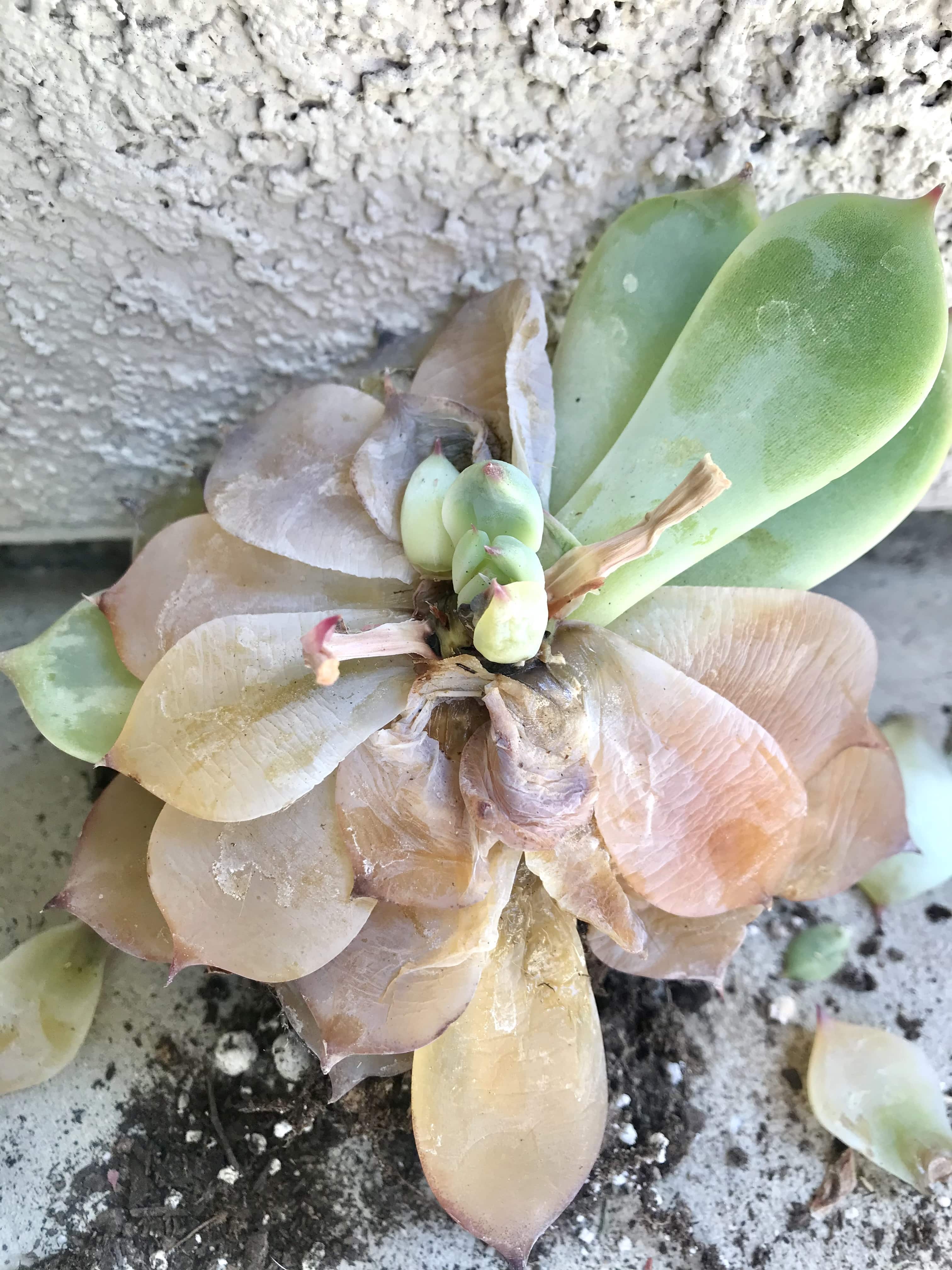
| Yellowing, translucent leaves | Overwatering | Reduce watering frequency. Ensure pot has drainage holes. Allow soil to dry completely between waterings. |
| Yellowing, wrinkled leaves | Underwatering | Increase watering frequency, but avoid saturation. Check soil dryness regularly. |
| Stretched growth (etiolation), pale color | Lack of light | Move succulent to a brighter location. Consider supplemental grow lights. |
| Mushy, brown stems | Root rot (often from overwatering) | Remove affected plant from pot. Inspect roots, removing any that are black or mushy. Repot in fresh, well-draining soil. Reduce watering. |
| White, cottony substance on leaves or stems | Mealybugs | Isolate the plant. Gently remove mealybugs with a cotton swab dipped in rubbing alcohol. Treat with insecticidal soap if infestation persists. |
| Small, brown bumps on leaves or stems | Scale | Remove scale insects manually or with a cotton swab dipped in rubbing alcohol. Horticultural oil can also be effective. |
| Distorted growth, stunted development | Pest Infestation (various) | Inspect plant thoroughly for pests. Treat with appropriate insecticide or insecticidal soap. Quarantine affected plants. |
| Brown, crispy leaf tips | Low humidity or salt buildup | Increase humidity around the plant (e.g., pebble tray). Flush the soil periodically with water to remove salt buildup. |
Illustrative comparison based on the article research brief. Verify current pricing, limits, and product details in the official docs before relying on it.
No comments yet. Be the first to share your thoughts!