

Succulents and the new heat
We’re seeing heat waves happen more often, and they’re getting more intense. It’s not just a feeling; data from the National Oceanic and Atmospheric Administration shows a clear trend of rising temperatures and increased frequency of extreme heat events. While succulents are famously drought-tolerant, that doesn’t automatically mean they can all handle prolonged periods of scorching heat. Many popular varieties will struggle, and even die, if pushed beyond their limits.
Choosing varieties that can handle 2026’s climate requires looking past basic drought tolerance. While many succulents survive without water, high-intensity sunlight and triple-digit temperatures are different stressors entirely. Success comes down to selecting plants with specific physical defenses like farina or deep root structures.
Heat tolerance isn't a guarantee of survival. Even the toughest species need help when a heat wave stretches into its second week. Soil composition, pot material, and timing your watering are just as important as the species you choose.
How succulents survive high temperatures
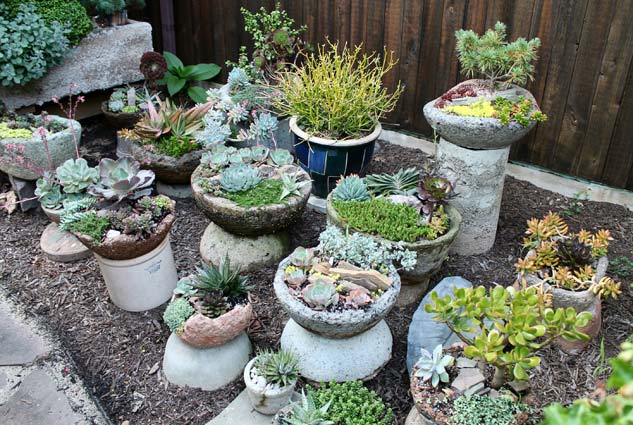
What makes a succulent able to shrug off intense heat? Several key characteristics come into play. Thicker leaves store more water, providing a reserve during dry spells. A waxy coating, known as farina, reflects sunlight, reducing leaf temperature and minimizing water loss. Think of the powdery bloom on Echeveria elegans – that’s farina at work.
Root systems are also critical. Deeper, more extensive roots can access water further down in the soil. Succulents with efficient water storage mechanisms, like those found in Sedum species, are generally more heat-tolerant. It’s not just one trait, though; it’s a combination of these factors working together.
Acclimatization is often overlooked, but it’s hugely important. A succulent that’s spent its life indoors in a climate-controlled environment won’t be nearly as heat-ready as one that’s been gradually exposed to outdoor conditions. Slowly introduce plants to more sunlight and warmer temperatures over several weeks to help them adjust. A sudden shift can cause sunburn and stress.
Heat-resistant varieties for your garden
Based on 2024-2025 observations from Mountain Crest Gardens, these varieties show the highest survival rates during extreme heat spikes.
Echeveria purpusorum (Dusty Rose): This compact echeveria forms beautiful rosettes covered in a white, powdery coating. It tolerates full sun and can handle temperatures well into the 90s Fahrenheit. Water sparingly, allowing the soil to dry completely between waterings. It's a slow grower, so don't be discouraged if it doesn't change much in a season.
Graptopetalum paraguayense (Ghost Plant): Known for its pale, silvery-grey leaves, the Ghost Plant is surprisingly tough. It thrives in full sun and well-draining soil, and can withstand prolonged drought. Be careful not to overwater, as this can lead to root rot. It's incredibly easy to propagate from leaves.
Sedum morganianum (Burro’s Tail): This trailing succulent is a showstopper, with plump, bead-like leaves. It prefers bright, indirect light but can tolerate full sun with some afternoon shade. It’s relatively drought-tolerant, but benefits from occasional deep watering during hot spells. Be gentle when handling, as the leaves are easily knocked off.
Sempervivum tectorum (Hens and Chicks): A classic for a reason, Hens and Chicks are incredibly hardy and adaptable. They thrive in full sun and well-draining soil, and can tolerate temperatures well below freezing as well as intense heat. They produce offsets (chicks) that can be easily separated and replanted.
Aloe vera: Beyond its medicinal properties, Aloe vera is a surprisingly heat-tolerant succulent. It prefers full sun to partial shade and well-draining soil. Water deeply but infrequently, allowing the soil to dry out completely between waterings. It can handle temperatures up to 100°F.
Agave parryi (Parry’s Agave): A dramatic succulent with striking blue-grey leaves, Parry’s Agave is built for harsh conditions. It prefers full sun and well-draining soil. It’s slow-growing, but can eventually reach a substantial size. Be cautious of the sharp spines at the tips of the leaves.
Haworthia attenuata (Zebra Plant): This small, slow-growing succulent is known for its distinctive white stripes. It prefers bright, indirect light and well-draining soil. It’s relatively drought-tolerant, but benefits from occasional watering during hot weather. It’s a great choice for indoor or shaded outdoor spaces.
Crassula ovata (Jade Plant): Another classic, Jade Plants are known for their longevity and resilience. They prefer bright, indirect light and well-draining soil. They can tolerate full sun, but may develop sunburn if exposed to intense heat for too long. Water deeply but infrequently.
Echeveria elegans (Mexican Snowball): This popular echeveria forms beautiful, symmetrical rosettes covered in a powdery white coating. It prefers full sun and well-draining soil. It’s relatively drought-tolerant, but can be susceptible to mealybugs.
Sedum adolphii (Golden Sedum): This trailing sedum turns a beautiful golden color in full sun. It prefers well-draining soil and can tolerate prolonged drought. It’s a fast grower and can easily be propagated from cuttings.
Kalanchoe tomentosa (Panda Plant): With its fuzzy, grey-green leaves, the Panda Plant is a unique and charming succulent. It prefers bright, indirect light and well-draining soil. It’s relatively drought-tolerant, but can be sensitive to overwatering.
Opuntia microdasys (Bunny Ears Cactus): Don’t let the cute name fool you – this cactus has glochids (tiny, barbed spines) that can be irritating. It prefers full sun and well-draining soil. It’s incredibly drought-tolerant and can withstand extreme heat.
Euphorbia tirucalli (Pencil Cactus): This unusual succulent has thin, pencil-like stems. It prefers full sun and well-draining soil. It’s relatively drought-tolerant, but can be toxic if ingested. Handle with care.
Senecio rowleyanus (String of Pearls): This trailing succulent has unique, bead-like leaves. It prefers bright, indirect light and well-draining soil. It’s relatively drought-tolerant, but can be prone to root rot if overwatered.
Top 15 Heat-Resistant Succulent Varieties
| Common Name | Scientific Name | Max Temperature Tolerance (Fahrenheit) | Light Needs | Water Needs | Propagation Method |
|---|---|---|---|---|---|
| Echeveria 'Perle von Nurnberg' | Echeveria 'Perle von Nurnberg' | 80-90°F | Full Sun to Partial Shade | Low | Leaf Cuttings |
| Sedum morganianum (Burro's Tail) | Sedum morganianum | 85-95°F | Full Sun to Partial Shade | Low | Stem Cuttings |
| Graptopetalum paraguayense (Ghost Plant) | Graptopetalum paraguayense | 90-100°F | Full Sun to Partial Shade | Low | Leaf Cuttings |
| Sempervivum tectorum (Hens and Chicks) | Sempervivum tectorum | 80-90°F | Full Sun | Low | Offsets/Division |
| Aloe vera | Aloe barbadensis miller | 85-95°F | Bright Indirect Light | Low | Offsets/Division, Leaf Cuttings (sometimes) |
| Crassula ovata (Jade Plant) | Crassula ovata | 70-85°F | Full Sun to Partial Shade | Low | Leaf Cuttings, Stem Cuttings |
| Haworthia attenuata (Zebra Plant) | Haworthia attenuata | 75-85°F | Bright Indirect Light | Low | Offsets/Division |
| Senecio rowleyanus (String of Pearls) | Senecio rowleyanus | 70-80°F | Bright Indirect Light | Low | Stem Cuttings |
Illustrative comparison based on the article research brief. Verify current pricing, limits, and product details in the official docs before relying on it.
Standout performers
While all the plants listed above are heat-tolerant, a few really shine in challenging conditions. Sedum morganianum (Burro’s Tail) is a standout because of its trailing habit – it looks fantastic cascading over pots or hanging baskets, and the dense foliage provides some self-shading. It's also remarkably adaptable, tolerating a range of light conditions as long as the soil drains well.
Echeveria purpusorum (Dusty Rose) is another exceptional choice. The farina covering its leaves is especially effective at reflecting sunlight, keeping the plant cool even in intense heat. The color also tends to hold well, even with full sun exposure, which isn’t always the case with other echeverias.
Succulent author Debra Lee Baldwin recommends using 30-50% shade cloth during peak afternoon hours. This is vital for younger plants that haven't developed thick enough cuticles to prevent permanent scarring from UV exposure.
Soil and potting for heat stress
The right soil mix is essential for helping succulents withstand heat. The key is excellent drainage. Soggy soil leads to root rot, even in hot weather. A good starting point is a cactus mix, which is typically formulated for fast drainage. However, you can improve it further by adding perlite and pumice.
I recommend a mix of 1 part cactus mix, 1 part perlite, and 1 part pumice. Perlite improves aeration and drainage, while pumice helps retain some moisture without becoming soggy. Avoid using garden soil, as it’s too dense and holds too much water. The goal is a gritty, well-aerated mix that allows water to flow through quickly.
Pot material also matters. Terracotta pots are porous, allowing for better air circulation and faster drying. This is beneficial in hot climates, but it also means you’ll need to water more frequently. Plastic pots retain moisture longer, which can be helpful in drier conditions, but they also increase the risk of root rot if overwatered. Consider your local climate and watering habits when choosing pots.
Watering during heat waves
Succulents still need water during heat waves, but the approach is different than during cooler months. The goal is to provide enough moisture to prevent dehydration without encouraging root rot. Reduce the frequency of watering, but increase the amount of water when you do water.
Signs of heat stress include sunburned leaves (discolored patches), drooping, and shriveled leaves. If you notice these symptoms, water deeply and move the plant to a shadier location. Avoid overhead watering during the hottest part of the day, as this can cause leaf burn. Water early in the morning or late in the evening.
Water deeply, ensuring that the water reaches all the roots. Allow the soil to dry out completely between waterings. The frequency will depend on the temperature, humidity, and pot material. Check the soil moisture with your finger – if it’s dry several inches down, it’s time to water. Remember, it’s better to underwater than to overwater.
Community tips for extreme weather
Online succulent communities are full of valuable information and shared experiences. On Reddit’s r/succulents, many users report success with Graptopetalum paraguayense (Ghost Plant) even in extremely hot climates. Several posts mention using shade cloth during the hottest parts of the day, echoing Debra Lee Baldwin’s advice. Facebook groups dedicated to succulent care also feature numerous discussions about heat tolerance and strategies for protecting plants from extreme temperatures.
Essential Gear for Thriving Succulents in Extreme Heat
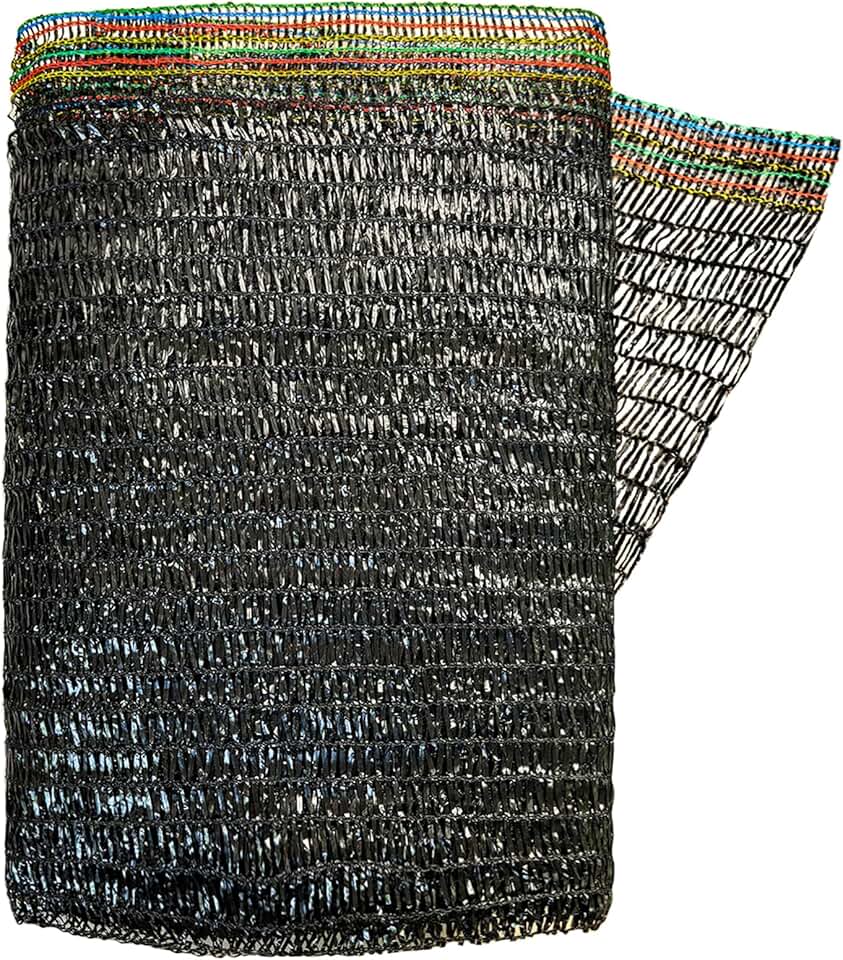
55% shade density · UV resistant · Suitable for vegetables, flowers, and greenhouses
This shade cloth provides essential protection against intense sunlight and heat, safeguarding your succulents from scorching.

10x20FT size · 55% black shade density · UV resistant mesh for plant cover
This shade cloth offers a substantial area of protection, crucial for shielding heat-resistant succulents from extreme solar exposure.

16 mil thickness · Clear, waterproof, UV resistant plastic · Includes grommets for easy installation
This heavy-duty clear plastic tarp creates a controlled environment, protecting delicate succulents from harsh weather while allowing beneficial light.

6.5x10ft size · 55% sunblock density · UV resistant mesh for garden and greenhouse use
This compact shade cloth is ideal for smaller succulent collections, offering targeted protection from excessive heat and sun.

40-50% sunblock density · Lightweight and easy to hang · Versatile for gardens, kennels, and chicken coops
This versatile shade netting offers moderate sun protection, perfect for creating a cooler microclimate for succulents in various outdoor settings.
As an Amazon Associate I earn from qualifying purchases. Prices may vary.
No comments yet. Be the first to share your thoughts!