

Rare succulents: a visual preview
The world of succulents has exploded in popularity, but beyond the familiar Echeverias and Sedums lies a captivating realm of rare and unusual varieties. These aren't your garden-variety plants; they're collector’s items, often sought after for their unique forms, limited availability, or recent discovery. The demand has steadily increased, driving a small but active market for these botanical treasures.
What defines a 'rare' succulent can be subjective. It might be a species with a naturally restricted habitat, a cultivar developed through careful breeding, or simply a plant that isn’t widely propagated. Often, it’s a combination of these factors. The thrill of the hunt, the challenge of cultivation, and the sheer beauty of these plants are what draw enthusiasts in.
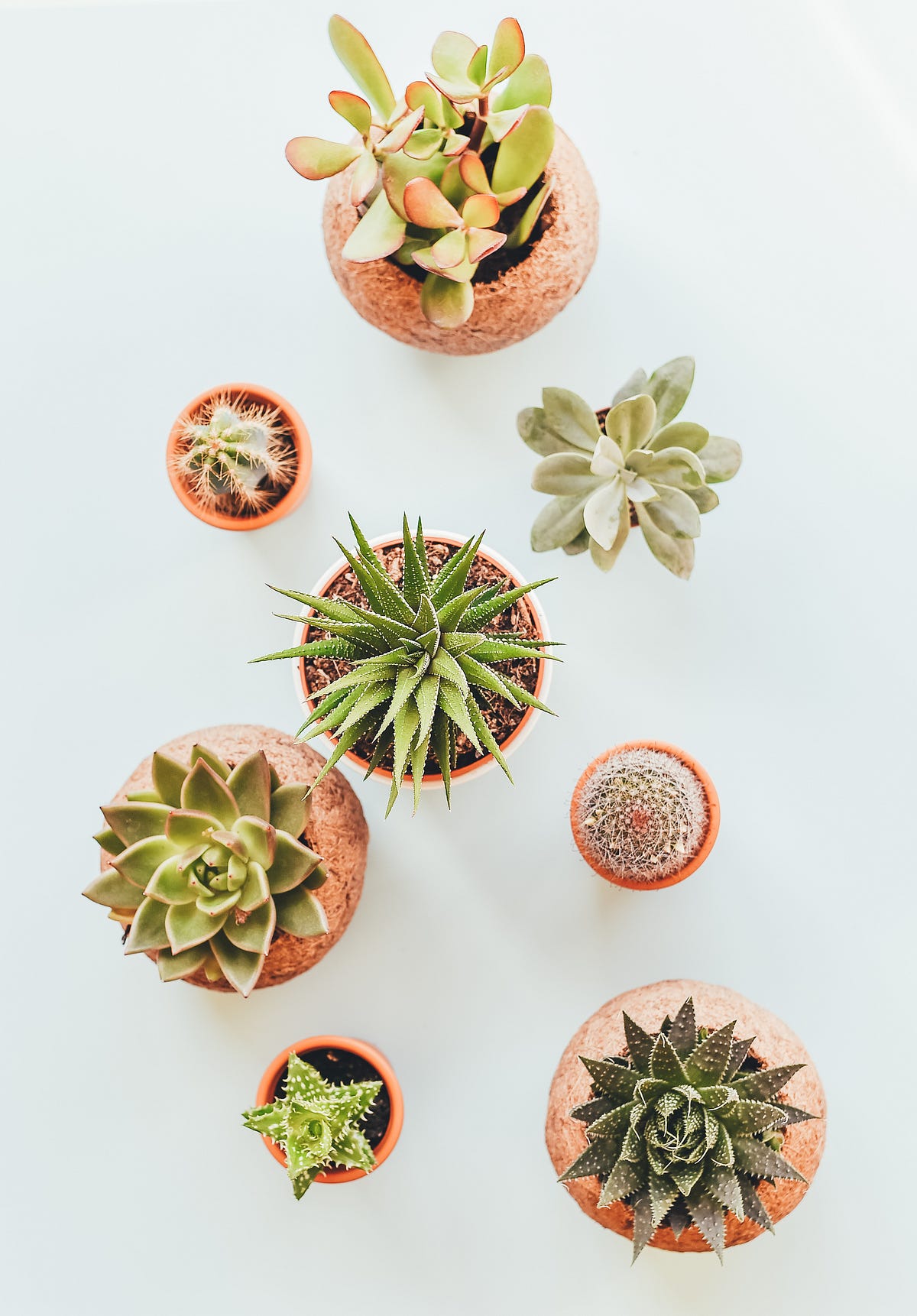
Let’s take a quick look at some of the stars we’ll be exploring. Lithops, or living stones, mimic pebbles to evade predators. Echeveria Lola boasts an incredibly tight rosette of powdery blue leaves. Haworthia Cooperi features translucent windows in its leaves, allowing light to filter through. These are just a few examples of the botanical wonders awaiting us.
Growing these isn't just about the aesthetic; it's about keeping a finicky organism alive in a pot. I've found that success comes down to matching the soil to the specific drainage needs of each genus.
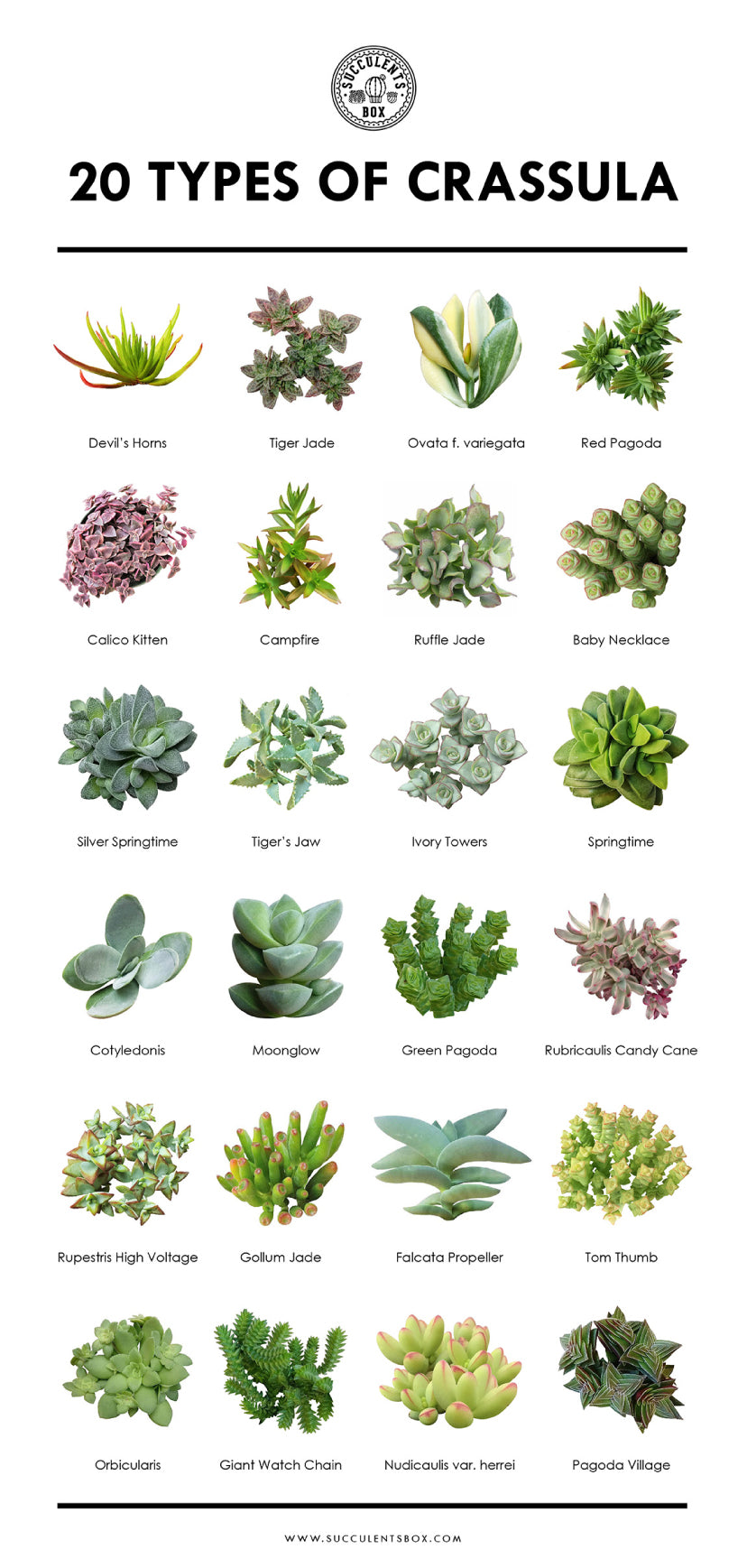
Lithops: The Living Stones
Lithops, commonly known as living stones, are among the most fascinating and deceptively challenging succulents to grow. Native to southern Africa, these plants have evolved to resemble pebbles, providing camouflage against predators and helping them conserve moisture in their harsh environment. Identifying the correct Lithops species can be surprisingly difficult, even for experienced growers.
Several species and forms exist, including Lithops Lesliei, Lithops Optima, and Lithops Pseudotruncata. Distinguishing between them requires a keen eye for subtle differences. Lithops Lesliei often has a more rounded shape and a brownish-grey coloration, while Lithops Optima tends to be flatter and greener. Lithops Pseudotruncata is known for its deeply fissured skin and often displays reddish tones.
Misidentification is common, as variations within a species can be significant. Paying attention to the shape of the leaves, the pattern of the skin, and the presence or absence of a fissure is crucial. Online resources like myplantin.com’s succulent identifier can be helpful, but always cross-reference with multiple sources and compare to known examples.
Proper care for Lithops is paramount to their survival. They require extremely well-draining soil – a mix of pumice, perlite, and coarse sand is ideal. Full sun is essential, and watering should be minimal, only when the plants begin to shrivel. Mimicking their natural arid environment is the key to success. Overwatering is the most common cause of failure.
Echeveria cultivars for collectors
While many are familiar with common Echeveria varieties, a world of sought-after cultivars exists for the dedicated collector. These aren’t just different colors of the same plant; they represent carefully selected and propagated forms with unique traits. Echeveria Lola, Echeveria Shaviana, and Echeveria Pulidonis are particularly prized examples.
Echeveria Lola is known for its incredibly tight rosette of powdery blue-grey leaves, creating a stunning visual impact. Echeveria Shaviana is a smaller, more compact variety with a beautiful lavender hue. Echeveria Pulidonis displays a more elongated, spoon-shaped leaf structure, often with a pinkish tinge. These characteristics set them apart from the more common Echeveria types.
Propagation of these rarer Echeverias is typically done through leaf cuttings or offsets. Leaf cuttings can be a bit more challenging, requiring careful placement on well-draining soil and consistent humidity. Offsets, or “pups”, are easier to root and generally produce plants that are true to the parent variety. I've found success using a hormone rooting powder.
Keeping these cultivars alive presents some challenges. They are susceptible to mealybugs and root rot, so proper ventilation and well-draining soil are essential. They also require bright, indirect light to maintain their coloration and compact growth habits. Overwatering is a frequent mistake, so allow the soil to dry out completely between waterings.
- Echeveria Lola has a tight, powdery blue rosette.
- Echeveria Shaviana: Compact, lavender hue.
- Echeveria Pulidonis: Elongated, spoon-shaped leaves.
Haworthia and leaf windows
The genus Haworthia offers a fascinating group of small, slow-growing succulents. What sets many Haworthia species apart are the translucent “windows” on their leaves. These windows aren’t just for show; they allow light to penetrate the leaves and reach the chlorophyll-containing tissues beneath the surface, aiding in photosynthesis.
Haworthia Cooperi is perhaps the most well-known species with pronounced translucent windows. Haworthia Attenuata also exhibits this feature, though to a lesser extent. The size and clarity of the windows can vary depending on light levels and the plant’s overall health. Insufficient light will result in the windows becoming less visible.
Proper light is critical for maintaining the window effect. While Haworthia prefer bright, indirect light, too much direct sun can scorch their leaves. A north- or east-facing window is often ideal. It's a delicate balance, but worth achieving to see these unique structures at their best.
One common mistake is overwatering Haworthia. They are adapted to arid conditions and prefer to dry out completely between waterings. Root rot is a frequent problem. Also, avoid fertilizing too heavily, as this can lead to leggy growth and a loss of the compact form. I've observed that consistent, moderate care yields the best results.
Unusual Aloes: Beyond the Vera
While Aloe Vera is a household name, the Aloe genus boasts a remarkable diversity of species, many of which are rarely seen in cultivation. Exploring these unusual Aloes opens up a whole new dimension of succulent appreciation. Aloe Polyphylla (Spiral Aloe) and Aloe Dichotoma (Quiver Tree Aloe) are particularly captivating examples.
Aloe Polyphylla is renowned for its unique spiral arrangement of leaves, creating a mesmerizing geometric pattern. Aloe Dichotoma is a larger species, resembling a miniature tree with its thick, branching stems. Both species possess a striking architectural quality.
Cultivating these species outside of their native habitats can be challenging. Aloe Polyphylla is notoriously difficult to propagate and requires very specific conditions – cool, dry winters and well-draining, slightly acidic soil. Aloe Dichotoma prefers a warmer climate and can tolerate more direct sunlight.
I'm not sure about the best way to propagate Aloe Polyphylla consistently. Seed propagation is often recommended, but it's a slow process. Both species require careful attention to soil and light. Aloe Dichotoma needs ample space to grow, so it's best suited for larger gardens or containers.
Comparing *Sedum*, *Graptopetalum*, and Common Hybrids
| Plant Name | Origin | Typical Color | Light Needs | Water Needs | Propagation |
|---|---|---|---|---|---|
| *Sedum morganianum* (Burro's Tail) | Mexico | Blue-green, sometimes with reddish hues | Bright, indirect light to full sun | Allow soil to dry completely between waterings | Stem cuttings, leaf cuttings |
| *Graptopetalum paraguayense* (Ghost Plant) | Mexico | Pale greyish-white, can blush pink with sun stress | Full sun to partial shade | Allow soil to dry completely between waterings; susceptible to rot | Leaf cuttings, offsets |
| *Sedeveria 'Jet Beauty'* | Hybrid (Sedum x Graptopetalum) | Pale green to lavender, develops reddish edges in full sun | Full sun to partial shade | Allow soil to dry thoroughly between waterings | Leaf cuttings, offsets |
| *Sedum rubrotinctum* (Jelly Bean Plant) | Mexico | Green when growing, turns reddish-purple with sun stress | Full sun to partial shade | Allow soil to dry completely between waterings | Leaf cuttings |
| *Graptopetalum fragilis* (Ghost Plant) | Mexico | Pale greyish-white, often with pinkish tones | Full sun to partial shade | Very drought tolerant; allow soil to dry completely | Leaf cuttings, offsets |
| *Graptosedum 'Fred Ives'* | Hybrid (Graptopetalum x Sedum) | Pale blue-grey, develops pink and purple hues with sun exposure | Full sun to partial shade | Allow soil to dry completely between waterings | Leaf cuttings, offsets |
| *Sedum pachyphyllum* (Thick-leaf Stonecrop) | Mexico | Pale green to blue-green | Full sun to partial shade | Allow soil to dry completely between waterings | Leaf cuttings, stem cuttings |
Illustrative comparison based on the article research brief. Verify current pricing, limits, and product details in the official docs before relying on it.
Cactus Oddities: Rare Gymnocalycium & Mammillaria
Beyond the typical prickly pears and barrel cacti, a world of unusual cactus varieties awaits. Gymnocalycium and Mammillaria genera offer some particularly intriguing options for the collector. Gymnocalycium mihanovichii (Moon Cactus) – often seen in grafted forms – and rare Mammillaria species with unique spine arrangements or flower colors are worth seeking out.
Gymnocalycium mihanovichii is naturally lacking chlorophyll, resulting in its vibrant red or orange coloration. However, it cannot survive on its own and is typically grafted onto a green Hylocereus cactus. The ethical considerations of grafted cacti are worth noting – ensuring the rootstock is healthy and the graft is well-executed is crucial.
Rare Mammillaria species can exhibit extraordinary spine patterns, flower colors, and growth habits. Some varieties produce clusters of delicate, star-shaped flowers, while others have spines that curl and twist in unusual ways. Identifying these species requires careful observation and comparison.
These cacti generally require bright light, well-draining soil, and infrequent watering. Pest control is also important, as mealybugs and scale can be problematic. Regular inspection and prompt treatment are key to maintaining their health.
Where to Find & Verify Rare Succulents
Finding rare succulents can be an adventure in itself. Specialized nurseries, online marketplaces, and succulent societies are the primary sources. Reputable nurseries often have a wider selection and can provide expert advice. Online marketplaces like Etsy and eBay can offer unique finds, but require more careful scrutiny.
Verifying the authenticity of rare succulents is crucial. Check for proper labeling, including the scientific name and any cultivar information. Examine the plant’s health – look for signs of pests or diseases. Research the seller – read reviews and check their reputation. Don’t be afraid to ask questions about the plant’s origin and care.
Beware of common scams and mislabeled plants. Unrealistic prices should raise a red flag. Plants that are poorly rooted or show signs of stress are likely to be of poor quality. Always purchase from sellers with a clear return policy. I’ve seen a lot of people get ripped off online, receiving common succulents labeled as rare varieties.
Succulent societies often host sales and workshops, providing a great opportunity to connect with other enthusiasts and acquire rare plants from trusted sources. Joining a local society is a fantastic way to expand your knowledge and build your collection.
- Specialized nurseries usually have better stock and staff who actually know the species.
- Online Marketplaces: Unique finds, require scrutiny.
- Succulent Societies: Sales, workshops, trusted sources.
Rare Succulent Resources
- Arid Lands Greenhouses - Specializing in a wide variety of succulents, including many rare and unusual species. They frequently update their inventory with newly propagated plants.
- The Cactus Pad - Offers a curated selection of rare and collectible cacti and succulents, with detailed plant information and care guides.
- Succulent Source - Known for its extensive collection of Echeveria and other popular succulent genera, they also carry a growing number of harder-to-find varieties.
- Leaf & Clay - Focuses on aesthetically pleasing and unique succulents, with a selection that includes many sought-after cultivars and hybrids.
- Planet Desert - Offers a diverse range of succulents and cacti, with a strong emphasis on rare and unusual forms, and a focus on conservation.
- International Crassulaceae Society - A non-profit organization dedicated to the study and conservation of Crassulaceae (succulents). Their website provides resources and a network for enthusiasts.
- Cactus and Succulent Society of America (CSSA) - A leading organization for cactus and succulent enthusiasts, offering publications, events, and local chapter information.
No comments yet. Be the first to share your thoughts!