

Why sustainable soil matters
Most store-bought 'cactus mixes' are actually bad for succulents. They usually rely on peat moss, which is harvested by stripping carbon-rich bogs. It's a destructive process that ruins habitats just so we can have cheap potting soil.
Standard mixes often have chemical fertilizers that build up salts and burn roots. Switching to sustainable alternatives creates a better environment for the plants. A gritty, peat-free mix drains faster and keeps roots from rotting.
There’s a growing awareness among gardeners about the impact of our choices. People are actively seeking out more responsible practices, and that extends to the soil we use. It's not a fleeting trend, either. The demand for sustainable gardening products is steadily increasing, and for good reason – it's a win for both your plants and the planet.
Getting the texture right
Succulents, originating from arid environments, are adapted to thrive in soil that drains quickly. They absolutely hate sitting in wet conditions, which leads to root rot – a common killer of these otherwise hardy plants. The key to preventing rot is understanding the importance of drainage and aeration. This isn't about a specific ingredient, but about the overall texture of the mix.
Succulent soil is just a mix of particle sizes. Large chunks like pumice create the air pockets needed for drainage. Medium bits like coco coir hold onto a little moisture so the plant doesn't desiccate. You want a balance, but I always lean toward the larger, grittier stuff.
You’ll often hear about the "grit, silt, organic matter’ ratio, and while it’s a useful guideline, don"t treat it as gospel. A 1:1:1 ratio can work, but it's highly dependent on your climate and watering habits. I’ve found that a mix with a higher proportion of gritty materials – closer to 2:1:1 or even 3:1:1 – works best, especially for those of us who tend to overwater or live in humid regions. The real test is how quickly the soil dries out after watering.
Coco coir vs. peat moss
Peat moss is the industry standard because it's cheap and holds water. But it's a disaster for the environment. Bogs are massive carbon sinks, and when we dig them up for garden soil, that carbon goes right into the atmosphere. Since peat takes centuries to grow back, it's effectively a non-renewable resource.
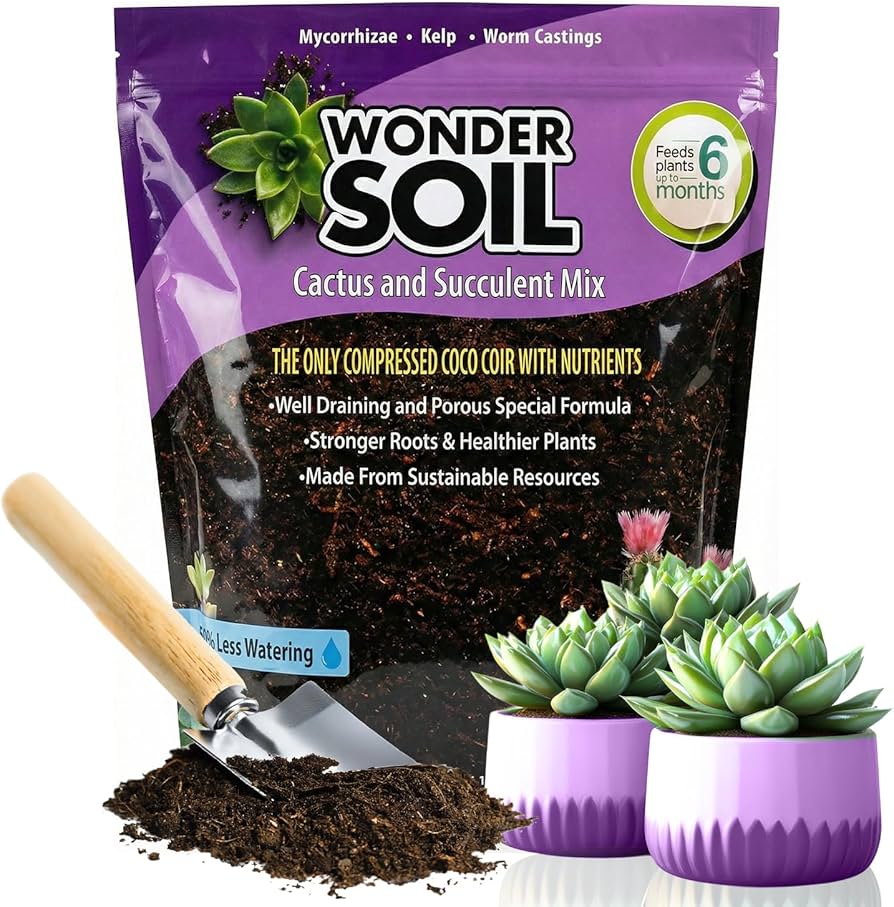
Coco coir, derived from coconut husks, is emerging as a fantastic alternative. It’s a renewable resource, a byproduct of the coconut industry, and requires no mining or destruction of natural habitats. Coco coir generally holds more water than peat moss, which can be a benefit or a drawback depending on your climate. It also tends to be pH neutral, unlike peat moss which is often acidic.
However, coco coir isn't perfect. It can sometimes contain high levels of salts, which can harm your succulents. It's often recommended to rinse coco coir thoroughly before use, especially if you’re buying compressed bricks. The cost can also be a factor; high-quality coco coir can sometimes be more expensive than peat moss, though prices are becoming more competitive. Here's a quick comparison:
Ultimately, I believe the environmental benefits of coco coir outweigh its drawbacks, making it a more sustainable choice for conscientious succulent growers.
- Peat Moss: Renewable? No. Environmental Impact: High. Water Retention: Good. pH: Acidic. Cost: Generally lower.
- Coco Coir: Renewable? Yes. Environmental Impact: Low. Water Retention: Very Good. pH: Neutral. Cost: Comparable, sometimes higher.
Coco Coir vs. Peat Moss for Succulents: A Sustainability Comparison
| Category | Coco Coir | Peat Moss |
|---|---|---|
| Sustainability | Better | Worse |
| Water Retention | Better | Similar |
| Aeration | Similar | Worse |
| pH Level | Similar | Similar |
| Cost | Similar | Similar |
| Availability | Similar | Better |
Illustrative comparison based on the article research brief. Verify current pricing, limits, and product details in the official docs before relying on it.
Five eco-friendly recipes
Ready to ditch the store-bought mixes and create your own? Here are five recipes, tailored for different needs and climates. Remember to adjust these based on your specific environment and watering habits. These aren't rigid rules, they're starting points.
Recipe 1: The All-Purpose Mix (Good for most climates): 1 part pumice, 1 part coco coir, 1 part coarse sand. This mix provides excellent drainage and aeration while still retaining enough moisture for healthy growth. Pumice prevents compaction, coco coir provides nutrients, and sand helps with drainage.
Recipe 2: The Fast-Draining Mix (Ideal for humid climates): 2 parts pumice, 1 part coco coir, 1 part granite grit. This is a very gritty mix, perfect for areas with high humidity or for growers who tend to overwater. The granite grit further enhances drainage and prevents root rot.
Recipe 3: The Balanced Mix (Good for indoor growing): 1 part perlite, 1 part coco coir, 1 part compost. Compost adds beneficial microbes and nutrients, making this mix suitable for indoor succulents that need a little extra boost. Perlite provides aeration and drainage, while coco coir retains moisture.
Recipe 4: The Budget-Friendly Mix: 2 parts coarse sand, 1 part coco coir, 1 part bark fines. Bark fines add some organic matter and improve drainage. This mix is a good option if you're looking for a more affordable alternative to pumice or perlite.
Recipe 5: The Desert Dweller Mix (For very arid climates): 3 parts pumice, 1 part coco coir, 1 part decomposed granite. This mix is designed for extremely dry conditions. The high proportion of pumice and decomposed granite helps retain some moisture while still providing excellent drainage. Decomposed granite adds essential minerals.
Troubleshooting: Adjusting Your Mix
Even with the best recipes, you might encounter problems with your succulent soil. The key is to observe your plants and make adjustments accordingly. Soil Compaction: If your soil is becoming compacted, it's likely lacking enough gritty material. Add more pumice, perlite, or granite grit to improve aeration.
Poor Drainage: If the soil stays wet for too long, your succulents are at risk of root rot. Add more pumice or perlite to increase drainage. You can also try tilting the pot to allow excess water to escape. Nutrient Deficiencies: Yellowing leaves or stunted growth can indicate a nutrient deficiency. Amend the soil with a small amount of worm castings or compost.
To test drainage, simply water the pot and observe how quickly the water drains through the drainage holes. If it takes more than a few seconds, your mix needs more gritty material. Remember, it’s easier to amend an existing mix than to start from scratch. Start with small adjustments and observe the results before making further changes.
Soil Ingredient Checklist
- Coco Coir - A renewable resource made from coconut husks, offering good water retention. Check for RHP certification to ensure quality and responsible sourcing.
- Worm Castings - A nutrient-rich compost created by earthworms. Look for sources that practice responsible worm farming.
- Pine Bark Fines - A byproduct of the lumber industry, providing excellent drainage and aeration. Ensure it's sourced from sustainably managed forests.
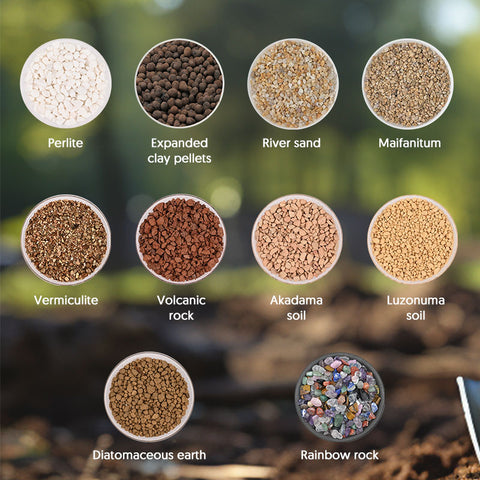
- Perlite - A volcanic glass that improves drainage. Consider the environmental impact of mining and transportation when sourcing.
- Pumice - Another volcanic rock offering drainage and aeration, often considered more sustainable than perlite. Origin and transportation distance are key factors.
- Compost - Decomposed organic matter, enriching the soil. Prioritize locally sourced compost and confirm it's free of herbicides and pesticides.
- Leaf Mold - Decomposed leaves, a naturally occurring soil amendment. Excellent for improving soil structure and water retention; best if homemade.
- Grit/Horticultural Sand - Improves drainage. Choose coarse sand and verify it hasn’t been collected from sensitive ecosystems like beaches.
Community Favorites: What Growers Are Using Now
What are other succulent lovers using these days? I’ve been keeping an eye on online forums and social media to see what’s working for people. On Reddit’s r/succulents, I’ve seen a lot of success with mixes incorporating horticultural charcoal to help with odor control and root health.
Many growers are also experimenting with different types of grit, like chicken grit or decomposed granite, to find the perfect balance of drainage and aeration. The consensus seems to be that there’s no one-size-fits-all solution. It really comes down to your climate, watering habits, and the specific needs of your plants.
One grower on Instagram (@succulent_stories) swears by a mix of 30% coco coir, 30% perlite, 20% pumice, and 20% worm castings. They report excellent results with a wide variety of succulents. These examples illustrate the importance of experimentation and finding what works best for you. Don’t be afraid to try different combinations and see what your plants respond to.
No comments yet. Be the first to share your thoughts!