

Kitchen scraps for succulents
I used to toss my food scraps without thinking, but most of that waste is actually gold for succulents. Buying plastic bags of specialized soil is expensive and feels unnecessary when you can make a better mix at home using what's already in your kitchen.
Succulent care doesn't have to be resource intensive. Traditional mixes often rely heavily on peat moss, the harvesting of which damages ecologically important bog ecosystems. Plus, those bags aren't cheap. Utilizing kitchen scraps isn’t just about saving money; it’s about creating a closed-loop system where waste becomes a valuable resource. It’s a small step, but it can make a real difference.
Succulents, with their evolutionary adaptations to arid environments, are surprisingly adaptable and often benefit from the components found in everyday kitchen waste. This isn't about sacrificing quality; it’s about rethinking what constitutes a 'good' growing medium. We'll explore how common scraps can provide essential nutrients and improve drainage, all while minimizing your environmental impact.
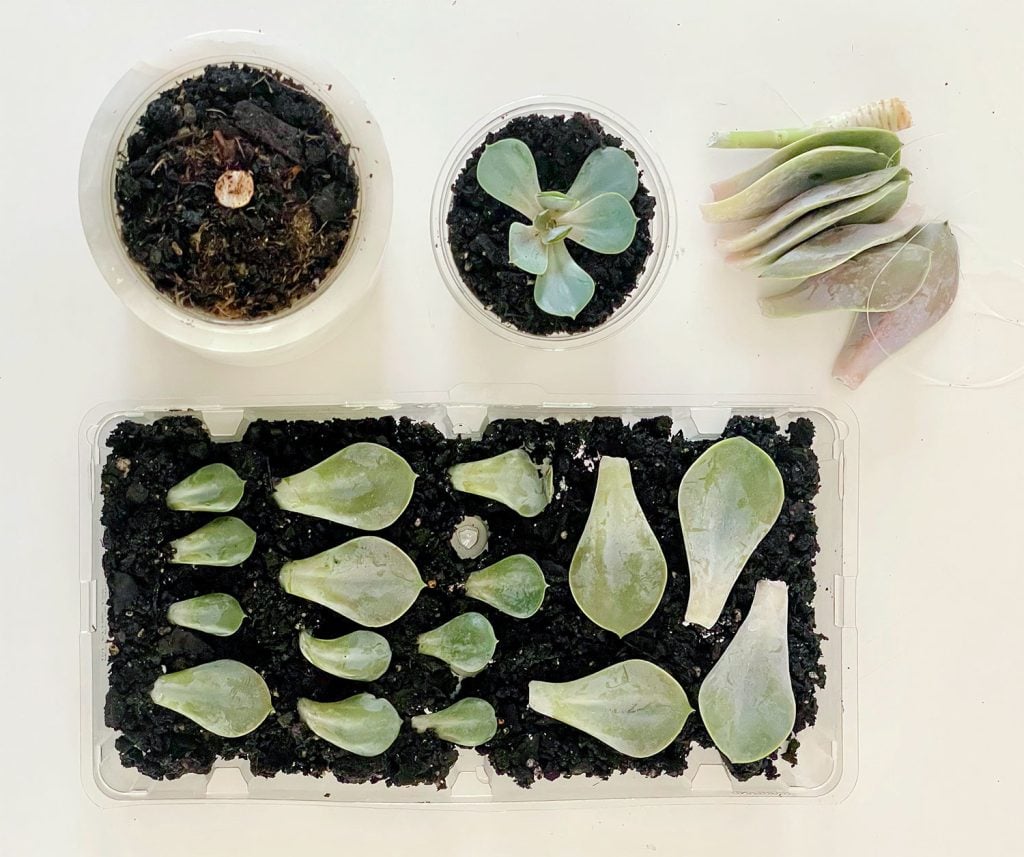
Coffee grounds for nitrogen
Used coffee grounds are a surprisingly effective addition to a succulent mix. They contain nitrogen, which is essential for healthy leaf growth, though succulents don’t need a ton of it. More importantly, they improve drainage and aeration when mixed properly. A well-draining mix is arguably the single most important factor in succulent health, preventing root rot which is a common killer.
However, you can't just dump coffee grounds directly onto your succulents. They can become compacted when wet, hindering drainage, and fresh grounds are quite acidic. The key is preparation. I always recommend rinsing used coffee grounds thoroughly to remove excess acidity and then spreading them out to dry completely. A thin layer on a baking sheet works well.
Once they're dry, I mix the grounds into the soil at about a 10% ratio. If you go over 20%, the soil gets too dense and might burn the roots. I usually blend them with perlite to keep the air flowing around the roots.
- Rinse the grounds to get the acid out.
- Spread grounds on a baking sheet to dry.
- Mix dried grounds into succulent mix (10-20% ratio).
Eggshells for calcium and drainage
Don’t throw those eggshells away! Crushed eggshells are a fantastic source of calcium carbonate, which strengthens plant cell walls and helps regulate pH. Calcium deficiencies can manifest as stunted growth or distorted leaves in succulents, so providing this mineral is beneficial. Beyond calcium, the irregular shape of crushed eggshells improves drainage within the soil mix.
Preparing eggshells is straightforward. Rinse them thoroughly to remove any remaining egg white, then allow them to dry completely. Once dry, you can crush them into various sizes – from coarse pieces to a fine powder. I’ve noticed that finer particles break down more quickly, releasing calcium more readily, but larger pieces contribute more to drainage.
Incorporate crushed eggshells into your succulent mix at around 5-10%. You can simply mix them in with other components or lightly top-dress your plants with a small amount. It’s a slow-release calcium source, so the benefits build up over time. There's no need to overdo it; a little goes a long way.
Banana peels for potassium
Banana peels are packed with potassium, a nutrient crucial for overall plant health, including succulents. Potassium helps regulate water balance, improves disease resistance, and promotes strong root development. While succulents aren’t heavy feeders, a potassium boost can be particularly helpful during the growing season.
Using banana peels effectively requires a bit of processing. I don’t recommend using fresh peels directly on the soil, as they can attract pests and decompose slowly. Instead, dry the peels completely – you can use a dehydrator or simply leave them in a warm, dry place. Once dry, you can blend them into a fine powder or steep them in water to create a 'banana peel tea'.
To use banana peel tea, soak the dried peels in water for a few days, then dilute the resulting liquid and use it to water your succulents. For the powder, mix a small amount (around 5%) into your succulent mix. Be mindful of the smell – dried banana peels can be quite potent! I find the tea is a more subtle and easily absorbed form of potassium.
Rice water as a liquid fertilizer
That cloudy water leftover from rinsing rice is surprisingly beneficial for succulents. Rice water contains trace amounts of nutrients like vitamins and minerals, making it a gentle liquid fertilizer. It also contains starch, which can act as a mild rooting hormone, making it helpful for propagating cuttings. It’s a truly zero-waste solution.
There are different types of rice water, each with slightly different properties. The first rinse typically contains the most starch, while subsequent rinses yield more dissolved minerals. Fermented rice water, created by allowing the water to sit for a day or two, develops beneficial microbes that can further enhance plant health. I’ve found fermented rice water to be particularly effective for root development.
Use rice water to water your succulents occasionally, or soak cuttings in it for a few hours to encourage root growth. Dilute the rice water with plain water – a 1:1 ratio is a good starting point. Avoid using it too frequently, as excessive use can lead to nutrient buildup. It’s a gentle boost, not a replacement for a balanced succulent mix.
Soil recipes using scraps
Now that we’ve explored individual components, let's put them together! Experimentation is key here, but these recipes provide a good starting point. Remember, these are guidelines – adjust the ratios based on your specific succulents and environmental conditions. Succulents like Echeverias and Sedums generally prefer faster-draining mixes, while Haworthias can tolerate a bit more moisture.
Coffee Grounds & Eggshell Mix: 2 parts coco coir, 1 part perlite, 10% rinsed and dried coffee grounds, 5% crushed eggshells. This mix provides good drainage, nitrogen, and calcium. It’s ideal for Echeverias and Sedums.
Banana Peel & Coco Coir Blend: 3 parts coco coir, 1 part perlite, 5% banana peel powder. This blend is rich in potassium and provides a good balance of drainage and moisture retention. It’s well-suited for Haworthias and Gasterias.
Rice Water & Perlite Soak: Use rice water to pre-soak cuttings before planting them in a mix of 2 parts perlite and 1 part vermiculite. This encourages rapid root development. This isn’t a full mix, but a pre-planting treatment.
- Start with a base of coco coir or perlite.
- Add small amounts of kitchen scraps.
- Mix thoroughly and adjust ratios as needed.
- Observe your plants for signs of improvement or stress.
What to use and what to skip
This table provides a quick overview of which kitchen scraps are best suited for different types of succulents. Remember, this is a general guide, and individual results may vary. Consider your local climate and growing conditions when making your choices. The goal is to provide a helpful starting point, not a rigid set of rules.
It’s important to understand that "Use with Caution’ doesn’t mean you shouldn’t use a particular scrap; it simply means you should proceed with extra care and monitor your plants closely. If you"re unsure, start with a small amount and observe the results. Ultimately, successful succulent care is about understanding your plants and adapting your approach accordingly.
- Excellent: Coffee Grounds (rinsed & dried), Eggshells (crushed)
- Good: Banana Peels (dried & powdered), Rice Water (diluted)
- Use with Caution: Tea Bags (composted), Citrus Peels (small amounts, composted)
- Avoid: Dairy Products, Meat Scraps, Oily Foods
Kitchen Scrap Suitability for Succulent Propagation
| Kitchen Scrap | Succulent Type (Echeveria, Sedum, Haworthia) | Suitability |
|---|---|---|
| Coffee Grounds (used) | Echeveria | Good |
| Coffee Grounds (used) | Sedum | Good |
| Coffee Grounds (used) | Haworthia | Use with Caution |
| Eggshells (crushed) | Echeveria | Good |
| Eggshells (crushed) | Sedum | Excellent |
| Eggshells (crushed) | Haworthia | Good |
| Banana Peels (dried & crushed) | Echeveria | Use with Caution |
| Banana Peels (dried & crushed) | Sedum | Good |
| Banana Peels (dried & crushed) | Haworthia | Avoid |
Illustrative comparison based on the article research brief. Verify current pricing, limits, and product details in the official docs before relying on it.
No comments yet. Be the first to share your thoughts!