

Why Vertical Succulents Are Trending
Vertical succulent gardens are quickly becoming the indoor plant trend to watch, and 2026 looks poised to be their breakout year. This shift is driven by the increasing number of people living in smaller spaces, particularly apartments. Traditional gardening simply isn’t feasible for many, but these gardens offer a beautiful solution.
The appeal goes beyond practicality. There's a growing awareness of biophilic design – the idea that incorporating natural elements into our living spaces improves well-being. Succulents, with their unique forms and textures, are perfectly suited to this trend. They bring a touch of the outdoors in, contributing to a calmer and more relaxing environment.
Vertical gardening itself isn’t new. People have been growing plants on walls for centuries, from the famed Hanging Gardens of Babylon to more recent innovations in green walls. Succulents offer a relatively low-maintenance and accessible entry point into this world. Unlike many climbing plants, succulents don’t require extensive support structures or pruning. They're also different from traditional potted succulents, offering a more dynamic and visually interesting display.
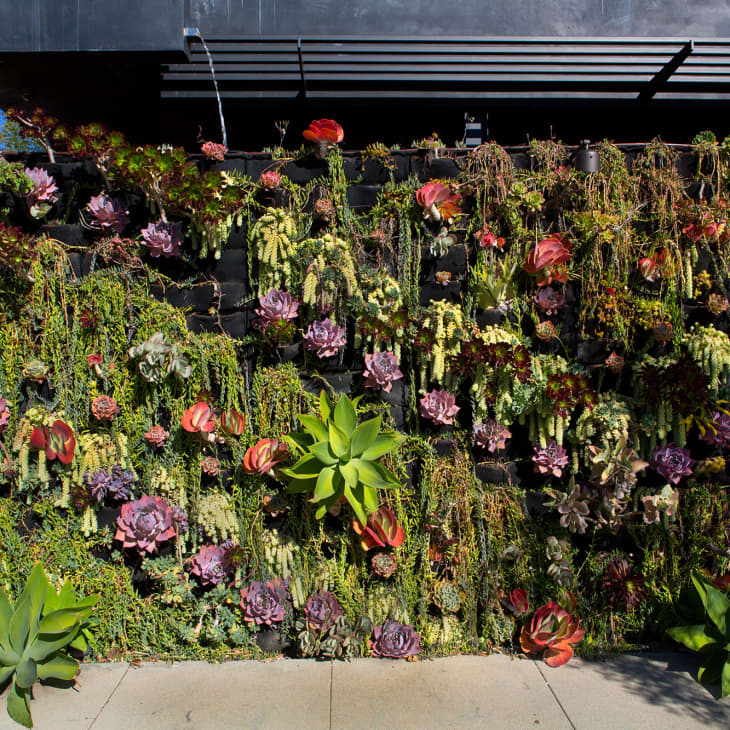
Indoor succulents and cacti waiting for outdoor planting in March pic.twitter.com/EpWImzuf1N
— Cosmic Cowboy (@CosmicCowboy) February 2, 2025
Space Savings & Design Options
The most obvious benefit of a vertical succulent garden is the space it saves. A standard collection of succulents in individual pots quickly takes up valuable surface area on windowsills, tables, and floors. A vertical garden utilizes vertical space, leaving your floors and surfaces clear. A small 2ft x 2ft vertical garden can house as many succulents as would typically require 6-8 individual pots.
There's a wide range of structures available to suit different tastes and budgets. Pocket planters, made of felt or fabric with individual pockets for each plant, are a popular and affordable option. Stacked planters, often made of terracotta or plastic, create a tiered effect. Repurposed pallets, lined with landscape fabric, offer a rustic and eco-friendly look.
For a more polished aesthetic, commercially available vertical garden systems provide a streamlined and often self-watering solution. These systems can be more expensive upfront, but they offer convenience and a professional finish. DIY enthusiasts can build their own frames using wood or metal and attaching chicken wire or mesh to create planting pockets. The possibilities are endless, allowing you to customize your garden to perfectly match your décor.
Succulents Best Suited for Vertical Growth
Not every succulent is a good fit for a vertical arrangement. Consider the plant’s growth habit and root system. Succulents that trail or have a compact growth pattern tend to thrive in these conditions, while larger, top-heavy varieties can become unstable and difficult to manage. Consider light requirements – some succulents need more direct sun than others, which can impact placement within the vertical garden.
Trailing succulents like Sedum morganianum (Burro’s Tail) and Senecio rowleyanus (String of Pearls) are excellent choices. Their cascading stems create a beautiful, flowing effect. Senecio radicans (String of Bananas) is another great option, offering a similar aesthetic with slightly different foliage. For a more upright presence, consider Echeveria varieties, which have compact rosettes that hold their shape well.
Haworthia species, known for their small size and interesting textures, are also well-suited for vertical gardens. They don’t require a lot of space and add visual interest. Succulents to avoid include larger Agave species, which can become too heavy, and those with very deep root systems that may struggle in the confined space. Avoid overly vigorous growers that will quickly outgrow their pockets.
Here’s a quick reference for some excellent choices:
- Burro’s Tail (Sedum morganianum): Trailing, cascading habit.
- String of Pearls (Senecio rowleyanus): Classic trailing succulent.
- Echeveria: Compact rosette shape, various colors.
- Haworthia: Small size, unique textures.
- String of Bananas (Senecio radicans): Similar to String of Pearls, but with banana-shaped leaves.
Succulent Suitability for Vertical Gardens
| Succulent Name | Growth Habit | Light Needs | Watering Frequency | Vertical Garden Suitability |
|---|---|---|---|---|
| Sedum morganianum (Burro's Tail) | Trailing | Full Sun to Partial Shade | Low | Excellent |
| Sempervivum tectorum (Hens and Chicks) | Compact | Full Sun | Low | Good |
| Echeveria elegans (Mexican Snowball) | Compact | Full Sun to Partial Shade | Medium | Good |
| Rhipsalis baccifera (Mistletoe Cactus) | Trailing | Partial Shade | Medium | Excellent |
| Graptopetalum paraguayense (Ghost Plant) | Trailing/Compact | Full Sun to Partial Shade | Low | Good |
| Haworthia fasciata (Zebra Plant) | Compact | Partial Shade | Medium | Fair |
| Crassula ovata (Jade Plant) | Upright | Full Sun to Partial Shade | Low | Fair |
| Senecio rowleyanus (String of Pearls) | Trailing | Partial Shade | Low | Excellent |
| Sedum rubrotinctum (Jelly Bean Plant) | Trailing | Full Sun | Low | Good |
| Aloe vera | Compact | Partial Shade | Medium | Fair |
| Kalanchoe blossfeldiana (Flaming Katy) | Compact | Partial Shade | Medium | Fair |
| Echeveria 'Perle von Nurnberg' | Compact | Full Sun | Low | Good |
| Sedum spurium (Stonecrop) | Trailing/Compact | Full Sun | Low | Good |
| Graptosedum 'Francesco Balboa' | Trailing | Full Sun | Low | Excellent |
| Schlumbergera truncata (Christmas Cactus) | Trailing | Partial Shade | Medium | Good |
Illustrative comparison based on the article research brief. Verify current pricing, limits, and product details in the official docs before relying on it.
Soil, Watering & Light: The Vertical Difference
Growing succulents vertically introduces unique challenges with soil, watering, and light. The confined space of a pocket or planter means drainage is even more critical than with traditional potted succulents. Root rot is a common problem if the soil stays too wet. A well-draining soil mix is essential – a blend of cactus potting mix, perlite, and coarse sand works well. I generally recommend a 1:1:1 ratio.
Watering techniques need to be adjusted. Gravity plays a larger role in a vertical garden, so water tends to flow downwards. Water slowly and evenly, ensuring that all plants receive adequate moisture. Avoid overwatering, and allow the soil to dry out completely between waterings. Using a spray bottle can help to distribute water more evenly.
Light distribution is another consideration. Plants at the top of a vertical garden will receive more light than those at the bottom. Rotate the garden periodically to ensure even growth. If you’re growing succulents in a low-light environment, supplemental grow lights may be necessary. Resources like YardandGarden.extension.iastate.edu offer detailed guidance on growing succulents indoors and understanding their light requirements.
Succulents are adapted to arid environments. Overwatering is a far more common problem than underwatering, especially in a vertical setup. Regularly check the soil moisture levels with your finger before watering.
Building Your Own vs. Buying Pre-Made
Whether to build your own vertical succulent garden or purchase a pre-made system depends on your budget, time commitment, and skill level. DIY projects are generally more affordable, but they require more time and effort. A basic DIY vertical garden can be built for under $50, using materials like a wooden frame, landscape fabric, staples, soil, and succulents.
Materials for a basic DIY project include a frame (wood or metal), landscape fabric or felt, staples or tacks, cactus potting mix, perlite, and your chosen succulents. You’ll also need tools like a staple gun, scissors, and a trowel. Pre-made systems can range from $100 to several hundred dollars, depending on size and features.
Advantages of pre-made systems include ease of use, integrated irrigation systems (in some models), and a more polished appearance. They're a good option for those who want a hassle-free experience. They can be less customizable and more expensive. Ultimately, the best choice depends on your individual needs and preferences. If you enjoy crafting and have some time to spare, a DIY project can be incredibly rewarding.
Troubleshooting Common Issues
Even with the best care, you may encounter problems with your vertical succulent garden. Root rot is a common issue, often caused by overwatering or poor drainage. Symptoms include mushy, discolored leaves and a foul odor. To prevent root rot, ensure your soil mix is well-draining and avoid overwatering. If root rot occurs, remove the affected plants and replant them in fresh soil.
Leggy growth, where succulents become stretched and sparse, is often a sign of insufficient light. Move the garden to a brighter location or supplement with grow lights. Pest infestations, such as mealybugs and aphids, can occur. Inspect your plants regularly and treat infestations with insecticidal soap or neem oil.
Uneven growth can be caused by variations in light exposure or watering. Rotate the garden periodically to ensure all plants receive equal amounts of light and water. Valuable information on identifying and addressing common succulent problems can be found at Wsu.edu. Diagnosing the issue quickly is key to preventing it from spreading.
Prune your succulents to maintain their shape and encourage bushier growth. Removing dead or damaged leaves helps to prevent the spread of disease.
Beyond the Basics: Advanced Techniques
After mastering the basics of vertical succulent gardening, explore more advanced techniques. Integrated irrigation systems can automate the watering process, saving you time and ensuring consistent moisture levels. These systems typically consist of a water reservoir, a pump, and a network of tubing and drippers.
undefined vertical garden, taking cuttings and rooting them in the same structure. This creates a self-sustaining and ever-expanding garden.
For the truly ambitious, creating living walls with a wider variety of plants is an option. However, this requires careful planning and consideration of each plant’s needs. Combining succulents with complementary species, such as ferns or mosses, can create a stunning and dynamic display. The challenges lie in matching light, water, and soil requirements across different plant types.
Experimentation is key. Vertical succulent gardening is a continuously evolving art form, and there’s always something new to learn and discover.
No comments yet. Be the first to share your thoughts!