

Beyond the Soak-and-Hope Method: Why Succulent Care Needs an Upgrade
Succulents have exploded in popularity, becoming a staple in homes everywhere. But keeping these fascinating plants thriving can be surprisingly difficult. The traditional approach to succulent care – a little water when the soil feels dry – often leads to problems. Overwatering is a common killer, causing root rot, while underwatering results in shriveled, stressed plants. It’s a guessing game that many of us simply aren’t winning.
Light imbalances also contribute to issues. Too little light and your succulents will stretch, becoming etiolated and losing their compact form. Too much direct sun, especially indoors, can cause sunburned leaves. The truth is, each succulent species has slightly different needs, and even within a species, individual plants respond to their environment in unique ways.
This is where smart plant monitors come in. These devices move beyond the "soak-and-hope" method, providing real-time data about your plants' conditions. They aren't meant to replace your care, but to augment it, offering insights that help you make informed decisions. The growing desire for easier, more reliable indoor gardening is fueling the demand for these tools.
The Pennsylvania Horticultural Society emphasizes the importance of understanding a succulent's specific needs, and these monitors can help bridge the gap between general advice and your plant’s unique situation. They promise a more data-driven approach to a hobby often reliant on intuition.
Indoor succulents and cacti waiting for outdoor planting in March pic.twitter.com/EpWImzuf1N
— Cosmic Cowboy (@CosmicCowboy) February 2, 2025
What Exactly *Is* a Smart Plant Monitor for Succulents?
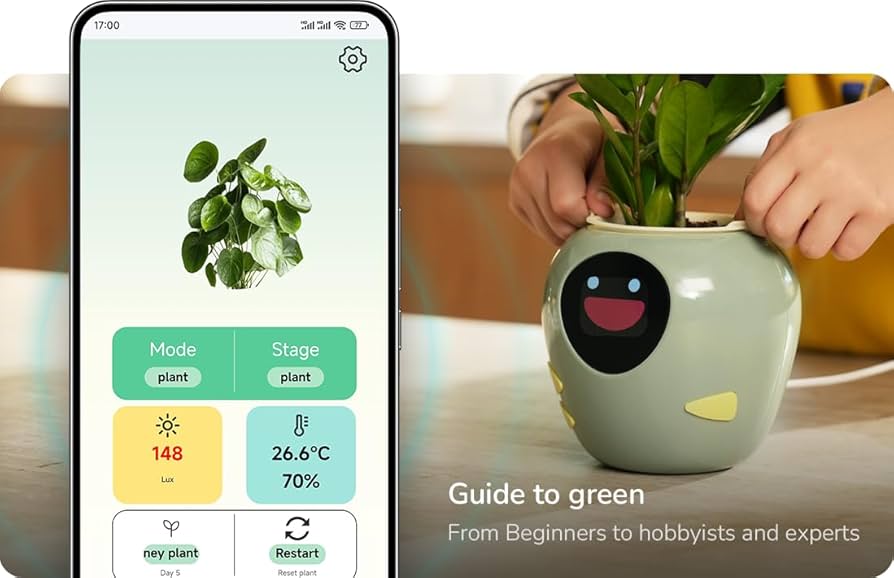
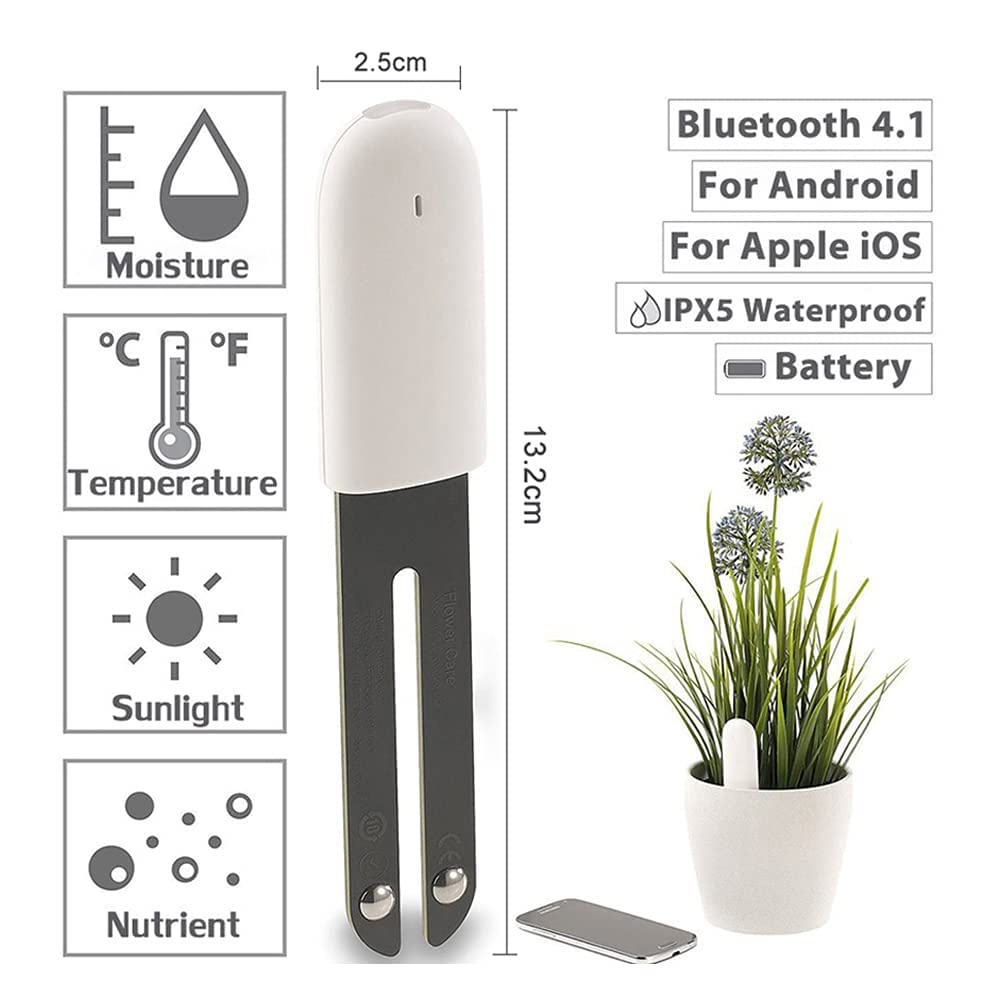
Smart plant monitors are small devices you stick into the soil. They’re equipped with sensors that measure key environmental factors. The most common measurements include soil moisture, but many also track light intensity, ambient temperature, and humidity. These sensors are the foundation of the system.
The data collected by these sensors isn’t just displayed as raw numbers. The monitors translate this information into actionable insights, often delivered through a smartphone app. For example, instead of telling you the soil moisture is at 30%, it might say “Your succulent needs watering.” This is a significant step up from a simple moisture meter, which only provides a single reading.
The difference lies in the intelligence. Basic moisture meters simply indicate dryness. Smart monitors, especially those leveraging artificial intelligence, are designed to learn and adapt. They don't just react to current conditions; they predict future needs based on historical data and plant-specific characteristics. This predictive capability is what sets them apart.
- Soil Moisture: Measures the water content in the soil.
- Light Intensity: Detects the amount of light reaching the plant.
- Temperature: Monitors the surrounding air temperature.
- Humidity: Measures the amount of moisture in the air.
Decoding the Data: How AI Learns Your Succulents' Needs
The real magic happens with the AI algorithms that process the sensor data. These algorithms aren’t programmed with rigid rules like "water when the soil is below 20% moisture.’ Instead, they ‘learn" what constitutes optimal conditions for your specific succulents. This learning process takes time and relies on continuous data collection.
The AI considers various factors – the type of succulent, the size of the pot, the type of soil, the amount of light the plant receives, and even the local climate. It identifies patterns and correlations, predicting when your plant is likely to need water, more light, or a change in temperature. It's about understanding trends, not just reacting to single data points.
According to the University of Minnesota Extension, succulents have diverse needs based on their species. A smart monitor doesn’t replace that knowledge, but it helps you personalize care based on your plant's actual response to its environment. It’s a continuous feedback loop: the monitor collects data, the AI makes a prediction, you take action, and the monitor observes the results, refining its predictions over time.
This adaptive learning matters because two succulents of the same species often have different needs due to microclimates within your home or variations in potting mix composition. The AI attempts to account for these subtle differences.
Popular AI Succulent Monitors: A Look at What’s Available
The market for smart plant monitors is growing rapidly, with several options available to succulent enthusiasts. Specifications change quickly, but most popular choices share a few common traits. of some popular choices. Many systems focus on providing a holistic view of plant health, catering to a wide range of houseplants, including succulents.
Some monitors, like those from Cheerful Plants, offer companion apps that allow you to identify your succulent and receive tailored care recommendations. This is a significant advantage, as different species have drastically different needs. These apps often include a database of succulent profiles, helping the monitor provide more accurate insights.
Other systems prioritize ease of use and integration with smart home ecosystems. These often feature simple, intuitive interfaces and can send notifications directly to your smartphone. Compatibility with different pot types and sizes is also a key consideration. Some monitors are designed for specific pot sizes, while others are more versatile.
The value proposition of each device varies. Some focus on providing basic monitoring, while others offer more advanced features like automated watering systems or detailed environmental analysis. Choosing the right monitor depends on your individual needs and budget. It’s important to read reviews and compare features before making a purchase.
Beyond Watering: The Unexpected Benefits of Smart Monitoring
While preventing overwatering is a primary benefit, smart plant monitors offer advantages that extend far beyond just watering. Monitoring light levels, for example, can help you prevent etiolation, the stretching and weakening of succulents due to insufficient light. A monitor can alert you when your plant isn’t receiving enough light, allowing you to move it to a brighter location.
Temperature and humidity sensors can also be invaluable. Sudden fluctuations in these factors can stress succulents and make them more susceptible to pests and diseases. A monitor can detect these changes, giving you time to adjust the environment and protect your plants. This is particularly useful during winter months when indoor heating can create dry conditions.
Different succulent varieties thrive in different conditions. Smart monitoring allows you to optimize these conditions for each plant, ensuring that they all receive the care they need. Succulents and Sunshine emphasizes preventing leaf drop as a sign of stress, and these monitors can help you identify the underlying causes of this issue – whether it’s too much or too little water, light, or humidity.
Essentially, these monitors empower you to create a more stable and predictable environment for your succulents, leading to healthier, more vibrant plants.
Troubleshooting and Limitations: What Happens When the AI Gets It Wrong?
These systems aren't foolproof. Sensors can malfunction, inaccurate plant profiles can lead to incorrect recommendations, and unusual environmental conditions can throw off the AI. Like any technology, smart plant monitors have limitations.
If you notice discrepancies between the monitor’s recommendations and your own observations, trust your instincts. A drooping succulent, even if the monitor says the soil is moist, likely needs attention. Use the monitor as a tool to inform your decisions, not as an absolute authority.
Troubleshooting usually involves recalibrating sensors or updating the app firmware to fix connectivity bugs.plant profile, or adjusting the monitor’s settings. Checking the battery life and ensuring the device is properly inserted into the soil are also important steps. Don't automatically assume the monitor is correct; always observe your plant’s physical condition.
Ultimately, understanding your plant’s individual needs is paramount. A smart monitor can provide valuable data, but it can’t replace your own careful observation and attention.
The Future of Smart Succulent Care: What’s on the Horizon?
The field of smart succulent care is still in its early stages, and we can expect to see significant advancements in the coming years. More sophisticated sensors are likely to emerge, capable of measuring additional parameters like nutrient levels and chlorophyll content. Improved AI algorithms will refine the accuracy of plant needs prediction.
Integration with other smart home devices is another likely development. Imagine a system that automatically adjusts the grow lights or activates a humidifier based on the monitor’s readings. Personalized succulent care plans, tailored to your specific environment and plant collection, could become commonplace.
Perhaps the most exciting prospect is the potential for community-driven data sharing. By anonymously sharing data from their monitors, users could contribute to a vast database of succulent care information, improving the accuracy of plant profiles and benefiting the entire community.
As the technology matures and becomes more accessible, smart succulent care is poised to revolutionize the way we grow and enjoy these remarkable plants. It will be interesting to see how the intersection of technology and horticulture continues to evolve.
No comments yet. Be the first to share your thoughts!