
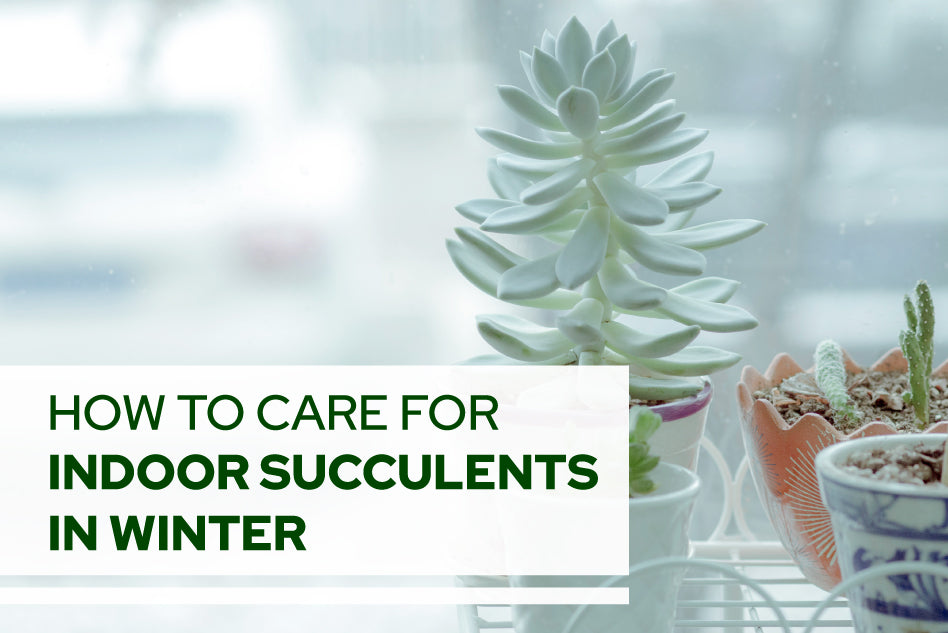
Winter Succulent Care: How to Keep Your Indoor Succulents Thriving During Cold Months - Part 1
As temperatures drop and daylight hours shorten, your beloved succulents face unique challenges that require thoughtful adjustments to their care routine. Understanding how to properly maintain indoor succulents during winter is crucial for preventing common issues like root rot, etiolation, and dormancy-related stress. This comprehensive guide will walk you through the essential practices needed to keep your succulent collection healthy and vibrant throughout the cold months.
Understanding Winter Dormancy in Succulents
Most succulents naturally enter a dormant phase during winter months, significantly slowing their growth and metabolic processes. This evolutionary adaptation helps them conserve energy when environmental conditions become less favorable. During dormancy, succulents require dramatically different care compared to their active growing seasons in spring and summer.
The dormancy period typically begins when temperatures consistently drop below 50°F and daylight hours decrease. Indoor succulents may experience a milder version of this dormancy due to controlled temperatures, but they still respond to reduced light levels and cooler conditions near windows.

Essential Winter Watering Practices
Winter succulent watering represents the most critical adjustment you'll need to make during cold months. The reduced water needs during dormancy mean that your regular watering schedule must be completely reconsidered to prevent potentially fatal overwatering.
Frequency Adjustments
During winter, many succulents require watering only once every three to four weeks, compared to weekly watering during active growth periods. However, this timing depends on several factors including your home's humidity levels, heating system, and the specific succulent species in your collection.
The key indicator for watering should always be soil moisture rather than a fixed schedule. Check the soil by inserting your finger approximately two inches deep into the potting mix. Only water when the soil feels completely dry throughout this depth.
Watering Technique
When you do water during winter, maintain the same thorough watering technique used during other seasons. Water slowly until excess drains from the pot's drainage holes, ensuring the entire root system receives moisture. However, be extra vigilant about removing any standing water from saucers or decorative containers to prevent root rot in the cooler, slower-drying conditions.
Optimizing Light Conditions
Adequate lighting becomes increasingly challenging during winter months when natural daylight hours decrease and sun angles change. Succulents require at least six hours of bright, indirect light daily to maintain their health and prevent etiolation.
Window Placement Strategy
Position your succulents near your home's brightest windows, typically those facing south or southwest. These locations receive the most consistent and intense natural light during winter months. If you notice your succulents beginning to stretch or lose their compact form, this indicates insufficient light exposure.
Supplemental Lighting Options
When natural light proves inadequate, grow lights provide an excellent solution for maintaining proper illumination. LED grow lights designed for plants should be positioned 12-18 inches above your succulents and operated for 12-14 hours daily to compensate for reduced natural light.
Temperature Management
While indoor temperatures generally remain more stable than outdoor conditions, winter heating systems and proximity to windows can create temperature fluctuations that stress succulents. Most indoor succulents prefer temperatures between 60-70°F during winter months.
Avoid placing succulents directly against cold windows or near heating vents, radiators, or fireplaces. These locations subject plants to extreme temperature variations that can shock their systems and disrupt their natural dormancy patterns.
Monitor for drafts around windows and doors, as sudden cold air exposure can damage succulent tissues. Consider moving plants slightly away from windows during particularly cold spells while maintaining adequate light exposure.
Advanced Winter Care Strategies
Building on the fundamental principles of winter succulent care, implementing advanced strategies ensures your indoor succulents not only survive but thrive during the challenging winter months. These techniques address common winter-specific issues and optimize growing conditions for sustained plant health.
Temperature Management and Environmental Control
Maintaining consistent temperatures between 60-70°F is crucial for indoor succulent health during winter. Avoid placing plants near heating vents, radiators, or frequently opened doors where temperature fluctuations occur. Cold drafts can stress succulents and make them more susceptible to disease. Use a digital thermometer to monitor temperature variations in your growing area, and consider relocating plants if temperatures consistently fall below 50°F or exceed 80°F.
Humidity levels also require attention during winter months when indoor heating systems reduce air moisture. While succulents prefer low humidity, extremely dry conditions can cause stress. Maintain humidity levels between 30-50% using a humidifier or by placing water-filled pebble trays near your plants, ensuring the pots don't sit directly in water.
Fertilization and Growth Management
Winter fertilization requires a delicate approach since most succulents enter dormancy. Suspend regular fertilization from November through February, as feeding dormant plants can force unwanted growth that becomes weak and leggy due to insufficient light. Resume light fertilization in early spring when you notice new growth beginning.
Monitor your succulents for signs of etiolation, which occurs when plants stretch toward inadequate light sources. If you notice elongated stems or pale coloration, immediately relocate the plant to a brighter location or supplement with grow lights. Pruning stretched growth helps maintain compact, healthy plant structure.
Pest Prevention and Plant Health
Winter conditions can create favorable environments for common succulent pests like spider mites, mealybugs, and scale insects. Inspect plants weekly for signs of infestation, including webbing, cotton-like substances, or unusual spots on leaves. Dry indoor air encourages spider mites, while overwatering attracts fungus gnats.
Implement preventive measures by maintaining proper air circulation around plants and avoiding overcrowding. Clean leaves monthly with a soft, damp cloth to remove dust that can harbor pests and reduce photosynthesis efficiency. If pests appear, treat immediately with insecticidal soap or neem oil, following manufacturer instructions carefully.
Species-Specific Winter Considerations
Different succulent species have varying winter care requirements. Echeveria and Sedum varieties typically handle cooler temperatures well and may show enhanced coloration in winter conditions. Jade plants prefer slightly warmer conditions and benefit from reduced watering frequency. Haworthia and Gasteria species are more tolerant of lower light conditions, making them excellent choices for darker winter locations.
Cacti generally require even less water than other succulents during winter, sometimes going 6-8 weeks between waterings. Christmas and Easter cacti are exceptions, requiring more consistent moisture and cooler temperatures to promote blooming. Research your specific succulent varieties to understand their individual winter needs and adjust care accordingly.
Troubleshooting Common Winter Problems
Recognizing and addressing winter-specific issues quickly prevents long-term damage to your succulents. Soft, mushy leaves typically indicate overwatering or root rot, requiring immediate action including removing affected tissue and allowing soil to dry completely. Yellow or dropping leaves may signal natural dormancy responses or stress from environmental changes.
Slow or stunted growth during winter is normal and expected. However, if plants show signs of severe stress such as shriveling despite adequate water or unusual discoloration, evaluate all environmental factors including light, temperature, and humidity. Adjust conditions gradually to avoid shocking the plants with sudden changes.
Preparing for Spring Transition
As winter progresses, begin planning for the spring transition when your succulents will emerge from dormancy. Start monitoring for new growth signals around late February or early March, depending on your location. Gradually increase watering frequency as temperatures warm and daylight hours extend. This preparation ensures your succulents are ready to thrive when growing season returns.
No comments yet. Be the first to share your thoughts!