
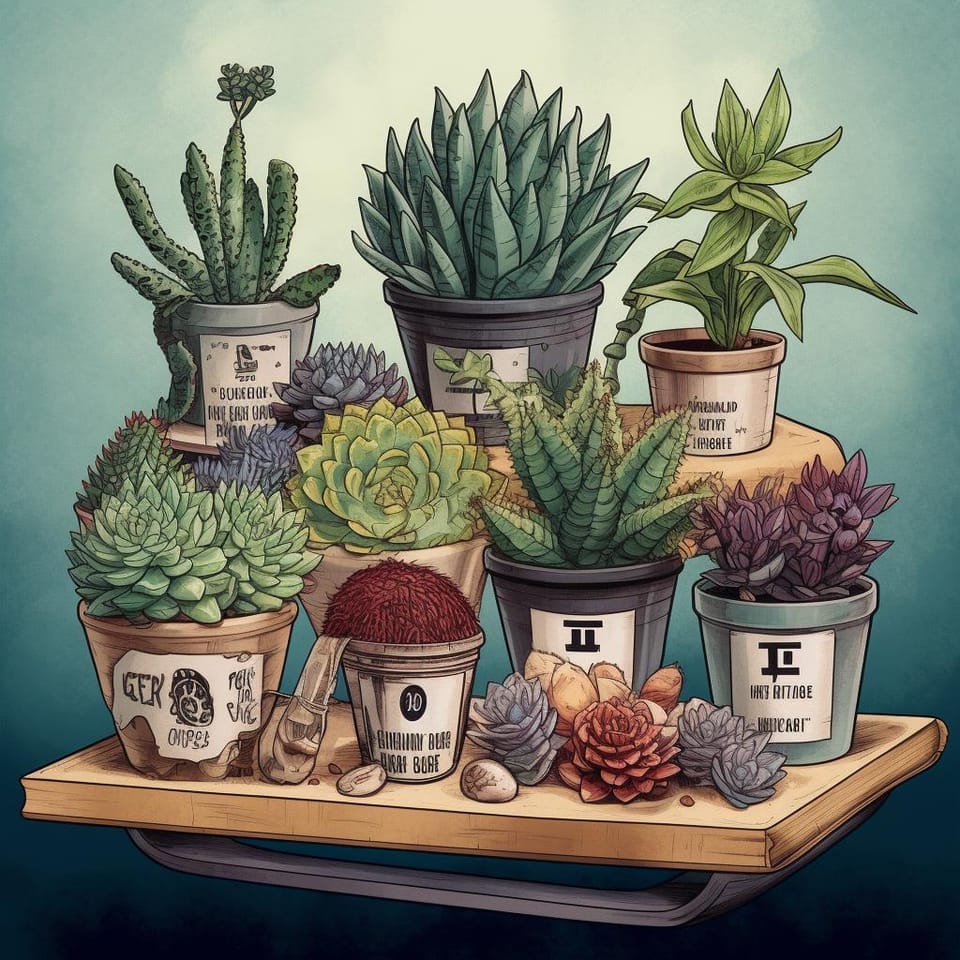
Unveiling the Green World of Pet-Friendly Succulents 🌵🐾
Imagine this: a lazy Sunday afternoon, you're basking in the sunshine, sipping your coffee, and admiring your indoor greenery. Your feline friend, intrigued by the fascinating textures and shapes of your succulent collection, starts to sniff and paw at the plants. But wait, are your succulent plants cat safe? Or could this innocent curiosity lead to a potentially toxic situation?
It's a question that hounds many pet owners who are also succulent enthusiasts. The good news is that not all succulents are harmful to our furry friends. In fact, there are a plethora of non-toxic succulents that can coexist peacefully with your pets, such as the whimsical Ric Rac Cactus or the charming Echeveria. These pet-friendly succulents not only add a splash of green to your home, but also create a safe environment for your pets to explore.
But, how do you identify these safe varieties? And what about those succulents that are safe for cats but toxic succulents for dogs? We've got you covered. In this comprehensive guide, we'll delve into the world of pet-safe succulents, help you identify toxic varieties, and provide tips to ensure your home remains a haven for both your pets and your plants.
Ready to embark on this green journey? Let's dive in and explore the world of succulents that make your home safer and more beautiful for your pets. And remember, creating a pet-friendly environment doesn’t stop at succulents. Consider other pet-safe options for your garden and landscape, like pet-safe mulch, to ensure your backyard is a paradise for your pets, too.
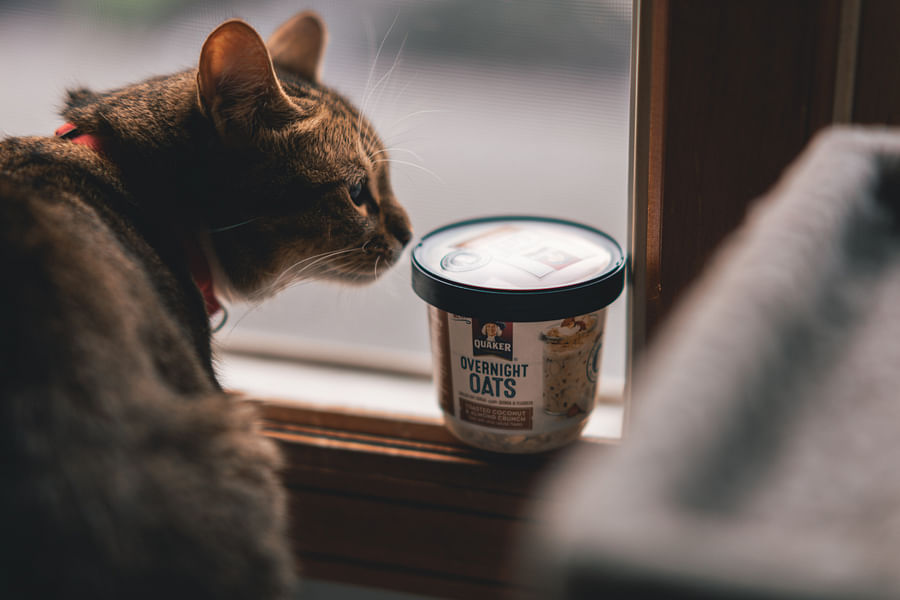
Beware, Pet Parents! The Succulents That Spell Trouble 🚫🌱
Picture this: Your feline friend, whiskers twitching, curiously circling a new addition to your indoor jungle. It's a lush, vibrant Echeveria succulent, but is it safe for your curious kitty? The answer may surprise you. While Echeveria is a visual treat, it's one of the succulents that are toxic to cats. Consuming it can lead to gastrointestinal upset in your feline friends. So, think twice before you let your cat play with this succulent!
But wait, dog owners aren't off the hook either. That Echeveria succulent? It's also poisonous to dogs. Yes, even your drooling, tail-wagging best friend isn't immune to the potential dangers posed by some succulents. However, don't let this deter you from adding a touch of green to your home. There are plenty of succulents not poisonous to cats or dogs.
For instance, the ric rac cactus is pet safe. It's an exotic beauty that won't harm your pets. So, why not consider swapping out potentially harmful plants for safer alternatives? After all, a pet-friendly home is a happy home. Remember, when it comes to our furry friends, it's always better to be safe than sorry!
Dangerous Varieties: Succulents to Avoid
- Euphorbia: This is a large genus of succulents, which includes the popular 'Crown of Thorns'. Euphorbias contain a white, milky sap that can cause skin irritation and severe discomfort if ingested by pets.
- Kalanchoe: Also known as 'Mother of Thousands', these plants produce small, potentially toxic plantlets. Ingestion can lead to symptoms like vomiting, diarrhea, and in severe cases, heart abnormalities in pets.
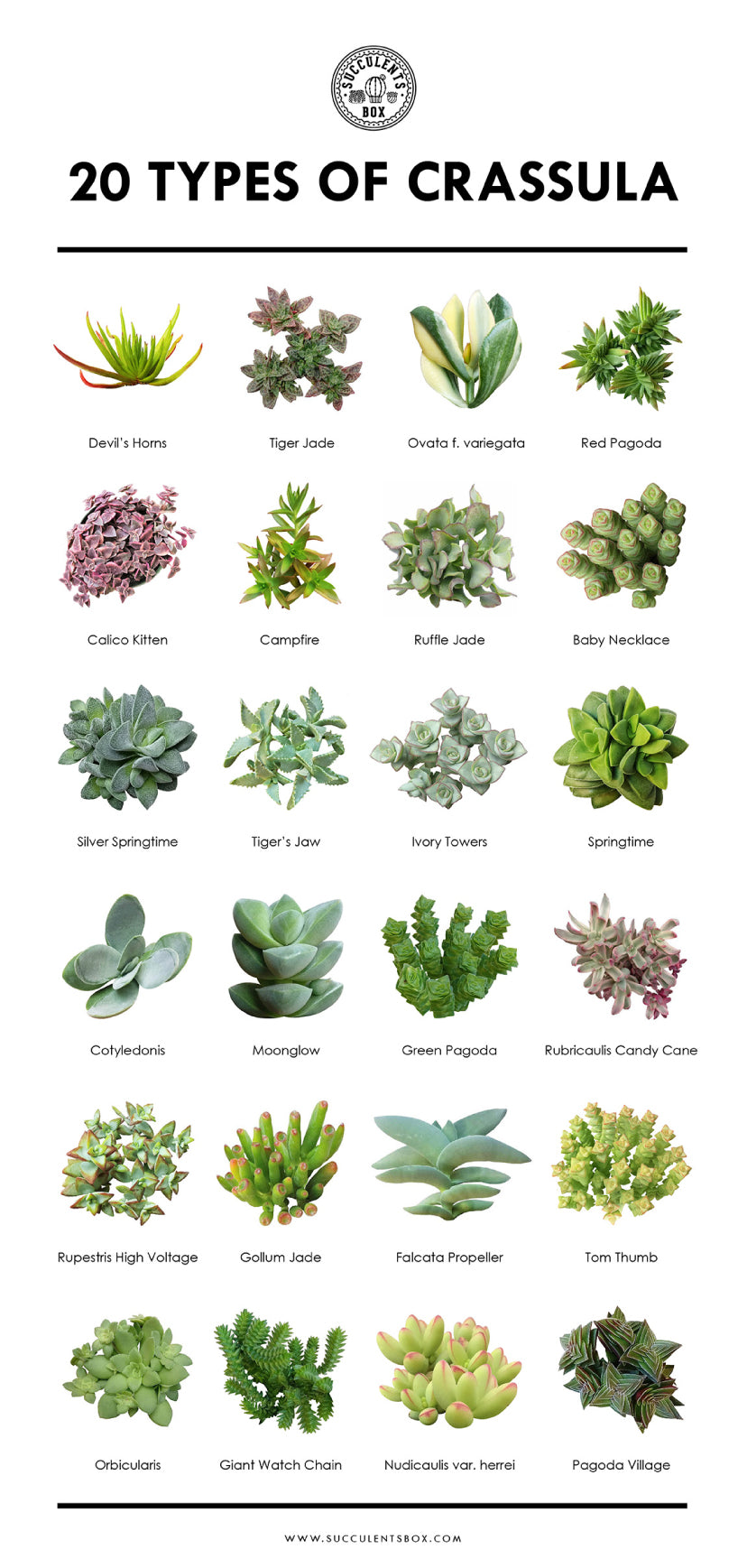
- Jade Plant: Often found in homes due to their easy care, Jade Plants are unfortunately toxic to both cats and dogs. They can cause symptoms such as vomiting, lethargy, and in rare cases, a slow heart rate.
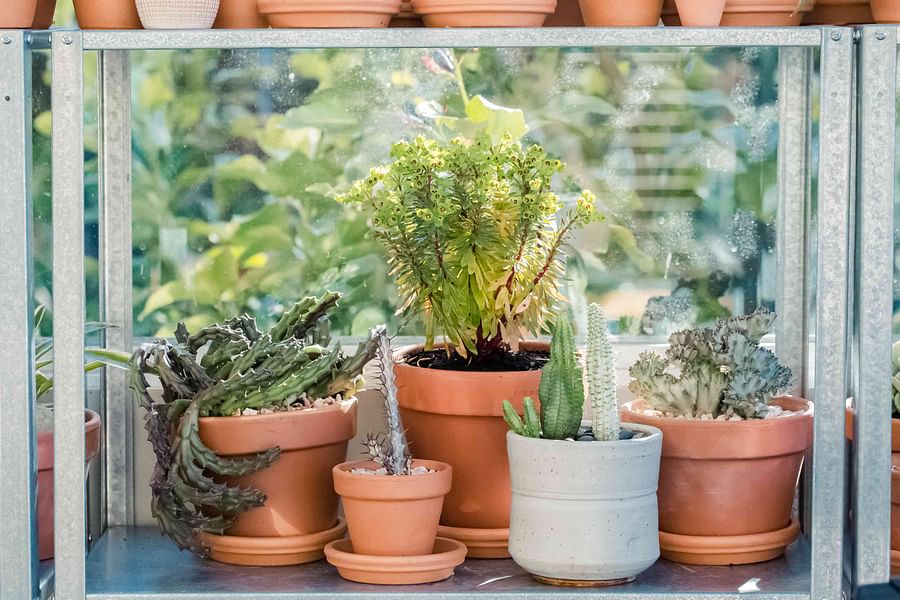
Purr-fectly Safe! Non-Toxic Succulents Your Pets Will Love 🌿😺
Imagine a world where your fur-baby can freely explore your indoor jungle, sniffing and pawing at your succulent collection without a care in the world. That's the peace of mind pet-safe succulents can provide. These non-toxic varieties are the unsung heroes of the succulent world, offering the same aesthetic appeal without the risk to your four-legged friends.
Take, for example, the adorable Hens and Chicks (Sempervivum tectorum). This hardy little plant is as harmless to your pets as a feather pillow, yet its rosette-shaped leaves and vibrant colors are every bit as captivating as any toxic succulent. Or how about the Burro's Tail (Sedum morganianum)? This charming, trailing succulent with its cascading tails of teardrop-shaped leaves is a visual delight and, importantly, non-toxic to cats and dogs. You can learn more about it here.
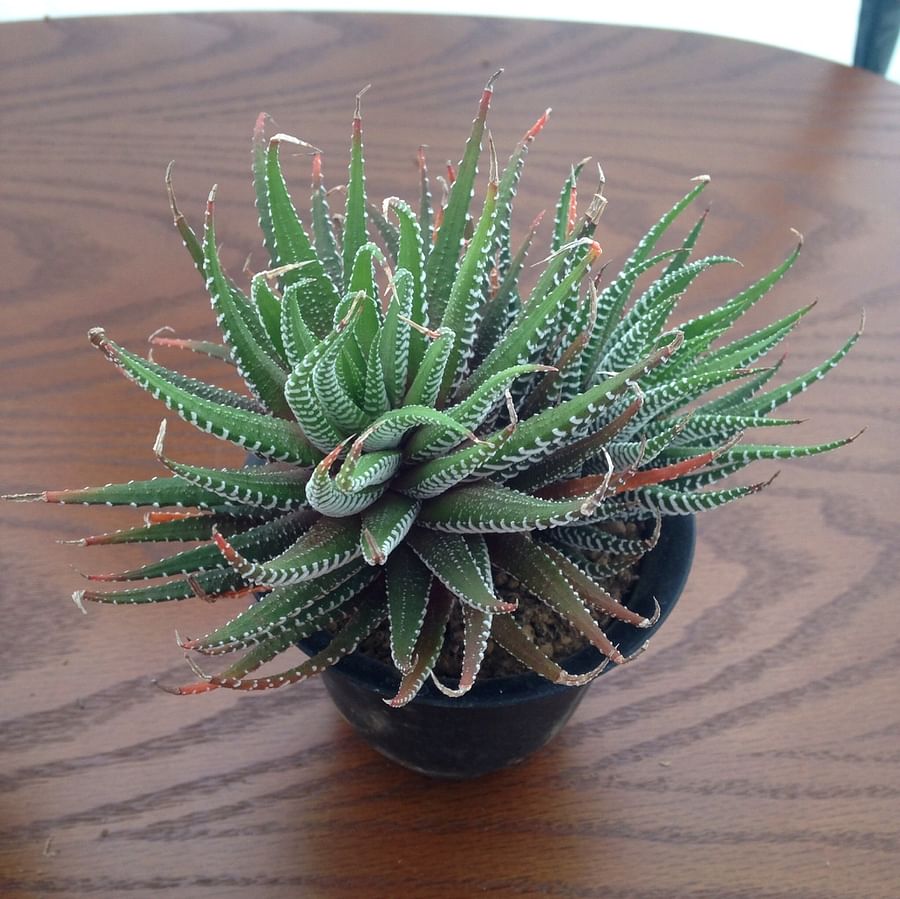
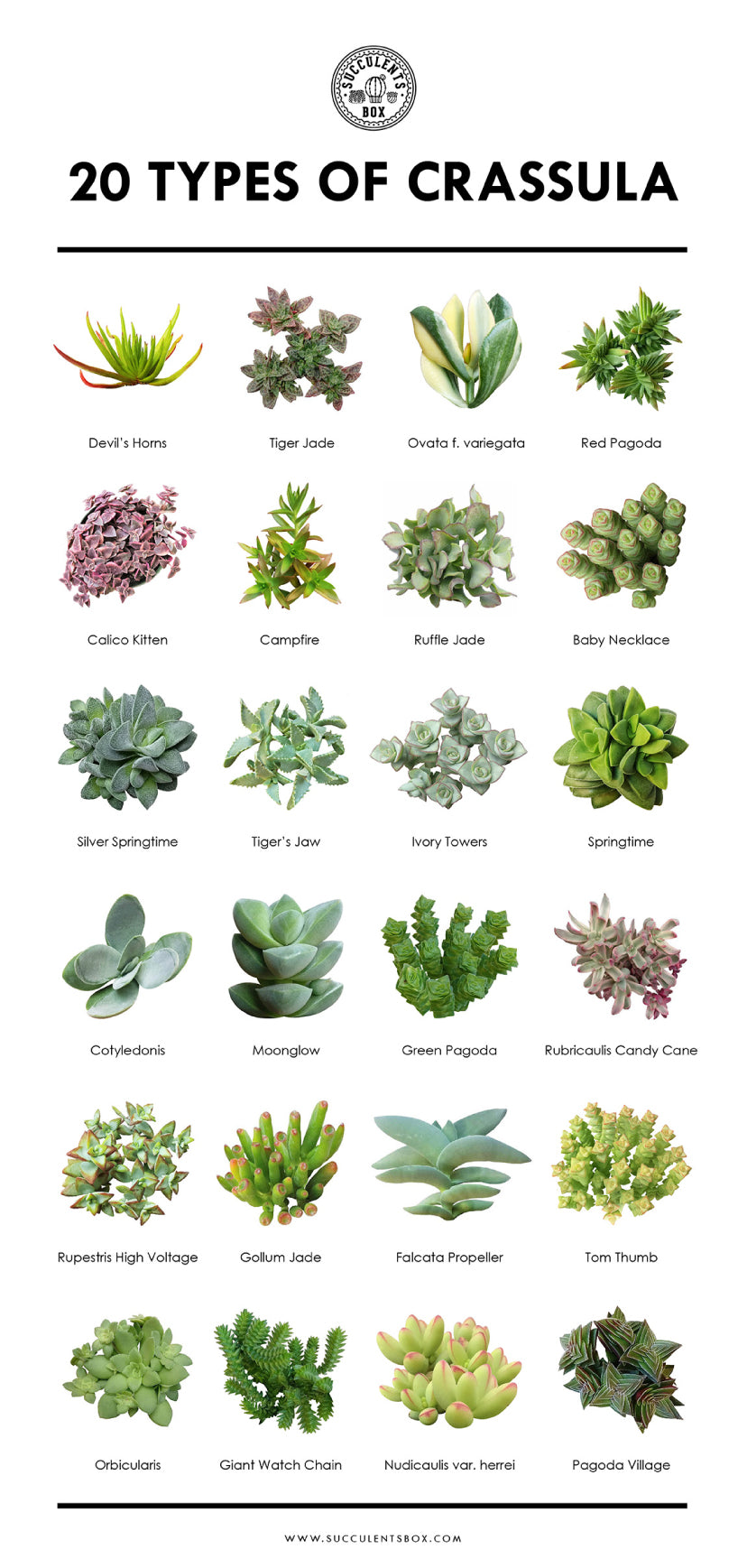
And then there's the Haworthia, a pet-safe succulent that's a real showstopper with its striking, zebra-striped leaves. It's perfect for pet owners who want to spice up their indoor greenery without compromising pet safety. Need help identifying these succulents? Check out our comprehensive succulents identification chart.
Remember, creating a pet-friendly environment doesn't mean sacrificing your love for succulents. It's all about choosing the right varieties. So why not start building your pet-safe succulent collection today?
Pet-Safe Succulents to Consider
- Hens and Chicks (Sempervivum tectorum): This hardy succulent is not only safe for pets but also easy to care for. It's perfect for beginners and those who want a worry-free plant.
- Burro’s Tail (Sedum morganianum): Known for its cascading stems filled with plump, round leaves, this succulent is non-toxic to pets and adds a unique touch to any indoor garden.
- Haworthia: These small, low-growing plants are safe for pets and have an interesting, zebra-like striped pattern on their leaves.
- Christmas Cactus (Schlumbergera): Despite its name, this plant is a succulent and is safe for pets. It blooms beautiful flowers, usually around the holiday season.
- Spider Aloe (Aloe humilis): Unlike some other types of Aloe, Spider Aloe is safe for pets. It has a rosette shape and spiky leaves that add texture to your succulent collection.
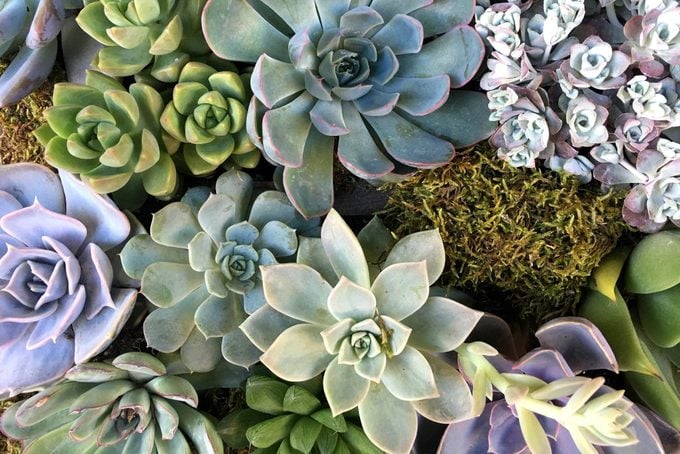
- Blue Echeveria (Echeveria glauca): This pet-friendly succulent is known for its stunning rosette shape and blue-gray leaves. It's a great addition to any succulent garden.
Paws & Plants: Keeping Your Furry Friends Safe Around Succulents 🐶🌵
Ever caught your furry friend sniffing around your succulents with that mischievous glint in their eyes? Yes, we've all been there. But did you know that not all succulents are safe for our four-legged friends? Indeed, while some succulents are harmless, others can cause anything from mild irritation to serious health issues if ingested by our pets.
The solution isn't to banish succulents from your home and garden. Far from it. Instead, it's about finding the right balance. For instance, opting for dog safe succulents such as Hens and Chicks or Haworthia can provide peace of mind. These plants add a touch of green to your space without posing any harm to your pets.
Moreover, consider placing your succulents out of reach or training your pet to steer clear from them. Remember, prevention is always better than cure. So why not take a moment to review your current plant selection and make sure it's all pet-friendly? After all, wouldn't you want your pet to be as safe and as happy in your home as you are?
To ensure your pets stay safe around your succulent collection, follow these practical steps:
Keeping Your Pets Safe Around Succulents: A Step-by-Step Guide



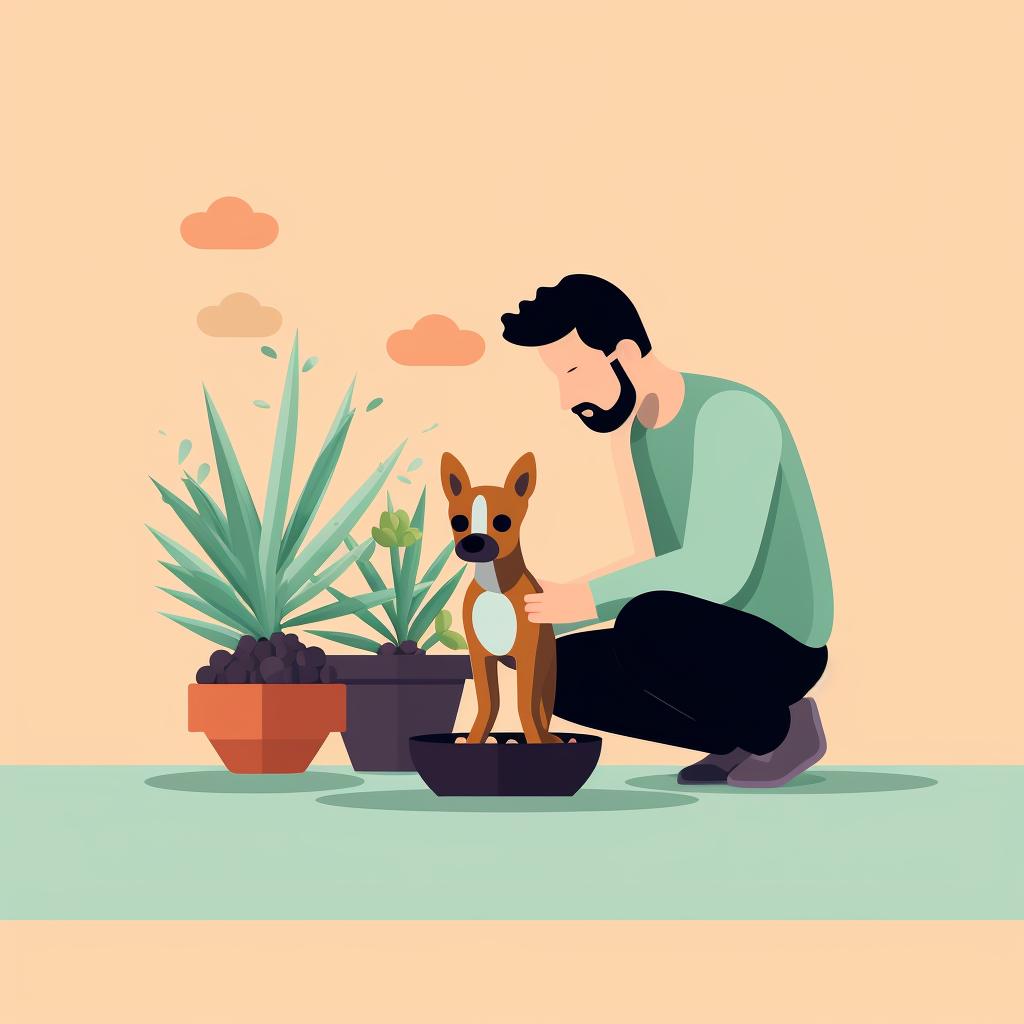
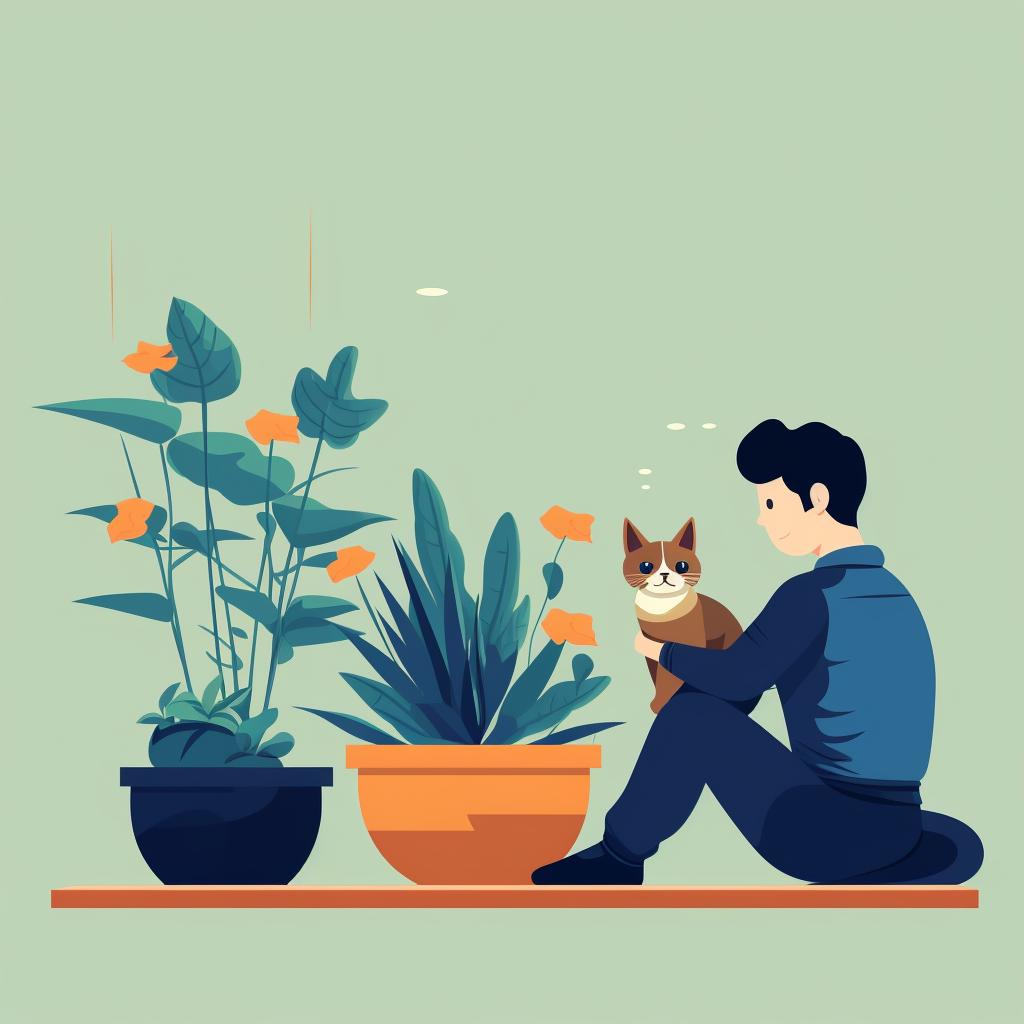
Learn more about Keeping Your Pets Safe Around Succulents: 🐾 A Step-by-Step Guide or discover other Succulent Help guides.
By following these steps, you can create a safe and enjoyable environment for both your pets and your plants. However, accidents can happen. In the next section, we'll cover what to do if your pet ingests a potentially toxic succulent.
Oops, They Ate It! What to Do If Your Pet Ingests a Toxic Succulent 🚑🐕
So, your curious cat has had a chomp on that enticing Echeveria succulent, or your playful pup has gnawed on a gnarly cactus. Panic sets in. But, don't fret just yet!
Firstly, remove any plant material from their mouth, if safe to do so. Observe for symptoms like vomiting, excessive drooling, or diarrhea. And here's a golden rule: when in doubt, always reach out! Contact your vet immediately, providing as much information as you can about the succulent ingested. Remember, time is of the essence.
But what if, in the future, you could avoid this drama altogether? Picture this — a world where your pets and succulents coexist harmoniously. Interested? Well, you should be! Dive into our guides on pet-safe landscaping and creating stunning succulent arrangements to make this dream a reality. Because truly, my friends, who says you can't have your cake and eat it too?
But before we part ways, a final thought. Remember, we're not just plant parents or pet parents - we're peacekeepers. Let's create a home that's a haven for both our green friends and furry ones. So, are you ready for the challenge?
If your pet ingests a potentially toxic succulent, it's crucial to act quickly and appropriately. The following video provides expert advice on how to handle such a situation.
After watching the video, you should have a better understanding of how to respond in case of a plant poisoning emergency. Now, let's move on to answering some frequently asked questions about pet-safe succulents.
Your Burning Questions Answered: FAQs on Pet-Safe Succulents 📚🌵
Now that we've covered the basics of pet-safe succulents, let's dive into some of the most commonly asked questions on this topic.
Remember, when it comes to pets and plants, it's always better to be safe than sorry. Always do your research before bringing a new plant into a home with pets.
No comments yet. Be the first to share your thoughts!