
Why soil and pots change everything
Most succulent care guides focus heavily on watering schedules, but the physical environment of the pot is what actually determines whether your plant thrives or rots. Think of the pot and soil as the plant’s foundation; if the foundation is unstable, no amount of careful watering will save it. Modern succulent care isn’t just about when you water—it’s about creating a system that mimics the dry, fast-draining conditions of a succulent’s natural habitat.
Soil composition is the first line of defense against root rot. Traditional potting mixes retain too much moisture for succulents, which evolved in arid environments. A gritty, well-aerated mix allows water to flow through quickly, ensuring roots get oxygen between waterings. This is why many experts recommend checking the top half-inch of soil for dryness before watering again, rather than sticking to a rigid calendar [1].
The pot material works in tandem with the soil to regulate moisture. Unglazed terracotta is porous, allowing water to evaporate through the walls, which helps dry out the soil faster. In contrast, glazed ceramic or plastic pots trap moisture, requiring you to be even more vigilant with your watering. Choosing the right combination of soil and pot reduces the guesswork in succulent care, giving your plants the stable, dry environment they need to grow healthy and vibrant.
Smart soil mixes for drainage
Standard potting soil is designed to hold water, which works for tropical houseplants but often drowns succulents. These plants evolved in arid environments where water runs through the ground quickly. To replicate those conditions, "smart" mixes replace organic matter with high-grit inorganic materials like perlite, pumice, and coarse sand.
The goal is simple: create a medium that drains immediately after watering. When the soil stays wet for too long, roots suffocate and rot sets in. A gritty mix ensures oxygen reaches the root zone while excess moisture escapes through the pot's drainage holes.
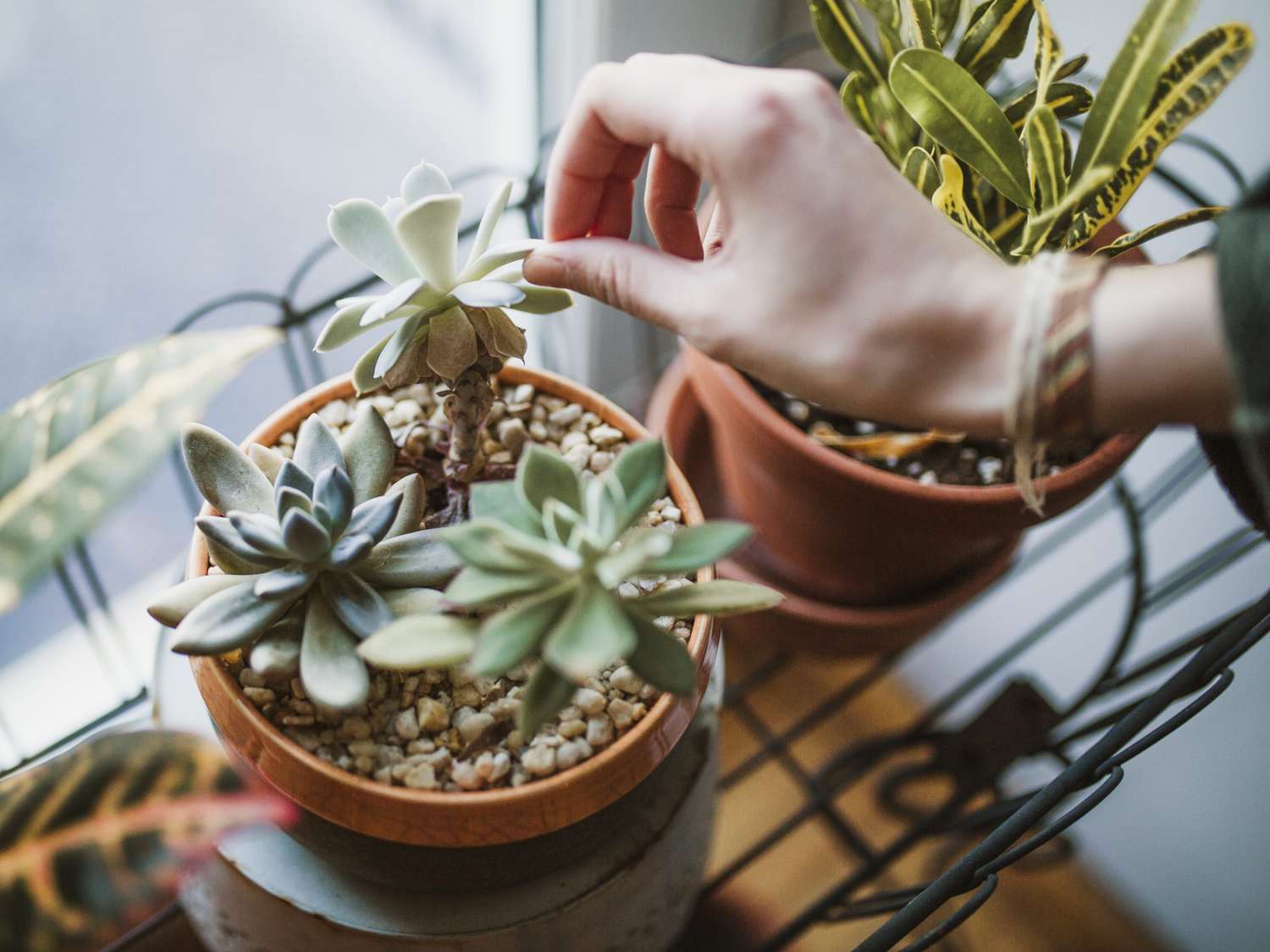
Comparing soil types helps clarify why drainage matters. Standard potting mix retains moisture for days, while custom gritty mixes dry out within hours. This speed difference is the primary factor in preventing root rot.
| Soil Type | Drainage Speed | Weight | Nutrient Retention |
|---|---|---|---|
| Standard Potting Mix | Slow | Heavy | High |
| Cactus Mix (Store-Bought) | Moderate | Medium | Medium |
| Custom Gritty Mix | Fast | Light | Low (needs fertilizer) |
Choosing pots for indoor light
The material of your container changes how your succulent experiences indoor light and heat. A pot is not just a vessel; it is a thermal regulator. In bright, south-facing windows, the sun heats the soil and roots. In low-light corners, the pot helps retain moisture longer. Matching the pot material to your light conditions prevents the most common indoor succulent mistakes: root rot in dark rooms and sunburn in bright ones.
Terracotta for bright, sunny spots
Terracotta is unglazed clay. It is porous, meaning air and water move through the walls of the pot. This breathability dries out the soil quickly. In a south-facing window with direct sunlight, this is ideal. The sun heats the soil rapidly; if the pot holds water too long, the combination of heat and wetness cooks the roots. Terracotta releases that heat and moisture, keeping the root zone cool and dry. It also adds weight, preventing top-heavy succulents from tipping over in bright spots where you might need to rotate them frequently.
Ceramic and glazed pots for low-light rooms
Glazed ceramic pots have a sealed surface. They are non-porous and retain moisture significantly longer than terracotta. This makes them better suited for rooms with low or indirect light. In these conditions, the soil dries out slowly. A porous pot would let the soil dry too fast, potentially stressing the plant, while a glazed pot keeps the moisture available longer. The heavier weight of ceramic also stabilizes plants in spots where you might not rotate them as often. However, be careful not to overwater in these pots, as the lack of airflow through the walls means the soil stays wet for days.
Plastic pots for controlled environments
Plastic pots are lightweight and non-porous. They are often used in commercial growing because they are durable and cost-effective. For home growers, plastic pots are a good choice for beginners who struggle with watering consistency. They retain moisture like glazed ceramic but are much lighter. This makes them easy to move around to chase the sun. However, they offer no breathability. If you place a plastic pot in a very bright window, the soil can heat up quickly without the cooling effect of evaporation through the walls. Use plastic pots in moderate light or if you are very attentive to your watering schedule.
Calculate your watering schedule
Stop guessing when to water. Succulents store moisture in their leaves, meaning they rarely need water on a fixed calendar. Instead, their needs shift based on your pot size, soil mix, and local humidity. A small pot in a dry room dries out faster than a large ceramic pot in a humid bathroom.
Use this tool to find your ideal watering interval. Enter your pot diameter, soil type, and light level to get a starting point. Adjust based on how your plant looks.
How the calculation works:
- Pot Size: Larger pots hold more soil, which retains moisture longer. We scale the base interval linearly with diameter.
- Soil Type: Standard potting mix holds the most water (longest interval). Cactus mix drains faster. Gritty mixes dry quickest, requiring more frequent watering.
- Light Level: High light increases evaporation and plant uptake. Low light slows these processes, extending the dry period.
Note: This is a baseline. Always check soil moisture by inserting your finger 1-2 inches deep. If it feels damp, wait longer.
Light and temperature basics
Succulents thrive in bright, indirect light. South-facing windows are the ideal location because they provide consistent illumination without the harshness of direct midday sun. The light should be strong enough to cast a clear shadow, which signals that the plant is receiving enough energy to maintain its compact shape and vibrant color. Avoid placing them in dark corners or behind heavily tinted glass, as low light will cause the stems to stretch and the leaves to lose their tight formation.
Temperature plays an equally important role in keeping succulents healthy. Most varieties prefer typical indoor temperatures ranging from 60°F to 80°F during the day. They also benefit from a slight drop in temperature at night, which mimics their natural desert environment and encourages growth. However, they are sensitive to drafts and sudden changes, so keep them away from frequently opened doors or vents.
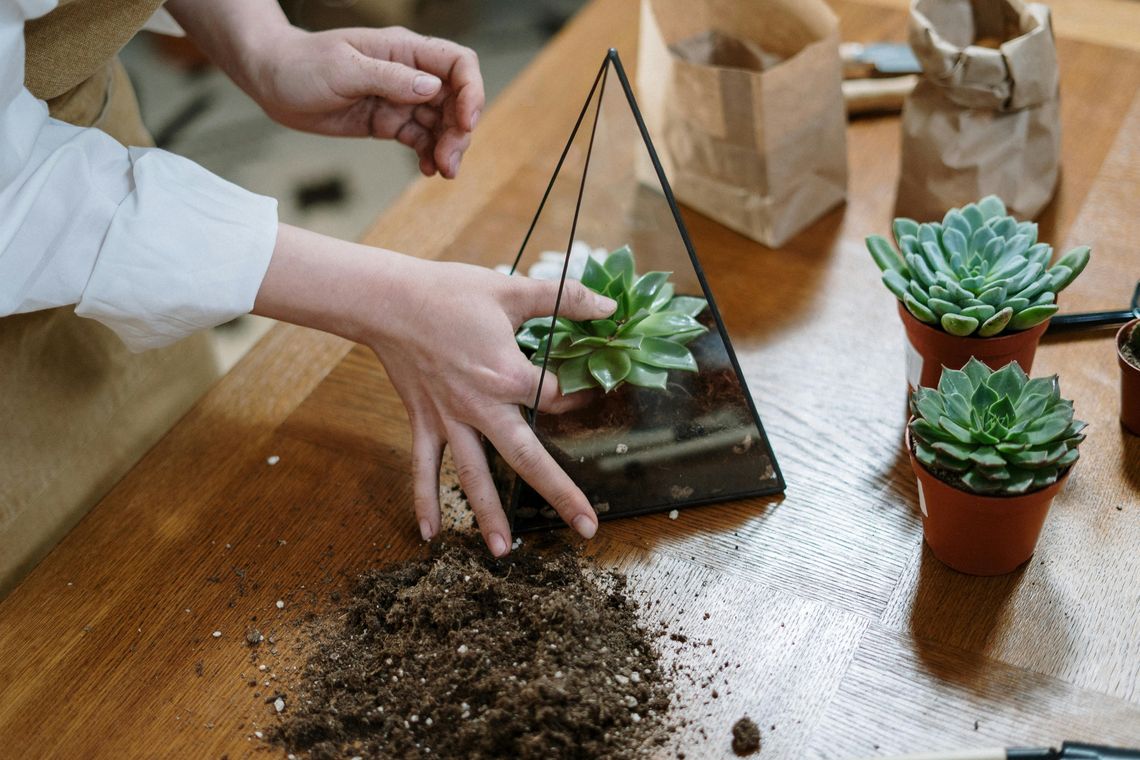
In winter, the cold from window glass can transfer directly to the leaves and soil, causing damage even if the room air is warm. To prevent this, pull the pot back an inch or two from the windowpane. This small gap allows a layer of warmer air to circulate between the glass and the plant, protecting it from freezing temperatures that can cause tissue rupture and rot.
Common mistakes to avoid
Even experienced growers can stumble when caring for succulents. The most frequent errors stem from treating these plants like houseplants that need regular attention. Succulents are built for arid conditions, so their care needs are less frequent and more precise.
Watering on a schedule
One of the biggest errors is watering on a fixed calendar schedule. Succulents store water in their leaves, meaning they don't need constant hydration. Instead, wait until the soil is dry before watering again. If you see little blisters forming on the leaves, you are likely overwatering.
Using pots without drainage
Pots without drainage holes are a trap for root rot. Without holes, excess water pools at the bottom, suffocating the roots. Always choose containers with drainage holes, or place the plastic nursery pot inside a decorative pot with holes drilled into the base.
Ignoring seasonal dormancy
Succulents have natural dormancy periods, usually in extreme heat or cold. During these times, growth slows, and water needs drop significantly. Continuing to water heavily during dormancy can kill the plant. Adjust your care routine to match the seasons, not just the calendar.
Your succulent care checklist
Use this audit to verify your setup supports healthy succulent growth. Start by inspecting the physical environment before adjusting your watering habits.
1. Check drainage holes
Ensure every pot has adequate drainage. Without holes, water pools at the bottom, creating anaerobic conditions that lead to root rot. If your decorative pot lacks holes, keep the plant in a plastic nursery pot and place it inside.
2. Verify soil mix
Succulents need gritty, fast-draining soil. A standard houseplant mix holds too much moisture. Mix equal parts cactus soil and perlite or pumice to ensure water flows through quickly.
3. Assess light exposure
Most succulents thrive in bright, direct light. South-facing windows are ideal. If leaves turn pale or stretch toward the light (etiolation), the plant is not getting enough sun. Avoid placing plants directly against cold glass in winter.
4. Set watering reminder
Water only when the soil is dry. Stick a wooden skewer into the soil; if it comes out clean, it is time to water. Water generously until it runs out the bottom, then let it dry out fully.
5. Monitor for stress signs
Check leaves weekly. Wrinkled or soft leaves indicate thirst, while yellow, translucent leaves suggest overwatering. Adjust your schedule based on these visual cues rather than a fixed calendar.
Frequently asked: what to check next
Can I use regular potting soil?
No. Standard potting mixes retain too much moisture, which suffocates succulent roots and leads to rot. You need a gritty, fast-draining blend designed for cacti and succulents. Look for mixes containing perlite, pumice, or coarse sand to ensure water flows through quickly.
Do succulents need drainage holes?
Yes, drainage holes are non-negotiable. Without them, excess water pools at the bottom of the pot, creating a swampy environment that kills roots. If you love a decorative pot without holes, use it as a "cache pot" by keeping the plant in a plastic nursery pot inside it.
How often should I water in winter?
Succulents go dormant in colder months and need significantly less water. Wait until the soil is dry before watering again. As a general rule, water only when the top half-inch of soil feels dry to the touch, and reduce frequency to once a month or less depending on your indoor humidity.
No comments yet. Be the first to share your thoughts!