
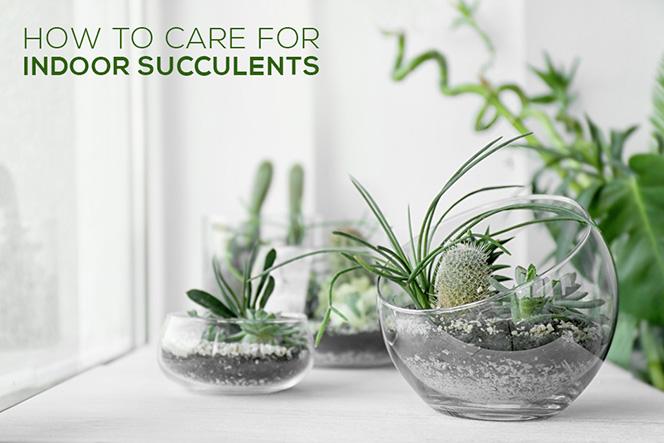

Start with a fast-draining soil mix
Standard houseplant potting soil is the enemy of indoor succulents. It is designed to hold moisture for thirsty tropicals, which causes it to stay wet for days after watering. For a succulent, that wet environment suffocates the roots and leads to fatal rot. Think of the soil as a sponge that needs to wring out completely within hours, not days.
To prevent this, you need a gritty, inorganic-heavy mix that mimics the rocky, arid environments where succulents originate. A reliable recipe is one part standard potting soil to one part inorganic grit. Common grits include perlite, pumice, or coarse horticultural sand. This 50/50 blend ensures water flows through the pot immediately, leaving the roots in a dry, airy state for most of the week.
If you prefer convenience, buy a pre-mixed bag labeled specifically for "cactus and succulent" use. These mixes already contain the necessary perlite or pumice. Avoid generic "all-purpose" or "moisture-control" soils, as they often contain too much peat moss or vermiculite, which retain water for too long.
Choose Pots with Drainage Holes
The single most common reason indoor succulents die is root rot caused by water sitting at the bottom of the container. Unlike many houseplants, succulents store water in their leaves and stems, making them highly susceptible to drowning. A pot without adequate drainage acts like a bucket, trapping excess moisture against the roots and creating an environment where fungal pathogens thrive.
When selecting a container, prioritize function over aesthetics. Terracotta and unglazed ceramic pots are excellent choices because their porous walls allow moisture to evaporate through the sides, helping the soil dry out faster between waterings. If you prefer a decorative glazed ceramic or plastic pot that lacks holes, use it only as a "cache pot." Place the plastic nursery pot inside the decorative one, and remove the inner pot to water it elsewhere. This keeps the plant healthy while maintaining the look you want.
Regardless of the material, ensure the drainage holes are large enough to let water flow freely. Small pinholes often clog with soil or debris, slowing drainage significantly. You can also place a piece of mesh or a broken shard of pottery over the hole to keep soil in while allowing water out.


As an Amazon Associate, we may earn from qualifying purchases.
Position plants for bright indirect light
Bright indirect light is the sweet spot for indoor succulents. It is bright enough to cast a clear shadow, but not so intense that the sun rays hit the leaves directly. This balance prevents the two most common indoor mistakes: etiolation, where plants stretch thin and weak seeking more light, and sunburn, which leaves brown, crispy scars on the foliage.
South-facing windows are ideal because they provide the most consistent illumination throughout the day. However, you should not place the pot directly against the cold glass in winter, as the temperature drop can shock the roots. Instead, set the plant on a windowsill or a small stand a few inches back from the pane. This gap allows air to circulate and buffers the leaves from extreme cold.
If you have a south or west-facing window, use a sheer curtain to diffuse the midday sun. East-facing windows offer gentle morning light that is rarely too harsh, making them a safe, low-maintenance option. Avoid north-facing spots unless you supplement with a grow light, as they rarely provide the intensity succulents need to stay compact and colorful.
Water only when soil is completely dry
The biggest mistake new succulent owners make is watering on a schedule. It is tempting to stick to a routine—like every Sunday morning—but succulents are not thirsty plants. They store water in their leaves and stems, meaning they can survive long periods without a drink. Watering on a fixed calendar ignores the actual needs of the plant and the conditions of your home.
Instead of checking the clock, check the soil. Most experts recommend the "soak and dry" method. Wait until the soil is completely dry before watering again. For many indoor setups, this means waiting until the top half-inch of soil feels dry to the touch. If you are unsure, stick your finger an inch into the pot or use a wooden chopstick; if it comes out clean and dry, it is time to water.
When you do water, do it thoroughly. Water slowly until it flows freely out of the drainage holes at the bottom of the pot. This ensures the roots get enough moisture deep down. Then, empty the saucer. Never let your succulent sit in standing water, as this leads to root rot. If you see little blisters forming on the leaves, you are likely overwatering.
Compare top indoor succulent varieties
Choosing the right succulent starts with matching the plant to your home’s environment. Not all succulents thrive in the same conditions; some crave the intense sun of a south-facing window, while others prefer the gentle shade of a north-facing corner. Understanding these differences prevents common mistakes like root rot from overwatering or etiolation from too little light.
The following comparison highlights three popular indoor varieties to help you decide which fits your space best. Each has distinct needs regarding light exposure, watering frequency, and overall care difficulty.
| Variety | Light Needs | Watering | Difficulty |
|---|---|---|---|
| Echeveria | Bright, direct sun | Weekly (dry soil) | Moderate |
| Haworthia | Indirect, bright | Every 2-3 weeks | Easy |
| Jade Plant | Bright, direct sun | Every 2-3 weeks | Easy |
| Aloe Vera | Bright, indirect | Every 2-3 weeks | Easy |
| String of Pearls | Bright, indirect | Every 10-14 days | Hard |
Frequently asked questions about succulent care
Do succulents need maintenance?
Succulents are relatively low-maintenance plants, ideal for busy gardeners or those new to plant care. With their ability to store water, they require infrequent watering and are drought-tolerant. However, ensuring they receive the correct light and soil conditions is essential for healthy growth.
How often should I water indoor succulents?
You should not water on a schedule or simply when the soil is dry. Succulents are drought-tolerant plants that store water in their leaves, meaning they thrive on neglect more than affection. Water only when the soil is completely dry, and ensure the pot has drainage holes to prevent root rot.
What is the best soil mix for succulents?
Standard potting soil retains too much moisture for succulents. Use a fast-draining mix designed for cacti and succulents, or create your own by blending regular potting soil with perlite and coarse sand. This ensures water flows through quickly rather than sitting around the roots.
Why are my succulents getting leggy?
Leggy growth, or etiolation, happens when succulents stretch toward a light source. This usually means they aren't getting enough bright, indirect light. Move them to a sunnier windowsill or consider adding a grow light to help them regain their compact shape.
No comments yet. Be the first to share your thoughts!