
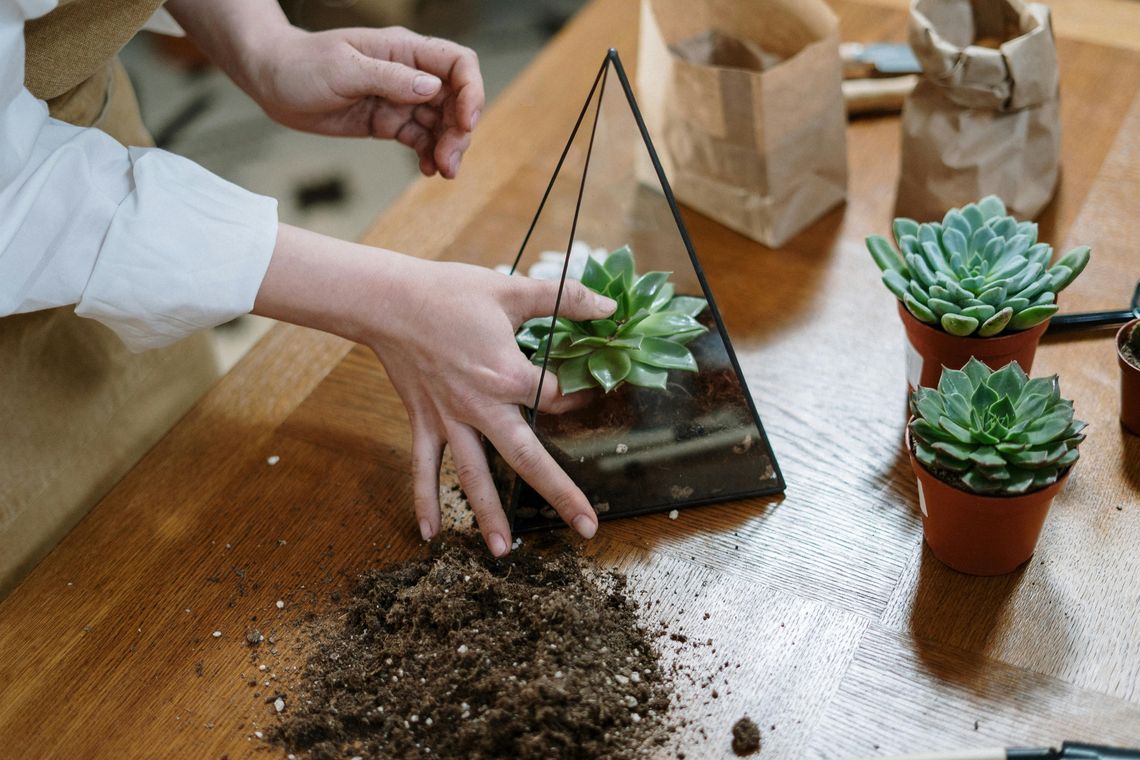

Start with the right soil mix
Standard houseplant potting soil is the fastest way to kill an indoor succulent. It is designed to hold water for thirsty foliage plants, but succulents store moisture in their leaves and stems. When those roots sit in wet, dense dirt, they suffocate and rot. As Iowa State University Extension notes, succulents need well-drained soil in containers to survive typical indoor conditions [src-serp-8].
To prevent this, you need a gritty, fast-draining mix. Look for blends labeled "cactus and succulent" or "citrus." These mixes replace organic peat moss with inorganic materials like perlite, pumice, and coarse sand. This structure allows water to flow through the pot quickly, mimicking the arid environments these plants evolved in.
If you cannot find a pre-made blend, you can mix your own. A simple recipe is two parts potting soil, one part perlite, and one part coarse sand. The goal is to create a medium that dries out completely within a few days of watering. This forces the roots to seek water deeper into the pot, encouraging strong growth rather than surface rot.
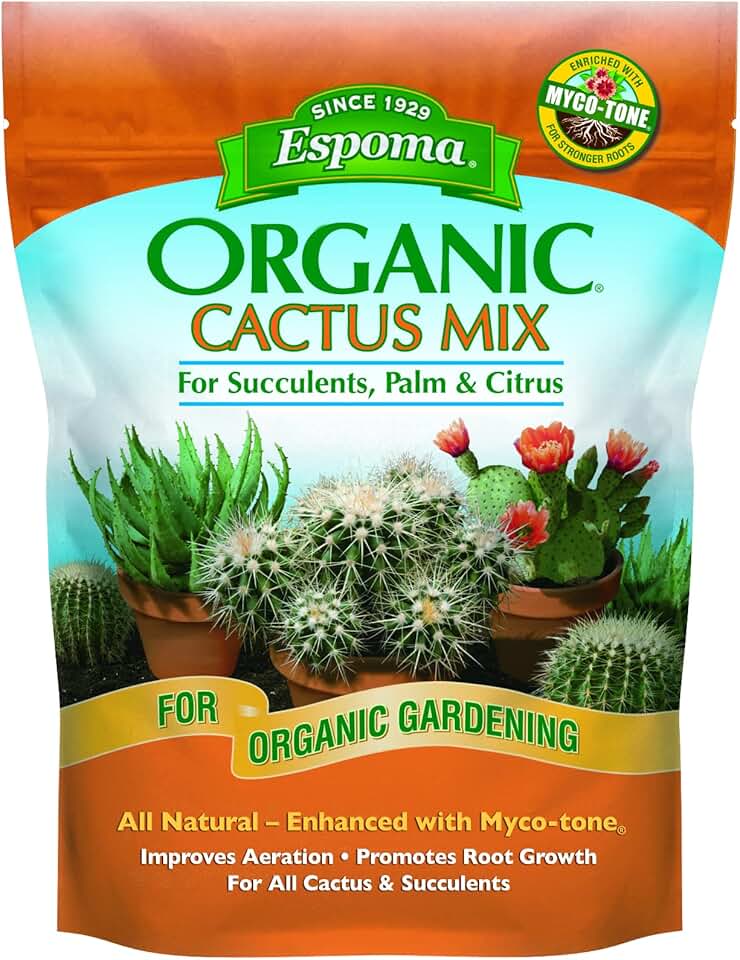
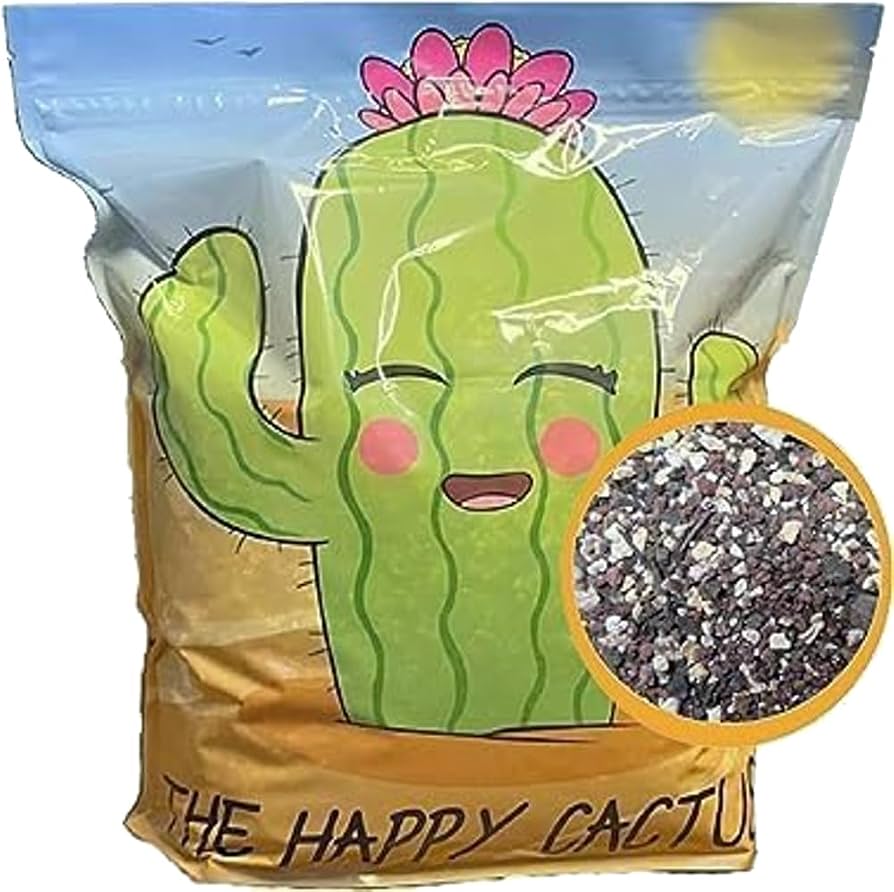
- Fast-draining gritty texture
- Enriched with nutrients for indoor growth

As an Amazon Associate, we may earn from qualifying purchases.
Choosing the right soil is the foundation of indoor succulent care. Even with perfect watering schedules, dense soil will trap moisture against the roots. A gritty mix ensures that your plants stay healthy between waterings, reducing the risk of fungal issues and root decay.
Choose pots with drainage holes
The container you select is the first line of defense against root rot. Succulents store water in their leaves, but their roots cannot survive sitting in stagnant moisture. A drainage hole is not optional; it is the single most important feature of any indoor succulent pot. Without it, excess water has nowhere to go, turning your soil into a swamp that suffocates the roots within days.
Material choice affects how often you need to water. Terracotta and clay are porous, allowing air to reach the roots and helping the soil dry out faster. This makes them ideal for humid environments or for growers who tend to overwater. Ceramic pots, while beautiful and heavy, are non-porous. They retain moisture longer, which can be beneficial in dry, heated homes but requires a lighter touch with your watering can. Plastic pots are lightweight and hold moisture the longest, making them a practical choice for propagation or hanging displays, though they offer the least breathability.
A well-chosen pot balances aesthetics with function. If you love the look of heavy ceramic but worry about drainage, you can use the "cache pot" method: keep the plant in a plastic nursery pot with drainage holes and place that inside a decorative ceramic shell. This gives you the best of both worlds—proper airflow for the roots and a stylish exterior for your shelf.
| Material | Breathability | Weight | Drainage Role |
|---|---|---|---|
| Terracotta | High | Heavy | Dries soil quickly |
| Ceramic | Low | Very Heavy | Retains moisture |
| Plastic | None | Light | Slowest drying |
| Glass | None | Variable | Poor (avoid) |
Water only when soil is dry
The biggest mistake new succulent owners make is watering on a schedule. It is tempting to treat your plants like pets that need a daily meal, but succulents are built for drought, not daily showers. Most experts recommend checking the soil moisture rather than the calendar. The Boyce Thompson Arboretum suggests watering only when the top half-inch of soil is dry, a simple rule that prevents the root rot that kills most indoor succulents.
Think of your succulent’s leaves as a water reservoir. When the plant has plenty of water, the leaves feel firm and plump to the touch. As the plant drinks from the soil, the leaves slowly soften and may even wrinkle slightly. This natural feedback loop is more reliable than any timer. If the leaves feel stiff, the plant is hydrated. If they feel slightly soft or look a bit shriveled, it is time to water.
To check if your succulent needs water, follow these steps:
- Check the top inch of soil: Stick your finger into the pot. If it comes out clean and dry, the plant is ready for water. If soil sticks to your finger, wait a few more days.
- Lift the pot: A dry pot feels surprisingly light compared to a watered one. This is especially helpful for heavy ceramic containers where visual cues are harder to see.
- Look for leaf turgidity: Gently squeeze a lower leaf. If it yields slightly, the plant is thirsty. If it is hard and unyielding, it is well-hydrated.
By relying on these physical cues, you avoid the trap of overwatering, which is far more dangerous than underwatering. Your succulents will thank you with plump, vibrant leaves.
Place Succulents in Bright Light
Succulents are sun-lovers that thrive when placed in the brightest spots available indoors. A south-facing window is the gold standard, offering the consistent, direct sunlight these plants need to maintain their shape and color. Without sufficient light, succulents will stretch toward the source, becoming leggy and pale—a condition known as etiolation. A well-lit kitchen or bedroom window sill is often the perfect home, providing the intensity required for healthy growth.
While light is essential, placement requires nuance. Succulents prefer bright, indirect light for much of the day to avoid leaf scorch, but many varieties tolerate direct morning sun. The key is to match the plant’s specific needs to the window’s orientation. East-facing windows offer gentle morning light, while west-facing windows provide intense afternoon sun that may require sheer curtains to diffuse the heat.
In winter, the risk shifts from too much light to too much cold. Glass windows act as thermal conductors, dropping significantly below room temperature on cold nights. Placing succulents directly against cold glass can cause the leaves to freeze or develop water-soaked spots. To protect them, pull pots back a few inches from the windowpane or place them on a sturdy shelf to create a buffer zone. This simple adjustment keeps the roots and leaves away from the chill while still allowing them to bask in the available daylight.
Top rated succulent soil and pots
Choosing the right base materials is the first step in growing healthy indoor succulents. These plants are prone to root rot if they sit in moisture, so drainage is non-negotiable. The best indoor succulent soil and pots work together to pull water away from the roots quickly while providing enough structure for the plant to anchor itself.
When selecting a container, look for unglazed terracotta or ceramic pots with a drainage hole at the bottom. Unglazed clay is porous, which allows the sides of the pot to breathe and helps the soil dry out faster than plastic or glazed ceramic. If you prefer a decorative pot without a hole, use it only as a "cache pot" by keeping the plant in a simpler plastic nursery pot that fits inside.
For the soil mix, standard houseplant potting soil is too dense and retains too much water. Instead, opt for a specialized succulent and cactus mix that includes perlite, pumice, or coarse sand. These amendments create air pockets in the dirt, mimicking the rocky, well-draining environments these plants evolved in.


As an Amazon Associate, we may earn from qualifying purchases.
Frequently asked: what to check next
Do succulents need maintenance?
Succulents are relatively low-maintenance plants, ideal for busy gardeners or those new to plant care. With their ability to store water, they require infrequent watering and are drought-tolerant. However, ensuring they receive the correct light and soil conditions is essential for healthy growth.
How often should I water indoor succulents?
You should not water on a schedule or simply when the soil is dry. Succulents are drought-tolerant plants that store water in their leaves, meaning overwatering is the most common mistake. Instead, water only when the soil is completely dry, typically every two to three weeks depending on your home's humidity and light levels.
Why are my succulents getting leggy?
Leggy growth, or etiolation, happens when a plant stretches toward a light source. This is a sign your indoor succulent isn't getting enough direct sunlight. Move the plant to a brighter window or consider a grow light to encourage compact, healthy growth.
No comments yet. Be the first to share your thoughts!