

Start with the right soil mix
Standard potting soil is the fastest way to kill an indoor succulent. It is designed to hold moisture for thirsty houseplants like ferns or pothos, but succulents store water in their leaves and stems. When those roots sit in wet, dense dirt, they rot within days. You need a medium that drains quickly and dries out completely between waterings.
A fast-draining mix is the foundation of indoor succulent care. The simplest recipe is half standard potting soil and half inorganic grit, such as perlite, pumice, or coarse sand. The potting soil provides nutrients and structure, while the grit creates air pockets and channels water away from the crown. If you live in a humid climate, increase the grit ratio to 60% to ensure the soil dries fast enough to prevent fungal issues.
Avoid buying pre-mixed "cactus soil" from generic garden centers. Many of these blends contain peat moss or coconut coir that retains too much water for indoor conditions. Instead, look for mixes labeled specifically for succulents or make your own blend. The goal is a gritty texture that feels loose and airy, not a compacted block.
Water only when the soil is dry
Most indoor succulent care mistakes happen because people treat their plants like houseplants that need a weekly drink. Succulents are not thirsty; they are drought-tolerant survivors that store water in their leaves. Watering on a fixed schedule—every Monday, for example—ignores the reality of indoor humidity, pot size, and light levels. This rigid approach is the fastest way to cause root rot.
Instead, use the "soak and dry" method. This technique mimics the natural rainfall patterns succulents experience in the wild: a heavy downpour followed by a long, dry spell. The goal is to let the soil dry out completely between waterings, ensuring oxygen reaches the roots.
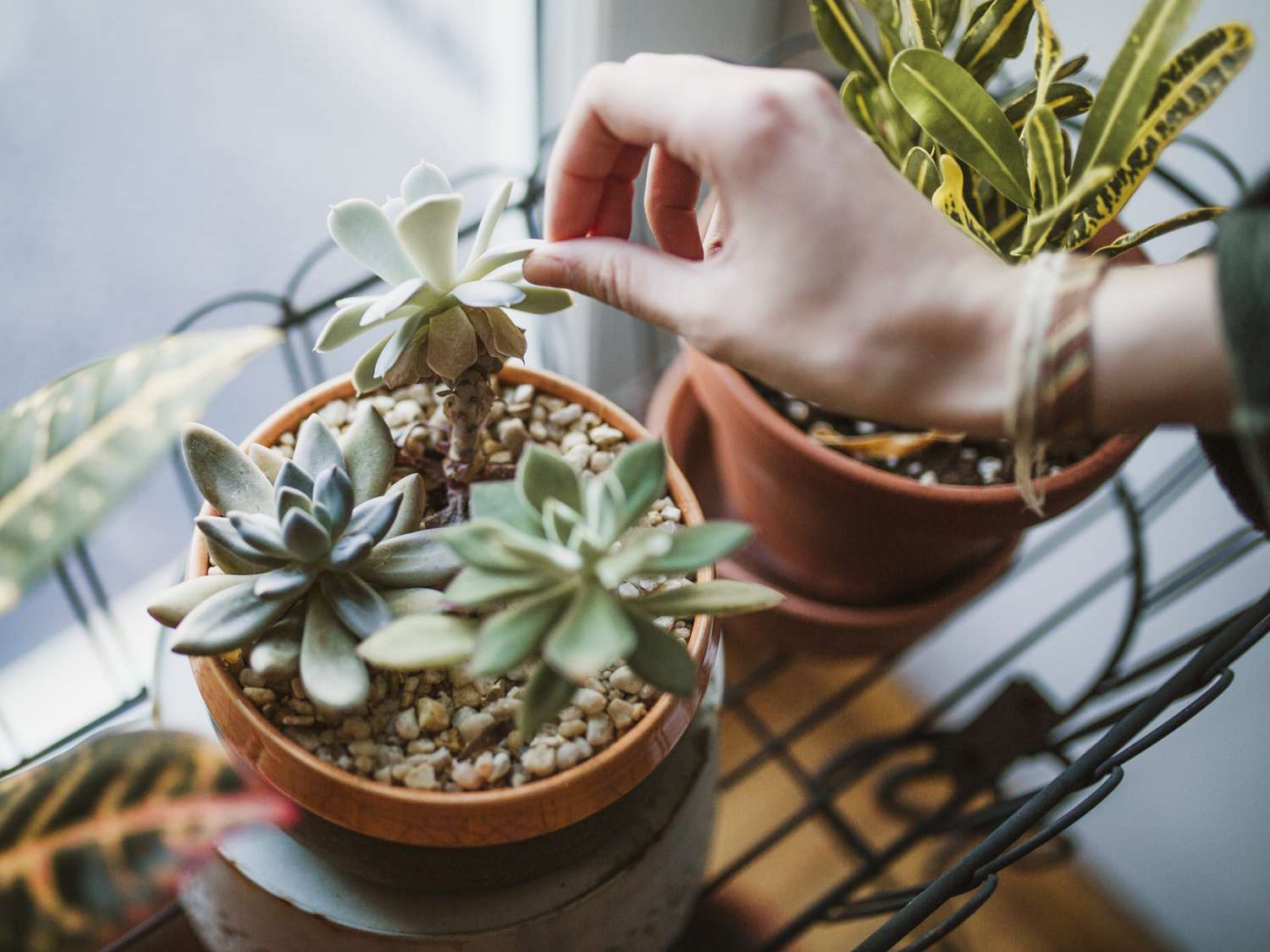
Insert your finger or a wooden chopstick into the soil up to the second knuckle or about two inches deep. If you feel any dampness or if the stick comes out with soil clinging to it, do not water. Wait until the soil feels completely dry at this depth. The Boyce Thompson Arboretum recommends waiting until the top half-inch is dry, but for indoor pots, checking deeper is safer to prevent rot.
When the soil is bone dry, take your plant to the sink or a watering spot. Water slowly and evenly until water flows freely out of the drainage holes at the bottom of the pot. This ensures the entire root ball is hydrated. Avoid splashing water onto the leaves or the center of the rosette, as trapped moisture there can lead to fungal issues.
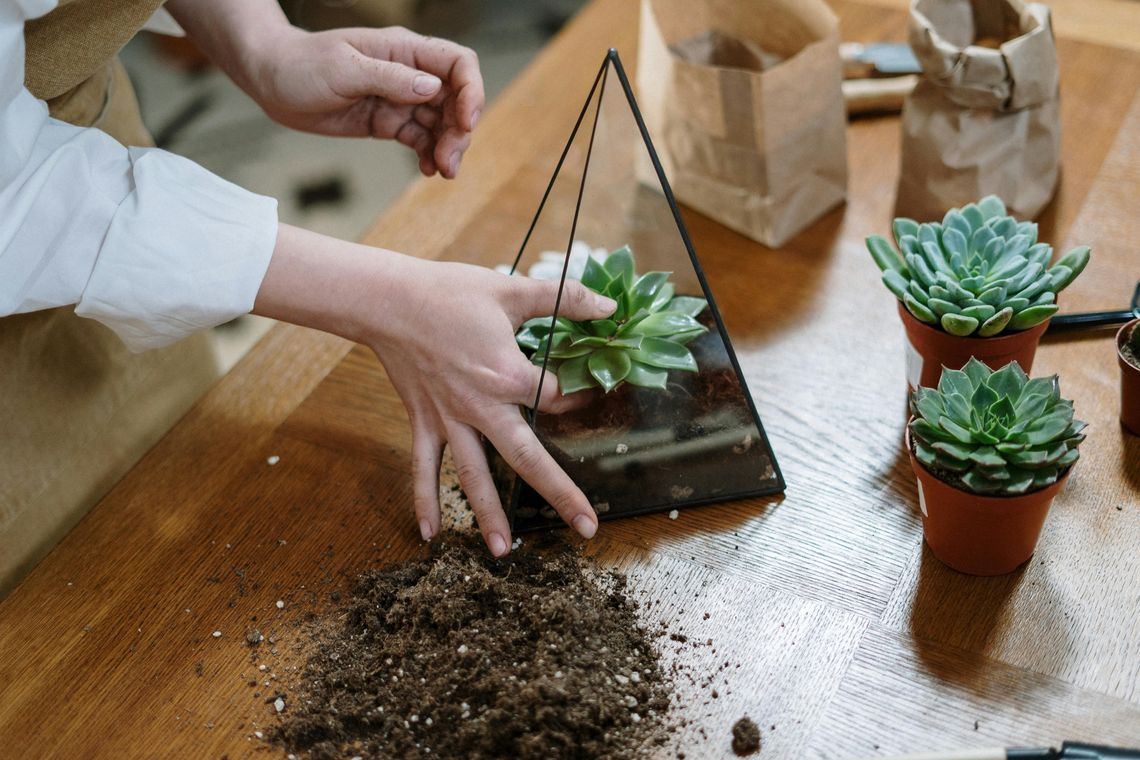
Leave the plant in the sink or ensure its saucer is empty after about 15–20 minutes. Succulents hate sitting in stagnant water. If you left the pot in a decorative cache, remove it to drain, then put it back. The soil should begin drying out immediately after this soak, starting the countdown to the next watering session.
Watch your plant for signs of thirst. If the leaves look slightly wrinkled or feel soft to the touch, it is time to water. If the leaves are firm and plump, the plant is still holding onto its stored water. Patience is the most important tool in your indoor succulent care kit.
Place plants in bright indirect light
Most indoor succulents thrive in bright indirect light. This means the room is well-lit enough to cast a clear shadow, but the sun’s rays do not hit the leaves directly. South-facing windows are often ideal, provided the plant isn't pressed against the cold glass in winter.
Direct sunlight can be too intense for many varieties. Prolonged exposure often leads to sunburn, leaving brown, crispy patches on the leaves. If your succulent starts to look scorched, move it a few feet back from the window or use a sheer curtain to diffuse the light.
Think of bright indirect light as a bright room with the blinds drawn. It provides the energy the plant needs to grow compact and colorful without the risk of overheating or burning. This balance is the sweet spot for keeping your indoor succulents healthy and vibrant.
Compare common succulent types
Identifying your plant is the first step to keeping it alive. Echeveria, Haworthia, and Aloe are the most common indoor varieties, but they have different needs. Echeveria loves bright light and dries out quickly. Haworthia prefers shade and stays moist longer. Aloe needs steady light but tolerates dry soil.
Use this table to match your plant to its care routine.
| Type | Light | Water | Hardiness |
|---|---|---|---|
| Echeveria | Bright direct | Every 1-2 weeks | USDA 9-11 |
| Haworthia | Low to medium | Every 2-3 weeks | USDA 9-11 |
| Aloe | Bright indirect | Every 2-3 weeks | USDA 9-11 |
Calculate your watering needs
Succulents store water in their leaves, but they still need a consistent schedule. Because pot size and light levels change how fast soil dries, a fixed calendar rarely works for every home. Use the calculator below to estimate the right interval for your specific setup.
The formula adjusts for evaporation rates. Bright light speeds up drying, so you water more often. Larger pots hold more soil and take longer to dry out, requiring wider gaps between sessions. Always check the soil with your finger first; if the top inch is damp, skip the watering regardless of the calculation.
Quick care checklist for beginners
Setting up a healthy indoor environment for succulents doesn't require a degree in botany. It comes down to three consistent habits: light, soil, and water. When these elements align, your plants thrive with minimal effort. Think of it as setting up a system that works with the plant's natural drought tolerance rather than against it.
Start by placing your succulents in a bright, south-facing window if possible. Most indoor varieties need at least six hours of direct sunlight daily. If natural light is limited, a simple grow light can bridge the gap. Next, ensure your potting mix drains quickly. Standard garden soil holds too much moisture and can rot roots. A cactus or succulent-specific mix is ideal. Finally, water only when the soil is completely dry. Overwatering is the most common mistake beginners make.
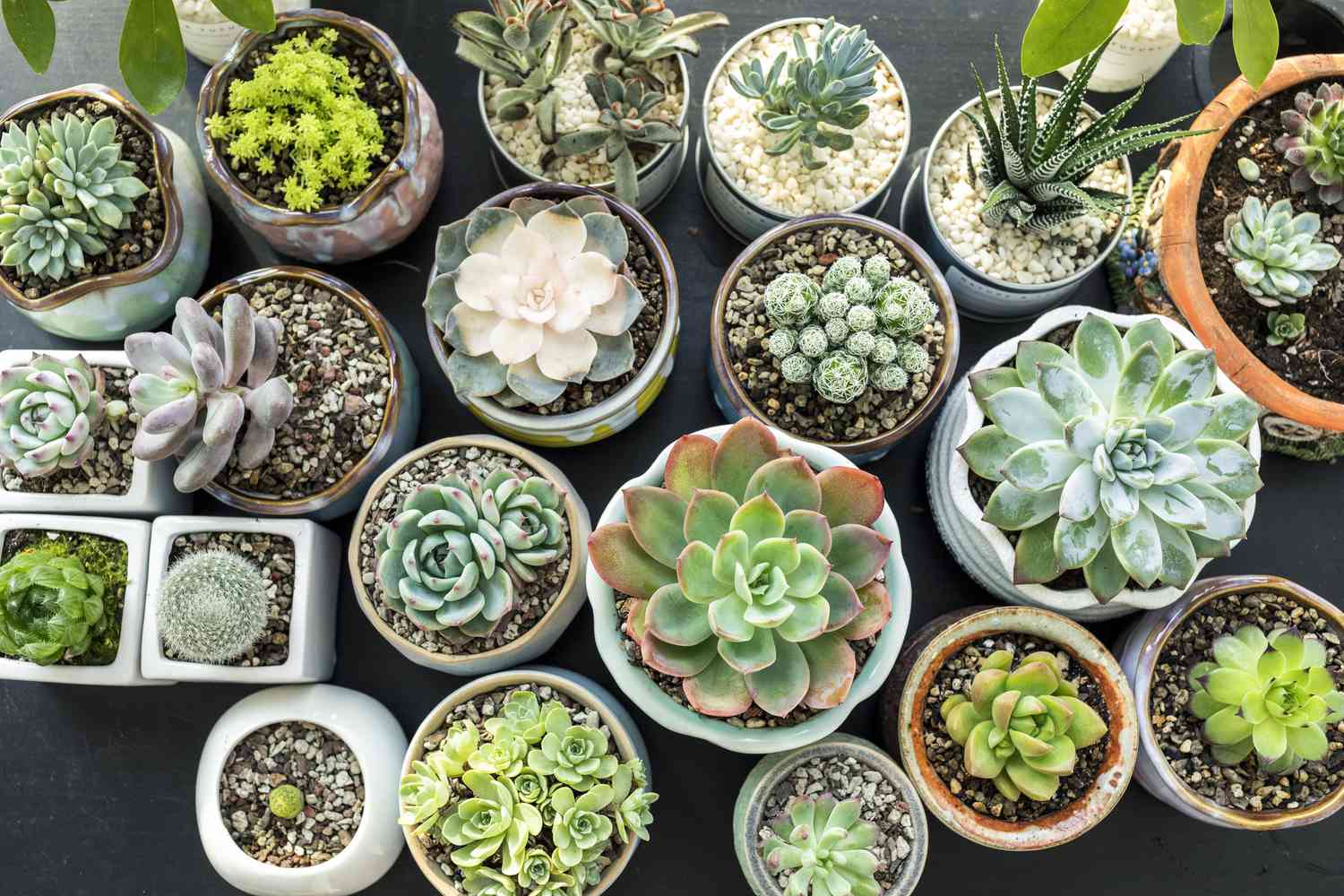
Light
- Placement: South or east-facing windows are best.
- Duration: Aim for 6+ hours of direct light daily.
- Signs of stress: Stretching stems mean they need more light.
Soil
- Type: Use a well-draining cactus mix.
- Potting: Ensure pots have drainage holes.
- Mix: Add perlite if your soil feels too dense.
Water
- Frequency: Water only when soil is bone dry.
- Method: Soak thoroughly, then let it drain completely.
- Check: Stick your finger an inch into the soil to test.
Pot Size
- Rule: Choose pots only 1-2 inches wider than the root ball.
- Material: Terracotta helps soil dry out faster than plastic.
- Repotting: Only repot when roots circle the bottom of the pot.
Common succulent care: what to check next
Succulents are resilient, but specific symptoms often signal underlying issues with watering or environment. Addressing yellowing leaves, repotting timing, and winter dormancy helps keep your indoor succulent care routine on track.
Why are my succulent leaves turning yellow?
Yellowing leaves are usually the first sign of overwatering. When soil stays wet too long, roots can rot, causing the lower leaves to soften and turn yellow before dropping off. If the leaves feel firm and plump, the issue might be underwatering or nutrient deficiency, but soft, mushy yellowing almost always points to excess moisture. Let the soil dry out completely between waterings to fix this.
When should I repot my succulents?
Repotting is best done in spring or early summer when the plant is actively growing. This timing allows the roots to recover quickly from the shock of being moved. You should repot if the plant has become root-bound, the soil has broken down and no longer drains well, or the pot is too small for the plant’s size. Use a well-draining succulent mix to prevent future water retention issues.
Do succulents need special winter care?
Most indoor succulents enter a dormant phase in winter, meaning they need significantly less water and light. Reduce watering to once every three to four weeks, or only when the soil is bone dry. Keep them away from cold drafts and heating vents, which can cause rapid temperature fluctuations. If natural light is limited, consider using a grow light to prevent the plant from stretching toward the window.
No comments yet. Be the first to share your thoughts!