

Why soil and drainage matter most
The single biggest mistake new succulent owners make is treating these plants like houseplants. Standard potting soil is designed to hold moisture, which is the opposite of what a succulent needs. In nature, these plants grow in arid, rocky environments where water drains away instantly. When you plant them in dense, moisture-retentive soil, the roots sit in a damp environment that invites rot.
Look for a mix specifically labeled "cactus and succulent" or create your own blend. A simple recipe is two parts standard potting soil to one part perlite or pumice. This airy structure allows water to flow through the pot quickly, ensuring the roots dry out between waterings. Without this drainage, even the most careful watering schedule will eventually kill the plant.
Drainage holes in the pot are non-negotiable. Even with perfect soil, water will pool at the bottom of a solid container, creating a swampy zone where roots suffocate. If you buy a decorative pot without holes, use it as a cache pot for a plastic nursery pot with proper drainage. This setup lets you water the inner pot, let it drain completely, and then place it back in the decorative shell.
Proper soil and drainage do more than prevent rot; they encourage strong root growth. When roots aren't fighting for air in soggy dirt, they can focus on absorbing nutrients and supporting the plant's structure. This foundation is what allows succulents to thrive indoors with minimal attention.
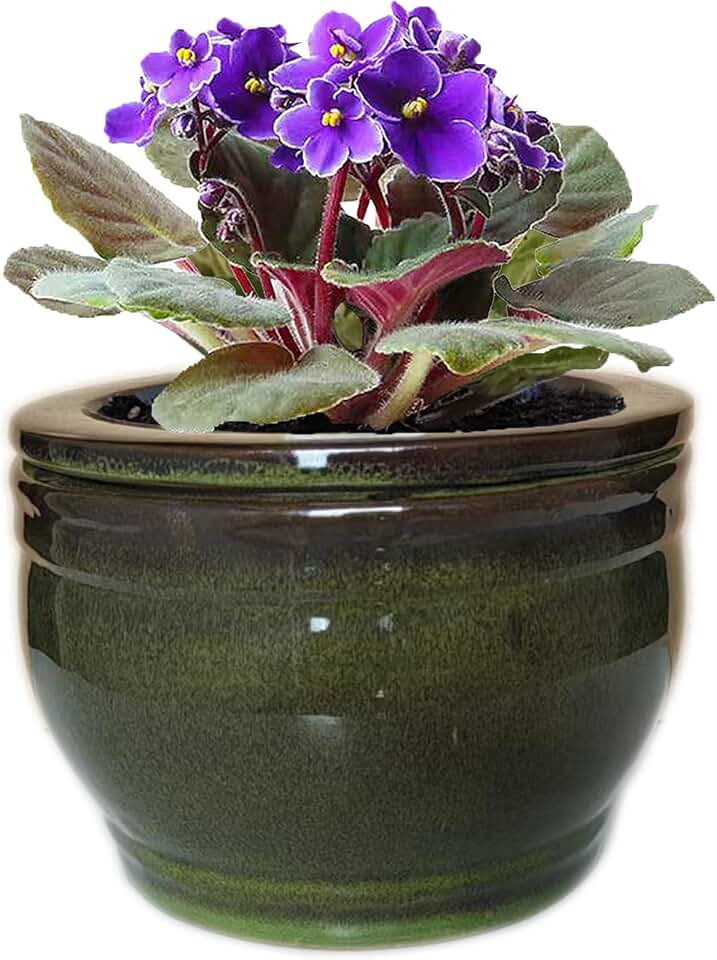
Best self-watering pots for beginners
The single most common reason succulents fail indoors is overwatering. Even experienced growers can slip up when the soil looks dry on top but stays soggy underneath. Self-watering pots solve this by using a reservoir to pull moisture up through the soil only when the plant needs it. This mechanism creates a buffer that prevents the roots from sitting in standing water, which is the primary cause of rot.
These pots act like a safety net for your plant care routine. Instead of guessing when to water, you simply refill the bottom reservoir. The soil wicks water as it dries out, maintaining consistent humidity without the risk of drowning the roots. This is especially helpful for beginners who are still learning how their home's light and temperature affect their specific plants.
When choosing a self-watering pot, look for designs with a visible water level indicator. This allows you to check the reservoir without disturbing the plant. The best options also include a wicking material that moves water efficiently from the bottom to the root zone. Avoid pots that lack a clear separation between the water reservoir and the soil, as this can lead to the same saturation issues you are trying to avoid.


As an Amazon Associate, we may earn from qualifying purchases.
Top-rated succulent soil mixes
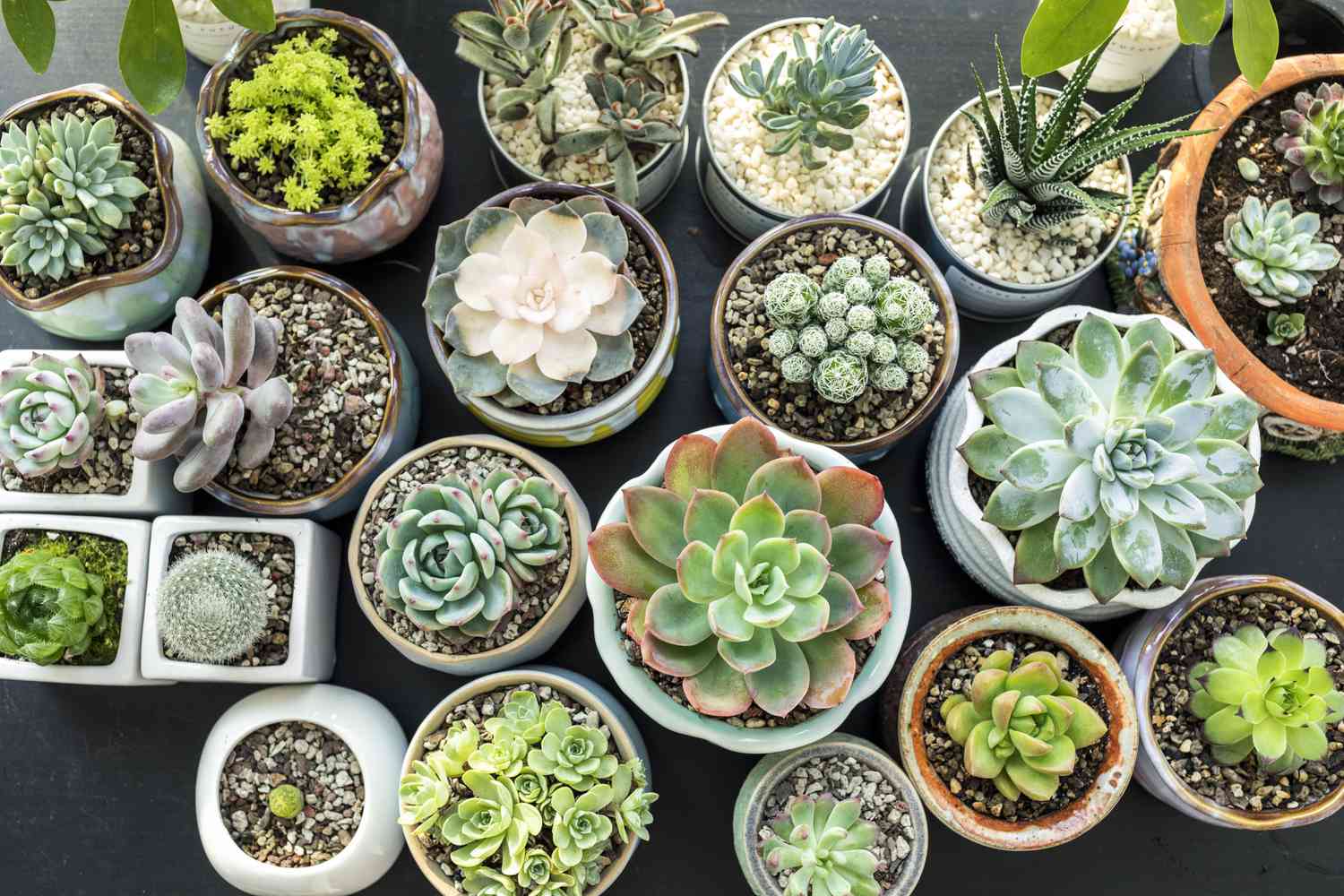
The right soil mix is the single most important factor in preventing root rot, which is the primary cause of indoor succulent death. Unlike standard houseplant potting mixes that retain moisture for days, succulent blends are engineered to dry out quickly while maintaining enough structure to keep roots oxygenated. When evaluating soil options, focus on the ratio of mineral components like perlite or pumice to organic matter. A higher mineral content generally ensures faster drainage, which is critical for plants kept in ceramic or plastic pots that do not breathe as well as unglazed terracotta.
The table below compares four widely available succulent soil mixes based on their drainage characteristics, organic content, and general price range. These products are selected for their consistent formulation and availability through major retailers.
| Product | Drainage Speed | Organic Content | Price Range |
|---|---|---|---|
| Miracle-Gro Indoor Potting Mix | Moderate | High (Peat Moss) | $ |
| Espoma Organic Cactus Mix | Fast | Medium (Pumice/Sand) | $$ |
| Bonide All Purpose Potting Soil | Slow | High (Peat/Perlite) | $ |
| Farnum Cactus Mix | Very Fast | Low (Mineral Focus) | $$ |
For most beginners, a mix like Espoma Organic Cactus Mix offers a balanced starting point. It provides faster drainage than standard indoor mixes but retains enough organic material to hold minimal nutrients without becoming waterlogged. If you live in a humid climate or use pots without drainage holes, opting for a mineral-heavy blend like Farnum Cactus Mix can provide an extra layer of safety against overwatering. Conversely, if you are growing succulents in a dry, arid environment, a mix with slightly higher organic content like Miracle-Gro Indoor Potting Mix may help retain enough moisture between infrequent watering sessions.
Essential tools for propagation and repotting
You can’t grow healthy succulents without the right gear. Whether you are starting a new plant from a leaf or moving a mature rosette into a larger container, the wrong tools cause more damage than good. Sharp, clean instruments make clean cuts that heal quickly. Proper soil mixes drain water fast, preventing the root rot that kills most indoor succulents.
The right soil mix
Standard potting soil holds too much water for succulents. You need a gritty mix that drains immediately. Look for blends labeled "cactus and succulent" or create your own using 50% peat moss or coco coir and 50% perlite, pumice, or coarse sand. This ratio ensures oxygen reaches the roots while excess water escapes the drainage holes.
Propagation tools
Propagation requires precision. Use a sharp, sterilized knife or scissors to remove leaves or cut stem sections. Dull tools crush the plant tissue, creating entry points for bacteria. After cutting, let the propagation material callus over for a few days before placing it on soil. This drying period is critical for successful root growth.
Repotting essentials
Repotting needs sturdy containers with drainage holes. Terracotta pots are ideal because the porous clay wicks away excess moisture from the soil. Pair the pot with a pair of long-handled tweezers or chopsticks. These tools help you position the plant carefully and fill soil around the roots without compacting it or damaging the stems.
Cleaning and sterilization
Disease spreads easily in propagation. Keep a bottle of isopropyl alcohol nearby to wipe down your tools between plants. This simple step prevents the transfer of fungal spores or pests from one succulent to another. A clean workspace is just as important as the right soil for healthy indoor plants.
Lighting and temperature basics
Succulents thrive in bright, indirect light, making a south-facing window the ideal spot. Place them near the glass but keep them from touching it during winter, as the cold surface can damage leaves. If your home is north-facing, supplement with a grow light to prevent stretching.
Maintain average home temperatures between 60°F and 80°F (15°C–27°C) during the day. Most succulents prefer cooler nights, dropping to around 50°F (10°C), which mimics their natural desert environment. Avoid placing pots near drafty windows or heating vents, as sudden temperature shifts cause stress and browning.
Frequently asked questions about succulent care
Do succulents need maintenance?
Succulents are relatively low-maintenance plants, ideal for busy gardeners or those new to plant care. With their ability to store water, they require infrequent watering and are drought-tolerant. However, ensuring they receive the correct light and soil conditions is essential for healthy growth.
How often should I water my succulents?
You should not water on a schedule or simply when the soil is dry. Succulents are drought-tolerant plants that store water in their leaves, meaning they prefer to dry out completely between waterings. Overwatering is the most common cause of failure.
What is the best soil for succulent care kits?
Standard potting soil retains too much moisture for succulents. Look for kits that include a gritty, fast-draining mix, such as a blend of perlite, pumice, and coarse sand. This ensures water flows through quickly, preventing root rot.
No comments yet. Be the first to share your thoughts!