

Pick the right soil mix
Standard potting soil is the fastest way to kill a succulent. Regular mixes are designed to hold moisture for leafy greens and tropicals, creating a soggy environment that suffocates succulent roots and leads to fatal rot. Succulents store water in their leaves and stems, so they need a medium that dries out quickly and allows air to circulate around the roots.
The foundation of healthy succulents is a gritty, well-draining mix. Look for products labeled specifically as "cactus and succulent" soil or those containing high percentages of mineral components like perlite, pumice, or coarse sand. These ingredients create the necessary air pockets and drainage channels that mimic the arid conditions these plants evolved in.
Choosing the right soil mix is more important than the pot itself. Even with drainage holes, heavy soil will stay wet too long. Prioritize loose, airy blends that let water run through immediately, keeping your plants dry and safe between waterings.
Choose pots with drainage
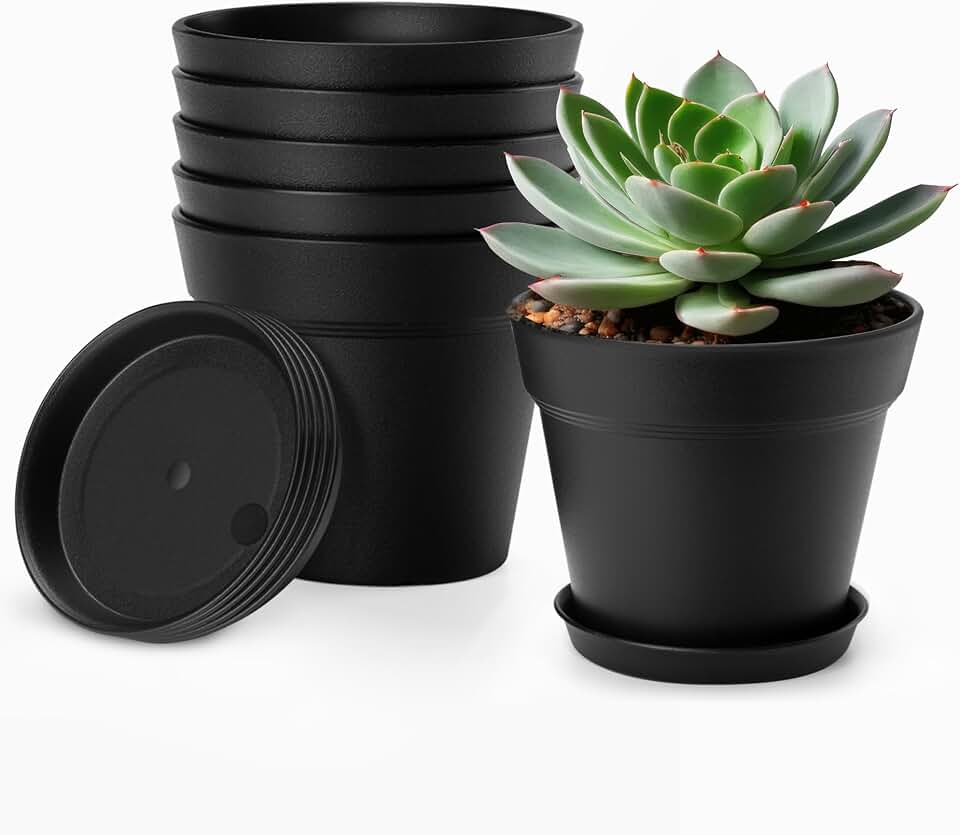
A drainage hole is the single most important feature in a succulent pot. Without it, excess water pools at the bottom, turning the soil into a swamp that rots roots within days. Look for pots with at least one large hole in the center. If you prefer a decorative container without a hole, use it as a “cachepot” by keeping the plant in a plastic nursery pot that fits inside.
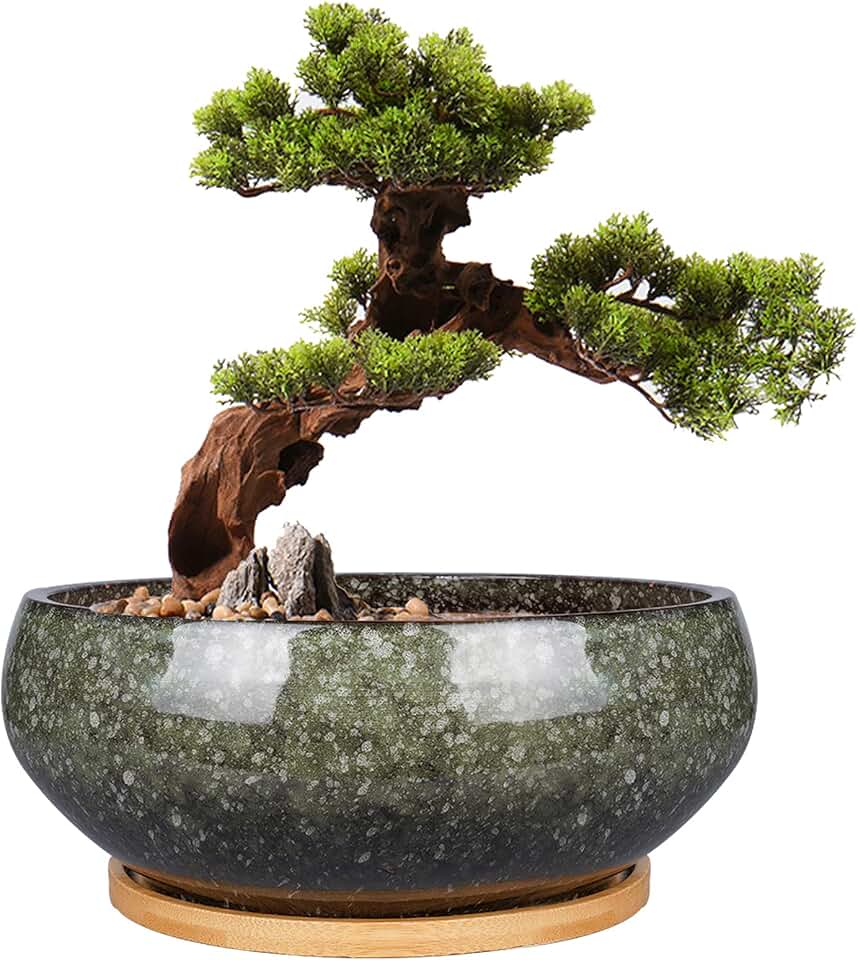
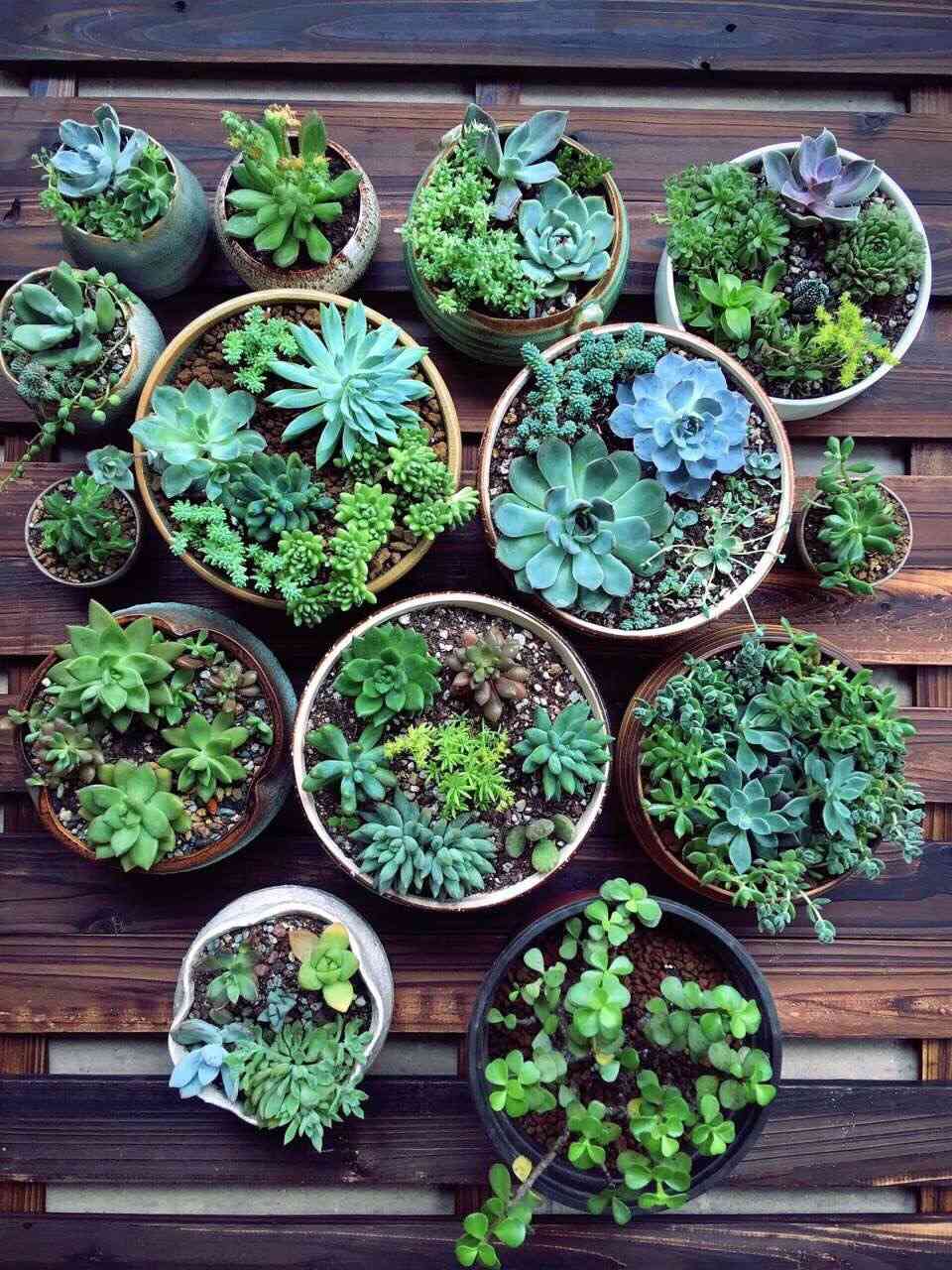
Material choice affects how quickly the soil dries out. Terracotta is porous, allowing air and moisture to pass through the walls, which helps prevent overwatering. Ceramic pots are glazed and non-porous, retaining moisture longer and requiring less frequent watering. Choose terracotta if you tend to water too often; choose ceramic if you forget to water regularly.
| Material | Breathability | Weight | Best For |
|---|---|---|---|
| Terracotta | High | Heavy | Overwaterers |
| Ceramic | Low | Very Heavy | Forgotten waterers |
| Plastic | None | Light | Hanging or shelves |

As an Amazon Associate, we may earn from qualifying purchases.
Master the watering routine
The most common mistake in succulent care is treating water like a calendar event. Many beginners stick to a rigid weekly schedule, assuming consistency equals health. This approach often leads to root rot because it ignores the plant's actual needs. Succulents are drought-tolerant survivors that store water in their leaves, stems, and roots. They do not drink on a timetable; they drink when thirsty.
Instead of counting days, use the "soak and dry" method. This technique mimics the brief, intense rainfall patterns of desert environments. When the soil is completely dry, you water thoroughly until it drains out the bottom of the pot. Then, you wait. You do not water again until the soil has dried out fully from top to bottom. This cycle encourages deep root growth and prevents the stagnant moisture that kills succulents.
To execute this method correctly, you need two things: precision and patience. A standard watering can often delivers too much water too quickly, washing away soil or splashing the leaves. A long-nozzle watering can allows you to direct water precisely at the soil line, avoiding the crown where water accumulation causes rot. Pair this with a soil moisture meter to remove guesswork entirely. These inexpensive tools tell you exactly when the soil is dry enough for a drink, turning watering from a chore into a data-driven decision.


As an Amazon Associate, we may earn from qualifying purchases.
Timing also shifts with the seasons. During active growth in spring and summer, the soil will dry out faster, requiring more frequent soaks. In winter, when growth slows or stops, the soil stays wet for much longer. Extend the dry period significantly during these cooler months. If you are unsure whether the soil is dry, stick your finger an inch or two into the pot. If it feels damp, wait. If it feels like dust, it is time to water.
Set up proper lighting
Succulents need bright, indirect light to thrive indoors. A south-facing window is usually the best spot, offering the intensity these plants require. You can also use east or west-facing windows, but north-facing spots often leave them starved for sun. Aim for at least six hours of light daily. Without enough illumination, succulents stretch toward the light source, becoming leggy and losing their compact shape.
Avoid placing plants directly against cold glass in winter, as the temperature difference can shock the leaves. If you notice the stems elongating or the leaves fading, the plant is not getting enough light. In that case, move it closer to the window or add a grow light.
Essential care checklist
Keep your indoor succulents healthy by following these five routine steps. Consistency matters more than perfection; a simple weekly check prevents most common issues.
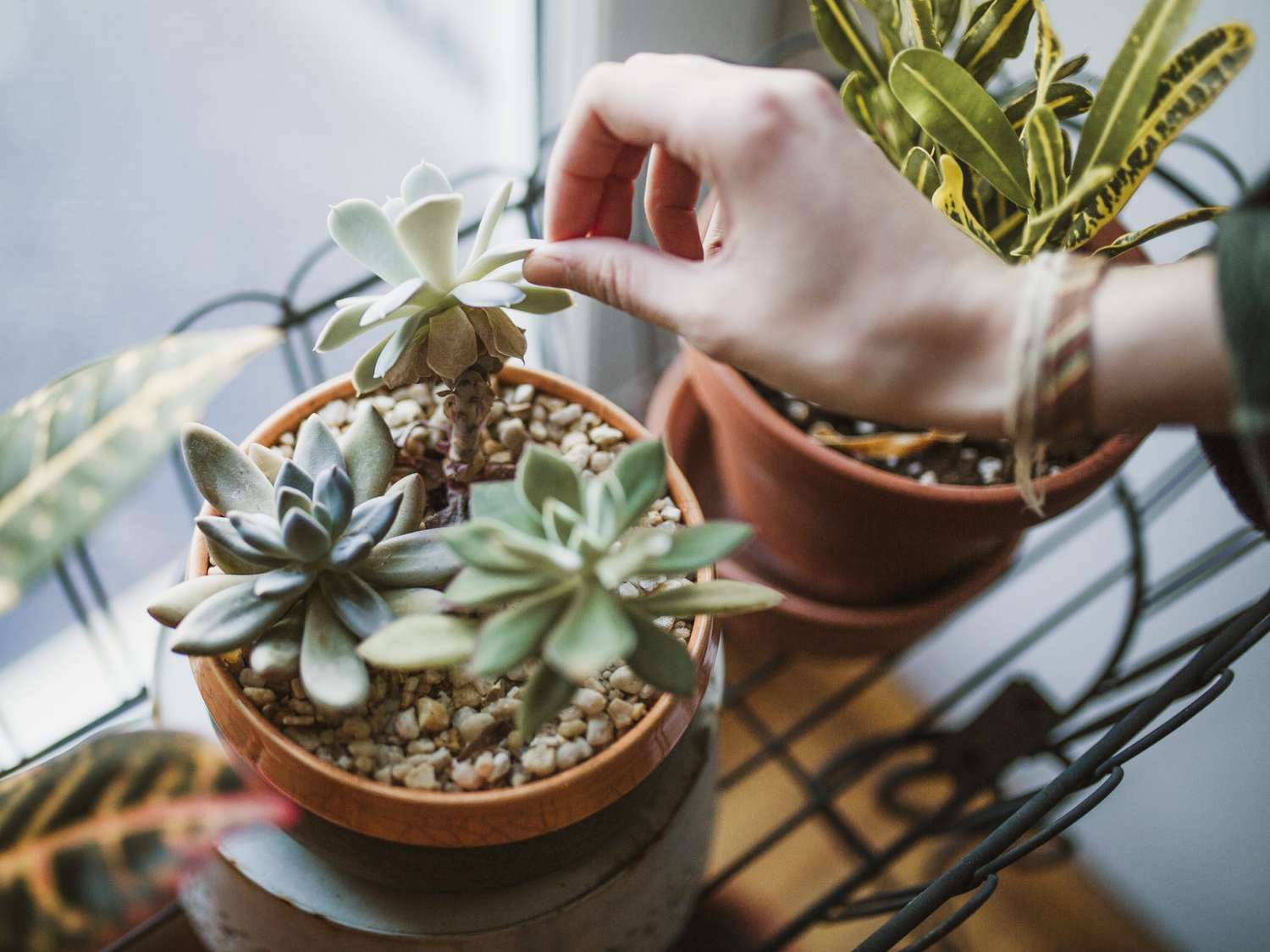
Insert a wooden chopstick into the soil. If it comes out clean and dry, it is time to water. If it sticks or looks damp, wait another few days. Never water on a fixed schedule; always judge by the soil’s dryness.
Pour water directly onto the soil until it flows freely from the drainage holes. This ensures the entire root ball is hydrated. Empty the saucer immediately after watering to prevent root rot.
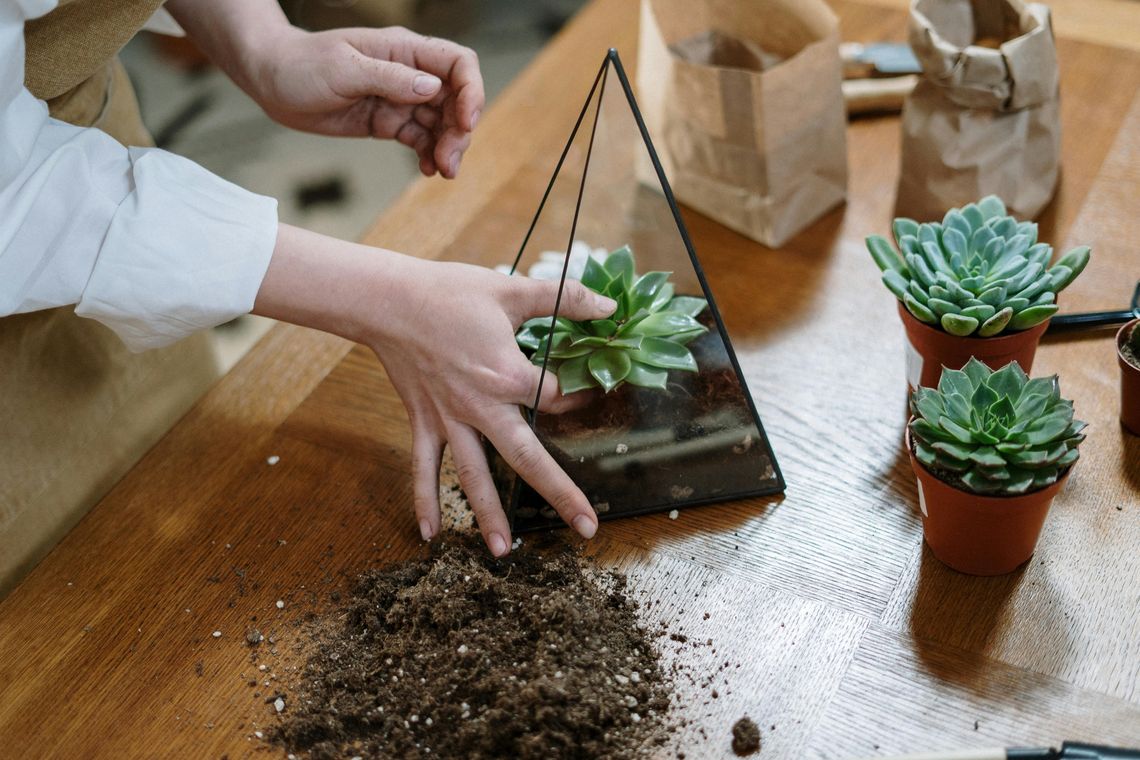
Place your plants near a south-facing window where they can receive at least six hours of bright, indirect light daily. If leaves begin to fade or stretch, the plant needs more sun.
Keep succulents in average room temperatures between 60°F and 80°F. Avoid placing them near drafty windows in winter or air conditioning vents, as sudden temperature drops can damage the leaves.
Check the undersides of leaves and soil surface weekly for white, cottony clusters of mealybugs. If you spot any, dab them with a cotton swab dipped in rubbing alcohol.
As an Amazon Associate, we may earn from qualifying purchases.
Common succulent care mistakes
Most indoor succulents die from good intentions. The three biggest errors are overwatering, providing too little light, and using standard potting mix. Fixing these issues is usually enough to revive a struggling plant.
Overwatering
Succulents store water in their leaves, making them drought-tolerant. Watering on a rigid schedule or when the soil feels dry on top is a mistake. The soil must dry out completely between waterings. If the pot lacks drainage holes, water pools at the bottom and rots the roots. Always use a well-draining soil mix to prevent this.
Poor Light
Succulents need plenty of light to stay compact and colorful. Ideally, they should receive about six hours of light daily. In low light, plants become leggy as they stretch toward the window, and leaves may fade. Place them in a south-facing window or supplement with a grow light.
Wrong Soil
Regular houseplant soil holds too much moisture for succulents. Look for mixes labeled "cactus and succulent" or amend standard potting soil with perlite or pumice to increase drainage. Proper soil structure ensures roots stay healthy and prevents fungal issues.
No comments yet. Be the first to share your thoughts!