
Start with the right soil
The single most common reason indoor succulents fail is not a lack of light, but a surplus of moisture trapped in the wrong medium. Standard potting soil is designed to hold water and nutrients for leafy houseplants, creating a soggy environment that causes succulent roots to rot within weeks. To keep your plants alive, you must mimic the gritty, fast-draining conditions of their natural desert habitats.
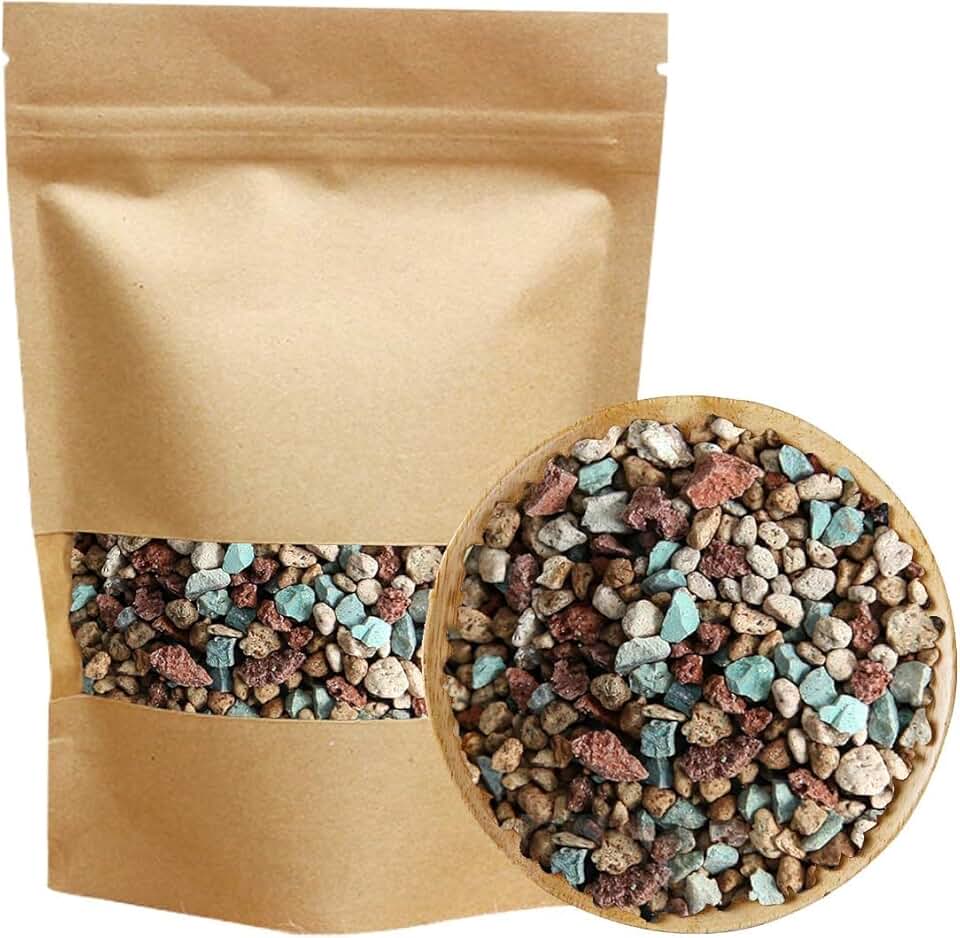
Think of your soil mix as a drainage system rather than a sponge. You need a blend that allows water to pass through quickly and air to reach the roots. A good rule of thumb is to mix two parts cactus or succulent potting soil with one part coarse perlite or pumice. This gritty texture ensures that even if you forget to water for a week, the roots won't sit in stagnant mud. The goal is a medium that dries out completely between waterings, forcing the plant to conserve moisture in its leaves and stems.
When shopping for soil, look for bags explicitly labeled "cactus and succulent" or "arid plant mix." Avoid generic "all-purpose" potting blends, which often contain peat moss or vermiculite that retains too much moisture. If you can't find a pre-mixed bag, you can create your own by combining standard potting soil with extra perlite or coarse sand. The result should feel loose and crumbly, not dense or muddy.
Proper soil is the foundation of succulent health. Without it, even the most careful watering schedule will struggle to save your plants. By choosing the right mix, you give your succulents the best chance to thrive indoors.
Water only when dry
The most common mistake new succulent owners make is watering on a schedule. It is easy to fall into the habit of watering every Sunday or whenever you remember, but this routine ignores the plant’s actual needs. Succulents are drought-tolerant plants that store water in their leaves and stems, so they do not need constant moisture. In fact, consistent overwatering is the primary cause of root rot and plant death in indoor environments.
Instead of following a calendar, use the "soak and dry" method. This technique mimics the natural rainfall patterns of desert environments. First, check the soil moisture. Insert your finger about an inch into the soil or use a wooden chopstick. If it comes out with any dampness or soil clinging to it, wait. Only water when the potting mix is completely dry all the way through.
When you do water, give the plant a thorough soak. Water slowly until it runs freely out of the drainage holes, ensuring the entire root ball is hydrated. Then, empty the saucer or cache pot after 15 minutes. Never let a succulent sit in standing water. If you see little blisters forming on the leaves, it is a clear sign you are watering too much or too frequently. Let the soil dry out completely before watering again.

As an Amazon Associate, we may earn from qualifying purchases.
Choose bright indirect light
Succulents thrive in bright, indirect light. A south-facing window is ideal, but you must avoid placing plants directly against cold glass in winter. The plant will tell you if it is getting the right amount of light. Too much light and the leaves may scorch and turn brown or develop bleached spots. Too little light and the plant will stretch, becoming leggy and pale.
Most indoor succulents need six or more hours of light daily to prevent etiolation. If your windows face north or are shaded by trees, you may need to supplement with a grow light. Rotate your plants weekly to ensure even growth. This simple habit keeps your succulents compact and healthy.
Best easy succulents for beginners
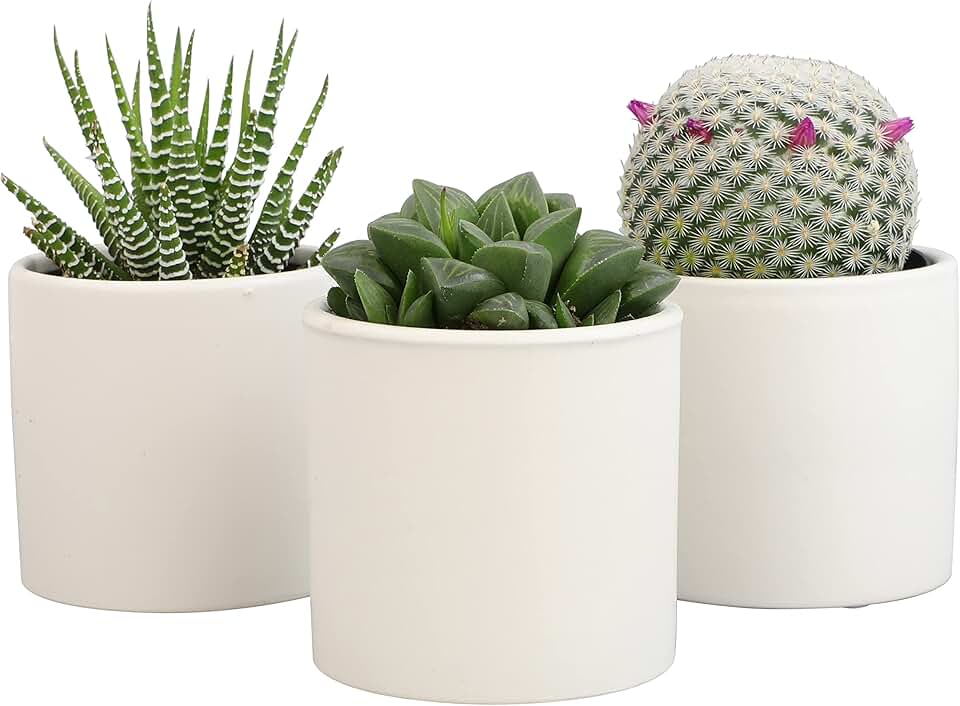
Starting a succulent collection doesn't require a green thumb, just the right plants. Some varieties are built to forgive mistakes like overwatering or low light, making them perfect for learning the ropes. These hardy picks thrive with minimal attention while adding texture and style to your home.
The secret to keeping these plants alive is simple: give them plenty of light and very little water. Succulents store moisture in their leaves, so they prefer to dry out completely between drinks. Place them on a sunny windowsill and check the soil before watering. If the soil is still damp, wait a few more days.
These recommendations focus on the most resilient varieties available. You can find them at most garden centers or online. Look for healthy-looking leaves that feel firm and plump, not shriveled or soft.


As an Amazon Associate, we may earn from qualifying purchases.
Essential pots and tools
The right hardware makes the difference between a thriving indoor garden and a muddy windowsill. Succulents are unforgiving when it comes to water management, so your choice of container and watering vessel is just as important as the plant itself.
Pots with drainage
Drainage holes are non-negotiable. Without them, excess water pools at the bottom of the pot, suffocating the roots and leading to rot. Ceramic or terracotta pots with holes at the base allow moisture to escape, mimicking the dry conditions these plants evolved in. If you prefer decorative pots without holes, use them as "cache pots" by placing a plastic nursery pot with drainage inside.
Watering tools
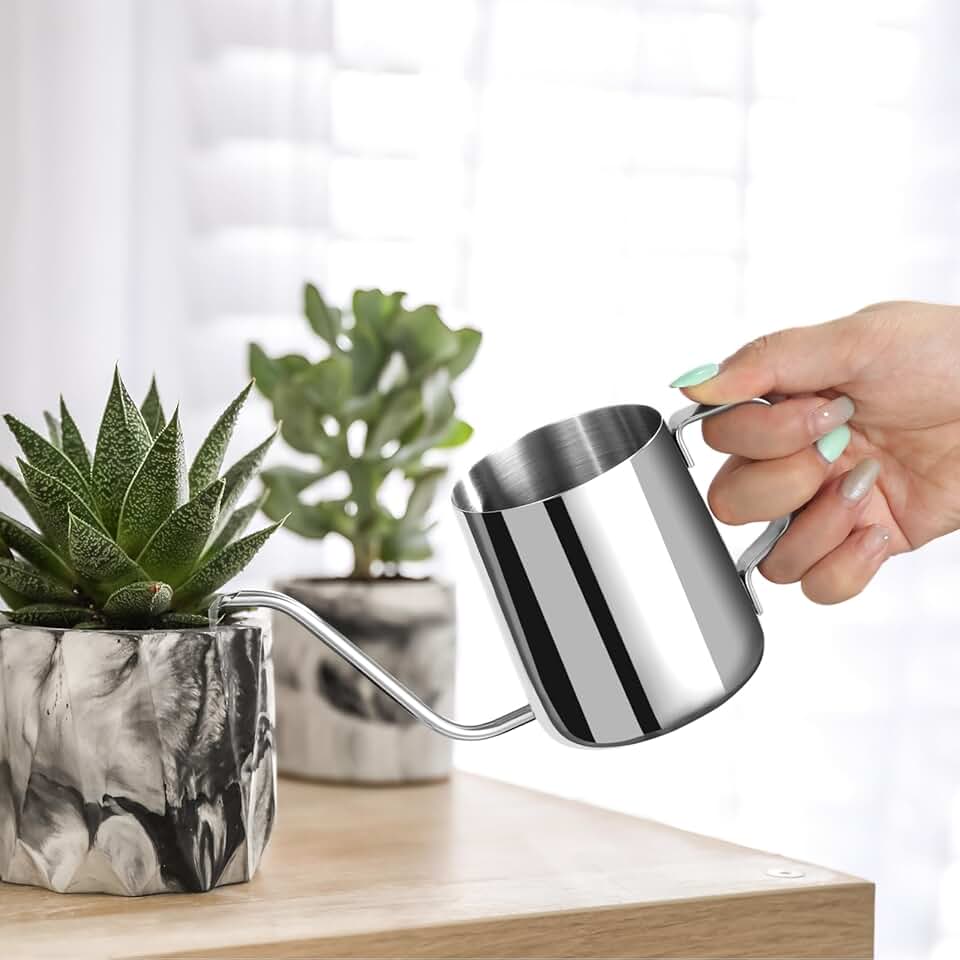
A gooseneck watering can with a narrow spout gives you precise control. This allows you to direct water exactly where it needs to go—at the soil level—rather than splashing the leaves, which can hold moisture and encourage fungal issues. For smaller, tighter pots, a simple squeeze bottle or a small cup works well to avoid overwatering.

As an Amazon Associate, we may earn from qualifying purchases.
Keep potted succulents alive
Most indoor succulents die from overwatering or low light rather than disease. These plants store water in their leaves, so they thrive on neglect more than attention. Treat them like desert survivors: give them light, let them dry out completely, and resist the urge to water on a strict schedule.
Stick your finger an inch into the soil. If it feels even slightly damp, wait another few days. Succulents prefer to dry out completely between waterings to prevent root rot.
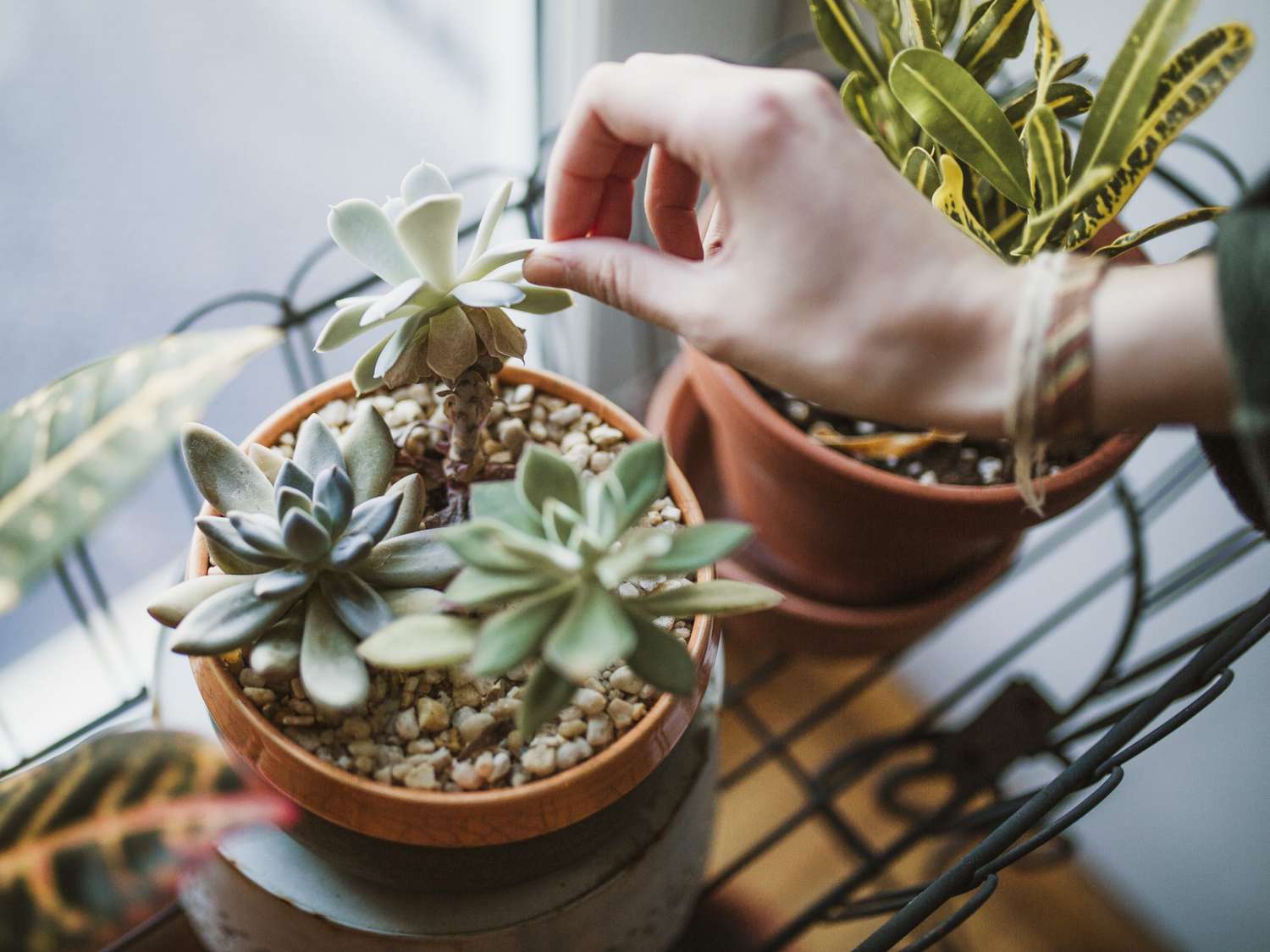
Place pots in a south-facing window where they get at least six hours of bright light. If leaves start stretching or turning pale, the plant is reaching for more light and needs to move closer to the source.
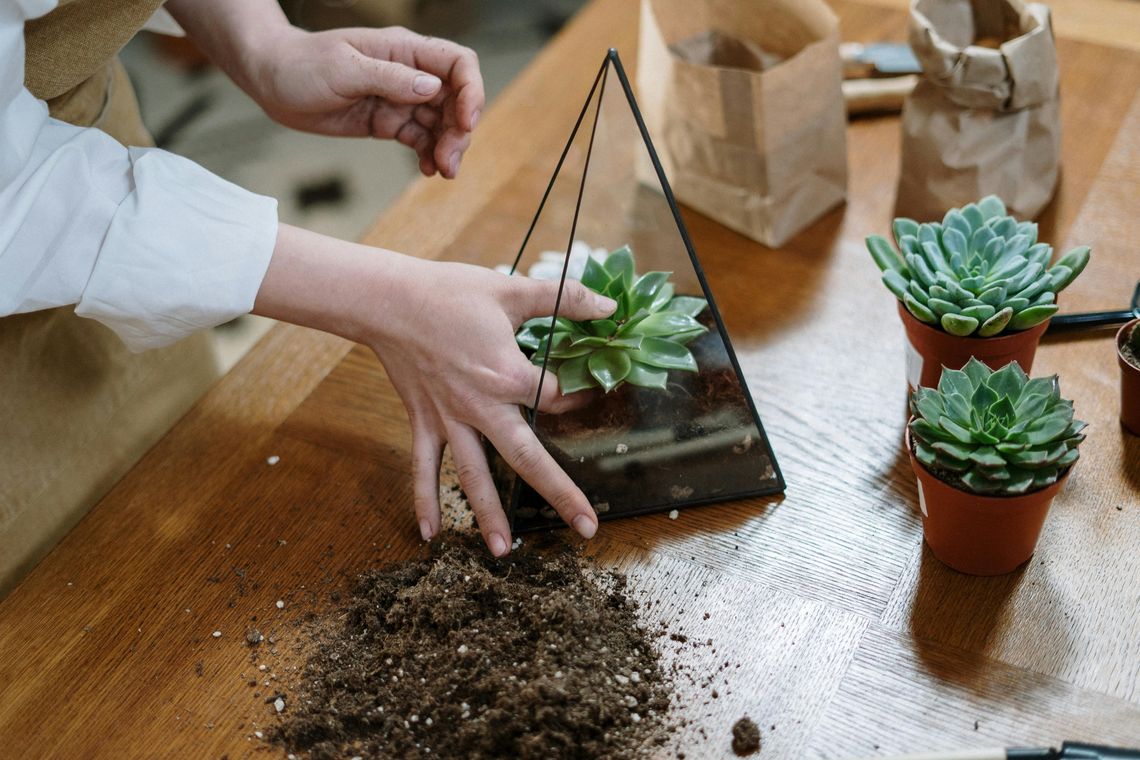
Never keep succulents in glass jars or decorative pots without holes at the bottom. Water needs a way to escape; otherwise, it pools at the base and rots the roots within days.
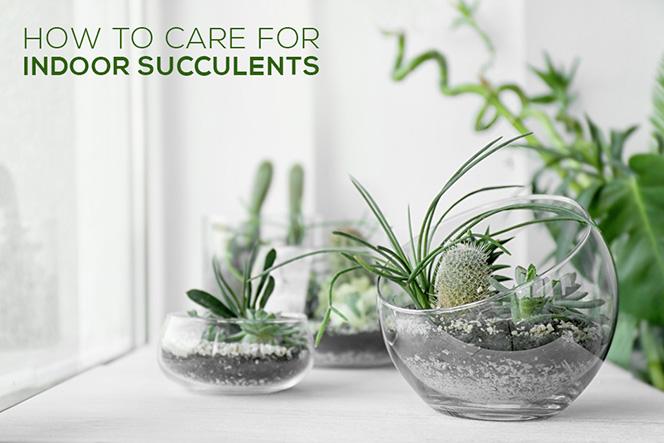
When you do water, soak the soil until it runs out the bottom, then empty the saucer. This encourages deep root growth and mimics rare desert rains.
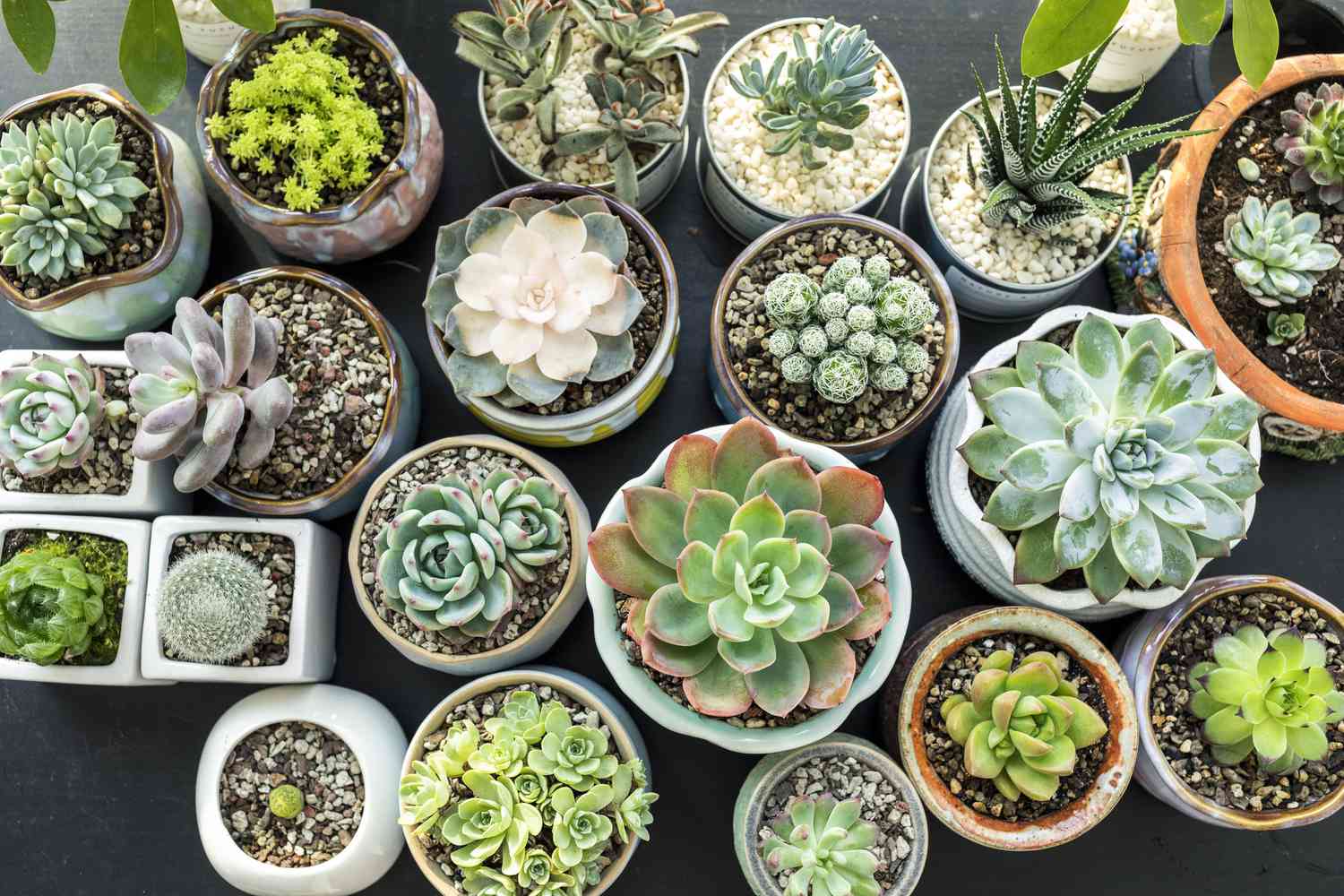
Succulents struggle in cold, stagnant air. Keep them away from drafty windows in winter and ensure good air circulation to prevent fungal issues.
Common succulent care: what to check next
Even hardy indoor succulents can struggle if basic care routines are off. The most common mistake is overwatering, which leads to root rot and yellowing leaves. Succulents store water in their leaves, so they thrive on neglect rather than frequent attention.
Here are the most frequent questions about keeping potted succulents alive indoors.
No comments yet. Be the first to share your thoughts!