

Why soil and pots matter
Most people blame their watering habits when a succulent turns mushy, but the real culprit is usually the pot and the soil. Succulents are built to survive in arid environments where water drains away quickly. If you plant them in standard potting mix or a container without drainage, the roots sit in a swamp. That constant moisture invites rot, which kills the plant far faster than any drought ever could.
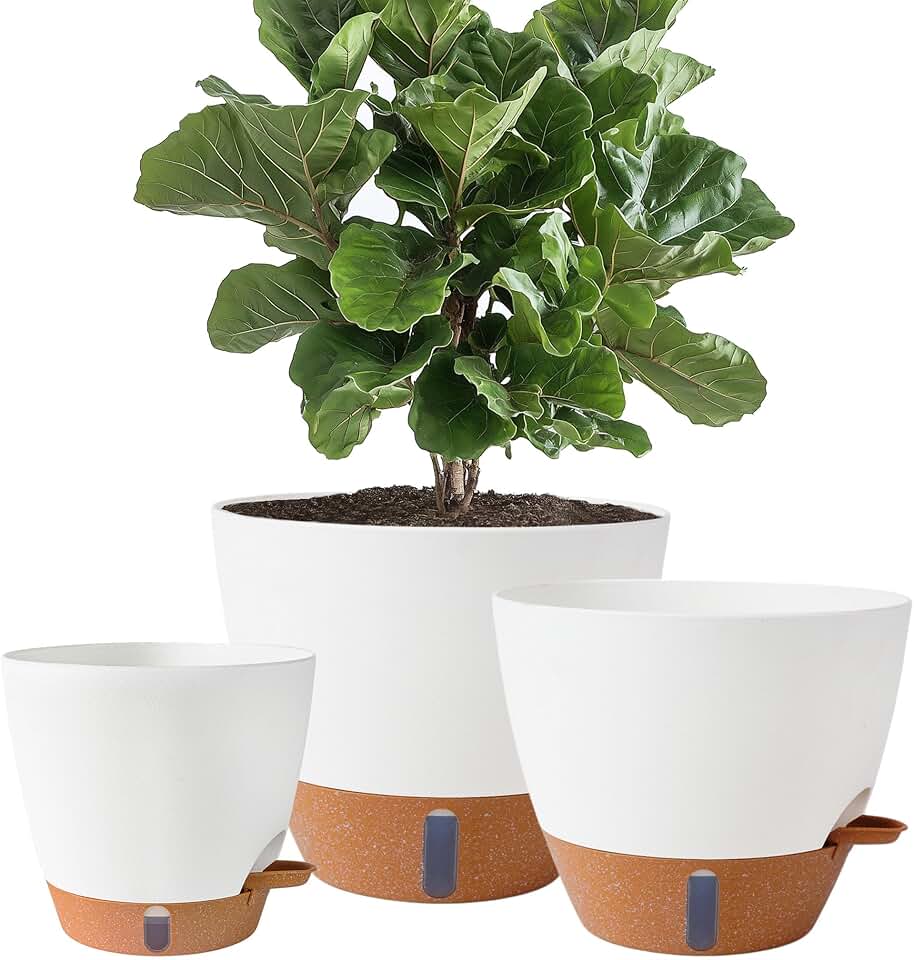
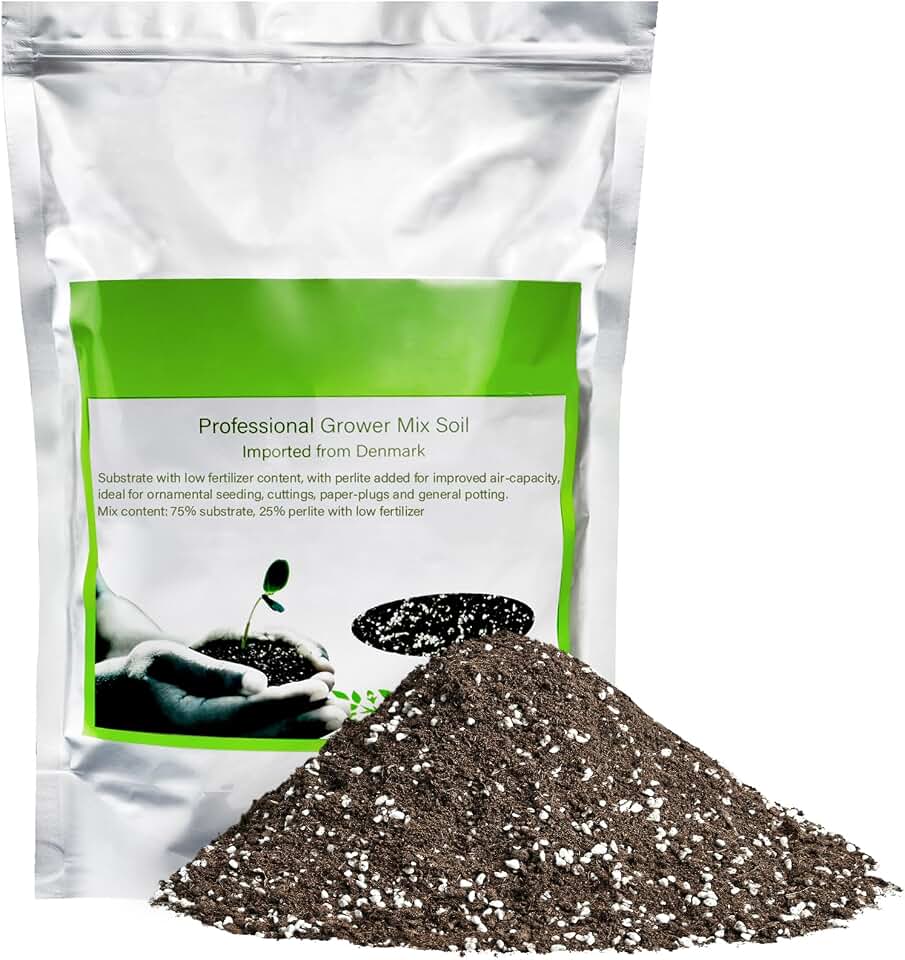
The solution is simple: drainage and aeration. You need a pot with a hole at the bottom and a soil mix designed for cacti and succulents. These mixes contain coarse materials like perlite, pumice, or grit that keep the soil loose and airy. This structure allows water to flow through the pot rapidly, leaving the roots dry and oxygenated between waterings. Without this physical setup, no amount of careful watering will save the plant.
When shopping for a succulent care kit, look for these physical components first. A ceramic pot with a drainage hole is better than a decorative glass vase with no hole. A bag of cactus mix is more important than a fancy liquid fertilizer. The foundation of healthy succulents is dry, fast-draining soil in a vented container.

As an Amazon Associate, we may earn from qualifying purchases.
Best succulent soil mixes
Use this section to make the Best Succulent Care Kits for Indoor Plants decision easier to compare in real life, not just on paper. Start with the reader's actual constraint, then separate must-have requirements from details that are merely nice to have. A practical choice should survive normal use, maintenance, timing, and budget. If a recommendation only works in an ideal situation, call that out plainly and give the reader a fallback path.
The simplest way to use this section is to write down the must-have criteria first, then compare each option against those criteria before weighing nice-to-have features.
Top pots for drainage
Best Succulent Care Kits for Indoor Plants works best as a clear sequence: define the constraint, compare the realistic options, test the tradeoff, and choose the path with the fewest hidden costs. That order keeps the advice usable instead of decorative. After each step, pause long enough to check whether the recommendation still fits the reader's actual situation. If it depends on perfect timing, unusual access, or a best-case budget, include a simpler fallback.
| Factor | What to check | Why it matters |
|---|---|---|
| Fit | Match the option to the primary use case. | A good deal still fails if it does not fit the job. |
| Condition | Verify age, wear, and service history. | Hidden condition issues erase upfront savings. |
| Cost | Compare purchase price with likely upkeep. | The cheapest option is not always the lowest-cost option. |
Essential propagation tools
Propagating succulents is less about complex horticulture and more about precision. You need the right tools to handle delicate leaves, scoop clean soil, and encourage roots without introducing rot. The difference between a successful propagation and a shriveled leaf often comes down to the equipment in your hand.
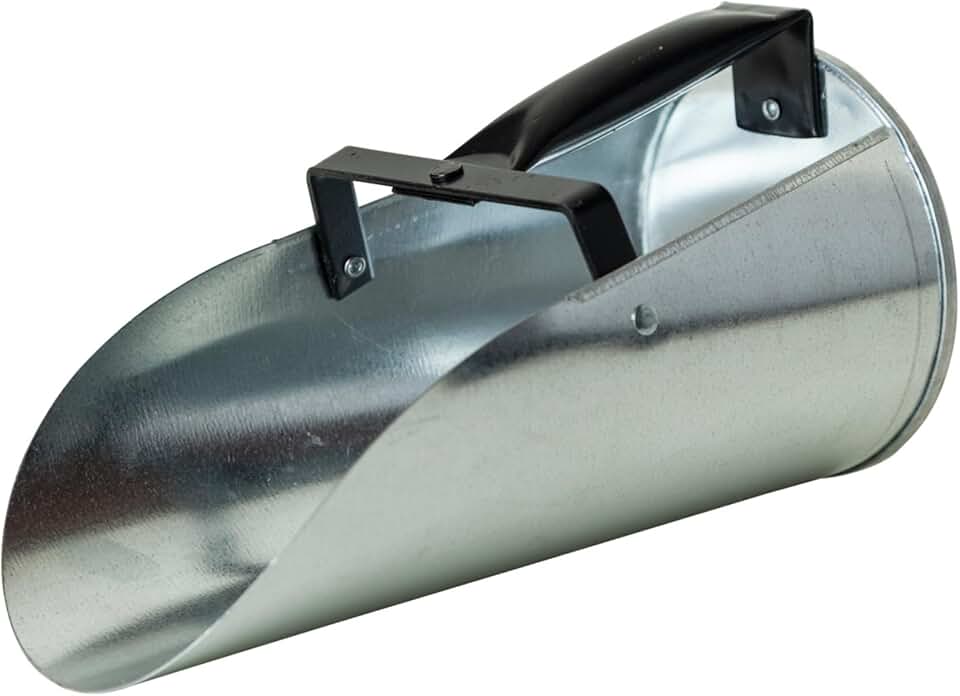
Start with a pair of sharp, fine-point tweezers. They allow you to pluck leaves cleanly from the stem without tearing the tissue, which is the first step in saving the leaf for propagation. For soil handling, a small metal scoop or a dedicated trowel ensures you can fill tiny pots without making a mess or compacting the mix too tightly.
Finally, consider rooting hormone. While many succulents root easily on their own, a dip in hormone powder can speed up the process for stubborn varieties or larger cuttings. Think of it as a head start rather than a necessity, but it pays off when you are trying to maximize your yield.


As an Amazon Associate, we may earn from qualifying purchases.
How to water succulents correctly
Watering is the single most common reason indoor succulents fail. These plants store moisture in their leaves and stems, meaning they are built for drought, not humidity. The goal isn’t to keep the soil damp; it’s to simulate a rare rainstorm followed by a long dry period.
1. Check the soil depth
Don’t water on a calendar schedule. Instead, stick your finger two inches into the soil. If it feels even slightly damp, wait. If it is completely dry, it’s time to water. This simple test prevents the "little blisters" that appear when roots sit in soggy dirt.
2. Use the soak and dry method
When the soil is bone dry, water thoroughly until it runs out of the drainage holes. This ensures the entire root ball is hydrated. Immediately dump out any water that collects in the saucer. Letting the pot sit in standing water invites root rot, which kills succulents faster than drought.
3. Adjust for your care kit
If you are using a self-watering succulent pot, the rules change slightly. These containers wick water from a reservoir, so you should only fill the bottom tank when you see the water level drop. Never let the soil sit in constant contact with the reservoir. If you use a standard drainage pot, the soak-and-dry method above applies strictly.
4. Watch the leaves
Your plants will tell you when they are thirsty. If the leaves look slightly wrinkled or soft, they are conserving water. If they are plump and firm, they are happy. Overwatering often shows up as yellowing leaves or a mushy base, which means you need to let the soil dry out completely before trying again.
Common succulent care: what to check next
Getting the environment right is often the difference between a thriving indoor garden and a shriveling one. These kits provide the tools, but the conditions depend on where you place them and how you handle seasonal changes.
How much light do succulents need?
Succulents require bright, indirect light to maintain their compact shape and vibrant colors. A south-facing window is ideal, but you should avoid placing the plants directly against cold glass in the winter, which can cause leaf damage. If the light is too dim, the stems will stretch and the leaves will spread out, a condition known as etiolation.
What is the best temperature range?
Most common succulents thrive in standard room temperatures between 60°F and 80°F (15°C–27°C). They appreciate a slight drop in temperature at night, which mimics their natural desert environment. However, they are sensitive to frost; keep them away from drafty windows or air conditioning vents during colder months.
How do I prevent pests?
The most common enemies are mealybugs and spider mites, which hide in the crevices between leaves. Inspect your plants regularly, especially new additions to your collection. If you spot pests, isolate the affected plant immediately and treat it with a cotton swab dipped in isopropyl alcohol to kill the insects on contact without harming the succulent.
No comments yet. Be the first to share your thoughts!