
Why drainage beats decoration
Succulents are often chosen for their sculptural beauty, but their survival depends on a single mechanical feature: drainage. Without an exit route for excess water, the soil remains saturated, creating an anaerobic environment that triggers root rot within days. This is the primary reason succulents fail indoors. Unlike houseplants that thrive in consistent moisture, succulents store water in their leaves and stems, evolving to survive in arid conditions where water is scarce and soil dries quickly.
The most common mistake is placing a succulent in a decorative ceramic pot without a hole. While these containers look stunning on a shelf, they act as traps. Water sits at the bottom, soaking the roots until they turn black and mushy. Once rot sets in, it is nearly impossible to save the plant. Aesthetic appeal should never override function. If you prefer decorative covers, use them as "cache pots" by keeping the plant in a simple plastic nursery pot with drainage holes, then placing that pot inside the decorative vessel.
Proper drainage requires a two-part system: a pot with a bottom hole and a fast-draining soil mix. Even with holes, standard potting soil holds too much moisture. It compacts over time, blocking airflow and retaining water around the roots. Instead, use a specialized cactus and succulent blend or mix regular potting soil with 50% inorganic material like perlite, pumice, or coarse sand. This ensures that when you water, the liquid flows through the soil and out the bottom, leaving the roots dry and aerated for the next session.
Callouts help flag critical care mistakes. Use them sparingly to highlight the most common pitfalls.
Clay vs. plastic pot choices that change the plan
Choosing between clay and plastic for your indoor succulents comes down to one main factor: how fast the soil dries out. Since root rot is the most common killer of houseplants, the pot material acts as the first line of defense against excess moisture. The right choice depends on your home's humidity levels and how often you forget to water.
Here is a direct comparison of the two materials to help you decide which fits your care style.
| Feature | Terracotta (Clay) | Plastic |
|---|---|---|
| Breathability | High (porous walls) | Low (non-porous) |
| Weight | Heavy, stable | Light, portable |
| Drying Speed | Fast (prevents rot) | Slow (holds moisture) |
| Cost | Higher upfront | Very affordable |
| Durability | Can chip/crack | Shatterproof |
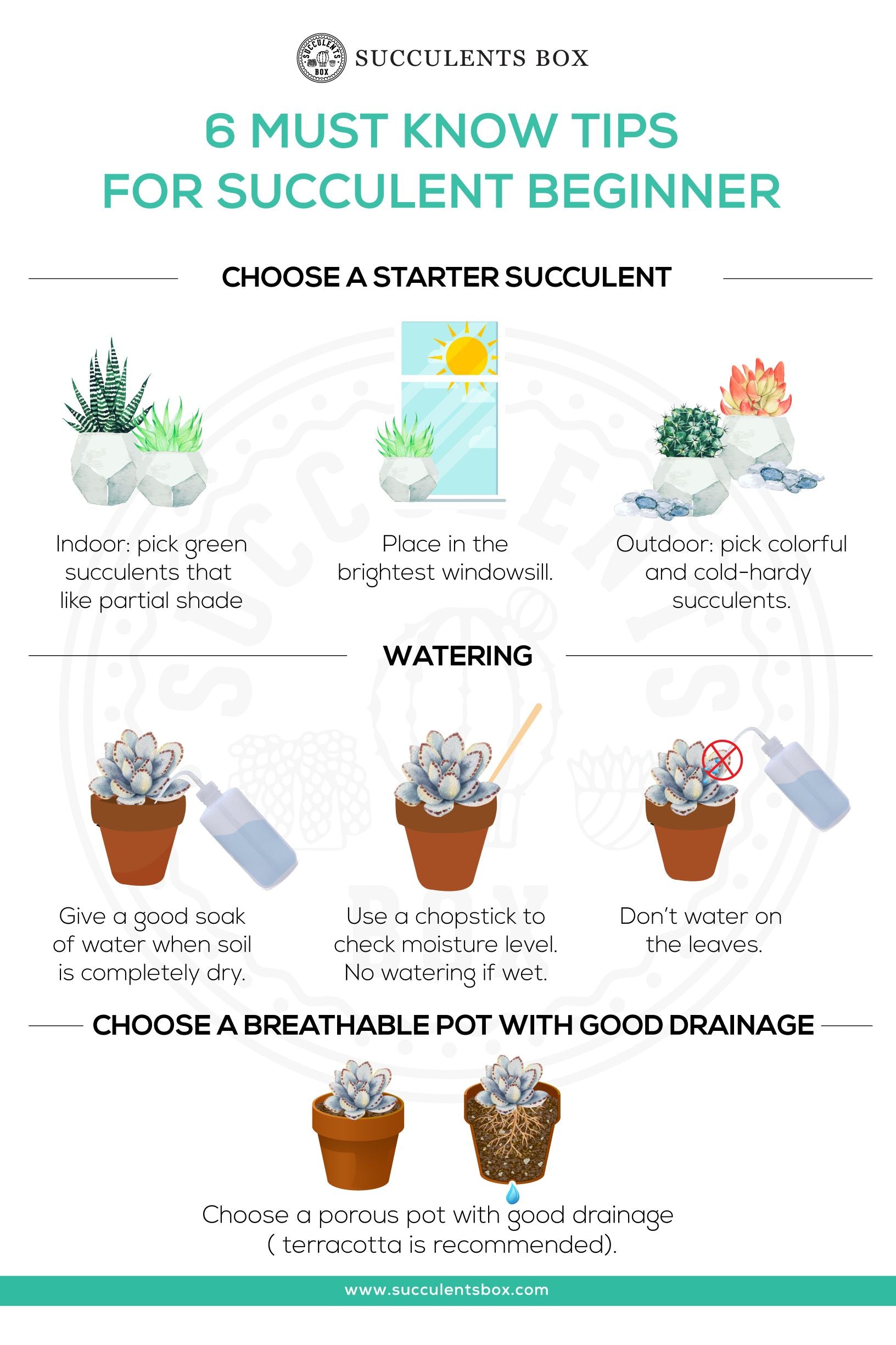
Terracotta is the gold standard for preventing rot. The unglazed clay is porous, allowing air to pass through the walls and evaporate excess water from the soil surface. This makes it ideal for humid homes or for beginners who tend to overwater. The trade-off is that the soil dries out quickly, meaning you will need to water more frequently. Terracotta is also heavy and can break if dropped.
Plastic pots are lightweight and retain moisture much longer. This is excellent for dry, hot environments or for succulents that prefer slightly damper soil, but it increases the risk of root rot in cool or humid rooms. Plastic is also cheaper and nearly impossible to break, making it a practical choice for moving plants around or for large collections.
Building a fast-draining soil mix
Use this section to make the Best Succulent Pots and Soil for Indoor Care decision easier to compare in real life, not just on paper. Start with the reader's actual constraint, then separate must-have requirements from details that are merely nice to have. A practical choice should survive normal use, maintenance, timing, and budget. If a recommendation only works in an ideal situation, call that out plainly and give the reader a fallback path.
The simplest way to use this section is to write down the must-have criteria first, then compare each option against those criteria before weighing nice-to-have features.
Top rated succulent pots and mixes
Use this section to make the Best Succulent Pots and Soil for Indoor Care decision easier to compare in real life, not just on paper. Start with the reader's actual constraint, then separate must-have requirements from details that are merely nice to have. A practical choice should survive normal use, maintenance, timing, and budget. If a recommendation only works in an ideal situation, call that out plainly and give the reader a fallback path.
The simplest way to use this section is to write down the must-have criteria first, then compare each option against those criteria before weighing nice-to-have features.
Quick succulent care checklist
Succulents are unforgiving if you rush the basics. The difference between a thriving display and a mushy mess usually comes down to one thing: drainage. If your pot doesn't let water escape, your plant will rot, no matter how much you love it.
Use this checklist to set up your indoor succulents for long-term health. Each step targets the most common cause of failure: waterlogged soil.
Never plant succulents in a container without holes. If you love a decorative pot without drainage, keep the plant in a plastic nursery pot and nest it inside. This traps excess water away from the roots.
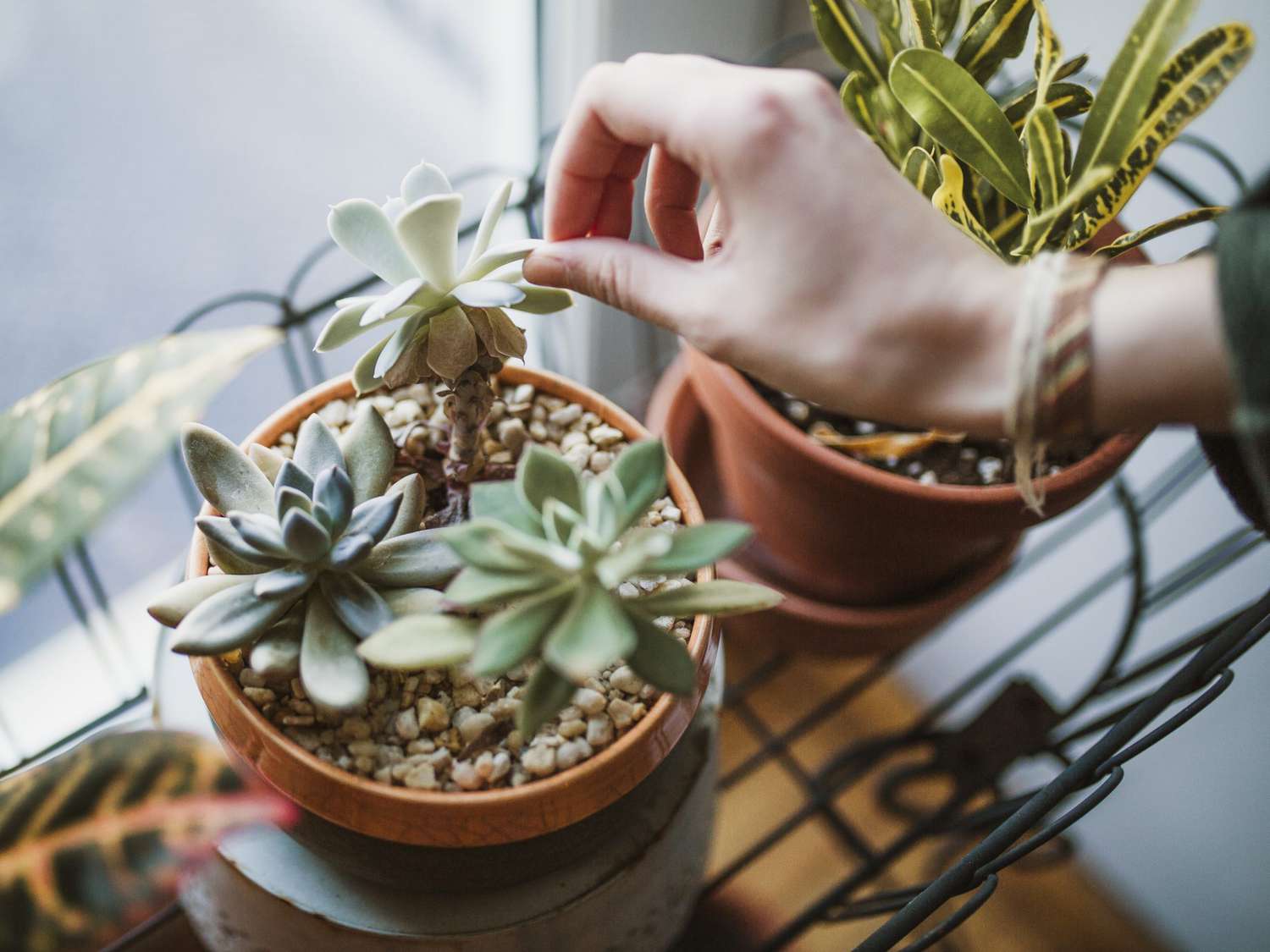
Standard potting soil holds too much moisture. Use a cactus and succulent mix, or amend regular soil with 50% perlite or pumice. The goal is to create a gritty medium that dries out completely between waterings.
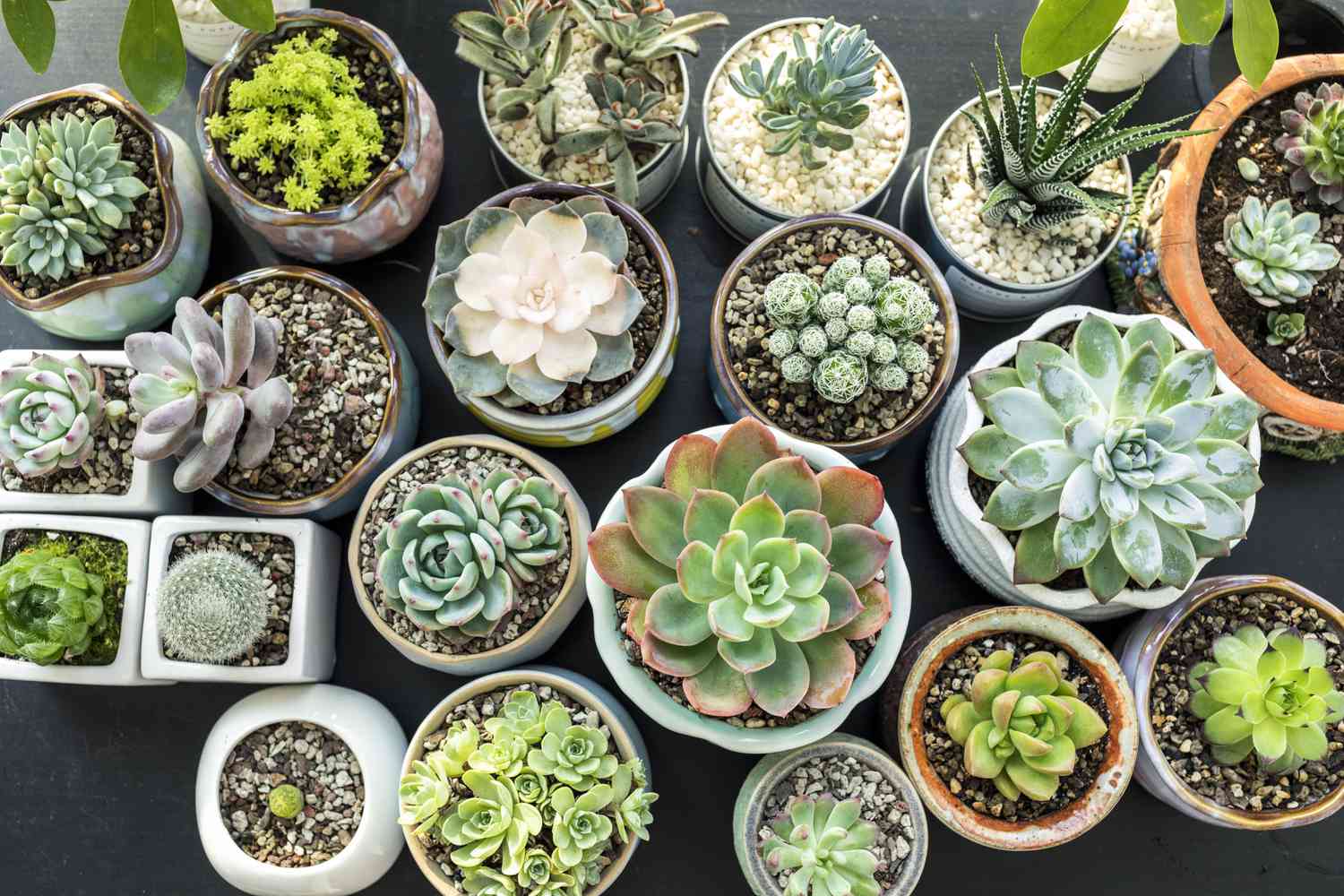
Do not water on a schedule. Stick your finger two inches into the soil; if it feels damp, wait. When you do water, soak it thoroughly until water runs out the bottom, then empty the saucer immediately.
Most succulents need about six hours of light daily. A south-facing window is ideal, but if the summer sun is too intense, pull a sheer curtain to prevent leaf burn. Leggy, stretched stems mean the plant is starving for light.
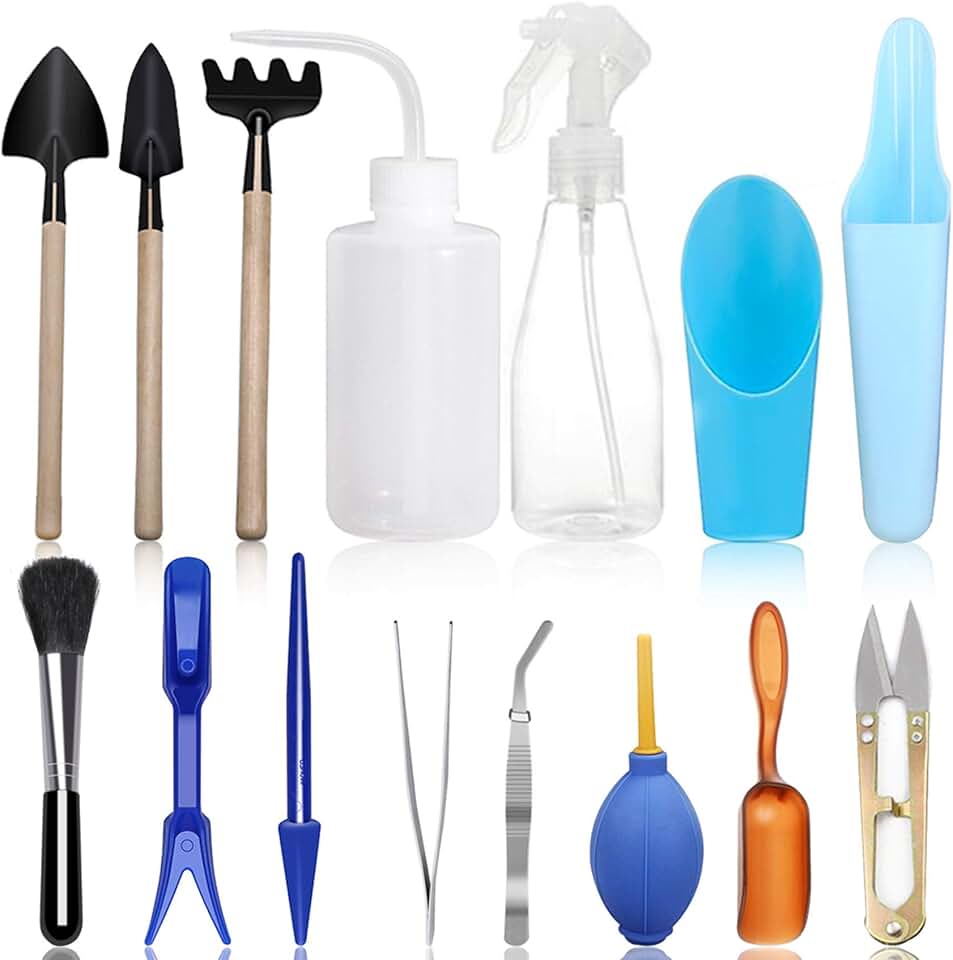
Helpful gear
Use these product recommendations as a starting point, then choose the size, material, and price point that fit how you actually use the gear.
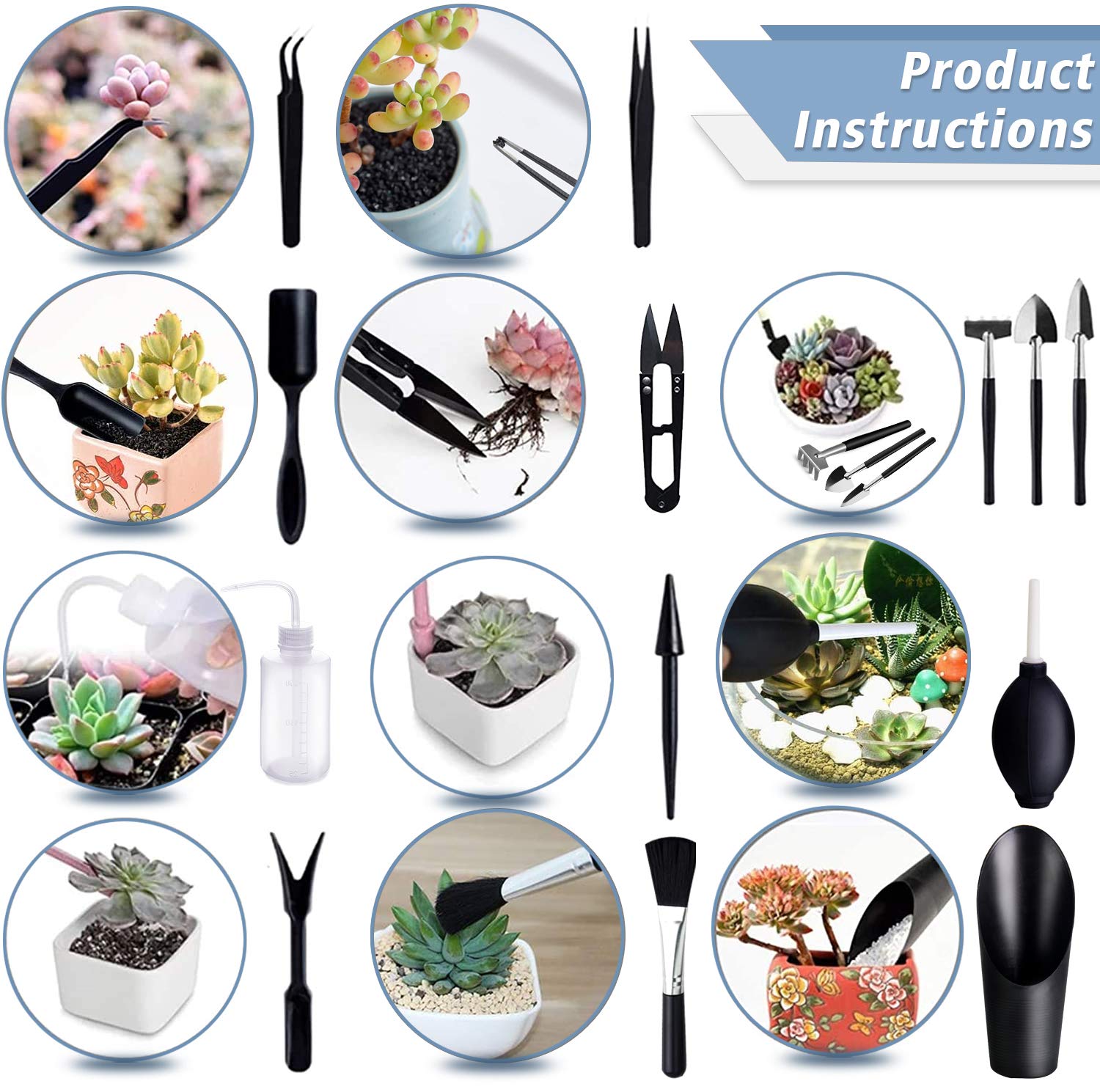
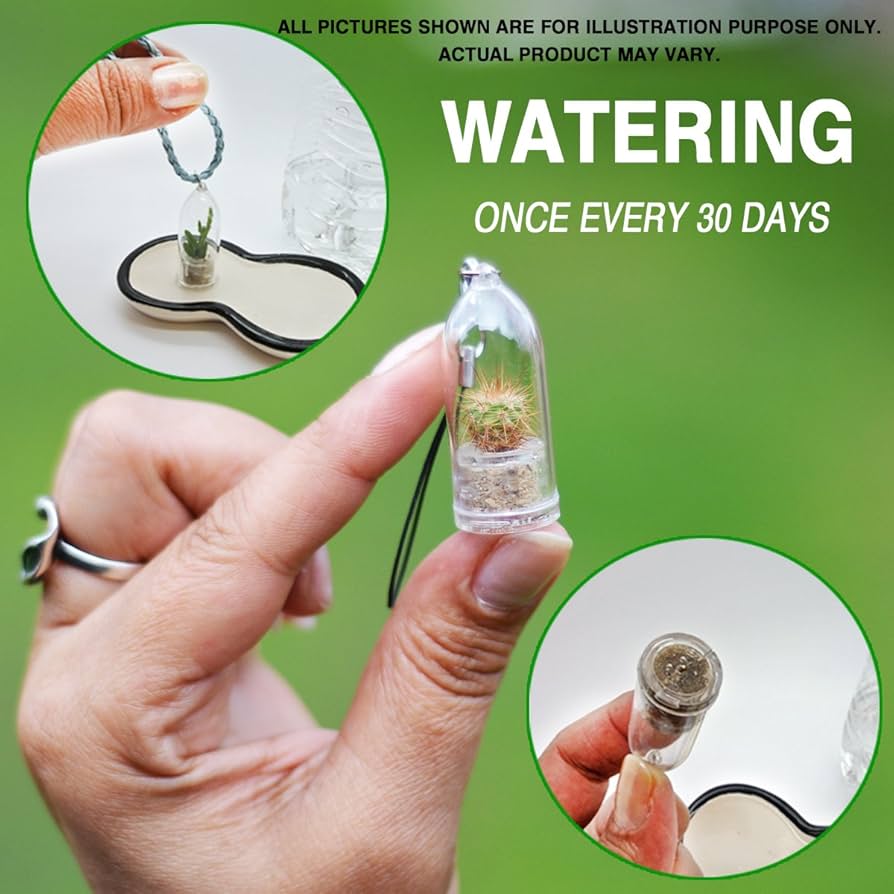
As an Amazon Associate, we may earn from qualifying purchases.
No comments yet. Be the first to share your thoughts!