

Budget, age, and condition choices that change the plan
Succulent care costs are deceptive. A $4 plant from a big-box store often costs more in the long run than a $15 specimen from a nursery. The budget trap isn't the purchase price; it's the hidden cost of replacing plants that die from poor initial health or unsuitable soil.
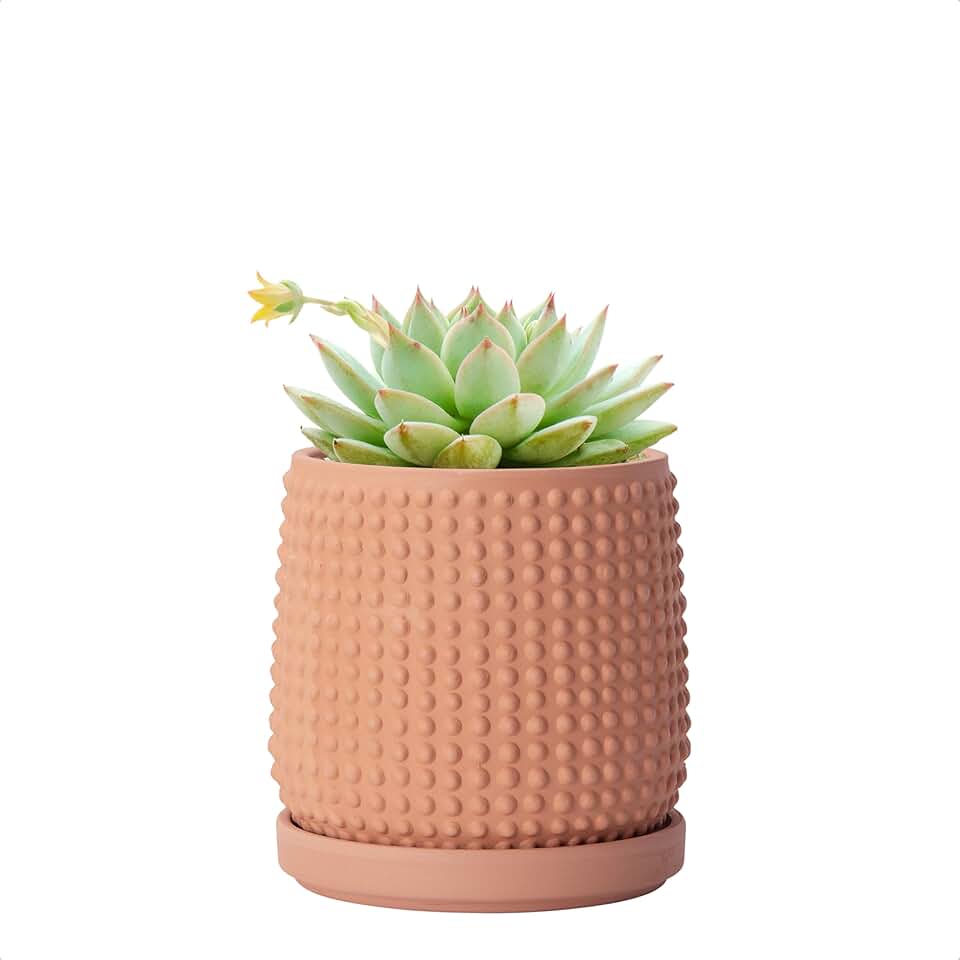
When shopping, prioritize plant condition over pot aesthetics. Avoid anything with mushy leaves, dark stems, or soil that smells like mildew. These are signs of root rot, which is expensive and difficult to cure. A healthy, established plant from a reputable grower will outlast a cheap, stressed starter, even if the starter came in a decorative ceramic pot.
Age matters for long-term value. Juvenile succulents are cheaper but take years to fill out. Mature plants cost more upfront but provide immediate impact and are generally more resilient to watering mistakes. If you are on a tight budget, buy small, healthy plants and pair them with affordable, well-draining soil mixes rather than expensive containers.

As an Amazon Associate, we may earn from qualifying purchases.
Invest in the soil first. Cheap, dense garden soil suffocates roots. A basic, gritty mix is all you need to keep plants alive, regardless of how much you spend on the pot itself.
Compare the Best Succulent Soil, Pots, and Watering Tools
Choosing the right setup prevents the two biggest killers of indoor succulents: root rot and sunscald. Instead of guessing, you can compare specific product types side-by-side to see which features match your home’s light and humidity.
The table below breaks down the three essential components of a healthy succulent ecosystem. Each row highlights a concrete feature to check before buying, ensuring you avoid common pitfalls like poor drainage or nutrient-heavy soils.
| Component | Best For | Key Feature to Check | Common Mistake |
|---|---|---|---|
| Potting Soil | Root health and drainage | High grit content (perlite/pumice) at 50%+ | Using standard potting mix which retains too much moisture |
| Terracotta Pot | Preventing overwatering | Un-glazed clay that breathes and wicks excess water | Choosing glazed ceramic pots without drainage holes |
| Watering Tool | Precision and control | Long, narrow spout for reaching deep into soil | Using a watering can with a wide rose that splashes leaves |
Inspect the expensive parts
Most succulent losses happen because of a few preventable issues: waterlogged soil, poor drainage, or pests hiding in the roots. Catching these early saves money on replanting and keeps your collection healthy. Follow this checklist to spot trouble before it spreads.
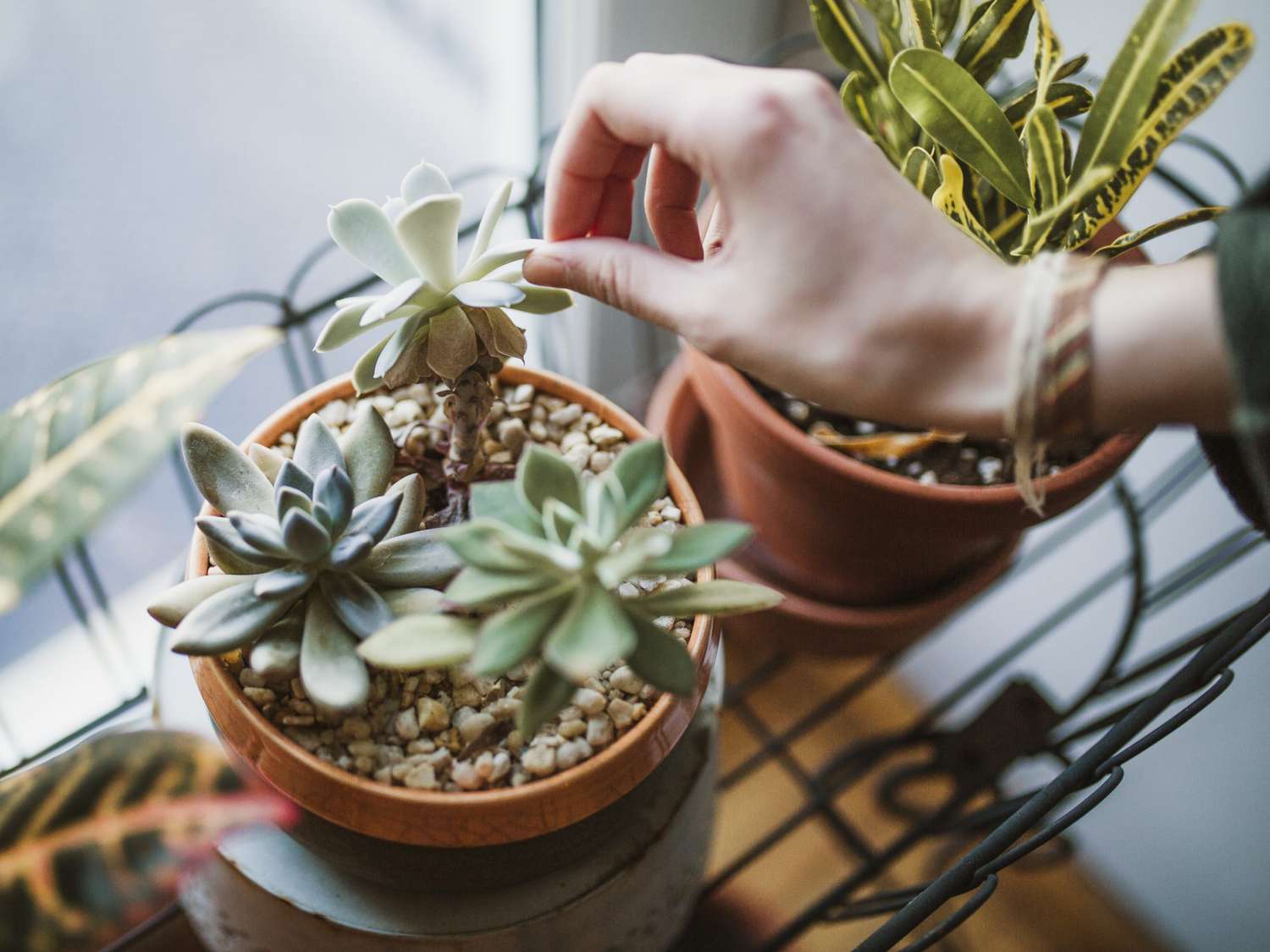
Stick your finger an inch into the soil. If it feels damp or cool, wait. Succulents store water in their leaves, so they prefer to dry out completely between waterings. Wet soil is the fastest route to root rot, which is often fatal and expensive to fix.
Look for soft, translucent, or mushy leaves. These are signs of overwatering or rot. Shriveled, wrinkled leaves mean the plant is dehydrated and needs a soak. Check the stem base for black or brown spots, which indicate the rot has moved underground.
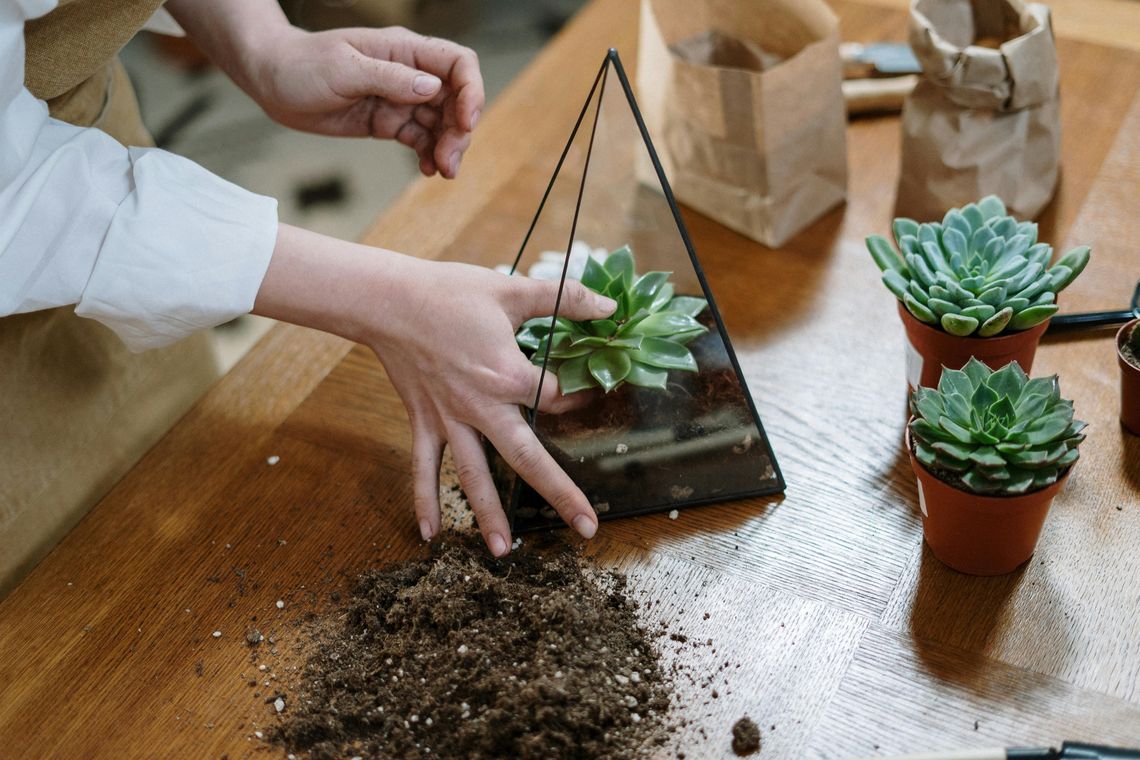
Lift the lower leaves and check the stem junctions. White, cottony clusters are mealybugs. Tiny red or brown specks that move are spider mites. These pests suck sap and can kill a plant quickly. Isolate affected plants immediately and treat with neem oil or insecticidal soap.
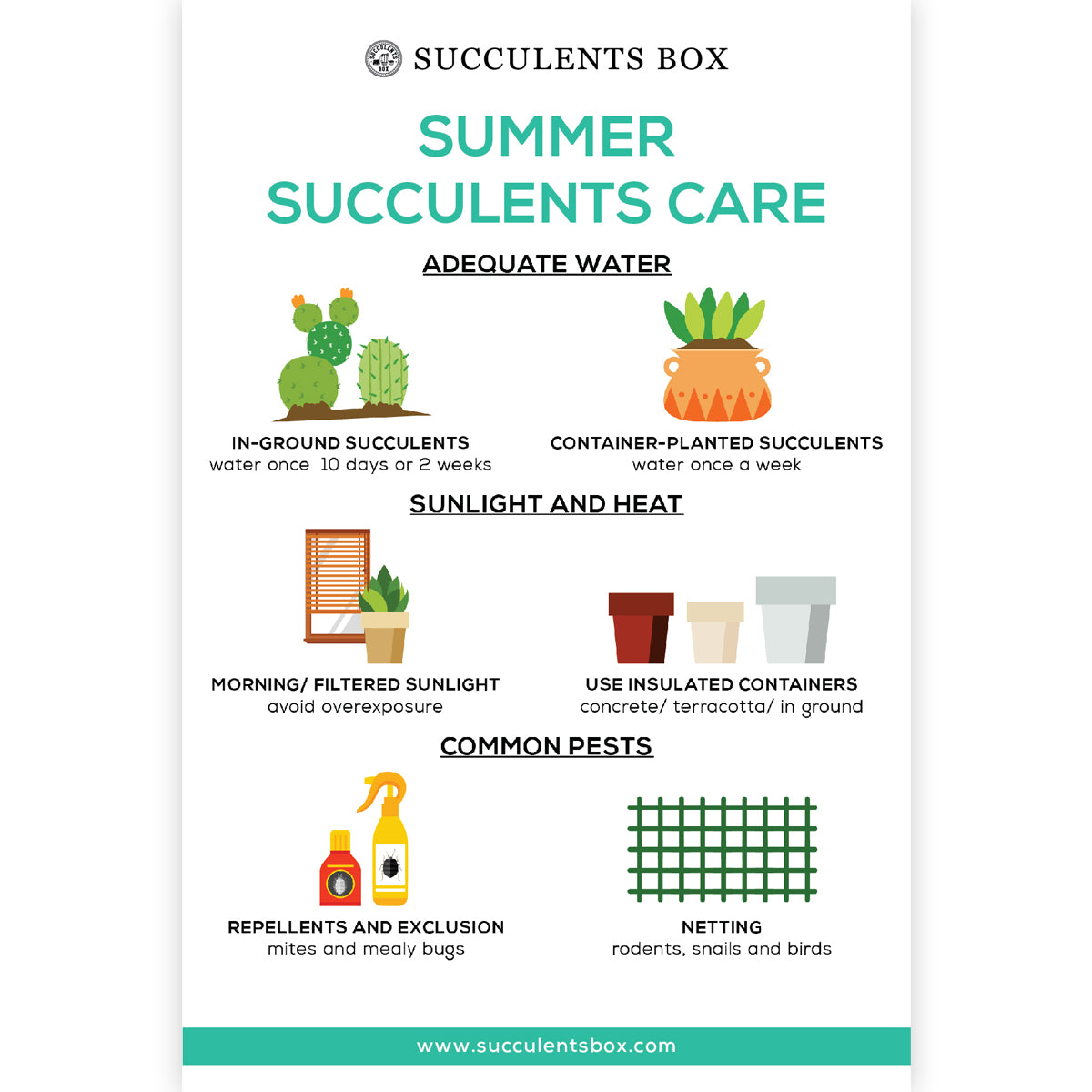
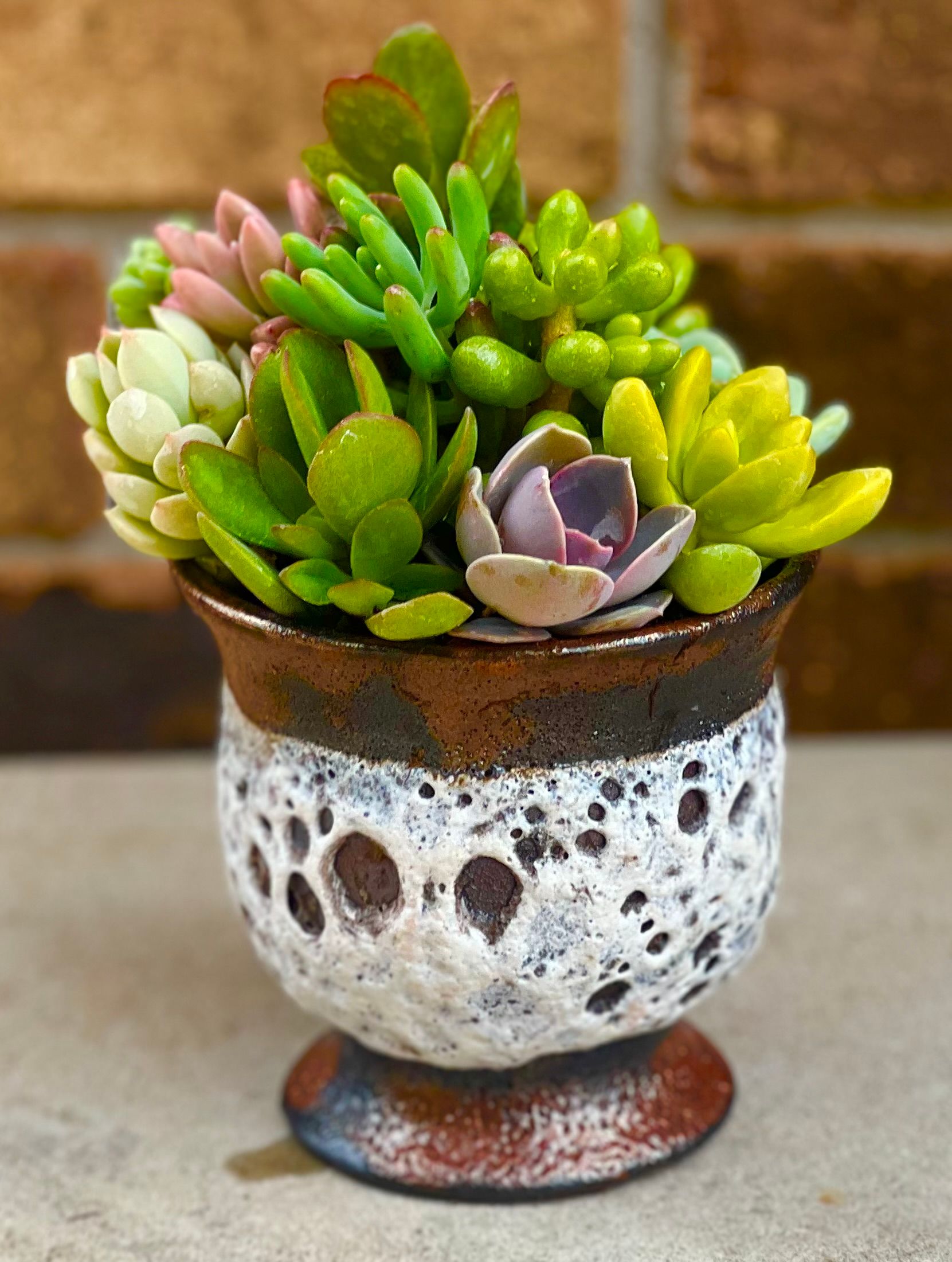
Ensure every pot has drainage holes. If your decorative pot lacks holes, keep the plant in a plastic nursery pot inside it. Water sitting at the bottom of a pot without an exit route will suffocate roots within days. This is a common beginner mistake that leads to unnecessary plant loss.
If the plant feels unstable or the soil smells musty, gently remove it from the pot. Healthy roots are white and firm. Rotting roots are black, slimy, and fall apart easily. Trim away all dead roots with sterile scissors, let the plant callus for a day, then repot in fresh, dry succulent mix.
Plan for ownership costs
A cheap succulent can become expensive quickly if the pot or soil fails. The initial price of the plant is often the smallest part of keeping it alive. Overwatering is the most common mistake, and it usually stems from using soil that holds too much water or pots without drainage. When roots sit in mud, they rot, and the plant dies within weeks. Replacing a dead plant is not just a matter of buying a new one; it is also the cost of lost time and effort.
The real cost comes from maintenance surprises. You might need to repot the plant into a larger container as it grows, or replace the soil mix every year or two because it breaks down and compacts. Cheap, non-porous ceramic pots often lack drainage holes, forcing you to buy a plastic nursery pot anyway or drill holes yourself. This adds hidden costs that a budget-friendly purchase didn't account for.
To keep costs down, start with the right basics. A well-draining cactus mix and a plastic pot with drainage holes cost very little but prevent the most expensive failure: root rot. If you prefer decorative pots, use them as "cache pots" by keeping the plant in its simple nursery pot inside the decorative one. This way, you can control watering easily and avoid water damage to your furniture or the plant itself.


As an Amazon Associate, we may earn from qualifying purchases.
Choosing the right pot is an investment in the plant's longevity. A $5 plastic pot with proper drainage is better than a $20 decorative pot that kills the plant. The cost of a new plant is far higher than the cost of a basic, functional container. By planning for these small, upfront costs, you avoid the recurring expense of replacing dead succulents and the frustration of failed care routines.
No comments yet. Be the first to share your thoughts!