

Pick the right succulent for your home
Choosing the best indoor succulents starts with matching the plant to your home’s light conditions. Most varieties need bright, indirect light to thrive, ideally receiving about six hours of sunlight daily. South-facing windows provide the most intensity, but you should avoid placing the pots directly against cold glass in winter, which can shock the leaves.
If you have a bright, sunny spot, or are excellent choices. These varieties tolerate high light well and stay compact. For hallways or rooms with lower light, or will survive where other varieties might struggle, though they won’t flower as vibrantly.
Always prioritize drainage. Whether you pick a Haworthia or an Echeveria, ensure the pot has a hole at the bottom and use a gritty, well-draining soil mix. This simple step prevents root rot, the most common cause of failure for indoor succulent growers.
Best soil mixes for drainage
Use this section to make the Best Indoor Succulents decision easier to compare in real life, not just on paper. Start with the reader's actual constraint, then separate must-have requirements from details that are merely nice to have. A practical choice should survive normal use, maintenance, timing, and budget. If a recommendation only works in an ideal situation, call that out plainly and give the reader a fallback path.
The simplest way to use this section is to write down the must-have criteria first, then compare each option against those criteria before weighing nice-to-have features.
Choose the Right Pot Material
The container you select acts as the primary regulator for your succulent's root system. Unlike leafy houseplants, succulents store water in their leaves and stems, making them highly susceptible to root rot if the soil stays wet for too long. The material of the pot determines how quickly that moisture evaporates, which is often more important than the watering schedule itself.
We compare the three most common pot materials below to help you decide which fits your home's lighting and humidity levels.
| Material | Drainage Speed | Weight | Best Use Case |
|---|---|---|---|
| Terracotta | Fast | Heavy | Humid climates or low-light rooms |
| Ceramic (Glazed) | Moderate | Very Heavy | Stable decor in dry, bright spaces |
| Plastic | Slow | Light | Beginners or hanging installations |
Why Drainage Holes Are Non-Negotiable
No matter how expensive the ceramic is, if it lacks a drainage hole, it is a trap for water. Excess water needs a way to escape the soil after watering; without it, the bottom layer of soil remains saturated, creating an anaerobic environment where root rot bacteria thrive.
If you prefer a decorative container without holes, use the "cache pot" method: keep the succulent in a cheap plastic nursery pot with drainage, and place that inside the decorative vessel. This allows you to remove the inner pot for watering, let it drain completely, and then place it back.
Terracotta vs. Ceramic
Terracotta is unglazed clay, which is naturally porous. It allows air to pass through the walls of the pot, helping the soil dry out faster. This makes it ideal for humid environments or if you tend to overwater. However, it is lightweight and can crack in freezing temperatures.
Glazed ceramic pots are sealed, meaning they retain moisture longer. They are heavier and more stable, which is good for tall, top-heavy succulents like Aloe or Agave. In dry, bright rooms (like a south-facing window), ceramic works well because the plant won't dry out too quickly. In dimmer conditions, the slower drying time of ceramic can be a risk factor.
The Role of Light in Pot Selection
Light intensity directly influences how fast your pot’s material affects your plant. In bright, indirect light (such as a south or west-facing window), water evaporates quickly from both the soil and the pot walls. In these conditions, you can safely use ceramic or plastic pots without fear of the plant drying out too fast.
In lower light conditions, evaporation slows down. Here, the porosity of terracotta becomes a critical feature. The extra airflow through the clay walls compensates for the lack of light-driven evaporation, keeping the roots healthier. If you are growing succulents in a north-facing room or a corner with poor light, terracotta is the safer choice to prevent rot.
Watering and light basics
Succulents are built for drought, not daily sips. The most common mistake beginners make is watering on a schedule or waiting until the soil is bone dry. This approach often leads to inconsistent moisture levels that stress the plant. Instead, use the soak-and-dry method: water thoroughly until it flows out of the drainage holes, then wait until the top half-inch of soil is dry before watering again [src-serp-5].
This method mimics the natural rainfall patterns of arid regions. It ensures the roots get enough moisture without sitting in soggy soil, which causes root rot [src-serp-8]. For most indoor varieties, this cycle typically happens every 10 to 14 days, depending on your home's humidity and temperature. Always check the soil with your finger or a moisture meter before reaching for the watering can.
Light placement is equally critical. Succulents need bright, indirect light to maintain their shape and color. A south-facing window is ideal, but you can also use a sheer curtain to filter harsh afternoon sun that might scorch the leaves. Rotate the pot a quarter turn every week to prevent the plant from leaning toward the light source [src-serp-1].
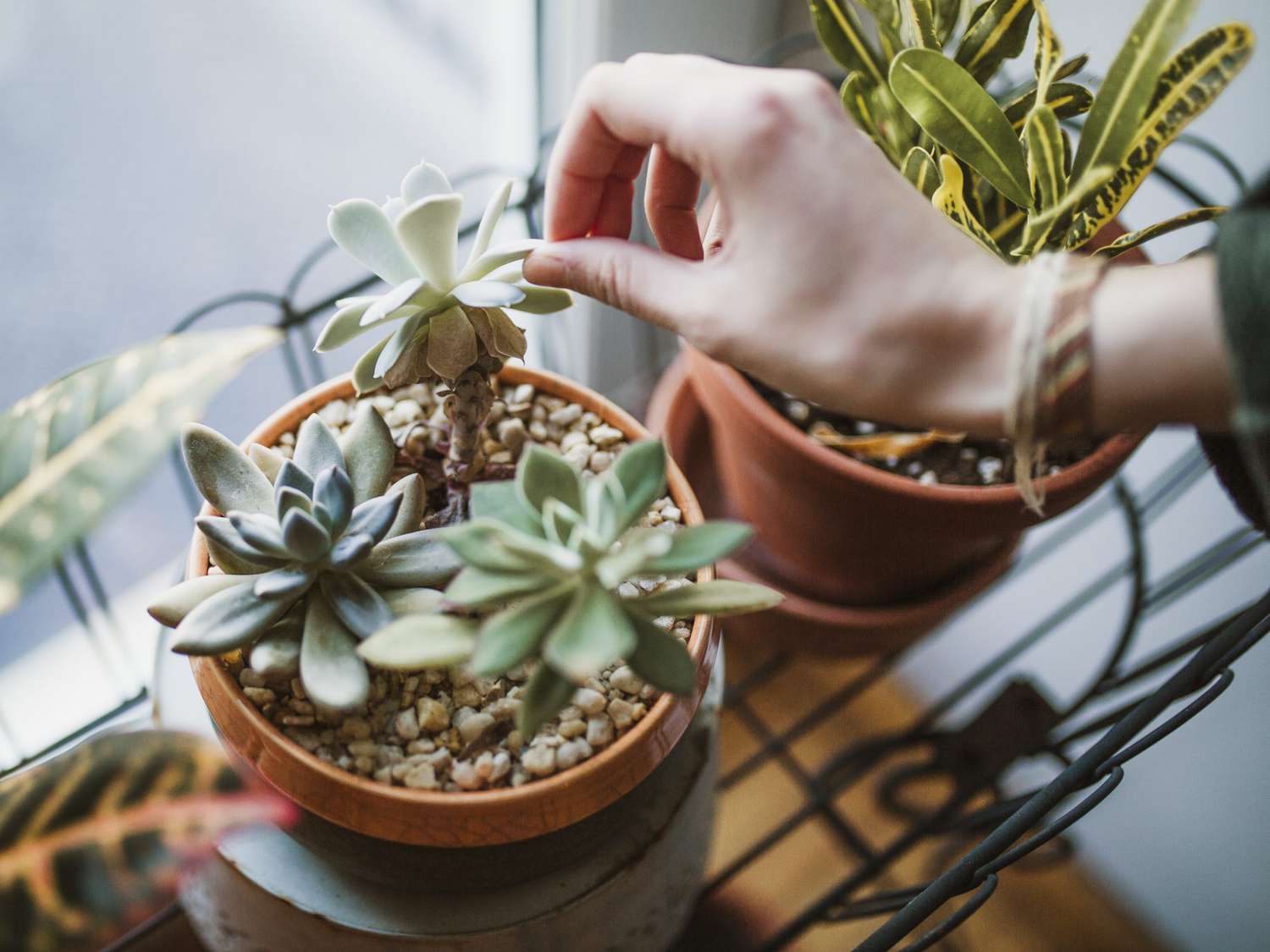
Insert your finger about an inch into the soil. If it feels dry, it is time to water. If it feels damp, wait another few days.
Slowly pour water directly onto the soil, avoiding the leaves. Continue until water exits the drainage holes at the bottom of the pot.
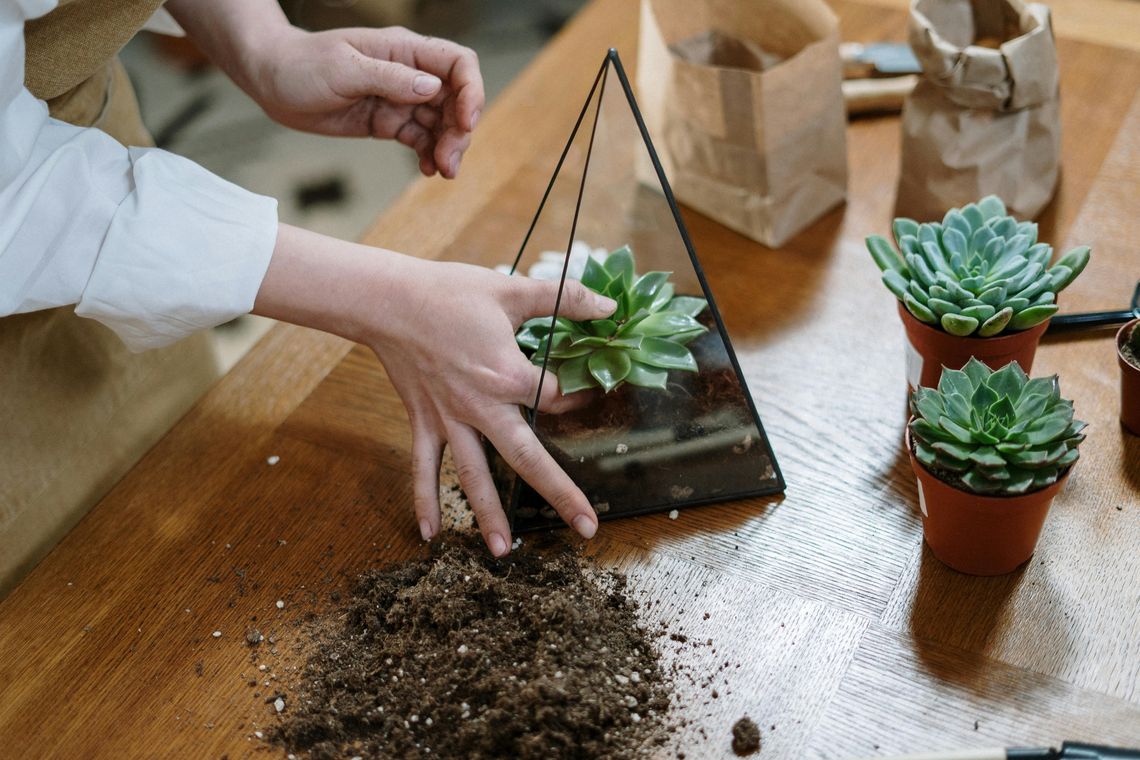
Never let the plant sit in a saucer of standing water. Empty any excess water from the cache pot or saucer within 15 minutes to prevent root rot.
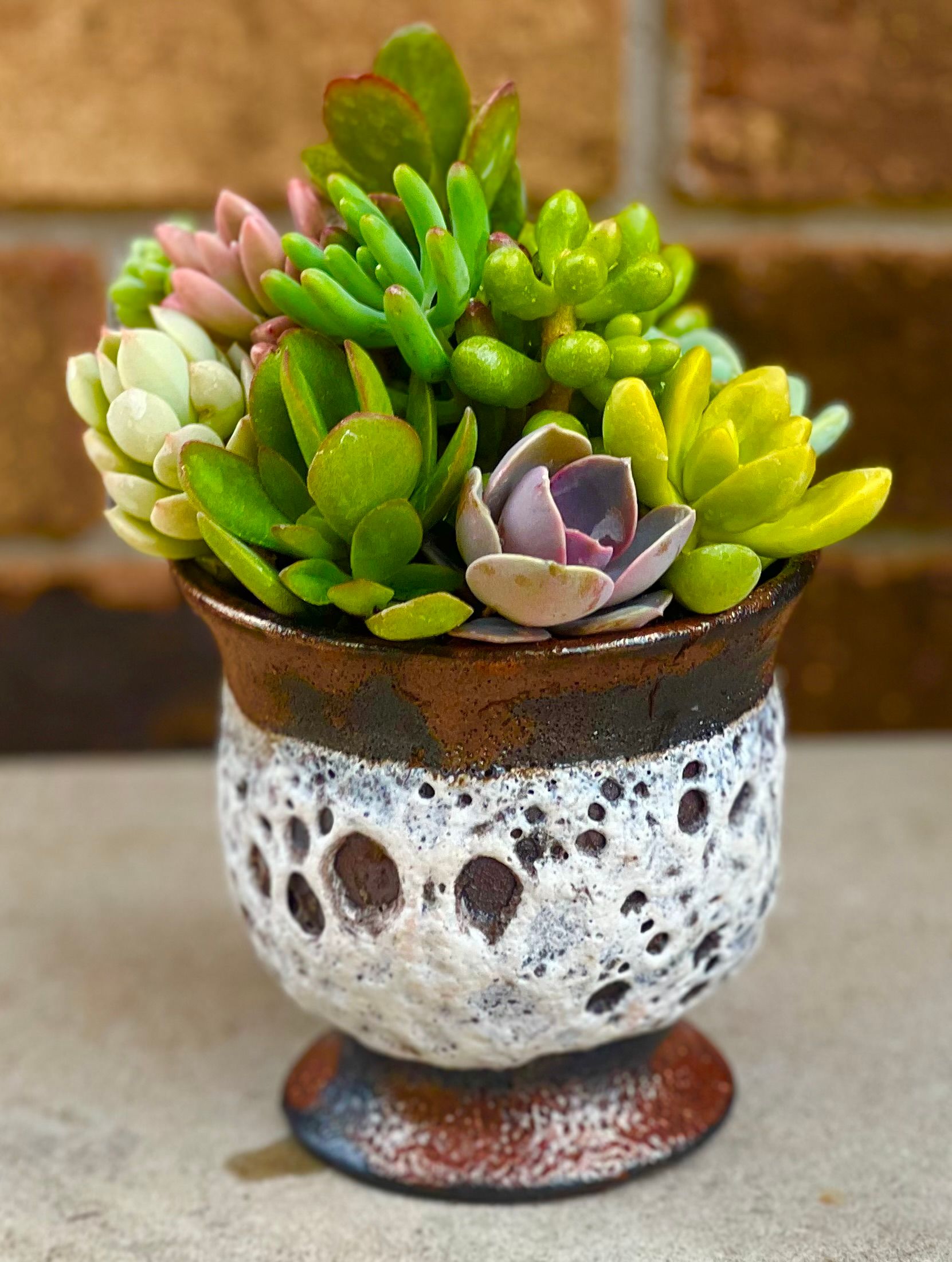
Place the pot in a bright window. Rotate it slightly every week to ensure even growth and prevent the plant from becoming lopsided.
Shop these top-rated succulents
Use this section to make the Best Indoor Succulents decision easier to compare in real life, not just on paper. Start with the reader's actual constraint, then separate must-have requirements from details that are merely nice to have. A practical choice should survive normal use, maintenance, timing, and budget. If a recommendation only works in an ideal situation, call that out plainly and give the reader a fallback path.
The simplest way to use this section is to write down the must-have criteria first, then compare each option against those criteria before weighing nice-to-have features.
Common succulent care: what to check next
Yellowing leaves usually signal overwatering or poor drainage. Succulents store water in their leaves, so soggy soil causes them to swell and burst. Ensure your pot has drainage holes and use a gritty mix like the Espoma Organic Cactus Soil to keep roots dry between waterings.
Pests like mealybugs hide in leaf crevices and soil. Inspect new plants before placing them near your collection. Treat infestations with 70% isopropyl alcohol on a cotton swab or a neem oil spray, targeting the white, cottony clusters.
Watering frequency depends on light and season. In bright light, water deeply when the top inch of soil is dry. In low light, wait until the soil is completely dry to prevent rot. Always empty the saucer after watering.
Helpful gear
Use these product recommendations as a starting point, then choose the size, material, and price point that fit how you actually use the gear.

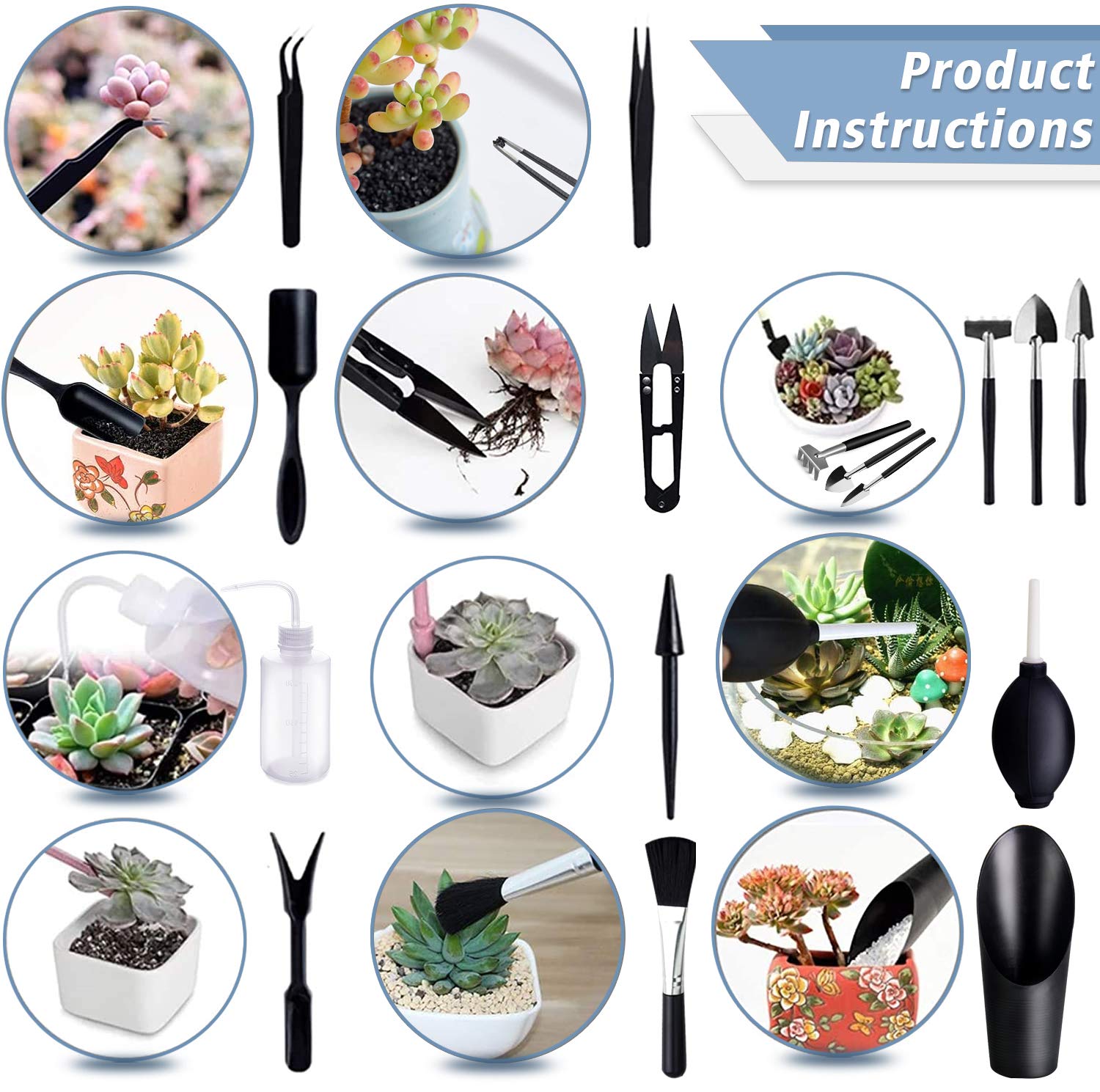
As an Amazon Associate, we may earn from qualifying purchases.
No comments yet. Be the first to share your thoughts!