

Why drainage matters most
Standard potting soil is designed to hold water, acting more like a sponge than a drainage medium. For most houseplants, this moisture retention is beneficial, but for indoor succulents, it is a death sentence. When roots sit in wet, dense earth, they cannot breathe, leading to soggy roots and rapid onset of root rot.
Succulents evolved in arid environments where water disappears quickly. They require a gritty, fast-draining mix that mimics their natural habitat. The single most important portion of any succulent soil is the grit—materials like perlite, pumice, or coarse sand. This grit keeps the substrate airy, allowing water to flow through immediately rather than pooling around the roots.
If you use a mix that stays wet for days, even a careful watering schedule can kill the plant. A proper succulent soil mix ensures that excess moisture escapes within minutes, leaving just enough humidity for the roots to thrive without drowning.
Best pre-mixed succulent soils
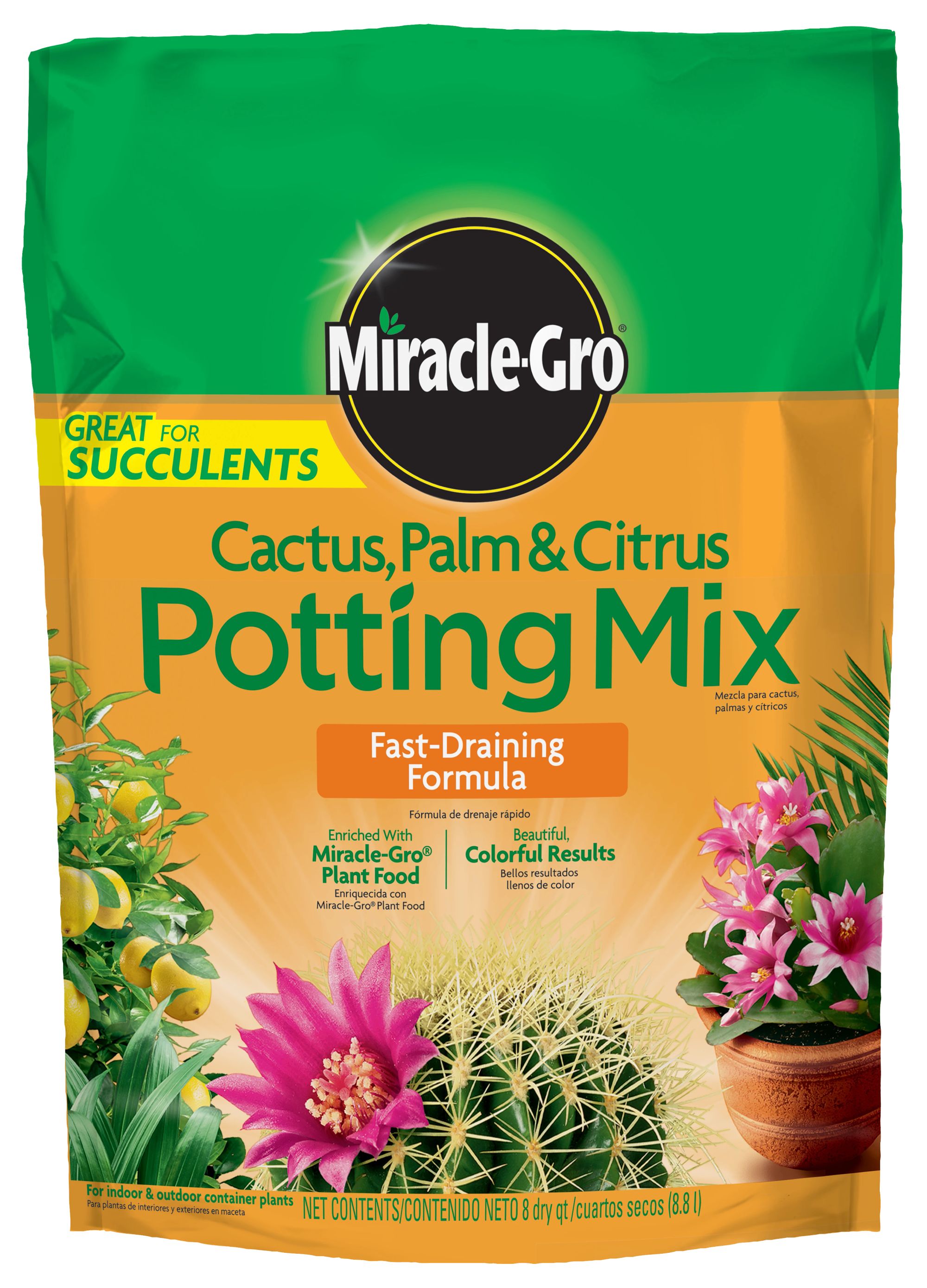
Finding the right succulent soil means prioritizing drainage over nutrient density. Unlike standard houseplant mixes, these blends are engineered to dry out quickly, preventing the root rot that kills most indoor succulents. We have selected four reliable options that balance peat or coir bases with significant grit, sand, or perlite content to ensure water moves through the pot without pooling.
The following products represent the most consistent performers in the ready-to-use market. They are chosen for their specific formulations that cater to the unique water-retention needs of succulents kept in indoor environments.
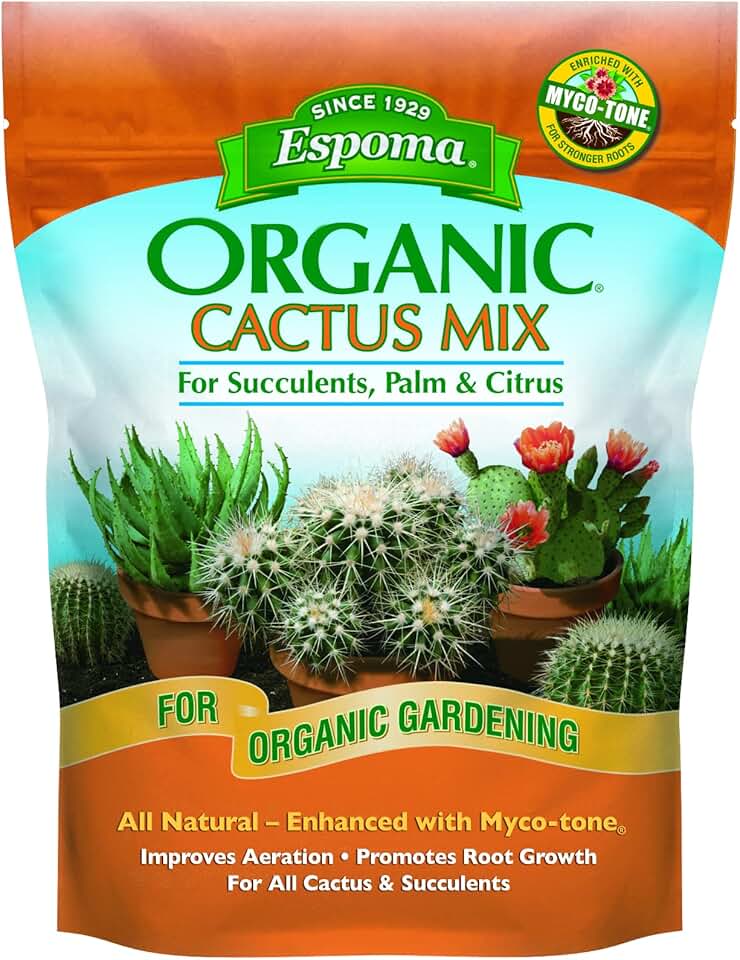

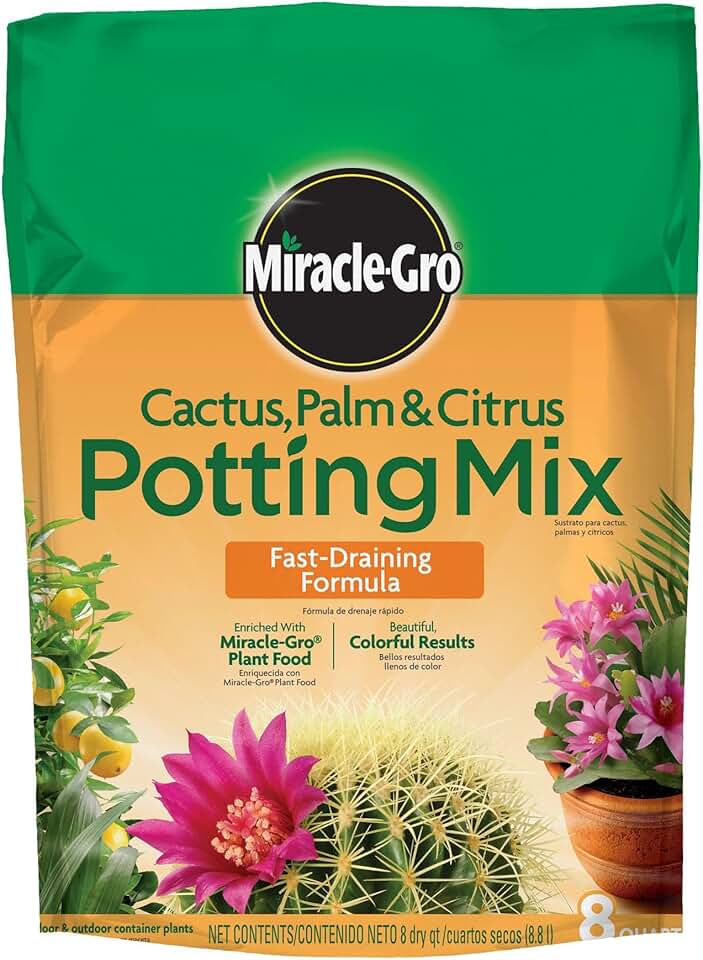

As an Amazon Associate, we may earn from qualifying purchases.
Build your own gritty succulent soil
Store-bought bags often contain too much peat moss, which holds water like a sponge and can suffocate roots. Making your own mix is cheaper, lets you dial in the exact drainage your plants need, and keeps the components you trust. The goal is a "gritty" texture that drains instantly while still anchoring the plant.
The most reliable starting point is the 1:1:1 ratio. This simple formula balances organic matter with inorganic grit to create a fast-draining environment. You will need a base potting soil, a coarse mineral aggregate, and a lightweight aerator. Mixing these equal parts ensures that water flows through the pot without sitting around and causing rot.
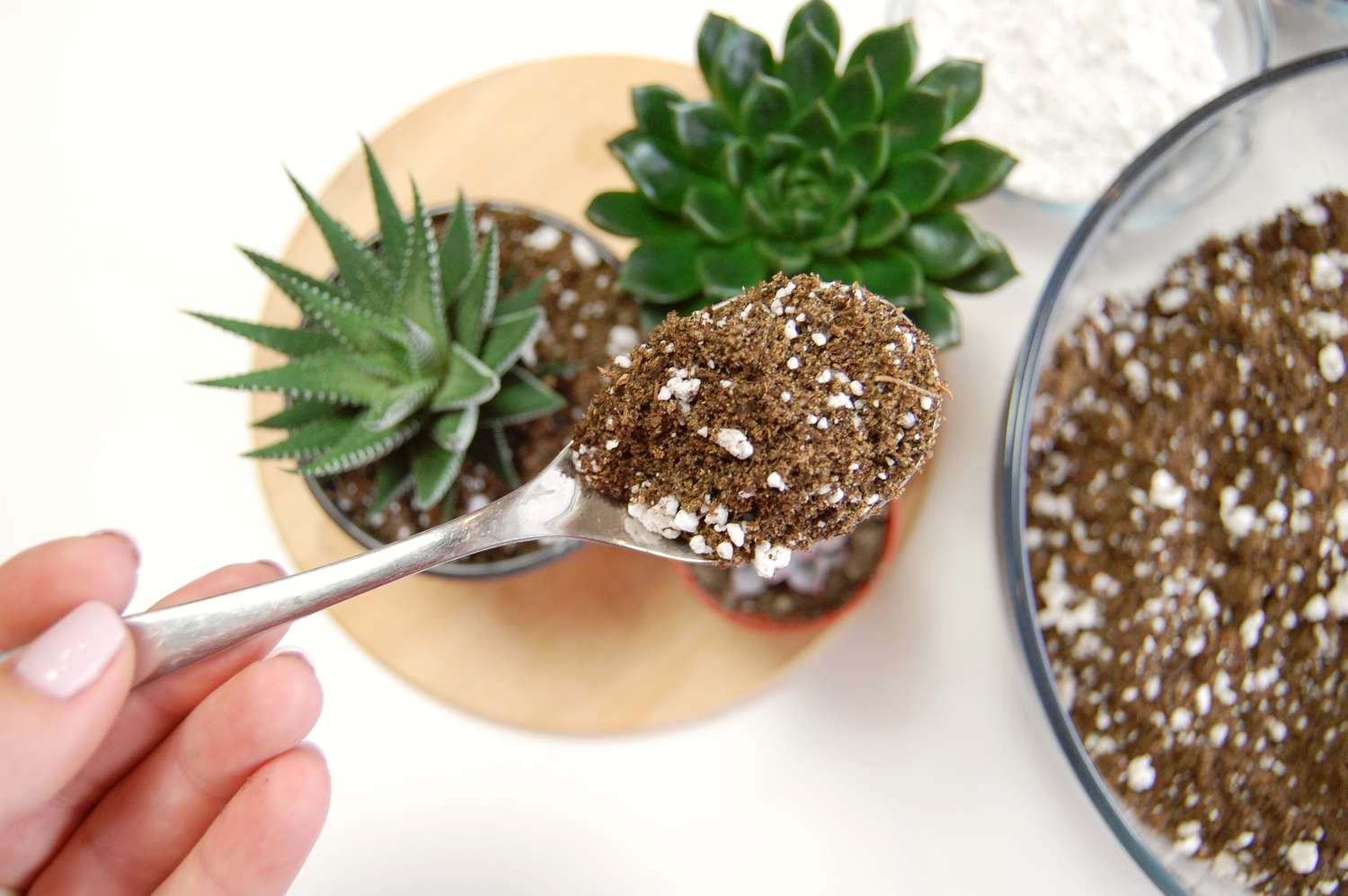
Start with a standard, high-quality potting mix. Avoid garden soil or topsoil, which compacts too easily. Look for a bag labeled "potting mix" rather than "growing medium" if you want a predictable base. This provides the minimal organic content succulents need for nutrient uptake without retaining excessive moisture.
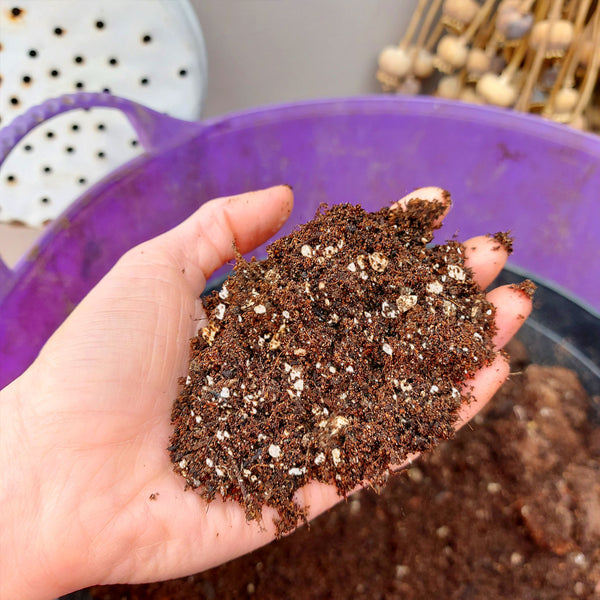
Pumice is the gold standard for inorganic grit. Unlike perlite, which breaks down into dust over time, pumice remains porous and structured for years. It creates permanent air pockets in the soil, allowing roots to breathe and water to drain rapidly. Aim for 3/8-inch to 1/2-inch pieces for the best balance of surface area and drainage speed.
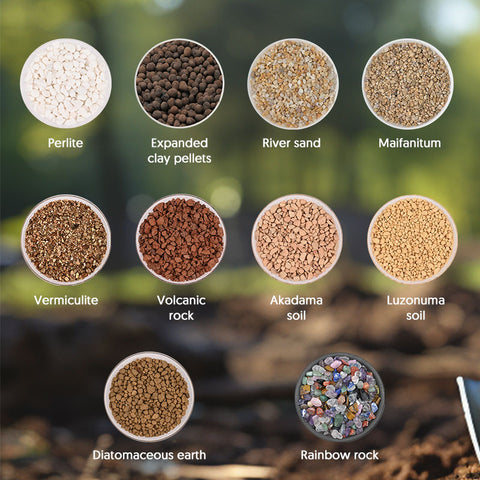
Perlite adds lightweight volume and helps separate the soil particles. While pumice provides the heavy grit, perlite ensures the mix doesn't become too dense. It is inexpensive and widely available. If you are growing very water-sensitive varieties like Lithops or certain Echeverias, you can increase the perlite ratio to further improve drainage.
Combine equal parts of your potting soil, pumice, and perlite in a large bucket or wheelbarrow. Mix until the color is uniform. To test the drainage, pour a cup of water into a handful of the mix. It should run through immediately, leaving the remaining soil damp but not soggy. Adjust by adding more grit if water pools on top.
This custom blend is superior to pre-mixed bags because you control the particle size. Larger pumice pieces drain faster but hold less water; smaller pieces retain more moisture. For most indoor succulents, the 1:1:1 ratio strikes the perfect balance between hydration and aeration, preventing the root rot that kills most houseplants.
Choosing pots for drainage
Use this section to make the Best Succulent Soil Mixes for Healthy Indoor Plants decision easier to compare in real life, not just on paper. Start with the reader's actual constraint, then separate must-have requirements from details that are merely nice to have. A practical choice should survive normal use, maintenance, timing, and budget. If a recommendation only works in an ideal situation, call that out plainly and give the reader a fallback path.
| Factor | What to check | Why it matters |
|---|---|---|
| Fit | Match the option to the primary use case. | A good deal still fails if it does not fit the job. |
| Condition | Verify age, wear, and service history. | Hidden condition issues erase upfront savings. |
| Cost | Compare purchase price with likely upkeep. | The cheapest option is not always the lowest-cost option. |
No comments yet. Be the first to share your thoughts!