

Top indoor succulents to grow
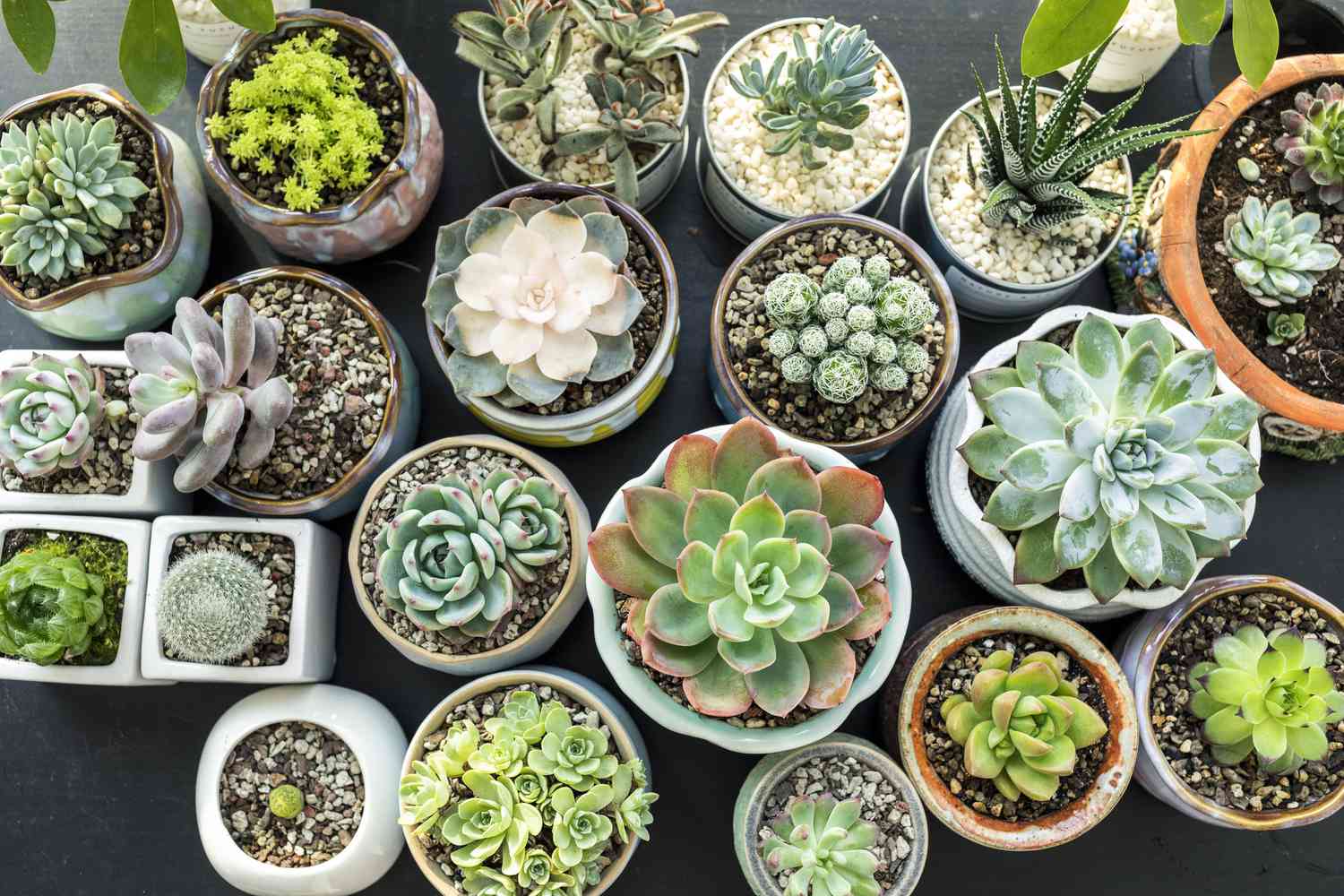
Starting with the right varieties is the most effective step in succulent care. Some species thrive in low light and irregular watering, while others demand bright windows and precise soil mixes. Choosing plants that match your home’s conditions prevents the most common mistakes, such as root rot from overwatering or etiolation from insufficient light.
The following varieties are reliable choices for indoor environments. They are selected for their durability and adaptability to typical household settings. For each type, we have identified specific products that are widely available and well-suited for beginners.


As an Amazon Associate, we may earn from qualifying purchases.
Choosing the right soil mix
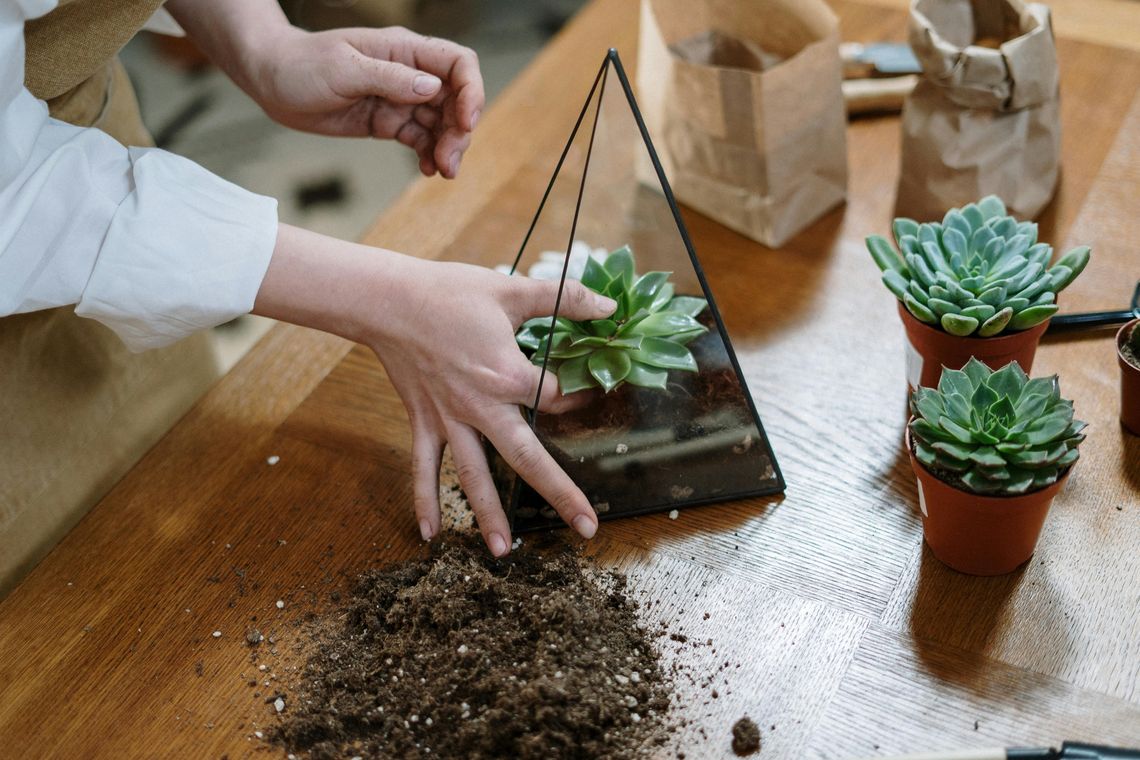
Standard houseplant potting soil is the number one cause of failure for indoor succulents. These mixes are designed to hold moisture, which works for ferns or tropical foliage but creates a suffocating, anaerobic environment for succulent roots. When the soil stays wet for too long, the roots rot, and the plant collapses from the bottom up. Think of succulent soil as a drainage highway rather than a sponge; water should flow through it quickly, leaving the roots dry and airy between waterings.
To prevent root rot, you need a gritty, well-aerated mix. You can buy specialized succulent and cactus blends, but they are often expensive and inconsistent. A more reliable approach is to create your own mix using a base of fast-draining ingredients. A standard ratio is one part peat moss or coconut coir, one part perlite, and one part coarse sand or pumice. This combination ensures that water drains immediately while still providing enough organic matter to anchor the roots.
If you prefer to buy a ready-made solution, look for brands specifically formulated for arid plants. These mixes typically contain high percentages of inorganic materials like lava rock, turface, or expanded shale. Avoid any mix that feels heavy, clumpy, or retains water for days after watering. The goal is a soil structure that dries out completely within a few days, mimicking the desert conditions these plants evolved in.
Best pots for drainage and style
Choosing the right container is the first line of defense against root rot. Succulent care relies heavily on moisture management; because these plants store water in their leaves, they suffer quickly when sitting in soggy soil. A pot with a drainage hole is non-negotiable for long-term health. It allows excess water to escape, mimicking the arid conditions these plants evolved in.
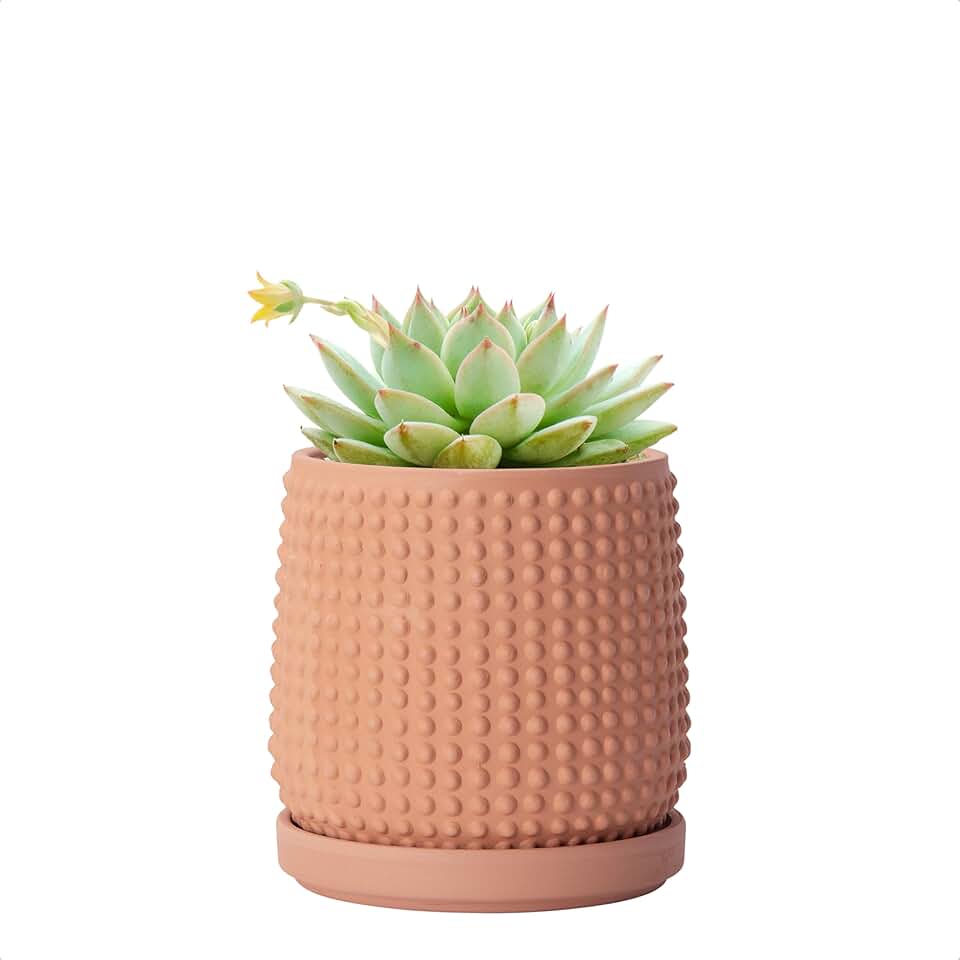
The material of the pot significantly influences how often you need to water. Terracotta is porous, letting air reach the roots and drying out faster. Ceramic and glazed pots retain moisture longer and look polished, while plastic is lightweight and budget-friendly but holds water tightly. You must match the pot material to your watering habits and the light levels in your room.
The table below compares common pot materials to help you balance aesthetics with plant health needs.
| Material | Drainage Quality | Weight | Best For |
|---|---|---|---|
| Terracotta | Excellent | Heavy | High humidity rooms |
| Glazed Ceramic | Good (if holed) | Very Heavy | Decorative displays |
| Plastic | Fair | Light | Hanging baskets |
| Concrete | Poor | Extremely Heavy | Outdoor patios |
When selecting a pot, ensure it is at least one inch wider than the current root ball. This gives the succulent room to grow without holding excessive soil that stays wet too long. If you prefer a decorative container without a hole, use it as a "cache pot." Place the plastic nursery pot inside the decorative one, and remove the inner pot to water it separately.


As an Amazon Associate, we may earn from qualifying purchases.
Watering and light requirements
Succulent care hinges on two variables: how much water you give and where you put the pot. Get these wrong, and you risk root rot or etiolation—the stretchy, pale growth that happens when a plant reaches for light it can’t find. The good news is that both are easy to manage once you stop treating them like houseplants that need daily sips.
Don’t water on a calendar schedule. Instead, check the soil. Most sources, including the Boyce Thompson Arboretum, recommend waiting until the top half-inch of soil is dry. Stick your finger in the pot; if it feels damp, wait. If it’s dry, water thoroughly until it runs out the drainage hole. This mimics their natural desert environment, where rain is rare but heavy when it comes.
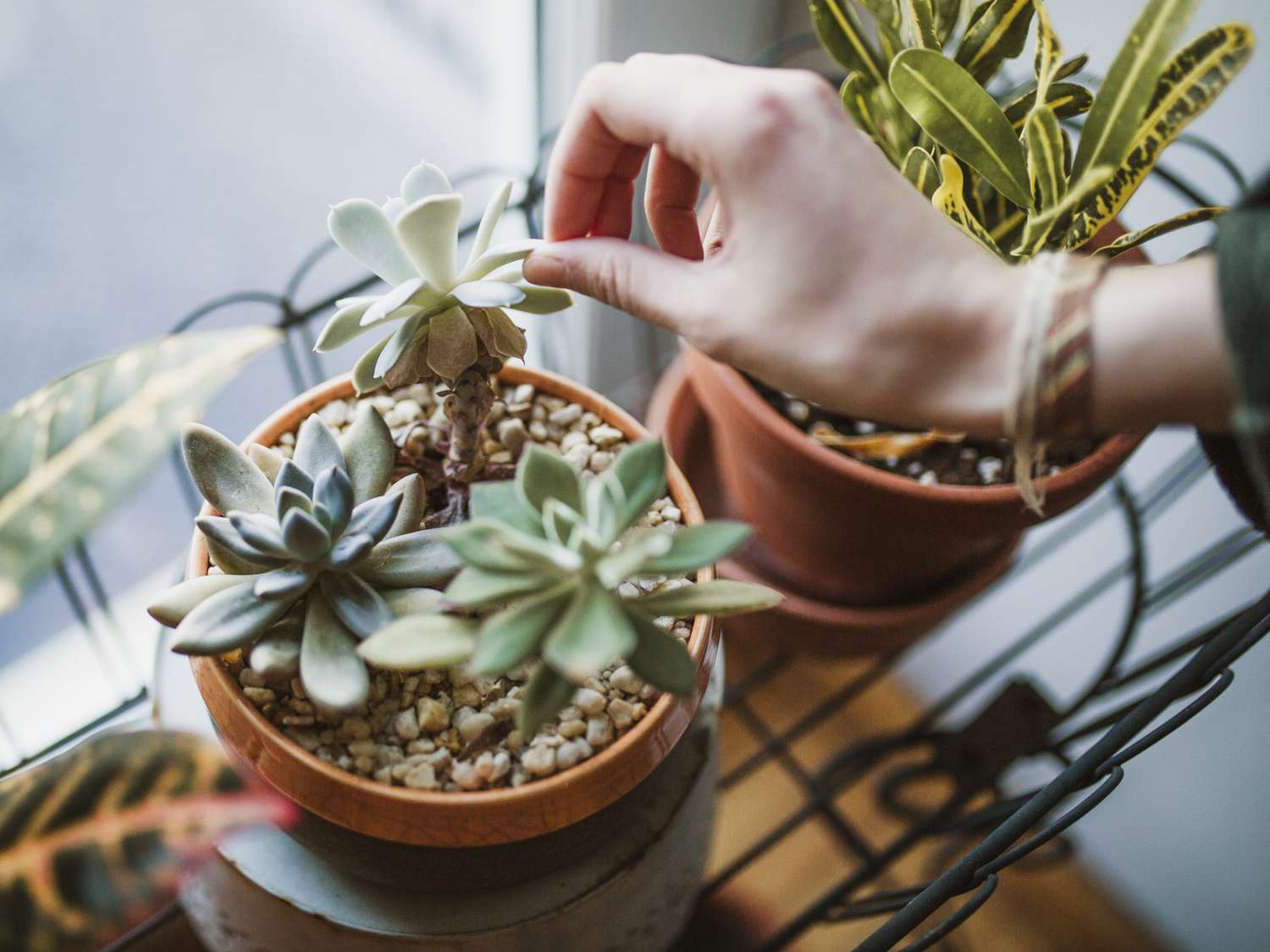
Place your succulents in a spot that gets bright light but not direct, scorching sun. Iowa State University Extension notes that this is light bright enough to cast a shadow, but not direct sun. A south-facing window with a sheer curtain or an east-facing window works well. If the leaves start to look thin or stretch toward the light, they need more sun. If they develop brown, crispy spots, they’re getting too much.
Plants grow toward light. To keep your succulents symmetrical and prevent them from leaning, rotate the pot a quarter turn every week. This ensures all sides get equal exposure, promoting even growth and preventing the lopsided look that often accompanies neglect.
By focusing on these two core aspects of succulent care, you’ll avoid the most common mistakes that kill indoor plants. Keep the soil dry between waterings and the light bright but filtered, and your succulents will thrive.
Common succulent care: what to check next
Succulent care often boils down to a few specific habits that prevent rot and encourage healthy growth. Below are answers to the most frequent questions about keeping potted succulents alive and managing their seasonal needs.
How do you keep potted succulents alive?
The most critical factor in succulent care is watering correctly. Instead of following a rigid schedule or watering when the top inch of soil feels dry, wait until the soil is completely dry all the way to the bottom. When you do water, apply a small amount of water directly to the soil rather than soaking the leaves, which can lead to rot or unsightly blisters. Ensure your pot has drainage holes to let excess water escape, and never let the plant sit in a saucer of standing water.
Should succulents be cut back in the fall?
Pruning is generally best done during the active growing seasons of spring and summer. However, early fall is an acceptable time to trim your succulents, especially if you live in a region with mild winters. If your plant breaks, spills over its pot, or shows signs of damage during the winter months, you can prune it immediately to remove dead tissue and encourage new growth when the warmer weather returns.
Why are my succulent leaves turning yellow or mushy?
Yellowing or mushy leaves are classic signs of overwatering. Succulents store water in their leaves, so they thrive in dry conditions and suffer when their roots sit in wet soil. To fix this, stop watering immediately and check the drainage in your pot. If the soil remains soggy, consider repotting the plant in a fresh, well-draining succulent mix to prevent root rot from setting in.
No comments yet. Be the first to share your thoughts!