

Why drainage matters most
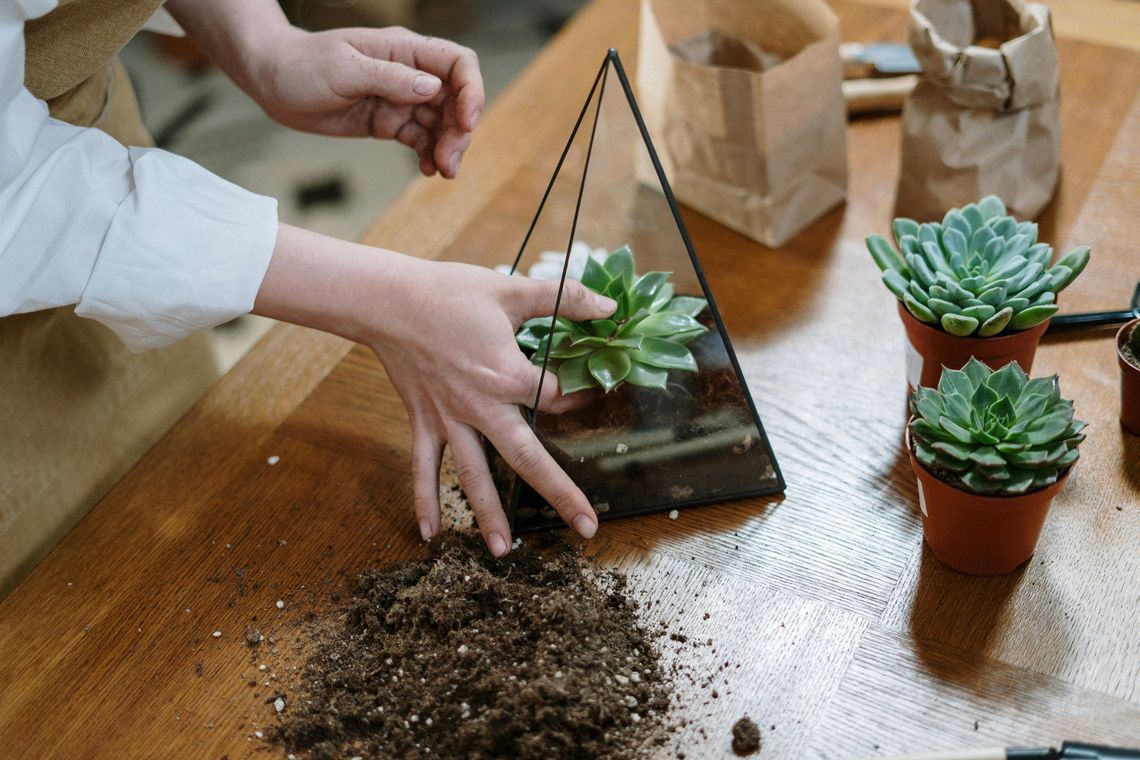
Succulents store water in their leaves and stems, allowing them to survive long periods without moisture. This adaptation makes them incredibly forgiving, but it also means they are highly susceptible to root rot if left sitting in wet soil. Proper drainage is the single most critical factor in indoor succulent care, acting as the safety valve that prevents waterlogged roots from suffocating.
When water cannot escape the pot, it saturates the soil matrix, displacing the oxygen roots need to breathe. Without this airflow, fungi and bacteria thrive, leading to soft, mushy roots that cannot support the plant. This is why choosing a pot with a bottom hole is non-negotiable for long-term health. Even the most expensive soil will fail if the water has nowhere to go.
To support this drainage, the soil itself must be gritty and fast-draining. Standard potting mixes retain too much moisture for succulents. Instead, look for blends specifically formulated with pumice, perlite, or coarse sand. These materials create air pockets within the soil, ensuring that water flows through quickly and the roots remain dry between waterings.
The goal is to mimic the arid conditions these plants evolved in. By prioritizing drainage in both your container and your soil mix, you create an environment where the roots can thrive without the constant threat of overwatering. This foundation makes all other care tasks, from fertilizing to pruning, significantly easier and more effective.
Best self-watering succulent pots
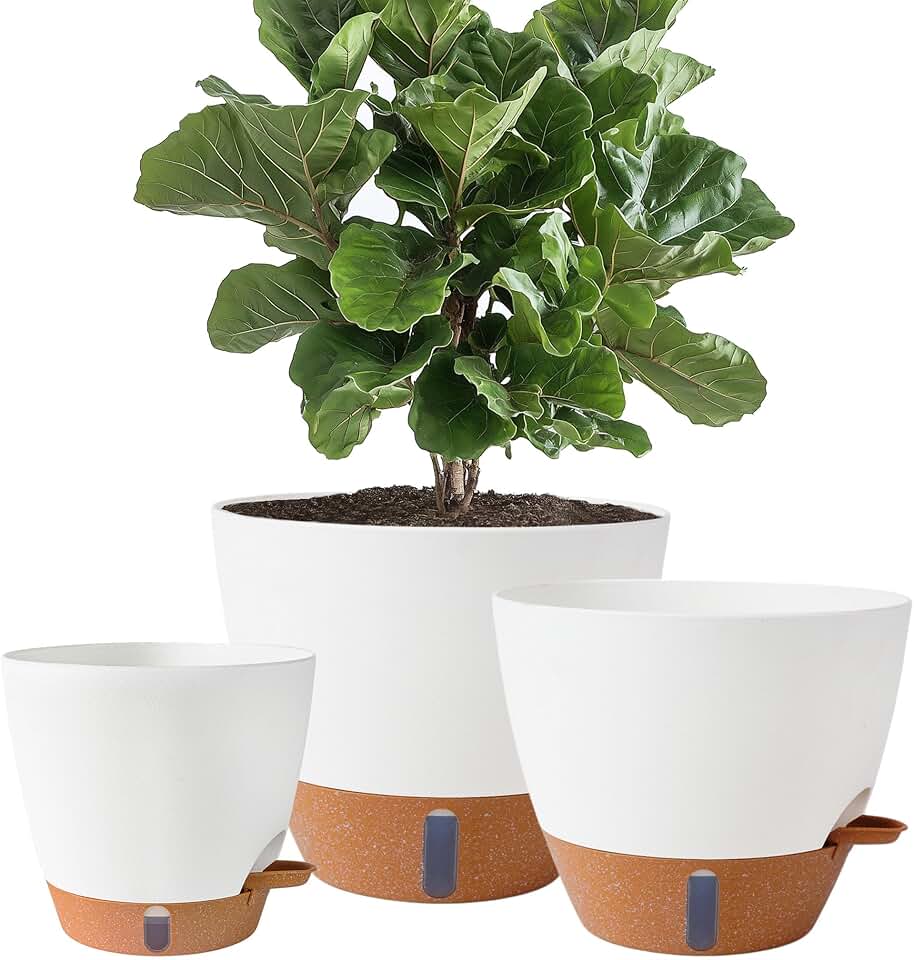
Self-watering pots use a reservoir to feed plants from the bottom up, which is helpful for busy owners who miss watering schedules. However, succulents are drought-tolerant and prone to root rot if the soil stays wet too long. These pots work best when you use a very fast-draining soil mix and water them less frequently than you would in a standard pot.
The key is finding a design that balances convenience with the strict drainage succulents need. Look for pots with a clear water level indicator so you can avoid overfilling the reservoir. Pairing the right pot with the right soil is the primary factor in keeping your indoor succulents healthy.


As an Amazon Associate, we may earn from qualifying purchases.
Choose pots based on drainage and breathability
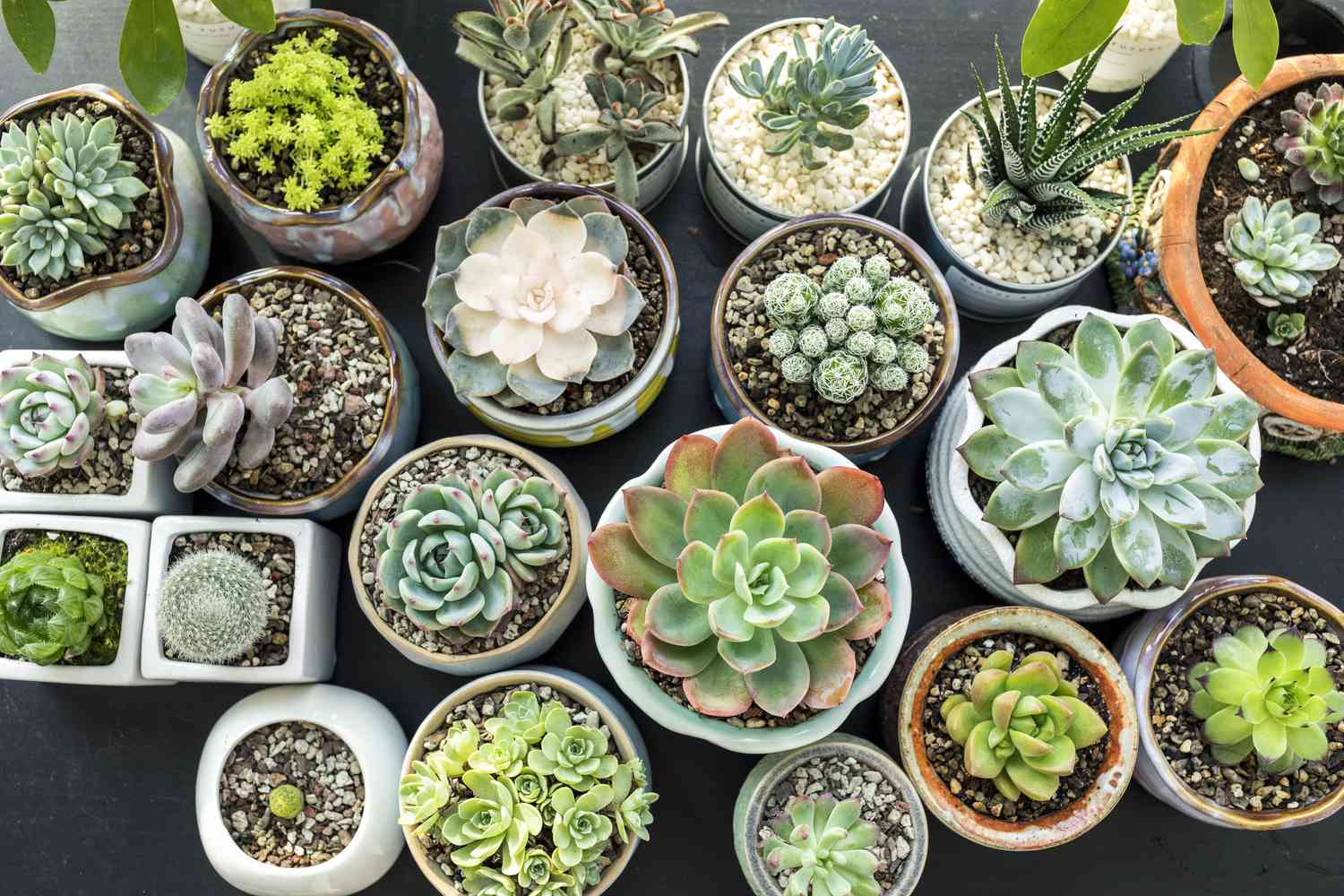
The material of your pot is the primary driver of succulent health, acting as the boundary between root rot and steady growth. Unglazed terracotta and clay are the gold standard for indoor succulents because the porous walls allow moisture to evaporate through the sides, effectively increasing the pot’s breathability. This natural ventilation helps the soil dry out at a rate that mimics the plant’s native arid environment, reducing the risk of overwatering.
In contrast, glazed ceramic and plastic pots retain moisture longer because they are non-porous. While these materials offer more design flexibility and are lighter to move, they require a more disciplined watering schedule. If you tend to water on a set calendar rather than checking soil dryness, the slower drying time in glazed ceramic or plastic can lead to soggy roots. Self-watering pots, which maintain a constant moisture reservoir, are generally unsuitable for most succulent species unless you are growing specific water-loving varieties like certain sedums or cacti that tolerate consistent dampness.
When selecting a container, always prioritize function over form. Ensure the pot has a drainage hole; if your decorative ceramic pot lacks one, use it as a cache pot for a simpler plastic nursery pot that does. The table below compares the key characteristics of common pot materials to help you decide which fits your watering habits and aesthetic preferences.
| Material | Breathability | Weight | Best For |
|---|---|---|---|
| Unglazed Terracotta | High | Heavy | Beginners who forget to water |
| Glazed Ceramic | Low | Medium | Decorative displays |
| Plastic | None | Light | Hanging baskets |
| Self-Watering | None | Medium | Water-loving varieties only |
Choose gritty soil mixes for drainage
Standard potting mixes retain too much moisture for indoor succulents, creating a breeding ground for root rot. These plants evolved in arid environments and require a soil structure that dries out quickly and allows roots to breathe. The right mix acts like a sponge that wrings itself out, ensuring water never sits around the crown.
When selecting soil, look for terms like "cactus and succulent" or "gritty." These blends rely on inorganic components such as perlite, pumice, or coarse sand rather than peat moss or bark, which break down and hold water. This composition prevents compaction over time, maintaining the airflow necessary for healthy root systems.
Below are three reliable soil mixes that prioritize drainage and aeration for indoor use.


As an Amazon Associate, we may earn from qualifying purchases.
Watering tools for precise hydration
Overwatering is the fastest way to kill a succulent. These plants store moisture in their leaves and stems, meaning they thrive on neglect more than they benefit from daily attention. The goal isn't to keep the soil wet, but to ensure it dries out completely between waterings. Using the right tools helps you apply water only where it’s needed, reducing the risk of root rot.
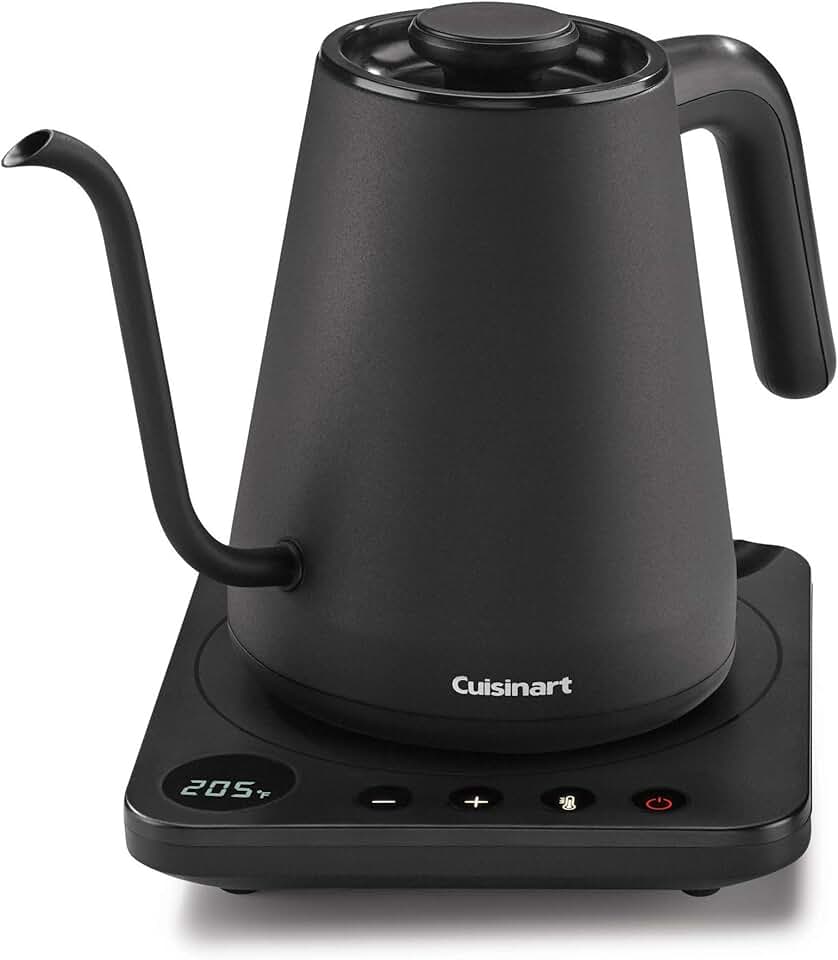
A gooseneck kettle offers the control necessary for precise watering. The long, narrow spout lets you direct water straight to the soil, avoiding the leaves and crown where standing water can cause rot. This is especially important for rosette-shaped succulents like Echeverias, which trap water easily. You can water slowly and steadily, ensuring the soil absorbs the moisture without runoff washing away the top layer of soil.
For a more scientific approach, a moisture meter removes the guesswork. Inserting the probe into the soil gives you a reading of the actual moisture level at the root zone, rather than relying on how dry the surface feels. This is particularly useful for larger pots or those with poor drainage, where the bottom might remain soggy even if the top looks dry. Checking the meter before watering ensures you only add water when the plant truly needs it.


As an Amazon Associate, we may earn from qualifying purchases.
Keep succulents healthy with a simple care routine
Healthy indoor succulents rely on three non-negotiable factors: drainage, soil composition, and watering discipline. Most indoor succulent care failures stem from waterlogged roots, which occur when pots lack drainage holes or the soil retains too much moisture. Prioritize breathable, gritty soil mixes that allow water to flow through quickly, and always use containers with adequate drainage to prevent root rot.
Lighting is the other critical variable. Place your plants in a south- or west-facing window where they receive bright, indirect light for most of the day. If leaves begin to stretch or turn brown, adjust the placement accordingly. Consistency matters more than perfection; observe your plants weekly and adjust based on their physical response to the environment.
Insert your finger or a wooden skewer into the soil up to the second knuckle. Water only when the soil is completely dry to the touch. If the soil feels damp, wait a few more days. This prevents overwatering, which is the leading cause of succulent death.
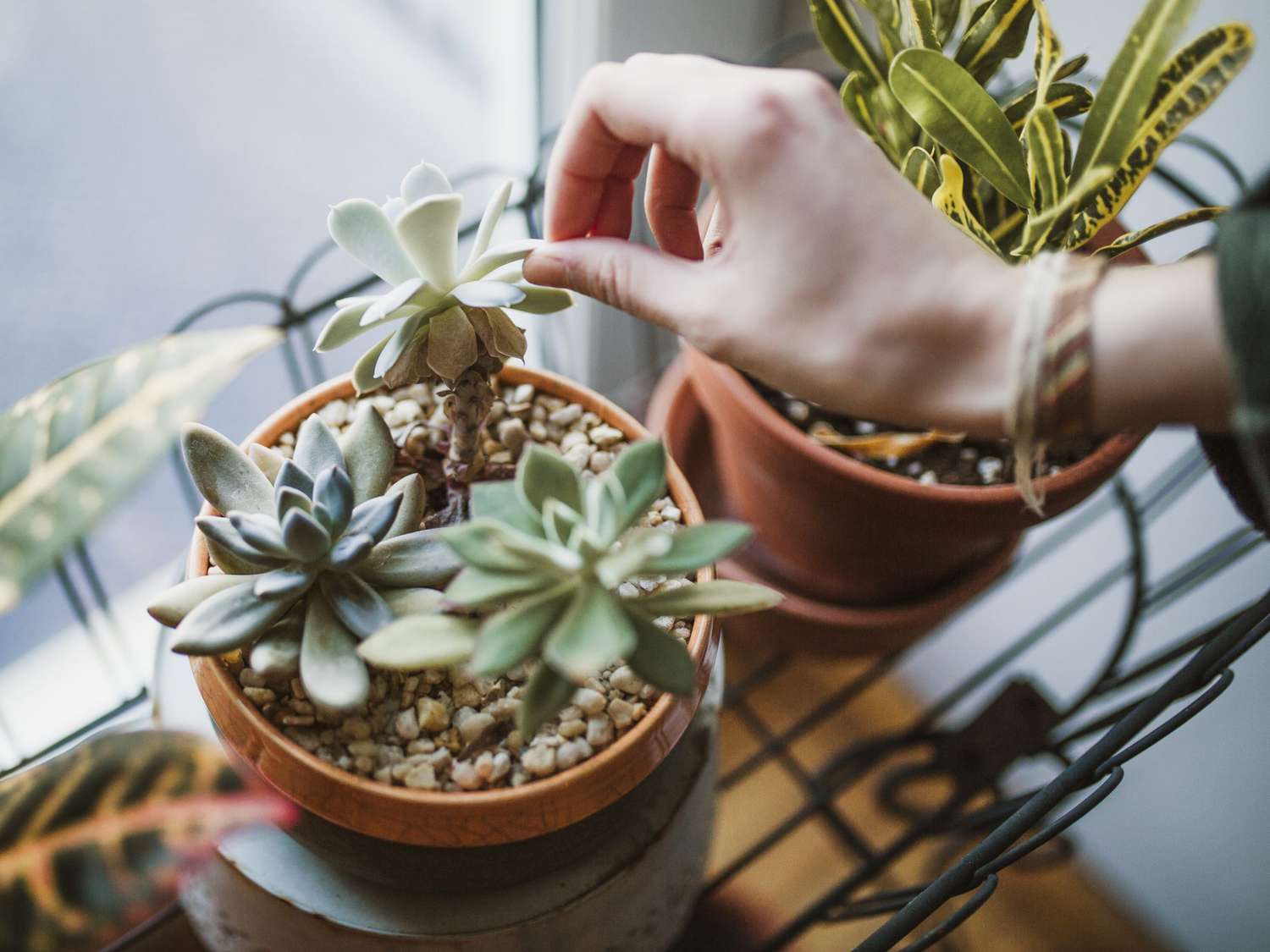
Pour water directly onto the soil until it flows freely out of the drainage holes. Avoid wetting the leaves, as trapped moisture can cause rot or fungal issues. Empty the saucer or cache pot immediately after watering to ensure the roots do not sit in standing water.
Check leaves weekly for signs of light deficiency (stretching, etiolation) or excess (brown, crispy patches). Rotate the pot a quarter turn every week to ensure even growth. Adjust the plant's location based on these visual cues rather than a fixed schedule.
No comments yet. Be the first to share your thoughts!