

Set up the right soil mix
Standard potting soil is designed for moisture retention, which is fatal for succulents. It stays wet too long, suffocating roots and causing rot before the plant can recover. To keep your indoor succulents healthy, you need a gritty, fast-draining mix that mimics their natural arid habitat.
A reliable DIY recipe is two parts cactus potting mix, one part coarse sand, and one part pumice or perlite. This combination creates air pockets that allow water to rush through and evaporate quickly. If you prefer buying a pre-made blend, look for "cactus and succulent" soil and amend it with extra perlite to ensure adequate drainage.
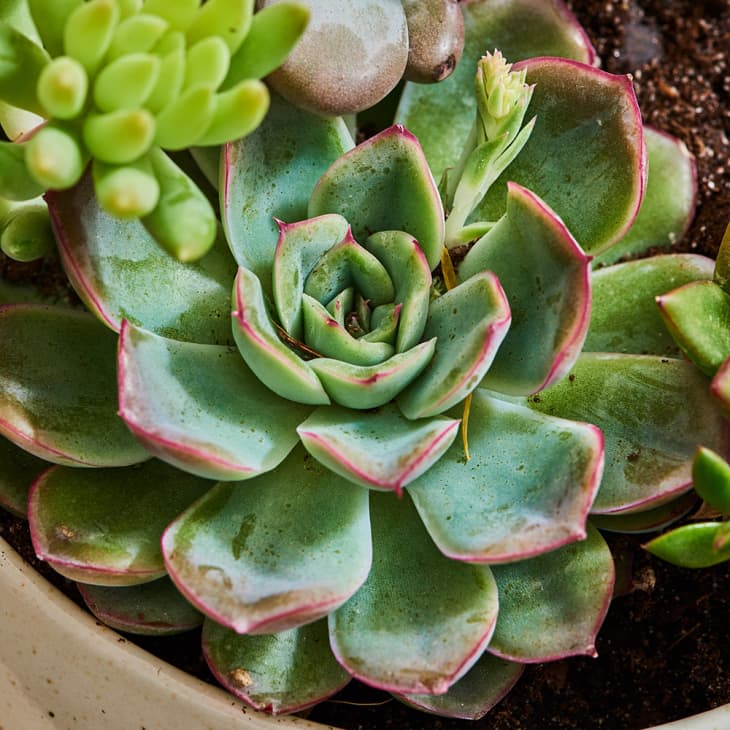
When you water, the soil should dry out completely within a few days. If the mix stays damp for a week or more, add more coarse material. This quick dry cycle prevents root rot and encourages strong, healthy growth.
Choose the correct pot size
Start with a pot that is only one to two inches wider than the root ball. Many gardeners make the mistake of moving a small succulent into a large container, thinking it gives the plant room to grow. This is like wearing shoes three sizes too big; the extra soil stays wet for too long, drowning roots that need to breathe. Succulents store water in their leaves, so they are far more likely to rot from a soggy bottom than from a little crowding.
The pot must have a drainage hole. Without a hole, excess water has nowhere to go, turning the soil into a stagnant swamp. Even if you buy a decorative ceramic shell, always plant the succulent in a simple plastic nursery pot with holes, then place that inside the decorative one. This setup protects the plant while keeping your decor clean.
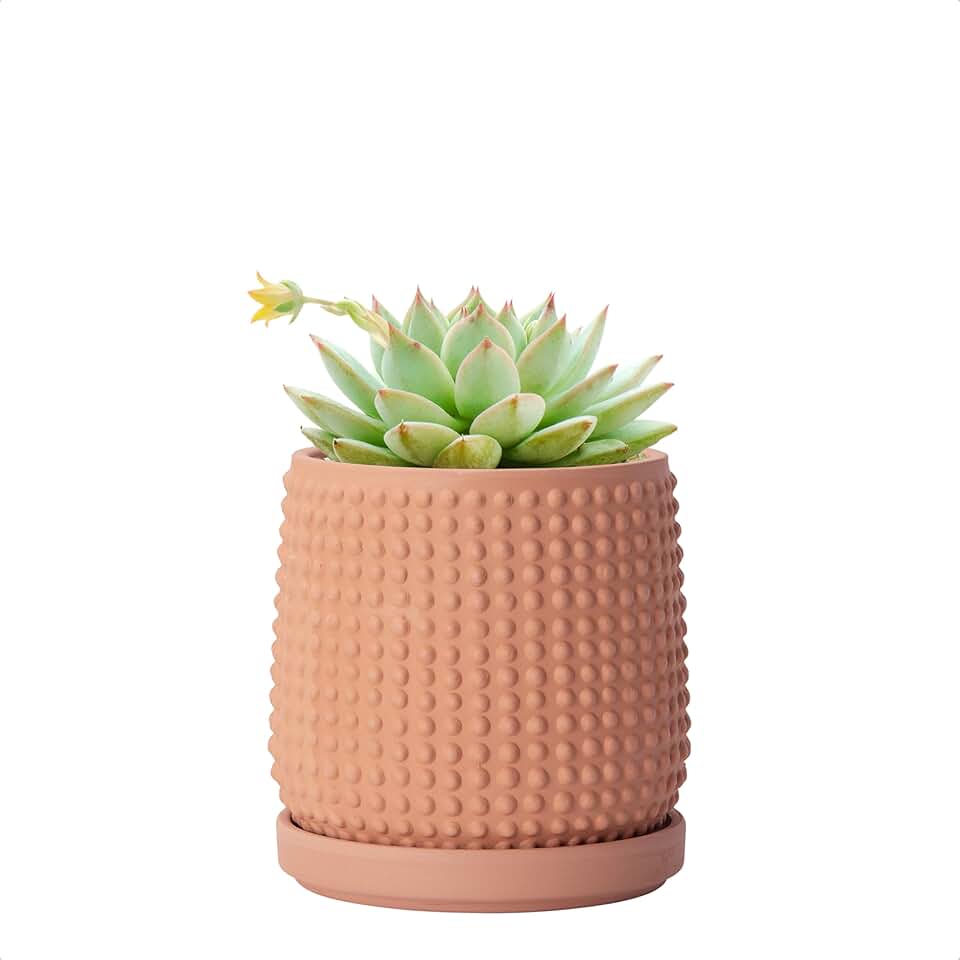
Terracotta is the best material for most indoor succulents. The porous clay allows air to reach the roots and helps the soil dry out faster than plastic or glazed ceramic. If you prefer plastic, be more careful with watering, as it holds moisture longer.


As an Amazon Associate, we may earn from qualifying purchases.
Position for bright indirect light
Find a spot that feels bright but lacks the bite of direct noon sun. A south-facing window works if you hang a sheer curtain, while east or west windows often provide the right balance without the intensity. Most succulents need about six hours of light daily to stay compact and colorful, but indoor glass filters UV rays, so you may need to move the pot closer to the pane during winter months.
Think of bright indirect light like a well-lit office with blinds drawn. The room is clear and visible, but the sun isn't blasting your eyes. If you hold your hand above the soil and see a sharp, hard shadow on the leaves below, the light is too direct. If the shadow is soft or nonexistent, it is too dim. Succulents thrive in that middle ground where they get plenty of illumination without the thermal shock of direct beams.
Harsh direct sun scorches leaves, turning them pale, translucent, or brown at the tips. This damage is permanent; the sunburned tissue will not recover. If you notice white or yellow patches, move the plant further away from the window immediately. Conversely, if the stem stretches and the leaves spread apart, the plant is etiolating, reaching for a light source it isn't getting.
Rotate the pot a quarter turn every week. This simple habit ensures all sides get equal exposure, preventing the plant from leaning heavily toward the window. Over time, this creates a uniform, balanced shape rather than a lopsided mass. Pair this light position with proper airflow, and your succulents will stay compact and healthy year-round.
Water using the soak and dry method
The most common cause of indoor succulent death is overwatering, not underwatering. These plants store moisture in their leaves and stems, meaning they are built for drought, not daily sips. To keep them healthy, you need to mimic the natural cycle of heavy rain followed by long periods of dryness.
This approach, known as the soak and dry method, ensures the roots get enough water to thrive without sitting in soggy soil that leads to rot. It sounds simple, but execution matters. You must water thoroughly until it runs out the bottom, then wait until the soil is completely bone-dry before doing it again.
Before reaching for the watering can, check if your plant actually needs water. Insert your finger about an inch into the soil. If it feels damp or cool, wait. For deeper pots, use a wooden chopstick; if it comes out clean and dry, the soil is ready. Rely on soil moisture, not a calendar schedule.
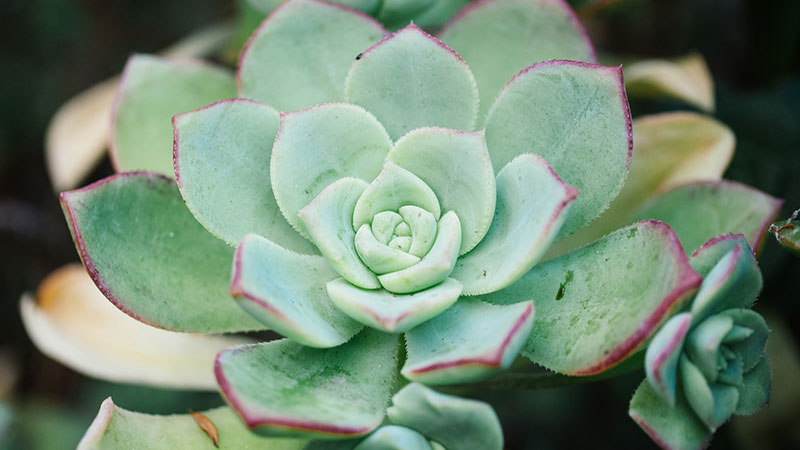
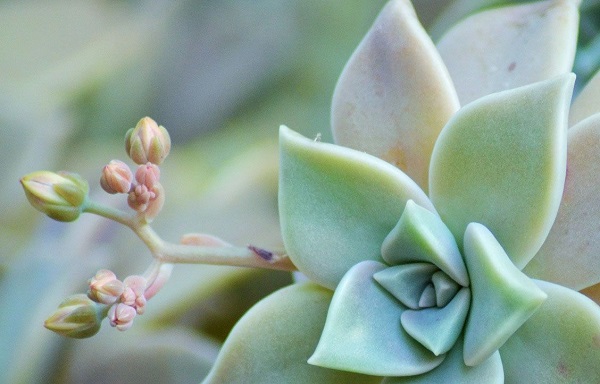
When the soil is dry, water slowly and evenly until water flows freely from the drainage holes at the bottom of the pot. This ensures the entire root ball is hydrated, not just the top layer. Avoid getting water trapped in the center rosette of the plant, as this can cause rot. Let the excess water drain completely.
After watering, leave the pot in the sink or tray for at least 15–30 minutes to ensure all excess water has escaped. Never let a succulent sit in a saucer of standing water. The pot must be empty and dry before you return it to its decorative cover or final display spot.
This is the most critical waiting period. Depending on your home’s humidity, temperature, and pot size, it can take anywhere from one to three weeks for the soil to dry out completely in between waterings. Use a moisture meter or the chopstick test to confirm. Only water again when the soil is fully dry.
By following this cycle, you prevent the root rot that kills most indoor succulents. The plant will use the stored water during the dry phase, keeping its leaves plump and healthy until the next soak. Adjust your watering frequency based on the season; succulents typically need less water in winter when they are dormant.
Feed lightly during active growth
Succulents have modest nutritional needs, but getting the timing right prevents salt buildup and root burn. Fertilize only during the active growing season, which typically runs from spring through early fall. Skip feeding entirely in winter when the plants are dormant.
Use a balanced, water-soluble fertilizer diluted to half strength. Full strength is too harsh and can damage delicate roots. Apply the solution to moist soil to avoid shocking the plant. Watering first creates a buffer that protects the root system from potential salt accumulation.
Avoid high-nitrogen formulas designed for leafy greens. Succulents thrive on a steady, light supply of nutrients rather than heavy boosts. A monthly application during the growing season is usually sufficient. If you notice white crust on the soil surface, flush the pot with plain water to leach out excess salts.
Avoid the top killer: overwatering and poor airflow
Most indoor succulents die from drowning, not thirst. These plants store water in their leaves and thrive on neglect. Watering on a fixed schedule is a common mistake; instead, wait until the soil is completely dry. Check the moisture level by inserting your finger an inch into the potting mix.
Poor airflow compounds the risk. Stagnant air keeps the soil wet longer, inviting root rot. Place your plants in a spot with gentle air circulation, like near a window or under a low-speed fan. Avoid clustering pots tightly together.
Pre-watering checklist
Before reaching for the watering can, run through these three checks:
- Is the soil completely dry to the touch?
- Is there adequate airflow around the pot?
- Does the pot have drainage holes to let excess water escape?
Frequently asked: what to check next
Do succulents need direct sun?
Most succulents thrive in bright light and need about six hours of sun per day, though this varies by species. Some varieties can handle full, direct sun, while others, like many cacti, may scorch in intense afternoon heat. If you move a plant from indoors to outdoors, introduce it to direct sunlight gradually over a week to prevent leaf burn.
How often should you water a succulent?
Water only when the top half-inch of soil is dry. Instead of sticking to a rigid calendar schedule, check the moisture level with your finger or a wooden stick. When you do water, soak the soil thoroughly until water drains from the bottom, then let it dry completely before watering again. This mimics the intermittent, generous watering pattern succulents experience in the wild.
What is the secret to keeping succulents alive?
The secret is avoiding overwatering. Succulents store water in their leaves and stems, making them highly drought-tolerant. The most common cause of death is root rot from soggy soil. Ensure your pot has drainage holes and use a fast-draining soil mix designed for cacti and succulents. Let the soil dry out between waterings, and reduce watering frequency in winter when growth slows.
What not to do with succulents?
Never leave succulents sitting in standing water, and avoid using heavy, moisture-retentive potting soils. Do not place them in dark corners; they will stretch and become weak (etiolated) as they search for light. Also, avoid fertilizing too frequently—succulents are light feeders, and excess fertilizer can burn their roots or cause rapid, unstable growth.
No comments yet. Be the first to share your thoughts!