
Get indoor succulents right
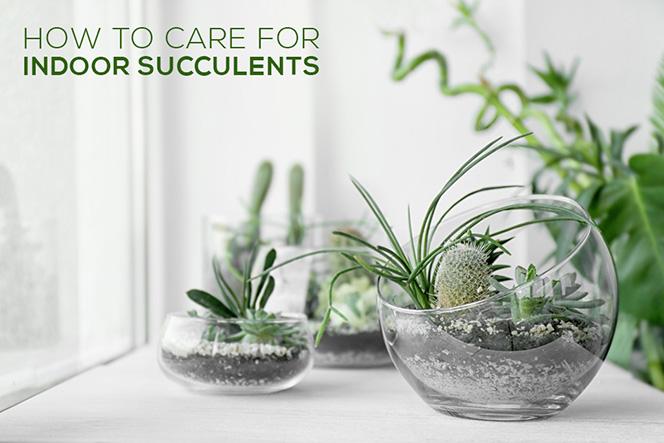
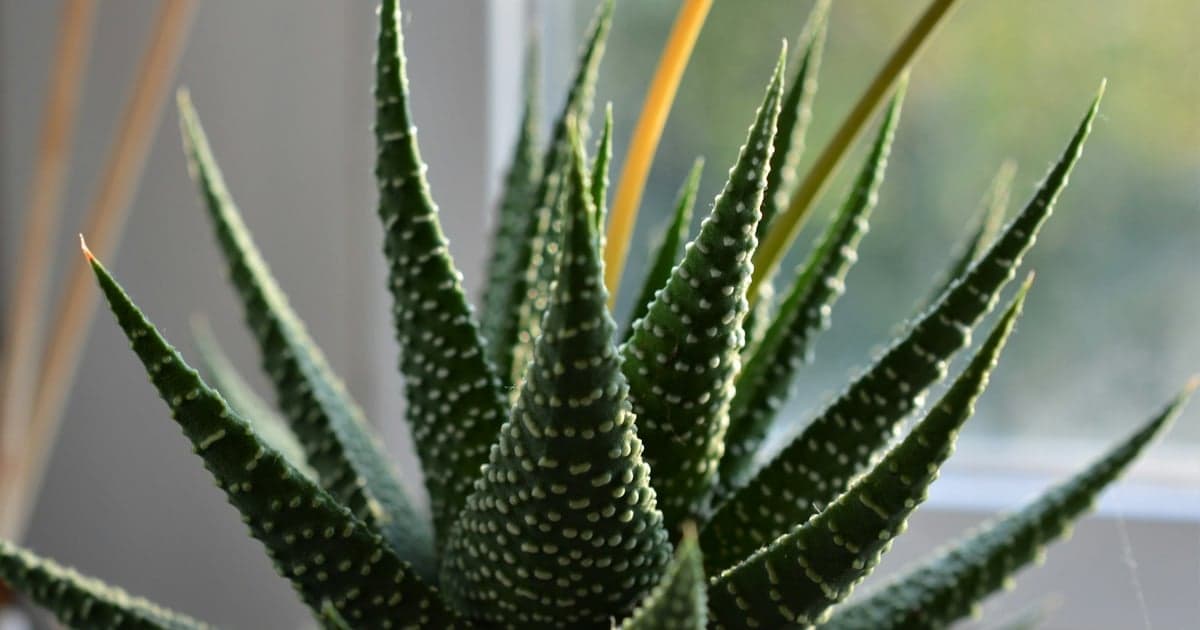
Before you buy a pot or mix soil, confirm the plant can actually survive your space. Indoor succulents thrive on consistency, not just light. Most species need bright, direct sun for several hours a day. If your home lacks strong windows, choose low-light tolerant varieties like Haworthia or Sansevieria.
Check your humidity levels next. Indoor heating and air conditioning often dry out the air, which succulents handle well, but high humidity promotes rot. If you live in a humid climate, prioritize air circulation and well-draining soil. Avoid placing plants in bathrooms or kitchens with frequent steam.
Finally, inspect the plant’s roots before planting. Healthy roots are firm and white or light tan. Dark, mushy roots signal overwatering or poor drainage. Trim any damaged roots with sterile tools and let the plant callous for a day before repotting. This simple step prevents immediate rot and sets the stage for long-term health.
Work through the steps
Setting up indoor succulents requires a specific routine that differs from outdoor gardening. Because indoor environments lack natural wind and heavy rain, you must manually control soil drainage, pot selection, and watering frequency. Follow this sequence to establish a healthy baseline for your plants.
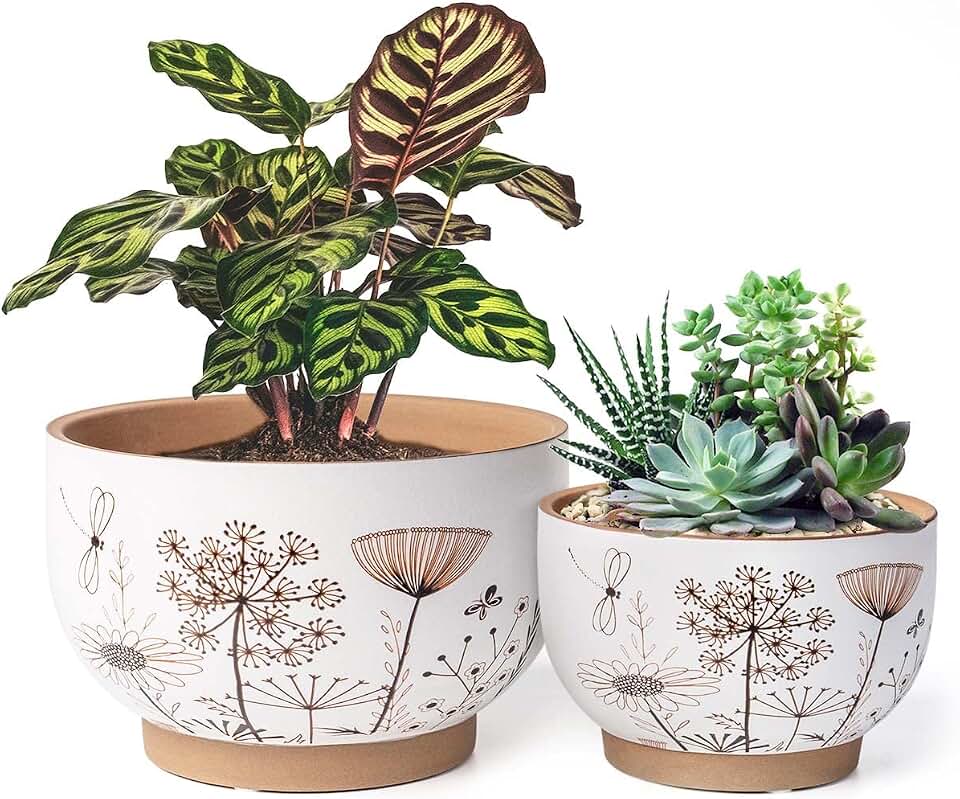
Start by selecting a pot with a drainage hole. Terracotta is the best material for indoor succulents because its porous walls allow moisture to evaporate through the sides, reducing the risk of root rot. If you prefer ceramic or plastic, ensure there is a hole at the bottom. If the pot lacks one, drill it or use the container as a "cache pot" inside a perforated nursery pot.
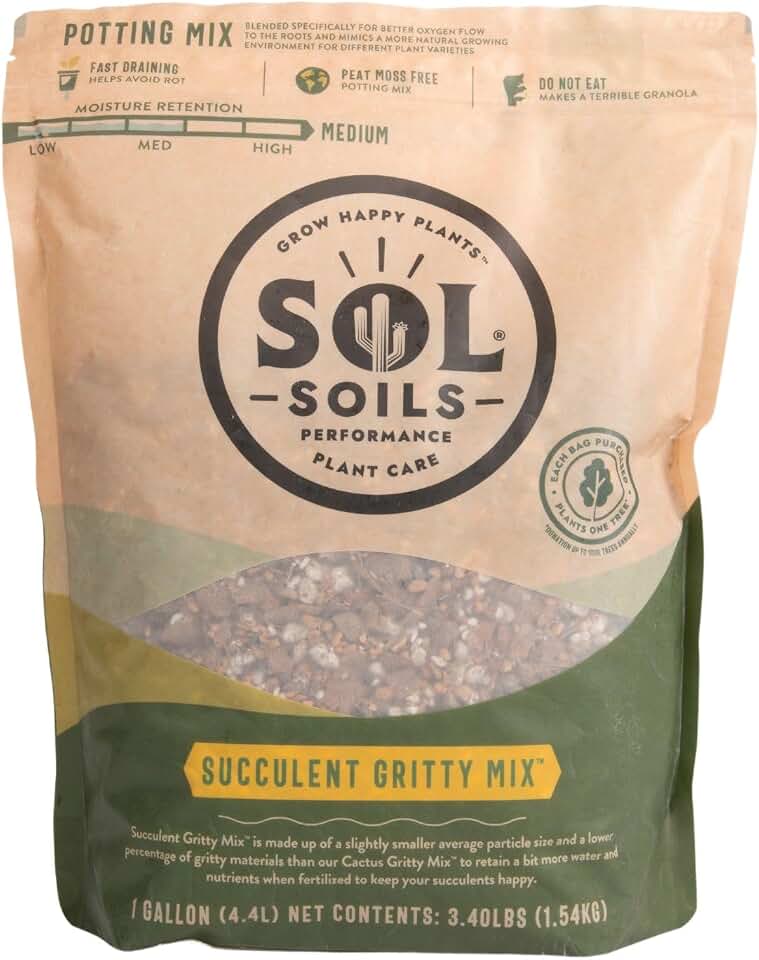
Do not use standard potting soil, which holds too much water for succulent roots. Instead, create a gritty mix using 50% high-quality potting soil and 50% inorganic amendments like perlite, pumice, or coarse sand. This blend ensures water drains quickly while still providing enough organic matter for nutrients. Fill the pot about one-third full with this mix before adding your plant.
Gently remove your succulent from its nursery container and tease apart any tightly wound roots. Place the plant in the center of your new pot and backfill with the remaining soil mix. Press down firmly around the base to eliminate air pockets, but avoid compacting the soil too tightly. Leave about half an inch of space between the soil surface and the pot rim to allow for future watering without spillage.
Watering is the most critical step. Wait until the soil is completely dry before watering again. To check, insert your finger an inch into the soil or lift the pot to judge its weight. When watering, soak the soil thoroughly until water runs out of the drainage hole, then empty the saucer immediately. Indoor succulents typically need water every 10–14 days in summer and monthly in winter.
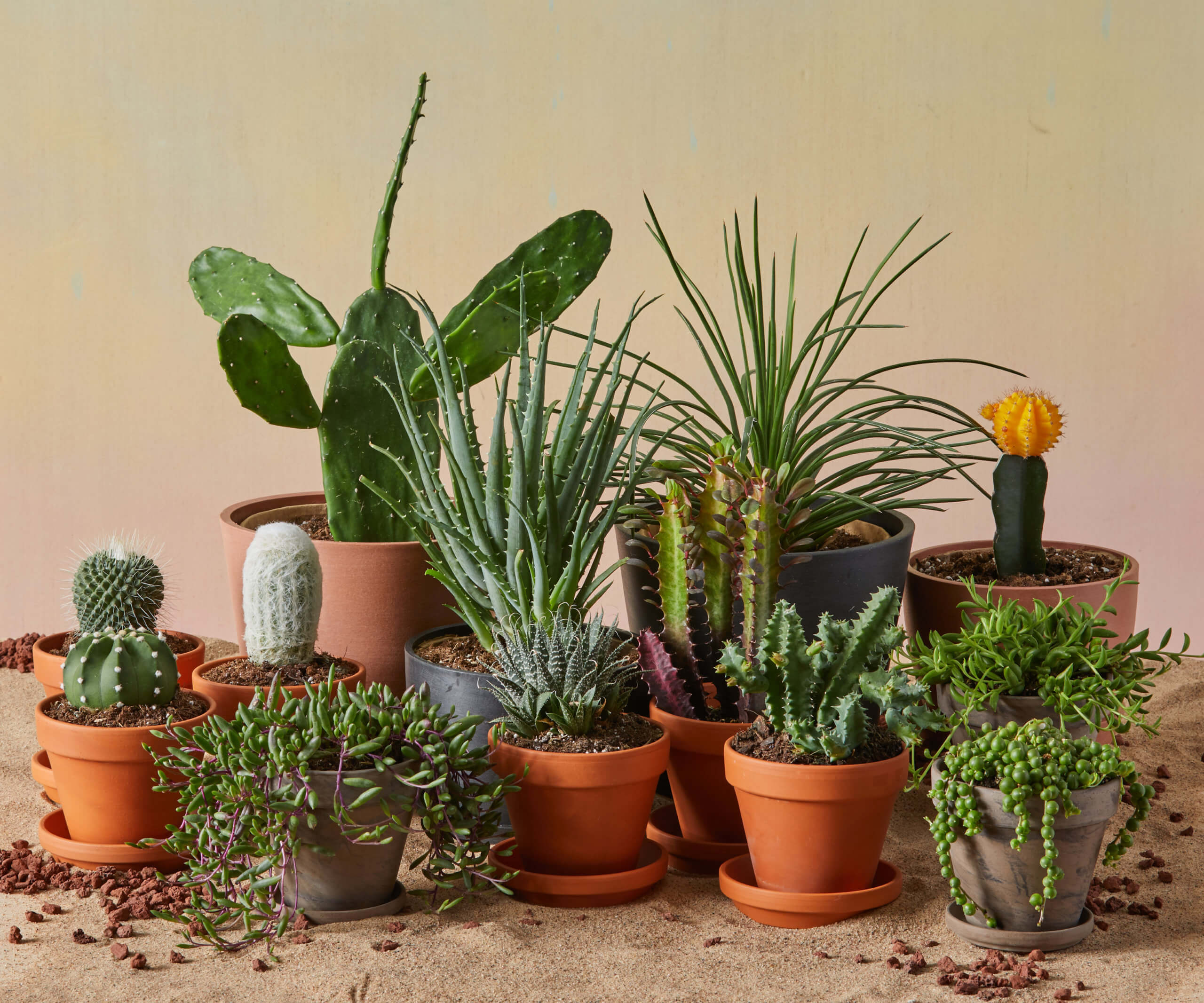
Place your potted succulent in the brightest spot available, such as a south or west-facing window. Most indoor succulents need at least six hours of light daily. If leaves begin to stretch toward the light (etiolation), the plant is not getting enough sun and needs to be moved closer to the window or supplemented with a grow light.

As an Amazon Associate, we may earn from qualifying purchases.
Fix common mistakes
Even with the right tools, small errors in soil selection, pot choice, and watering habits can undo months of careful indoor succulent care. These mistakes are often subtle at first but lead to root rot, stunted growth, or sudden plant collapse. Identifying and correcting them early keeps your collection thriving.
Overwatering and poor drainage
The most frequent cause of indoor succulent death is overwatering, often combined with pots that lack drainage holes. Succulents store water in their leaves and stems; they do not need constant moisture. When soil stays wet for too long, roots suffocate and rot sets in. Always use pots with at least one drainage hole at the bottom. If you prefer decorative ceramic pots without holes, keep the plant in a plastic nursery pot inside the decorative one, and water only the inner pot. Let the soil dry out completely between waterings. In low-light winter months, reduce watering frequency significantly.
Using standard potting soil
Standard houseplant soil retains too much moisture for succulents. It compacts over time, restricting airflow to roots and holding water against the stem base, which invites fungal infections. Instead, use a fast-draining mix designed specifically for cacti and succulents. You can buy a pre-mixed blend or create your own by combining half regular potting soil with half coarse sand, pumice, or perlite. This mixture ensures water flows through quickly and evaporates efficiently, mimicking the arid conditions these plants evolved in.
Choosing the wrong pot material
The material of your pot matters more than its appearance. Unglazed terracotta and clay are porous, allowing air to reach the soil and helping excess moisture evaporate from the sides. This natural breathability prevents the soil from staying soggy. Plastic and glazed ceramic pots, while visually appealing, seal in moisture. If you use these materials, you must be even more careful with watering and ensure the drainage is excellent. Avoid pots that are too large for the plant; excess soil volume holds more water than the roots can absorb, increasing the risk of rot.
No comments yet. Be the first to share your thoughts!