

Get succulent care right
Before you start moving plants around or mixing new soil, clear the deck. Most indoor succulent deaths happen because of hidden conditions, not bad luck. Fix the environment first, and the plants will handle the rest.
Check your light
Succulents need bright, indirect light. A south-facing window is ideal, but keep the pots an inch or two back from the glass. In winter, direct contact with cold panes can shock the roots. If your space feels dim, a simple LED grow light set to 12 hours a day will keep them from stretching toward the ceiling.
Test your soil
Ditch the standard potting mix. It holds too much water and suffocates succulent roots. Look for a gritty blend labeled specifically for cacti and succulents, or make your own using equal parts potting soil and perlite. The goal is fast drainage. If you aren't sure, squeeze a handful of wet mix; it should fall apart immediately, not clump.
Inspect for pests
Look under the leaves and at the soil surface before you water. Mealybugs look like tiny bits of white cotton, and spider mites leave fine webbing. If you see either, isolate the plant. A quick wipe with rubbing alcohol on a cotton swab usually knocks them out without chemicals.
Set a baseline
Don't water on a schedule. Succulents store water in their leaves, so they can go weeks without a drink. Stick your finger two inches into the soil. If it feels damp, wait. If it's dry, water thoroughly until it runs out the bottom, then empty the saucer. This habit prevents the most common mistake: overwatering.
Step-by-step indoor succulent care
Indoor succulents thrive when you mimic their native arid conditions rather than treating them like standard houseplants. The core challenge is balancing light exposure with a watering rhythm that prevents root rot. Follow this sequence to establish a healthy baseline for your collection.
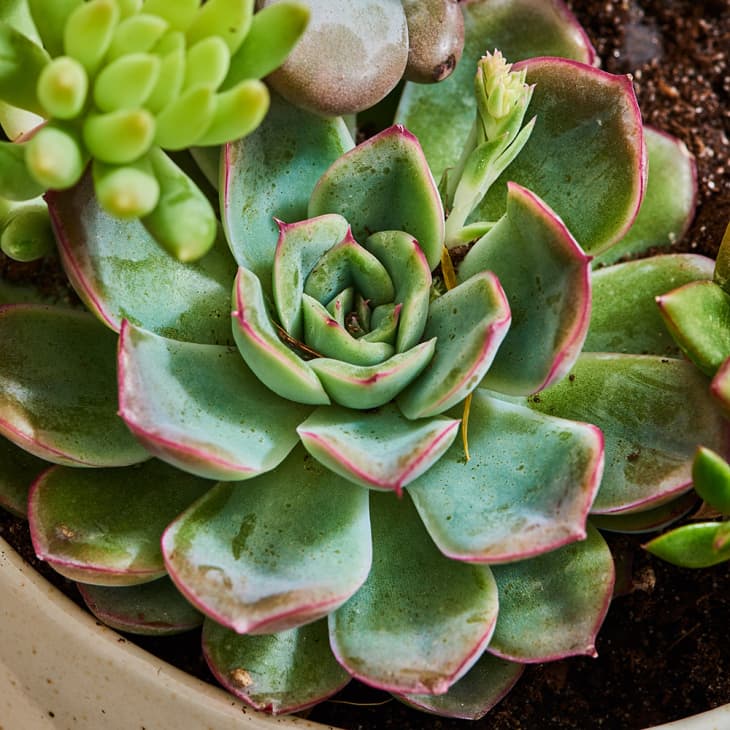
Standard potting soil holds too much moisture and will suffocate succulent roots. Instead, use a specialized cactus and succulent mix that contains perlite, pumice, or coarse sand. These ingredients create air pockets that allow water to drain quickly and roots to breathe. If your mix feels dense or clumpy, add more perlite until it flows freely through your fingers.
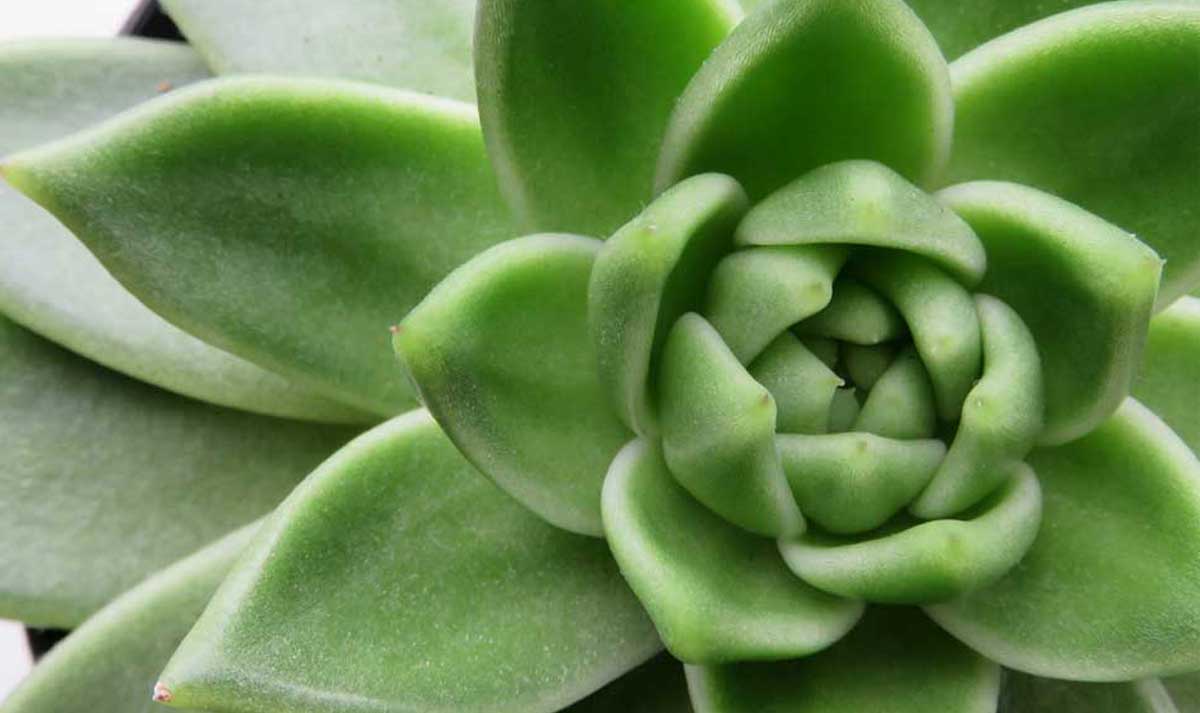
Most succulents prefer bright, indirect light. A south-facing window is ideal, but ensure the plant isn't pressed directly against cold glass in winter, which can cause leaf damage. If natural light is limited, consider a low-wattage LED grow light placed six to twelve inches above the foliage. Watch for etiolation—stretching and pale leaves—which signals the plant is reaching for more light.
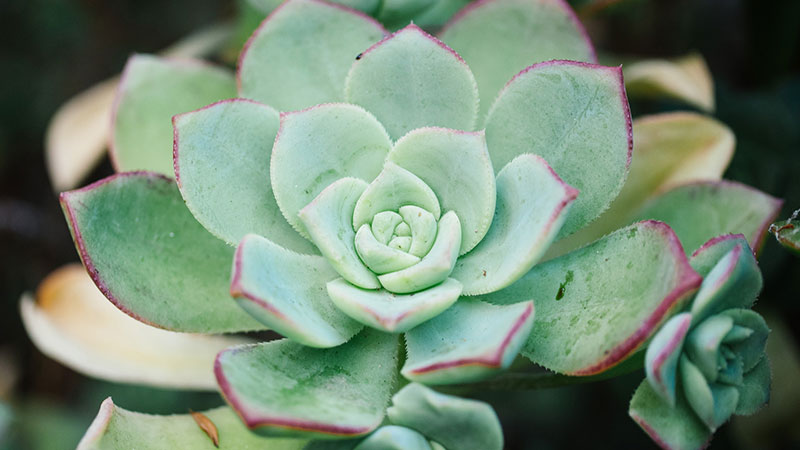
Avoid watering on a fixed schedule. Instead, check the soil depth with your finger or a wooden skewer. When the soil is completely dry, water thoroughly until liquid runs out of the drainage holes. Empty the saucer immediately after watering to prevent the pot from sitting in water. This method ensures the roots receive enough hydration without staying soggy.
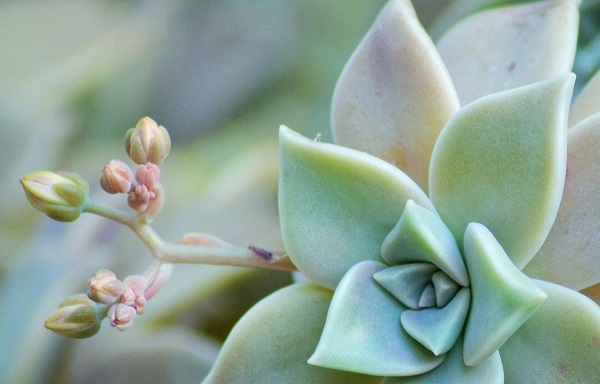
Inspect the undersides of leaves and the soil surface regularly. Common indoor pests include mealybugs (which look like white cotton clusters) and spider mites (visible as fine webbing). If you spot pests, isolate the affected plant immediately. Treat infestations with a cotton swab dipped in isopropyl alcohol or a neem oil spray, following the product instructions carefully.
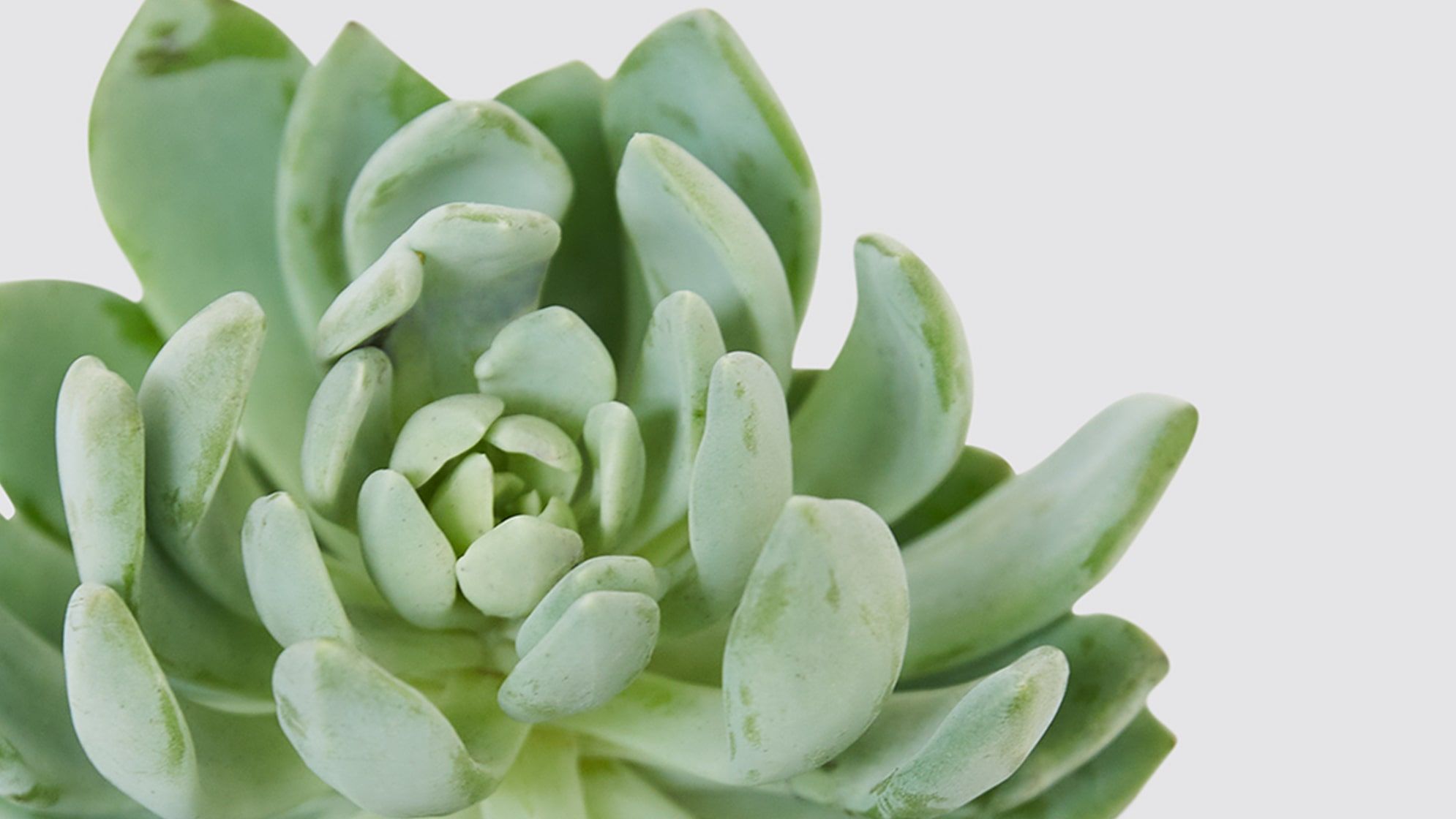
Succulents need room to grow, but they also prefer being slightly root-bound. Repot every two to three years or when you see roots pushing out of the drainage holes. Choose a new pot only one inch wider than the current one. Oversized pots hold excess soil that stays wet too long, increasing the risk of root rot. Always use a pot with a drainage hole.


As an Amazon Associate, we may earn from qualifying purchases.
Fix common succulent care mistakes
Most indoor succulents die from well-meaning but incorrect routines. The biggest culprit is watering on a fixed schedule. Succulents store water in their leaves and thrive on drought, not regular hydration. Watering every Sunday, regardless of soil moisture or season, leads to root rot and fungal issues.
Another frequent error is placing plants directly against cold window glass in winter. While south-facing windows provide ideal light, the temperature drop near the pane can shock the plant and cause tissue damage. Similarly, keeping succulents in low-light areas forces them to stretch and lose their compact shape, making them weak and prone to pests.
To keep your plants healthy, check the soil depth with your finger before watering. Only add water when the top inch or two is completely dry. In winter, reduce watering frequency significantly. Ensure your pots have drainage holes and use a gritty, fast-draining soil mix to prevent water from sitting around the roots.
No comments yet. Be the first to share your thoughts!