

Finding the Right Fit for Your Budget
Succulent care doesn’t require a hefty investment, but it does demand realistic expectations about what your budget actually buys. The gap between a $5 nursery starter and a $30 curated specimen isn’t just the plant itself—it’s the soil quality, pot drainage, and age of the cutting. Understanding these tradeoffs helps you allocate funds where they matter most: preventing root rot and ensuring structural health.
Soil Quality and Pot Selection
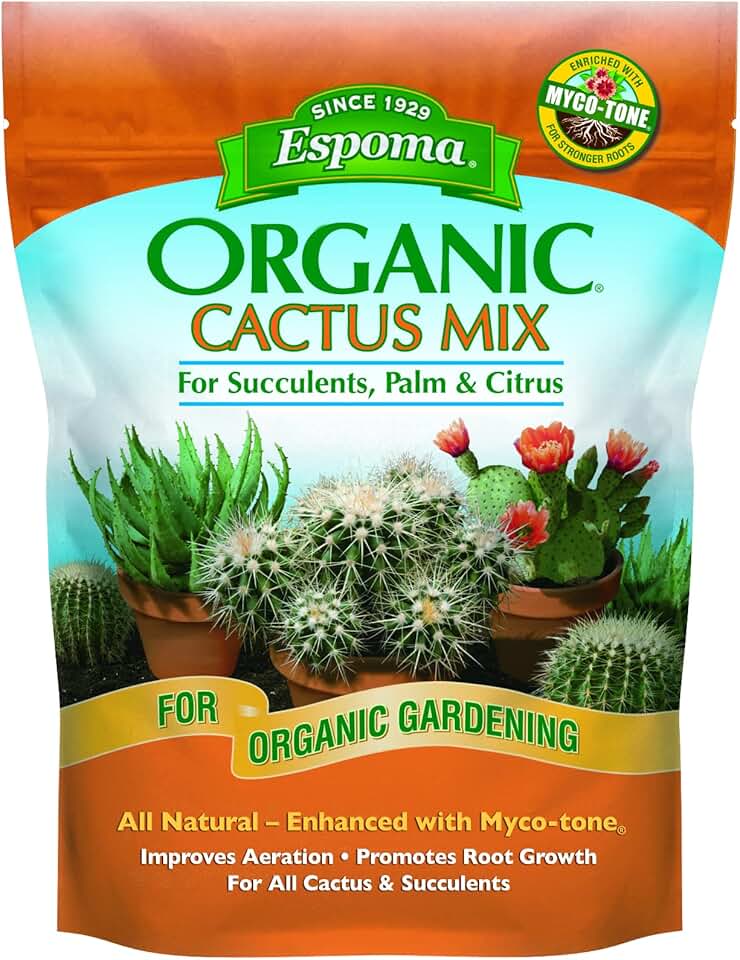
The foundation of healthy succulents is a gritty, fast-draining mix. Cheap, dense potting soils retain too much moisture, leading to fungal issues and root decay within weeks. While you can mix your own using perlite and pumice, pre-blended succulent soils from reputable brands offer consistency that saves time and reduces risk. Similarly, unglazed terracotta pots are porous and wick away excess moisture, making them ideal for beginners. Plastic pots, while cheaper and lighter, require more careful watering habits to avoid saturation.
Age and condition choices that change the plan
Younger, smaller succulents are often the most affordable option, but they may take months to reach a mature, visually impactful size. Larger specimens cost more upfront but provide immediate visual satisfaction and are often more resilient due to established root systems. When shopping, inspect leaves for plumpness and check the soil surface for signs of overwatering, such as yellowing or mushiness. Avoid plants with visible pest damage or root rot, as these issues will persist regardless of the care you provide later.
Where to Shop
For those ready to invest in quality soil and appropriate containers, here are some highly rated options available on Amazon. These products are selected for their effectiveness in promoting healthy growth and durability.


As an Amazon Associate, we may earn from qualifying purchases.
By focusing on these core elements—soil, pot, and plant condition—you can build a succulent collection that thrives without breaking the bank. Remember, the best investment is in prevention: good soil and proper drainage prevent the most common and costly mistakes in succulent care.
Shortlist real options
Succulent Care Trends works best as a clear sequence: define the constraint, compare the realistic options, test the tradeoff, and choose the path with the fewest hidden costs. That order keeps the advice usable instead of decorative. After each step, pause long enough to check whether the recommendation still fits the reader's actual situation. If it depends on perfect timing, unusual access, or a best-case budget, include a simpler fallback.
| Factor | What to check | Why it matters |
|---|---|---|
| Fit | Match the option to the primary use case. | A good deal still fails if it does not fit the job. |
| Condition | Verify age, wear, and service history. | Hidden condition issues erase upfront savings. |
| Cost | Compare purchase price with likely upkeep. | The cheapest option is not always the lowest-cost option. |
Inspect the expensive parts
Succulent Care Trends works best as a clear sequence: define the constraint, compare the realistic options, test the tradeoff, and choose the path with the fewest hidden costs. That order keeps the advice usable instead of decorative. After each step, pause long enough to check whether the recommendation still fits the reader's actual situation. If it depends on perfect timing, unusual access, or a best-case budget, include a simpler fallback.
Plan for ownership costs
A cheap succulent pot or bag of soil often looks like a bargain until you factor in the hidden costs of maintenance. The real expense isn't the initial purchase; it's the time and resources spent correcting preventable mistakes. When you buy low-quality materials, you are essentially betting that you will have the patience to manage their shortcomings.
The most common surprise is root rot caused by poor drainage. Cheap plastic pots with no drainage holes or dense, peat-heavy soil retain water too long. This forces you to water less frequently, but more carefully, increasing the risk of overwatering. Each time a plant dies from rot, you replace it, turning a $5 pot into a $20 annual hobby.
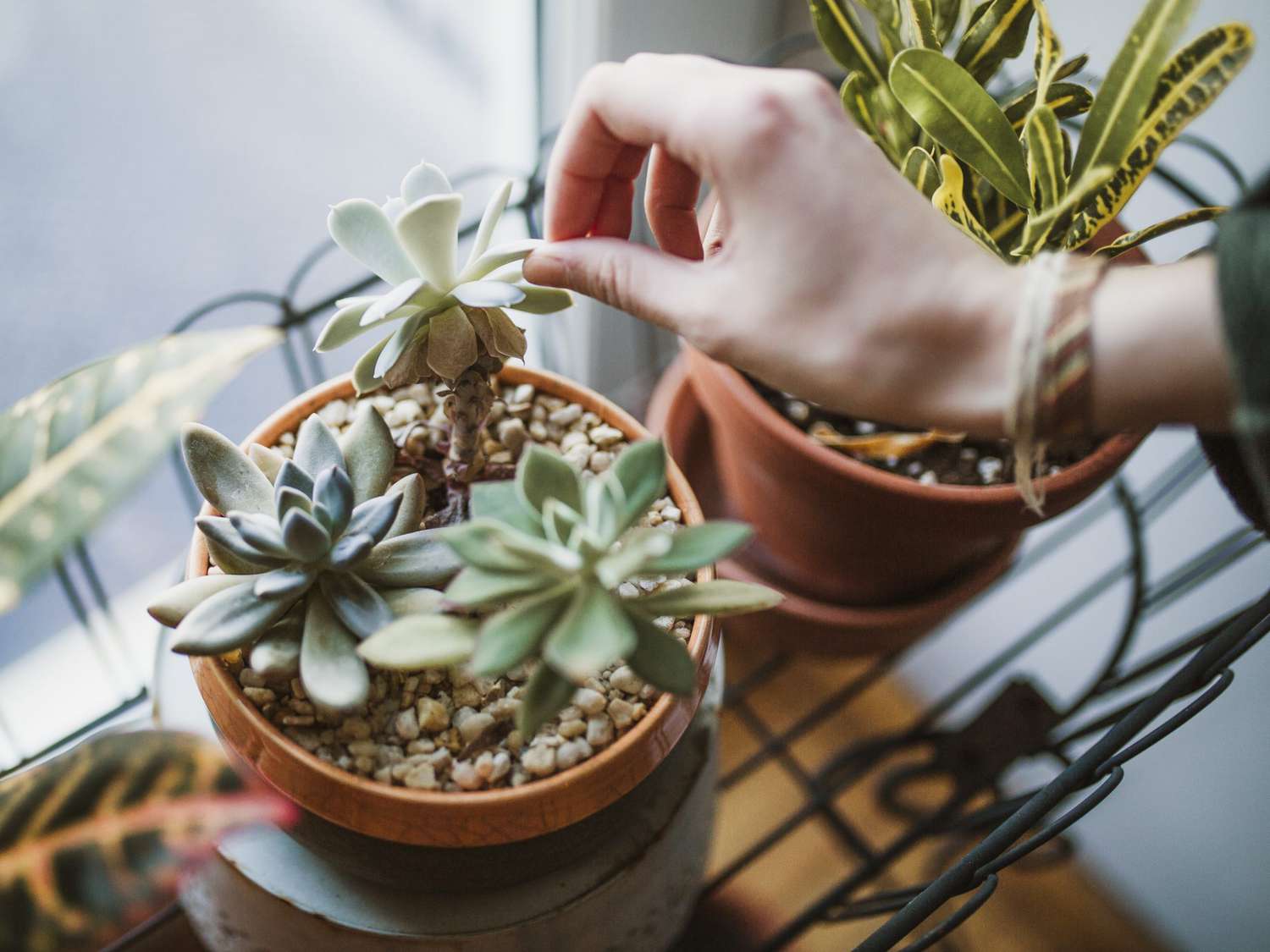
Another hidden cost is light. Many budget succulents are grown in greenhouses with weak light. When moved to a typical indoor window, they etiolate (stretch) quickly. Fixing this requires buying grow lights or moving them to a south-facing window, which may mean sacrificing other decor. You also need to account for repotting. Cheap soil compacts within a year, suffocating roots. You will need to buy fresh, gritty succulent mix every 12–18 months to keep them healthy.
When a cheap buy stops being cheap
The tipping point for "cheap" is when the maintenance cost exceeds the value of the plant. If you spend more time troubleshooting fungal infections or buying replacement plants than you enjoy caring for them, the initial savings are an illusion. Investing in a pot with proper drainage and a well-draining soil mix upfront reduces the frequency of repotting and watering errors.
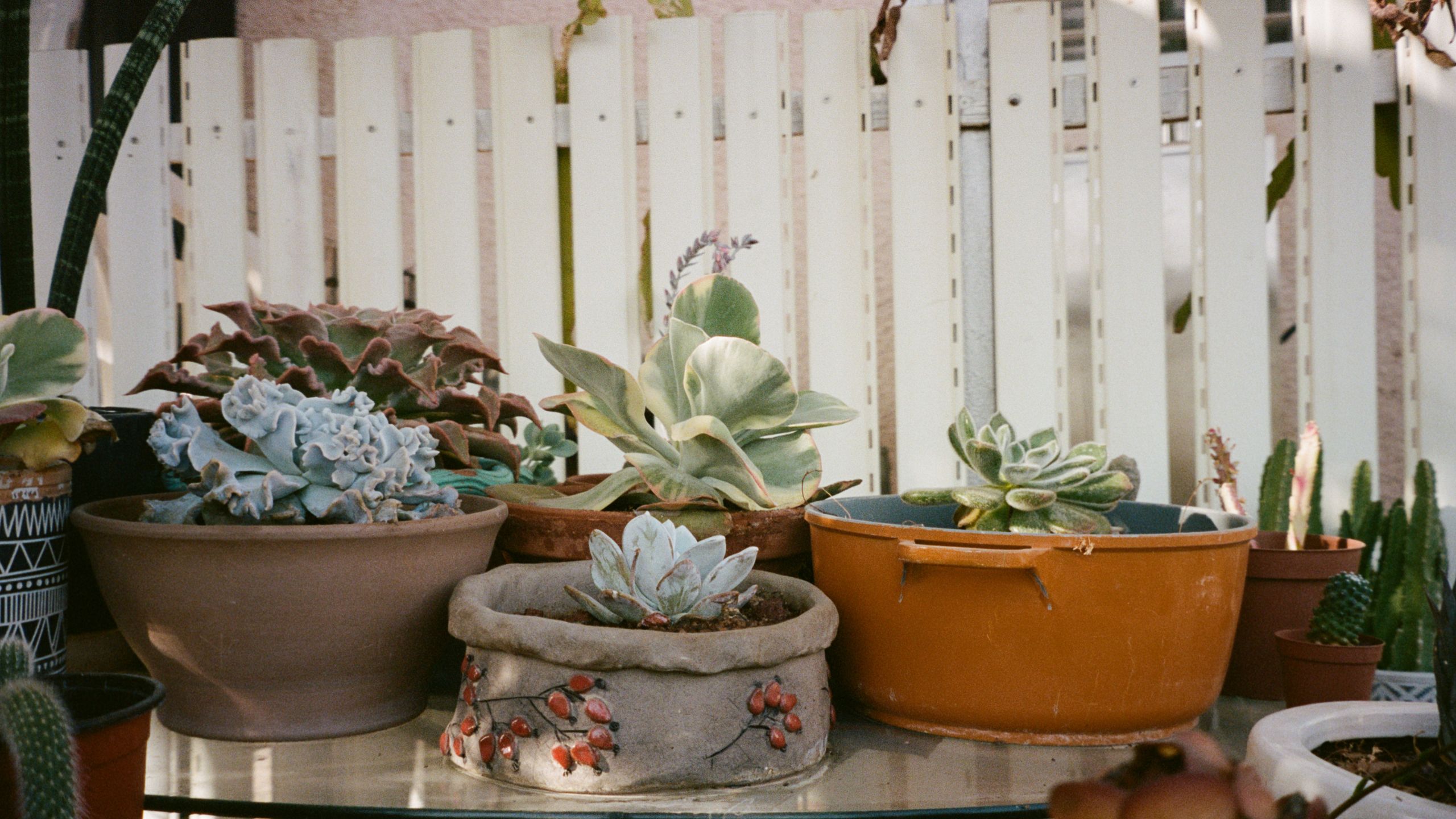
Consider the cost of a quality ceramic pot with a drainage hole ($15–$25) versus replacing three cheap plastic pots ($5 each) and the succulents inside them over two years. The quality pot lasts indefinitely and improves drainage, reducing rot risk. Similarly, a bag of professional succulent soil ($10–$15) lasts longer than cheap topsoil, which turns into mud. The upfront investment pays for itself in plant longevity and reduced labor.
Product recommendations
These products are selected for their ability to reduce long-term ownership costs through better drainage and durability.


As an Amazon Associate, we may earn from qualifying purchases.
No comments yet. Be the first to share your thoughts!