
Budgeting for Succulent Health
Choosing affordable pots and soil doesn’t mean sacrificing plant longevity. The tradeoff lies in understanding what drives up costs and where you can save without harming the plant. A $5 plastic nursery pot often performs just as well as a $30 ceramic vessel if drainage is prioritized over aesthetics.
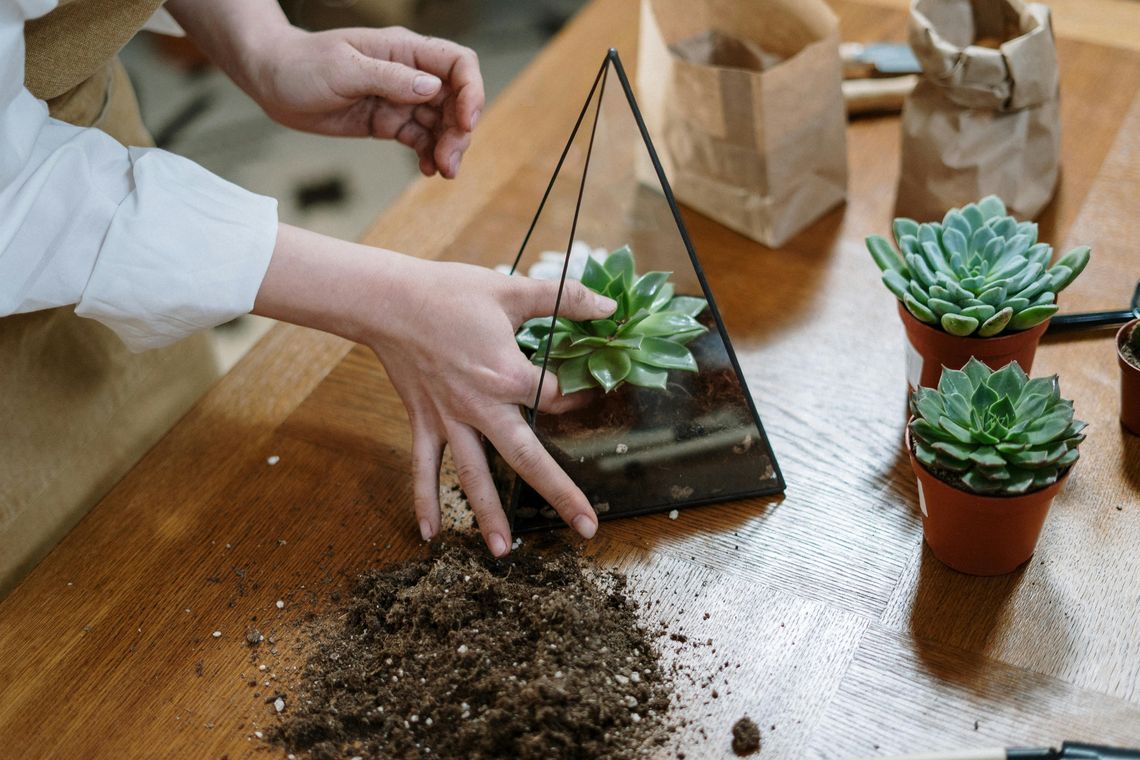
Focus your budget on the soil mix rather than the container. Cheap, dense potting soil suffocates roots and leads to rot, which is the primary killer of indoor succulents. Investing in a gritty, well-draining mix—whether you buy it or blend it yourself—pays for itself by preventing the need to replace dead plants.
Consider the plant’s age when spending. Young cuttings and small rosettes thrive in inexpensive, shallow containers that dry out quickly. Mature, large specimens require heavier, more stable pots that cost more, but these plants are generally hardier and less prone to the shock of repotting. Avoid expensive "self-watering" systems for most succulents; they often keep the soil too wet, mimicking the conditions that cause root rot.
Shortlist real options
Succulent Care works best as a clear sequence: define the constraint, compare the realistic options, test the tradeoff, and choose the path with the fewest hidden costs. That order keeps the advice usable instead of decorative. After each step, pause long enough to check whether the recommendation still fits the reader's actual situation. If it depends on perfect timing, unusual access, or a best-case budget, include a simpler fallback.
| Factor | What to check | Why it matters |
|---|---|---|
| Fit | Match the option to the primary use case. | A good deal still fails if it does not fit the job. |
| Condition | Verify age, wear, and service history. | Hidden condition issues erase upfront savings. |
| Cost | Compare purchase price with likely upkeep. | The cheapest option is not always the lowest-cost option. |
Inspect the expensive parts
Succulent Care works best as a clear sequence: define the constraint, compare the realistic options, test the tradeoff, and choose the path with the fewest hidden costs. That order keeps the advice usable instead of decorative. After each step, pause long enough to check whether the recommendation still fits the reader's actual situation. If it depends on perfect timing, unusual access, or a best-case budget, include a simpler fallback.
Ownership costs and maintenance surprises
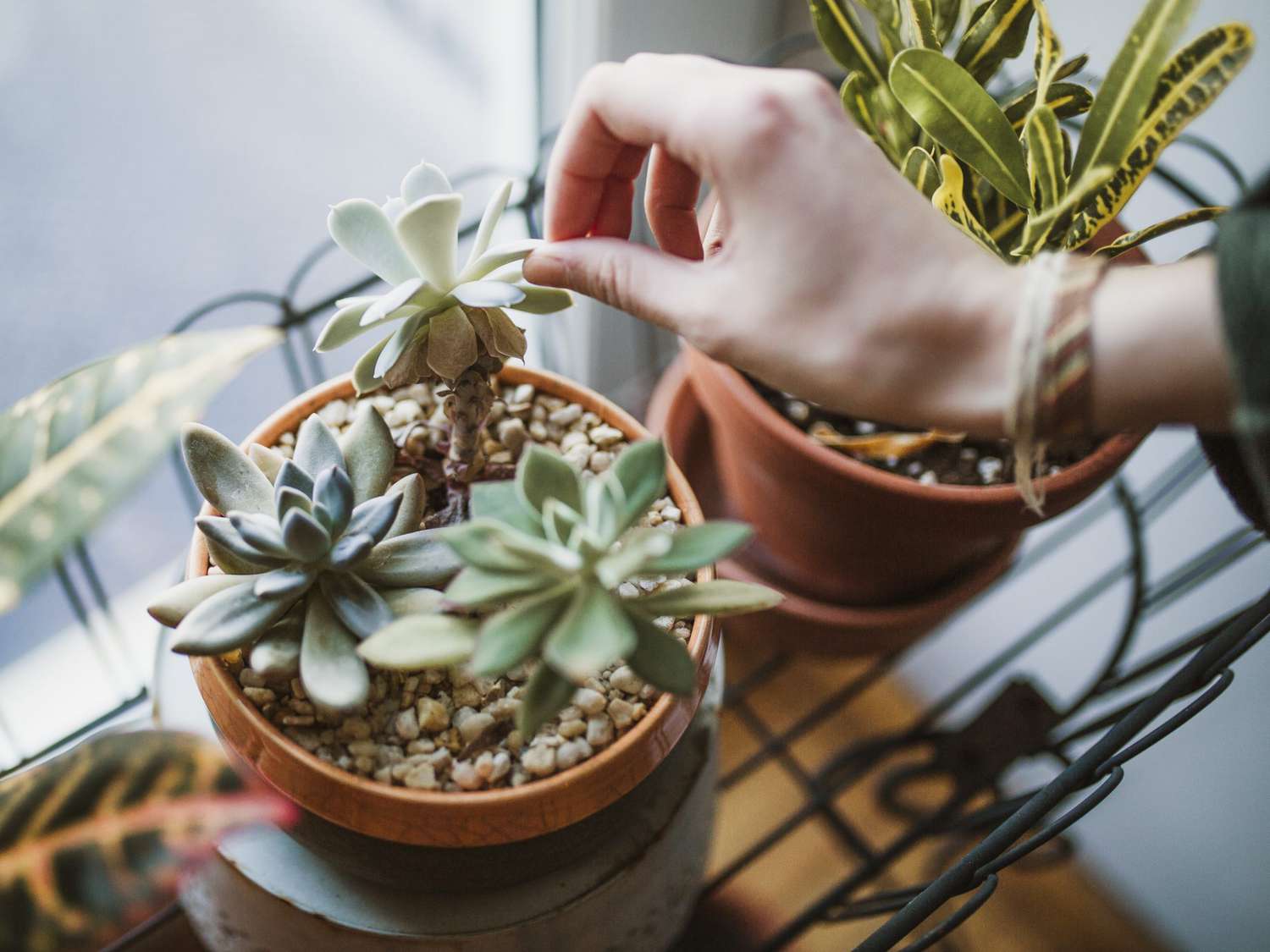
A cheap succulent isn’t always a cheap plant. The initial price tag is often just the entry fee; the real cost comes from soil, pots, and the labor of keeping the plant alive. Many beginners buy a $5 succulent in a decorative ceramic pot, only to spend more on replacing dead plants or buying proper drainage setups than they would have on a high-quality starter.
The biggest hidden cost is water and light management. Succulents are drought-tolerant, but they aren’t invincible. Overwatering is the number one killer, often caused by watering on a schedule rather than checking soil moisture. You should not water simply because it’s Tuesday; wait until the soil is completely dry. This requires patience and observation, not just a calendar reminder.
Light is another factor that affects longevity. While succulents love sun, indoor placement matters. Bright, indirect light is ideal. Rotating pots weekly ensures even growth and prevents the plant from leaning toward the window, which can weaken the stem over time. Wiping dust off leaves monthly also helps them photosynthesize efficiently, reducing the need for excessive watering or fertilization.
When a cheap buy stops being cheap is often when the pot lacks drainage. A non-draining pot turns into a swamp, leading to root rot. The fix is simple: use pots with holes and well-draining soil. This upfront investment in proper materials saves you from the recurring cost of replacing succulents that died from neglect or poor setup.


As an Amazon Associate, we may earn from qualifying purchases.
The trick to keeping succulents alive is simplicity. Don’t overcomplicate care. Use the right soil, a pot with drainage, and water only when dry. Avoid direct harsh sun indoors, which can scorch leaves. With these basic steps, your succulents will thrive without breaking the bank.
Succulent care: what to check next
Watering and lighting are the two biggest hurdles for indoor succulents. Most plant loss comes from overwatering or placing them in the wrong light. Here are answers to the most common questions about keeping succulents healthy indoors.
No comments yet. Be the first to share your thoughts!