
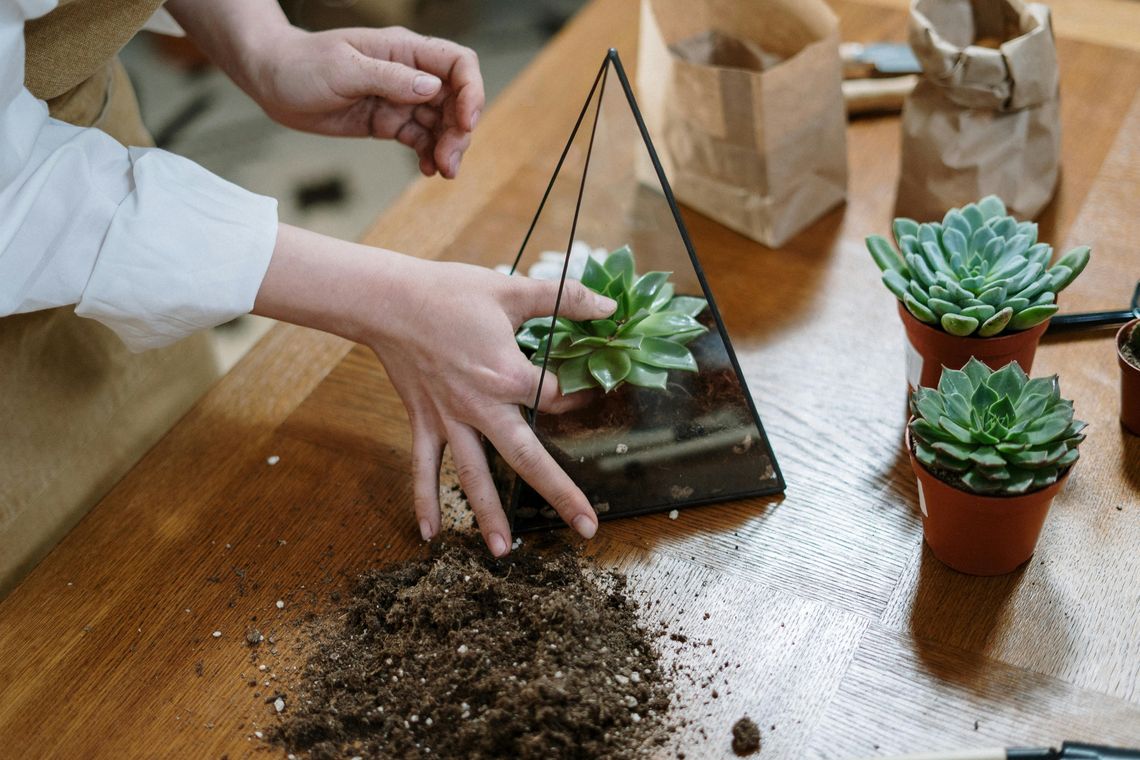

Budget-Friendly Succulent Care Setup
You don't need a greenhouse to keep succulents thriving. A functional indoor setup costs less than $30 if you prioritize the right soil and drainage over decorative pots. The tradeoff here is simple: spend on the roots, save on the container.
Start with a fast-draining soil mix. Cheap potting soil retains too much water, leading to root rot—the most common killer of indoor succulents. Look for mixes labeled "cactus and succulent" or amend regular potting soil with 50% perlite. This small investment prevents the need for replanting later.
For pots, choose unglazed terracotta or plastic with drainage holes. Terracotta breathes, helping soil dry out faster, which suits succulents' drought-tolerant nature. Avoid ceramic pots without holes unless you use them as "cache pots" over a plastic nursery pot. This lets you keep the aesthetic without risking waterlogged roots.
Lighting is the only other significant cost. South-facing windows are ideal, but if your space is dim, a basic LED grow light ($15–$25) can make a huge difference. Place it 6–12 inches above the plants for 12–14 hours a day. This prevents etiolation (stretching) and keeps plants compact and healthy.
| Item | Budget Option | Why It Works |
|---|---|---|
| Soil | Cactus mix + perlite | Ensures rapid drainage |
| Pot | Terracotta with hole | Breathable, moisture-regulating |
| Light | LED grow bulb | Prevents stretching in low light |
Avoid buying "complete care kits" from big-box stores. They often include low-quality soil and non-draining decorative pots. Instead, buy components separately. You'll save money and get better results. Remember: succulents are resilient. They forgive mistakes, but they don't forgive bad drainage.
Shortlist real options
Choosing the right setup for indoor succulents comes down to balancing soil drainage, pot material, and watering habits. While there are countless products on the market, only a few consistently deliver healthy growth without constant intervention. The following comparison highlights the most reliable care components, focusing on practical tradeoffs rather than marketing claims.
| Feature | Soil Mix | Pot Material | Watering Strategy |
|---|---|---|---|
| Best for Beginners | Cactus/succulent blend with 30% perlite | Terracotta or unglazed clay | Soak and dry method, wait for full dryness |
| Best for Humid Climates | High-grit mix (50%+ inorganic like pumice) | Glazed ceramic with large drainage hole | Bottom watering to control moisture levels |
| Best for Low Light | Standard cactus mix (higher organic content) | Plastic or glazed ceramic (retains moisture) | Reduced frequency, check soil depth before watering |
| Best for Outdoor/Indoor Transition | Well-draining sandy loam blend | Heavy-weight material to prevent tipping | Monitor closely during rain; ensure rapid drainage |
Soil is the foundation of succulent health. A mix designed specifically for cacti and succulents should contain significant inorganic material like perlite, pumice, or coarse sand. This ensures water drains quickly, preventing the roots from sitting in moisture, which is the primary cause of rot. Avoid standard potting soil, which retains too much water and compacts over time.
Pot material dictates how often you need to water. Terracotta is porous, allowing the soil to dry out faster, which is ideal for beginners who might overwater. Glazed ceramic or plastic pots hold moisture longer, making them better suited for arid climates or experienced growers who can monitor soil dryness accurately. Always ensure the pot has a drainage hole; without it, excess water has nowhere to go.
Watering strategy should adapt to your environment. The "soak and dry" method is widely recommended: water thoroughly until it flows out the bottom, then wait until the soil is completely dry before watering again. This mimics natural rainfall patterns. In winter or low-light conditions, reduce frequency significantly, as succulents enter a dormant phase and require minimal water.
Inspect the expensive parts
Most indoor succulent deaths happen quietly. By the time you see yellow leaves, the damage is often irreversible. This checklist targets the high-cost failure points: root rot, pest infestations, and environmental shock. Spend two minutes per plant using this routine to catch issues before they cost you a specimen.
Check the soil moisture depth
Do not rely on a surface touch test. The top inch of soil may feel dry while the roots remain soggy, a common trap for overwatered succulents. Insert a wooden skewer or chopstick into the soil until it hits the bottom of the pot. If it comes out with damp soil clinging to it, wait another three to five days. Succulents store water in their leaves; they are far more likely to die from too much water than too little.
Inspect the stem base and lower leaves
Look closely at the lowest leaves and the point where the stem meets the soil. Soft, translucent, or blackening leaves are early signs of rot. If a leaf is mushy, gently twist it off. If the stem itself is soft or black at the base, the plant may be lost. Healthy lower leaves should feel firm and plump. If they are shriveled, the plant is thirsty. If they are mushy, it is drowning.
Examine the leaf axils for pests
Pests like mealybugs and spider mites hide in the tight spaces where leaves meet the stem, known as leaf axils. Use a magnifying glass or your phone’s camera zoom to check these crevices. Look for white, cottony clusters (mealybugs) or tiny moving dots (spider mites). If you find them, treat the plant immediately with insecticidal soap or neem oil. Ignoring this step allows pests to spread to your other houseplants.
Verify drainage and pot integrity
Ensure your pot has drainage holes. If you are using a decorative pot without holes, keep the plant in its plastic nursery pot and set that inside the decorative one. Check that the drainage holes are not clogged with soil or debris. Water should flow freely through the pot within seconds of watering. If water sits in the saucer for more than 15 minutes, empty it. Standing water at the bottom of the pot is a guaranteed recipe for root rot.
Assess light exposure and leaf color
Healthy succulents should have vibrant, firm leaves. If leaves are stretching toward the light source, the plant is etiolated and needs more sun. If leaves have brown, crispy patches, it may be getting too much direct, intense light. South-facing windows are ideal, but avoid placing plants directly against cold glass in winter, which can cause thermal shock. Adjust the plant’s position gradually to prevent sunburn.
Plan for ownership costs
A $5 succulent can easily cost $20 to maintain if you buy the wrong soil or replace plants every few months. The cheapest pots are often the most expensive over time because they crack in winter or hold water too long, killing the roots.
Start with a gritty, fast-draining mix. Cheap potting soil stays wet and rots roots. You need a blend with pumice, perlite, or coarse sand. A good bag lasts for several repottings, spreading the cost. If your soil clumps like cake batter, it is too heavy.
Choose pots with drainage holes. Terracotta breathes and dries out faster than plastic or glazed ceramic. If you must use decorative pots without holes, keep the plant in a plastic nursery insert. This lets you water properly without drowning the roots.
Water only when the soil is completely dry. Do not water on a schedule. Succulents store water in their leaves. Overwatering is the number one killer. Stick your finger in the soil; if it feels damp, wait.


As an Amazon Associate, we may earn from qualifying purchases.
Cheap plastic pots may look fine at first, but they become brittle and crack in cold weather. Terracotta is heavier but lasts for years. It also helps regulate soil moisture by wicking away excess water.
Repot every 1-2 years. Roots fill up the pot and stop growing. Fresh soil provides nutrients. If you skip repotting, the plant becomes root-bound and prone to disease. This is a small cost that prevents losing the whole plant.
Succulent care: what to check next
Succulents are forgiving, but they have specific needs that differ from typical houseplants. Understanding these basics prevents the most common issues like root rot and leggy growth.
How do you care for succulents indoors?
Provide bright, indirect light and water only when the soil is completely dry. South-facing windows are ideal, but keep plants away from cold glass in winter. Use a well-draining soil mix and pots with drainage holes to prevent water from sitting at the roots.
Do succulents need direct sun?
Most succulents thrive in direct sunlight for at least six hours a day. However, sudden exposure to intense midday sun can scorch leaves that were previously in low light. Gradually acclimate indoor plants to outdoor conditions or stronger light to avoid sunburn.
What are common succulent care mistakes?
The biggest mistake is overwatering. Water on a schedule rather than when the soil feels dry, as succulents store water in their leaves. Other errors include using heavy potting soil that retains too much moisture and placing plants in dark corners, which causes them to stretch and become leggy.
How do I care for my outdoor succulents?
Outdoor succulents need excellent drainage and protection from heavy rain, which can cause rot. Plant them in raised beds or containers that allow water to escape quickly. In winter, move tender varieties indoors or cover them with frost cloth to protect them from freezing temperatures.
No comments yet. Be the first to share your thoughts!